Text to Speech vs Voice Cloning: What’s Actually Different?

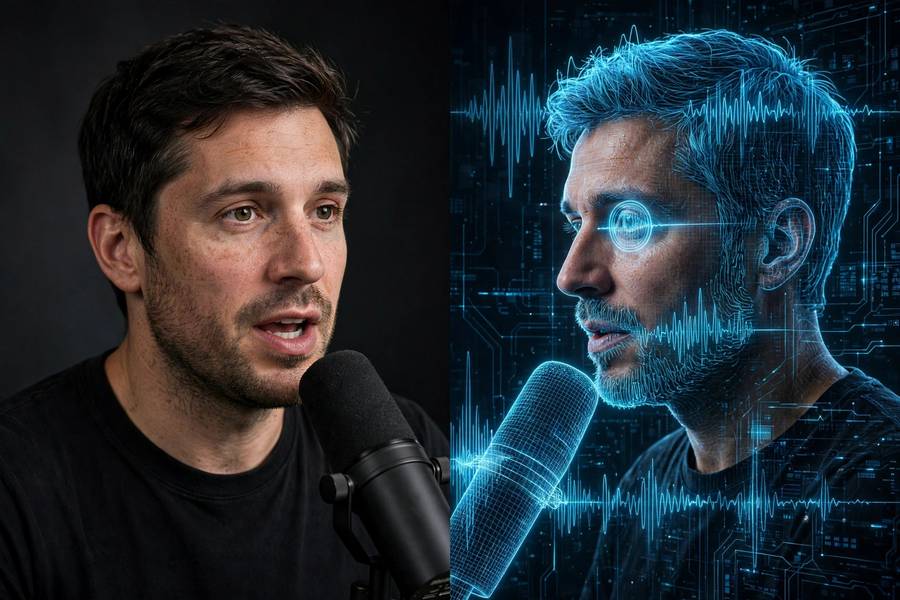
A few months ago, a creator I follow released a video “narrated” by a famous actor — except the actor had never recorded it. The voice was cloned from interviews, the narration generated from a script, and the comments split between amazement and unease. That unease is the tell: text to speech vs voice cloning isn’t just a technical distinction. It’s the line between a tool and an identity question.
Here’s the clean version: text to speech generates spoken audio from text using a general voice — synthetic or licensed. Voice cloning reproduces a specific person’s voice — yours, mine, or that actor’s — so the output sounds like them saying things they never said. Cloning is built on TTS technology, but the specificity changes everything: technically, legally, and ethically. For the TTS foundations, see how text to speech works.
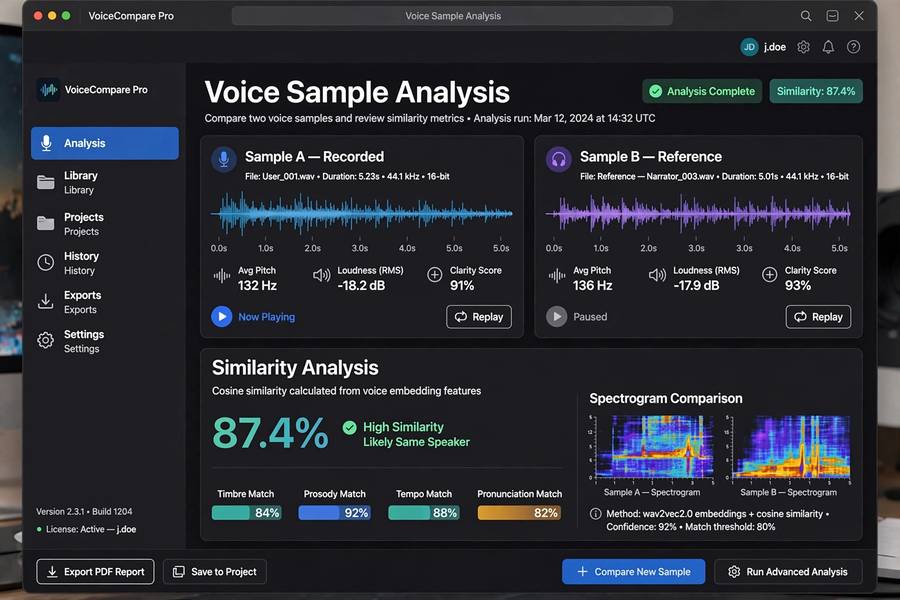
The Core Distinction
Standard TTS answers the question: “how do I turn this text into natural-sounding speech?” The voice is a means to an end — pleasant, clear, appropriate. Nobody asks whose voice it is, because it’s nobody’s: a synthetic construct or a licensed voice actor’s performance, designed to be generic enough for any content.
Voice cloning answers a different question: “how do I make this text sound like this specific person said it?” The voice is the point — its identity, its recognizability, its personal character. A cloned voice of you should sound like you; a cloned voice of a celebrity should sound like them. The technology’s success is measured by similarity to a real individual, which is exactly what makes it powerful and what makes it dangerous.
This distinction cuts through most confusion. “AI voiceover” usually means standard TTS. “AI voice of [person]” means cloning. Products that offer “custom voices” may mean either — cloned from your recordings (cloning) or selected/configured from options (TTS). When evaluating, ask the identity question: is this voice supposed to sound like a specific real person? Yes → cloning, with all its implications. No → standard TTS.
How Standard TTS Voices Are Made
Standard TTS voices come in two flavors. Synthetic voices are generated by models trained on many speakers — the resulting voice is an amalgam, belonging to no one. It’s designed for pleasant neutrality: clear, natural, unobjectionable. Most default assistant and narration voices are synthetic in this sense.
Licensed voices are recorded by professional voice actors who perform extensive scripts, then license the resulting voice model — the modern equivalent of hiring voice talent, with the actor compensated and credited. These voices have more character (the actor’s performance choices shape them) and are often preferred for branding — a distinctive voice becomes part of a product’s identity.
In both cases, the key property: no real person’s everyday identity is at stake. A synthetic voice can’t be “stolen” because it was never anyone’s. A licensed voice was willingly contributed under contract. The ethical surface is clean, which is why standard TTS raises few concerns beyond normal product questions. The broader ecosystem of these tools is covered in my overview of what AI tools are.
How Voice Cloning Works
Voice cloning captures a specific person’s vocal identity from audio samples and reproduces it saying new things. Modern systems need shockingly little data — seconds to minutes of clear speech can produce a recognizable clone; more data (hours) produces higher fidelity, capturing not just timbre but speaking style, rhythm quirks, and emotional range.
Technically, cloning extracts a speaker embedding — a compact mathematical representation of what makes that voice distinctive — from the samples, then conditions the TTS model on it. The model itself knows how to turn text into speech generally (see how AI models are trained for the learning principles); the embedding steers it toward this specific voice. It’s the same mechanism as multilingual voice preservation: the voice identity is separable from the content.
The quality spectrum: quick clones from short samples are recognizable but imperfect — good enough for personal use, novelty, and unfortunately fraud. Professional clones from hours of studio recordings are near-indistinguishable — used for legitimate media production with consent. The technology keeps improving at both ends, which is why the governance conversation is urgent rather than theoretical.
The Technical Relationship
Voice cloning isn’t a separate technology from TTS — it’s TTS plus speaker identity modeling. Every cloning system contains a TTS engine; the cloning is the additional layer that captures and reproduces a specific voice. Understanding this matters because it means cloning capabilities advance automatically with TTS advances — every improvement in voice quality, every efficiency gain, makes cloning better and easier too.
This coupling has a governance implication: you can’t ban cloning while permitting TTS, technically. The same model architectures serve both; the difference is in the data (whose voice samples) and the intent. Regulation therefore targets use and consent, not the underlying math — which is the right level, but harder to enforce than a technical ban would be.
It also means the “seconds of audio” threshold keeps dropping as models improve. Cloning that needed an hour of samples in 2022 needs seconds in 2026. This trajectory — less data, better quality, easier access — is the core reason the ethical and legal frameworks are racing to catch up. The technology isn’t waiting.
Quality and Data Requirements
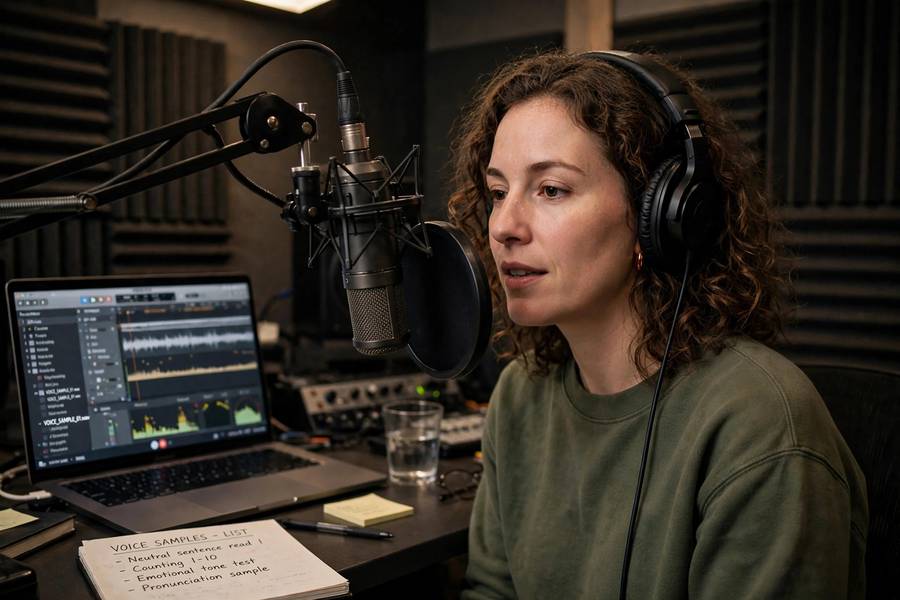
For standard TTS, quality depends on the model and the voice design — the user’s input is just text. For cloning, quality depends heavily on the sample data: clear audio, minimal background noise, diverse phonetic content (the samples should cover the sounds the voice will need to produce), and enough emotional range for expressive output.
This creates a practical asymmetry: cloning yourself (you can record ideal samples) works much better than cloning from found audio (interviews, videos with background noise, limited phonetic coverage). The best legitimate cloning workflows — voice actors licensing their voices, individuals banking their voices — use directed recording sessions. The worst misuses work from scraps, which is partly why fraud clones often sound slightly off — a small mercy, for now.
Data quantity vs quality: an hour of clean studio recording beats ten hours of noisy video audio. For personal voice banking (ALS patients preserving their voice, for example), professionals recommend recording specific phonetically-balanced scripts in quiet environments. The investment in good samples pays off in every word the clone ever speaks.
Legitimate Uses of Voice Cloning
The positive use cases are genuinely moving. Voice restoration: people losing speech to illness or injury keep their own voice — this is the least controversial and most human application. Consent-based media production: actors licensing their voices for games, dubbing, and narration, getting paid for scalable performances. Personal productivity: your own cloned voice narrating your content, reading your messages, handling your calls’ voicemail.
Accessibility: personalized voices for AAC devices — a child getting an age-appropriate voice that’s theirs, not a generic robot. Localization: creators reaching global audiences in their own voice across languages. And creative experimentation: artists collaborating with synthetic versions of willing participants.
What unites the legitimate uses: consent, transparency, and the voice owner benefiting. The technology itself is neutral — a mirror that reflects the intent of whoever holds it. The legitimate ecosystem is growing fast, with marketplaces for licensed voices and standard contracts emerging. This is the future worth building toward.
The Consent Problem
Here’s where it gets hard. Cloning someone’s voice without permission — the actor in that video’s comments, a politician “saying” things they didn’t, your boss “calling” with urgent instructions — violates something most legal systems are still learning to name. Is a voice property? Personality rights cover it in some jurisdictions; others have gaps you could drive a truck through.
The industry’s emerging norms: reputable cloning platforms require consent verification — the person whose voice is cloned must prove it’s theirs or authorize it. Some use verification recordings (“read this unique phrase to prove you’re you”). Others require legal documentation for third-party voices. These safeguards are real but unevenly adopted — the reputable platforms have them; the sketchy ones don’t, which is precisely the problem.
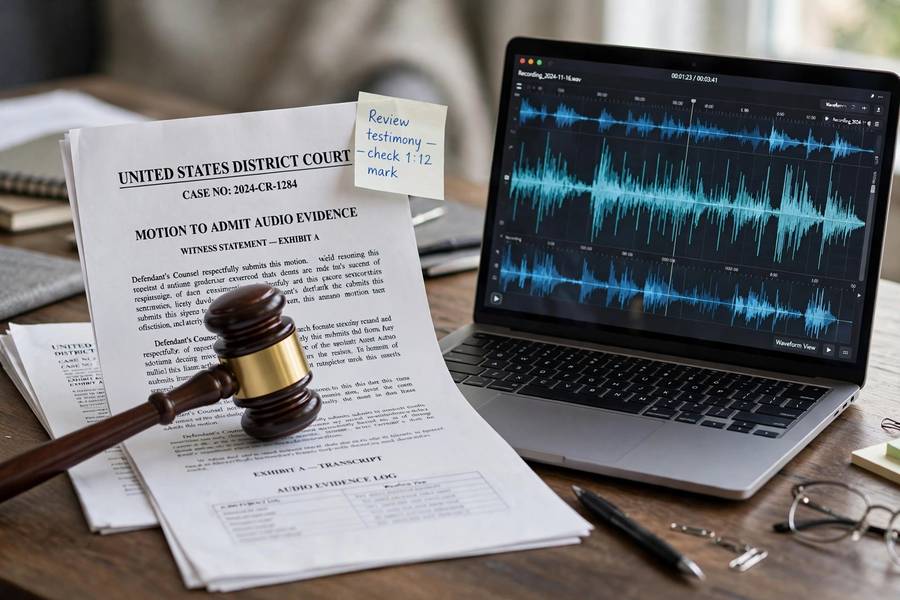
My position: cloning a real person’s voice without their informed consent should be treated like identity theft — because functionally, that’s what it is. The law is catching up (several jurisdictions now have specific AI-voice provisions), but norms and platform policies are the current front line. If you’re considering cloning: get explicit, documented consent. If you’re a voice owner: know that your public audio is clonable, and support the legal frameworks being built.
Fraud, Deepfakes, and Misuse
The dark side is active, not hypothetical. Voice cloning fraud — “grandparent scams” using cloned family voices, fake executive calls authorizing transfers, cloned customer voices defeating voice authentication — is a documented, growing crime category. The attack exploits trust: we evolved to trust familiar voices, and clones hijack that instinct.
Deepfake audio in politics and media — fabricated statements by public figures — erodes the shared information environment. Each convincing fake makes real recordings deniable (“that’s AI”) and fake ones believable. The liar’s dividend: as fakes proliferate, truth becomes harder to establish.
Defenses are emerging on multiple fronts: detection tools (AI that spots AI-generated audio — an arms race), authentication protocols (code words, callback verification for sensitive requests), platform policies, and law. But the most effective defense is currently social: verify unexpected voice requests through another channel. Got an urgent voice message from your “CEO”? Message them on a different platform to confirm. This habit defeats most voice fraud today, regardless of clone quality.
How to Tell Them Apart as a Listener
Can you hear the difference between standard TTS and a voice clone? Usually not directly — a good clone and a good synthetic voice both sound natural. The difference isn’t in audio quality; it’s in identity. Does this voice sound like a specific real person you recognize? That’s the cloning question, and it’s answered by recognition, not by audio forensics.
For detecting AI audio generally (either type): listen for the uncanny smoothness — too-perfect consistency, missing micro-imperfections of human speech. Check for contextual impossibilities — would this person plausably say this, in this context? Verify through independent channels for anything consequential. And know that detection is getting harder — today’s tells are tomorrow’s fixed bugs.
The honest guidance: don’t rely on your ears for high-stakes verification. Audio forensics tools exist and are improving, but the robust approach is procedural — verify identity through separate channels, use code words for sensitive voice communications, and treat unexpected voice content with the same skepticism you’d apply to an unexpected email. The technology of trust is catching up to the technology of imitation; until it does, process beats perception.
Frequently Asked Questions
Text to speech generates speech from text using a general synthetic or licensed voice belonging to no one in particular. Voice cloning reproduces a specific real person’s voice, making it sound like them saying new things. Cloning is built on TTS technology plus speaker-identity modeling.
The system extracts a speaker embedding — a mathematical representation of a voice’s distinctive characteristics — from audio samples, then conditions a TTS model on it. Modern systems need only seconds to minutes of clear speech for a recognizable clone; hours of studio audio produce near-indistinguishable quality.
Cloning your own voice or a voice with explicit consent is generally fine. Cloning someone else’s voice without permission violates personality/publicity rights in many jurisdictions, and specific AI-voice laws are emerging worldwide. Reputable platforms require consent verification; the law is still catching up in some regions.
Voice restoration for people losing speech, consent-based media production with licensed actor voices, personal productivity with your own cloned voice, personalized AAC communication devices, and multilingual content in the creator’s own voice. Legitimate uses share consent, transparency, and benefit to the voice owner.
Verify unexpected urgent voice requests through a separate channel (call back on a known number, message on another platform), establish family code words for emergencies, be skeptical of voice-only authentication, and remember that familiar voices can now be faked — process beats perception for high-stakes verification.
Keep reading: