
What Is a Credit Score? Ranges, Factors, and Why It Matters
Apply for a car loan, rent an apartment, or even sign up for a phone plan, and somewhere behind the scenes a three-digit number is doing quiet work on your behalf — or against you. That number is your credit score, and it shapes more of your financial life than most people realize.
Yet ask the average person what a credit score actually is, and the answers get vague fast. Is it a grade? Who decides it? What makes it go up or down? This guide answers all of that in plain language: what a credit score is, the ranges it falls into, the factors that shape it, and why it matters so much.
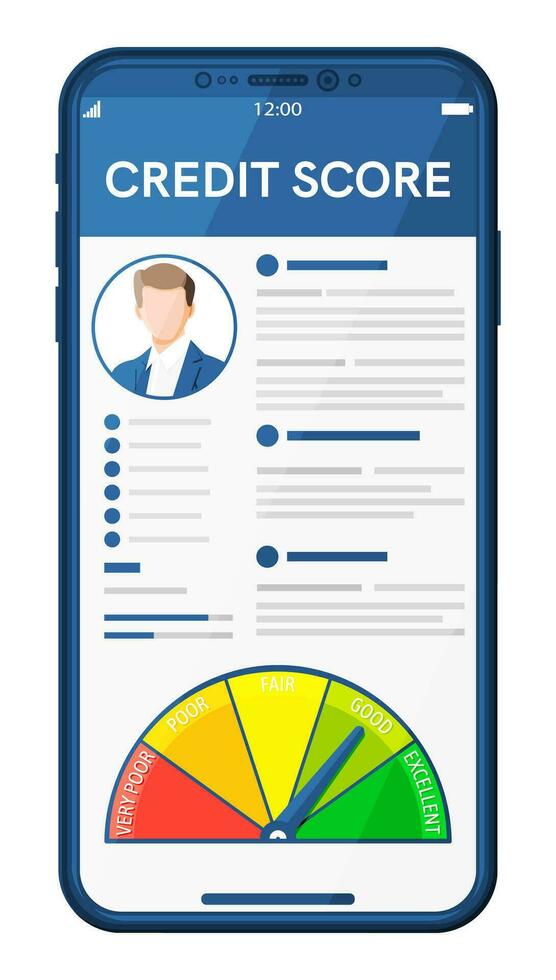
What Exactly Is a Credit Score?
A credit score is a three-digit number that predicts how likely you are to repay borrowed money on time. Lenders use it as a quick snapshot of your creditworthiness — essentially, your financial reputation boiled down to a single figure.
The score is calculated from the information in your credit reports, which are files maintained by credit bureaus. These bureaus collect data from banks, credit card companies, and other lenders about how you borrow and repay. Scoring companies then run that data through a mathematical model and produce the number.
The most widely used scoring model in the United States is FICO, and its main competitor is VantageScore. Both produce scores on a 300 to 850 scale, where higher is better. Most lenders check one or both when you apply for credit.
The Credit Score Ranges
On the 300–850 scale, scores are grouped into bands that lenders treat very differently. The exact labels vary slightly between sources, but the commonly used FICO bands are:
- 800–850: Exceptional. The top tier. Borrowers here get the best interest rates and the easiest approvals.
- 740–799: Very good. Well above average; qualifies for most of the best lending terms.
- 670–739: Good. Around or slightly above the national average. Most mainstream credit is available at reasonable rates.
- 580–669: Fair. Below average. Approvals are possible but often come with higher interest rates and stricter terms.
- 300–579: Poor. High risk in lenders’ eyes. Many applications are declined, and the credit that is available tends to be expensive.
Where you sit in these ranges has a direct, measurable cost. The difference between a “fair” and a “very good” score on a mortgage or auto loan can mean paying thousands more in interest over the life of the loan — which is why understanding your score is worth the small effort it takes.

Why Your Credit Score Matters
A credit score matters because so many financial decisions hinge on it. Here are the main places it shows up:
- Borrowing money: Mortgages, auto loans, personal loans, and credit cards all use your score to decide whether to approve you and what interest rate to charge.
- Interest rates: Even a modest score difference can move your rate by a full percentage point or more, compounding into serious money on large loans.
- Renting a home: Many landlords check credit as part of tenant screening. A weak score can mean a rejected application or a larger deposit.
- Insurance: In many places, insurers use credit-based scores to help set premiums for auto and home policies.
- Utilities and phones: Service providers may check credit before waiving deposits on new accounts.
- Some jobs: Certain employers, especially in finance and government roles, review credit reports (usually not the score itself) as part of background checks.
In short, your credit score follows you into rooms you never expected it to enter. It is one of the few numbers in adult life that genuinely pays to keep healthy.
The Five Factors That Shape Your Score
Scoring models weigh several ingredients, and while the exact formulas are proprietary, the main factors and their rough importance in the most common model are well documented:
1. Payment history (around 35%)
The single biggest factor: whether you pay your bills on time. A single payment reported 30 days late can do real damage, and serious delinquencies — collections, defaults, bankruptcies — linger on your report for years. Nothing helps a score more reliably than a long streak of on-time payments.
2. Amounts owed / credit utilization (around 30%)
This measures how much of your available credit you are using. If you have a $10,000 credit limit and carry a $9,000 balance, lenders see someone stretched thin — even if you pay on time. A widely cited rule of thumb is to keep utilization under 30%, with under 10% being even better for your score.
3. Length of credit history (around 15%)
Older accounts help. The average age of your accounts and the age of your oldest account both count, which is one reason financial advisors often suggest keeping your oldest credit card open even if you rarely use it.
4. New credit (around 10%)
Opening several new accounts in a short period can lower your score temporarily, partly because each application typically triggers a “hard inquiry” on your report. A few inquiries are normal; a flurry of them looks risky.
5. Credit mix (around 10%)
Having experience with different types of credit — say, a credit card plus an installment loan — can help slightly. This is the smallest factor, and it is never worth taking on debt just to diversify.
Understanding these factors is the first step; acting on them is the second. If your score needs work, there are concrete steps you can take to improve your credit score, starting with the two heavyweights: payment history and utilization.

FICO vs. VantageScore: Do You Have More Than One Score?
Yes — and this surprises people. You do not have a single credit score; you have many. There are different scoring models (FICO and VantageScore being the big two), multiple versions of each, and three major credit bureaus supplying the underlying data. Your score can legitimately differ depending on which combination a lender pulls.
In practice, the models usually tell a similar story: the same behaviors help or hurt across all of them. So instead of chasing one exact number, focus on the habits — paying on time, keeping balances low — and every version of your score will tend to move in the right direction.
Common Credit Score Myths
A few persistent myths deserve to be cleared up:
- “Checking my own score hurts it.” False. Checking your own score is a “soft inquiry” and has no effect. Only applications for new credit typically create hard inquiries.
- “I need to carry a balance to build credit.” False, and an expensive one. You build credit by using cards and paying them off — carrying a balance just means paying interest, and that interest compounds against you month after month.
- “Closing old cards helps my score.” Usually the opposite: closing an old card can shorten your credit history and raise your utilization ratio, both of which can lower your score.
- “My income determines my score.” Your salary is not part of the calculation at all. The score measures how you handle credit, not how much you earn.
- “A bad score is permanent.” Not true. Negative marks fade with time, and positive behavior steadily rebuilds. Many people recover from serious damage within a few years of consistent good habits.

Generally, 670 and above on the 300-850 scale is considered good, 740+ very good, and 800+ exceptional. Lenders’ exact cutoffs vary, but these bands are the commonly used benchmarks.
No. When you check your own score, it is a soft inquiry with zero impact. Hard inquiries from credit applications can cause a small, temporary dip.
Typically around six months of reported credit activity is enough to generate a first score. Building it into the “good” range usually takes a year or more of consistent on-time payments.
Because there are multiple scoring models and versions, and the three bureaus may hold slightly different data about you. Small differences are normal; focus on the trend, not any single number.
Yes. Pay down balances, never miss a payment going forward, and give it time — negative items age off your report, and recent good behavior counts the most. For a structured plan, see our guide to improving your credit score.
The Bottom Line
A credit score is simply a number that summarizes your track record with borrowed money — and it quietly influences what you pay to borrow, where you can live, and more. The good news: the formula rewards boring, consistent habits. Pay on time, keep balances low, and let time do the rest.




Pingback: How to Improve Your Credit Score: 11 Proven Tips
Pingback: What Is Compound Interest? Formula & Examples