Eurail Seat Reservations: How to Book (2026 Guide)


The Eurail Pass covers your ticket — but on many trains, it doesn’t cover your seat. Seat reservations are the pass’s shadow system: mandatory on high-speed trains, expensive in France and Spain, free in Germany, and the source of 90% of Eurail confusion. I’ve navigated it across 15 countries, paid the fees, dodged the fees, and missed the trains you’re supposed to learn from.
This is the complete guide: which trains require reservations, what they cost by country, exactly where to book them (the official sites beat the Eurail service on price), and the strategies to minimize or avoid them. For the pass basics, see how to use a Eurail Pass.
Which Trains Require Reservations
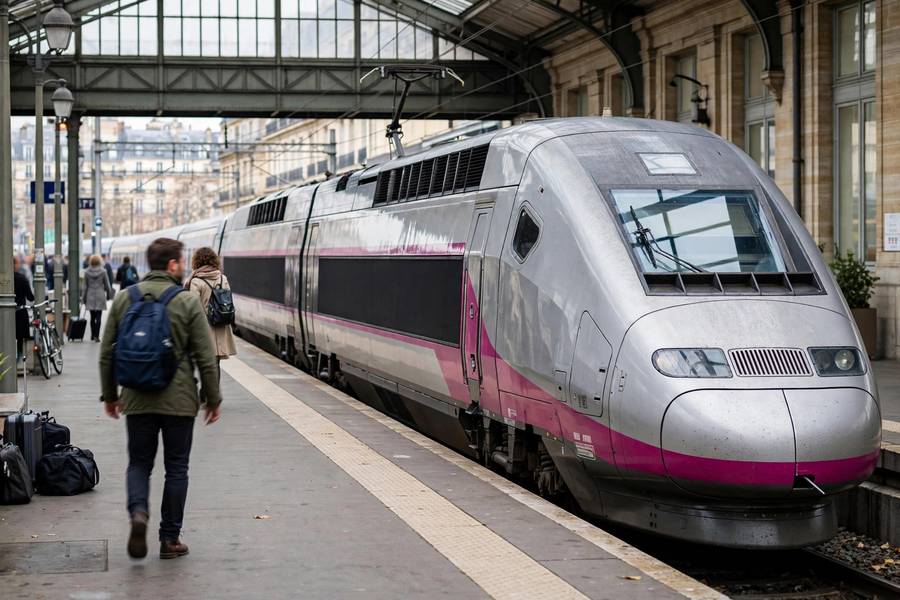
The mandatory list: all high-speed trains in France (TGV, Ouigo — the SNCF, the strict), Spain (AVE, Alvia — the Renfe, the strict), and Italy (Frecciarossa, Italo — the Trenitalia, the required); the Eurostar (London–Paris/Brussels/Amsterdam — the €30–38, the limited pass seats); and most night trains (the couchette/sleeper — the supplement, the mandatory). The rule: the faster the train, the more likely the reservation.
The optional-but-smart list: Germany’s ICE (the €5 — the reserved seat, the crowded Fridays, the worth-it), Austria’s Railjet (the €3 — the cheap, the easy), and the scenic trains (the Bernina, the Glacier Express — the supplement, the panoramic, the book-ahead). The optional (the walk-on, the fine — the off-peak, the empty).
The no-reservation list: most regional trains (the TER, the Regionalbahn, the stopping — the hop-on, the pass-only), the Swiss trains (the SBB — the open, the exception, the glorious), and the Benelux/German/Austrian locals (the turn-up, the sit-down). The strategy: the high-speeds (the reserved, the planned); the regionals (the flexible, the spontaneous).
Costs by Country: The Reservation Price Map
France (€10–35): the TGV (€10–20 — the domestic, the pass-holder fare), the Eurostar (€30–38 — the international, the quota), and the Ouigo (€10 — the budget, the limited). The France problem (the mandatory, the expensive, the limited seats — the pass’s hardest country). The booking (the SNCF Connect — the site, the early).
Spain (€10–35): the AVE (€10–25 — the domestic, the mandatory), the international (€25–35 — the France–Spain, the quota), and the Media Distancia (€0–10 — the regional, the easy). The Spain problem (the Renfe’s system — the clunky, the station booking, the workaround). The booking (the stations — the in-person, the reliable; thePetrabax — the agency, the fee).
Italy (€10–20): the Frecciarossa (€10 — the Trenitalia, the easy), the Italo (€10 — the private, the online), and the InterCity (€3 — the cheap, the optional). The Italy ease (the online, the simple, the pass’s friendliest high-speed country). The booking (the Trenitalia site — the English, the straightforward).
Germany/Austria/Switzerland (€0–5): the ICE (€5 — the optional, the recommended), the Railjet (€3 — the cheap), and the Swiss (€0 — the none, the beautiful). The Germanic ease (the walk-on, the freedom, the pass’s best region). The booking (the ÖBB/Bahn sites — the simple, the cheap).
Where to Book: The Official Channels
The Eurail reservation service (the official — the eurail.com, the $2/booking fee, the convenience): the pros (the one-stop, the English, the pass-integrated); the cons (the fee, the limited inventory, the slower). The verdict: the fine for the simple (the 2–3 reservations, the convenience); the expensive for the many (the 10+, the fees add up).
The railway sites (the better): SNCF Connect (France — the TGV, the Eurostar, the direct), Trenitalia (Italy — the Frecciarossa, the easy), ÖBB (Austria — the Railjet, the Nightjet, the excellent), Deutsche Bahn (Germany — the ICE, the simple), and Renfe (Spain — the clunky, the try). The pros: the no-fee (or lower), the full inventory, the direct. The cons: the language (the sometimes), the accounts (the required, the setup).
The stations (the reliable): the ticket counters (the any-station, the all-trains, the human), the machines (the quick, the major stations), and the timing (the day-before, the morning-of — the availability, the risk). The strategy: the complex (the stations, the human); the simple (the online, the quick). The Interrail/Eurail app (the information — the timetables, the reservation needs, the guide, not the booking).
When to Book: The Timing Strategy
The early (the summer, the popular): the Eurostar (the 3+ months — the quota, the sellout), the French TGVs (the 2–3 months — the summer, the limited), and the night trains (the 2–3 months — the sleepers, the scarce). The rule: the constrained (the quota trains — the early, the essential). how to plan a Europe trip
The normal (the shoulder, the routine): the 2–4 weeks (the TGVs, the AVEs, the comfortable), the 1 week (the Italian, the German, the easy), and the day-before (the stations, the walk-up, the flexible). The rule: the planned itinerary (the 2–4 weeks, the relaxed).
The late (the risk): the day-of (the stations, the remaining, the gamble), the onboard (the fine — the conductor, the surcharge, the some-trains), and the skipped (the regional alternative — the slower, the free, the backup). The rule: the flexible traveler (the late, the fine); the fixed (the early, the safe).
Avoiding Reservations: The Fee-Dodging Strategies
The regional alternative: the TER/Regionalbahn (the slower, the free, the scenic — the France/Germany, the 2× time, the 0 fee). The trade: the time (the high-speed 2 hours vs. the regional 4) for the money (the €20 saved, the per-leg). The verdict: the time-rich (the regional, the win); the time-poor (the reservation, the worth-it). when is the best time to book flights
The country routing: the Germany/Austria/Switzerland (the no-fee, the routing, the preference), the France/Spain (the minimized — the fewer high-speeds, the strategy), and the mix (the balance — the experience, the budget). The itinerary design (the reservations, the considered — the 10-leg trip’s €200, the planned).
The pass-day economics: the reservation (€15 average) vs. the travel day (the pass’s $40–60/day) — the reservation is the 25–30% surcharge (the real cost, the budgeted). The 10-day pass ($449) + the 10 reservations ($150) = the $600 real (the honest math, the planned). The Eurail guide has the full cost framework.
Night Trains and Special Cases
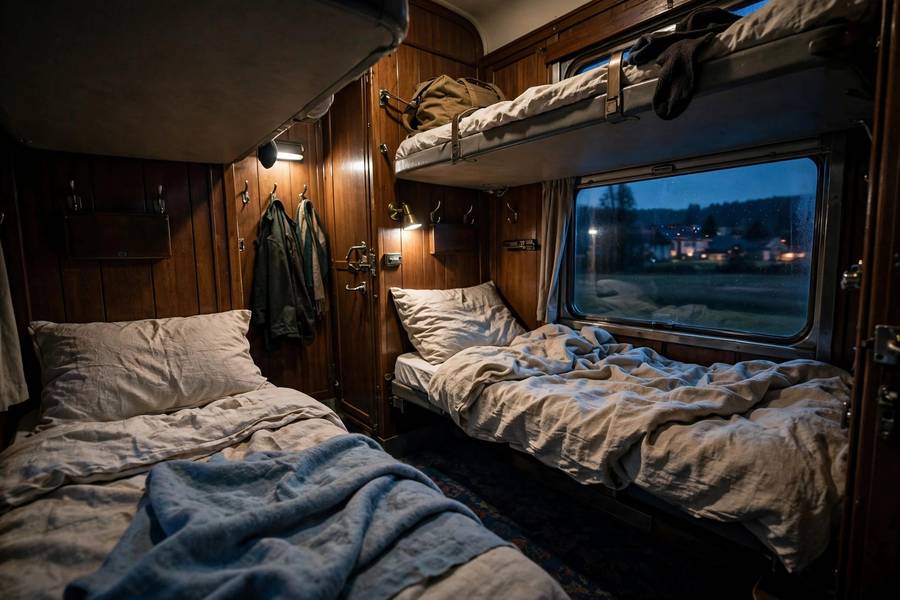
The Nightjet (the Austrian — the network, the best): the booking (the ÖBB, the 6-month, the early), the supplements (the seat €14, the couchette €34–64, the sleeper €89–149 — the pass + the supplement, the hotel saved), and the routes (the Vienna–Paris, the Zurich–Amsterdam, the Munich–Venice — the map, the growing). The strategy: the sleeper (the private, the splurge); the couchette (the shared, the value).
The Eurostar (the special): the quota (the limited pass seats — the sold-out, the early), the cost (€30–38 — the each-way, the budgeted), and the alternative (the ferry + the train — the slower, the cheaper, the adventure). The booking (the 3+ months, the essential, the summer).
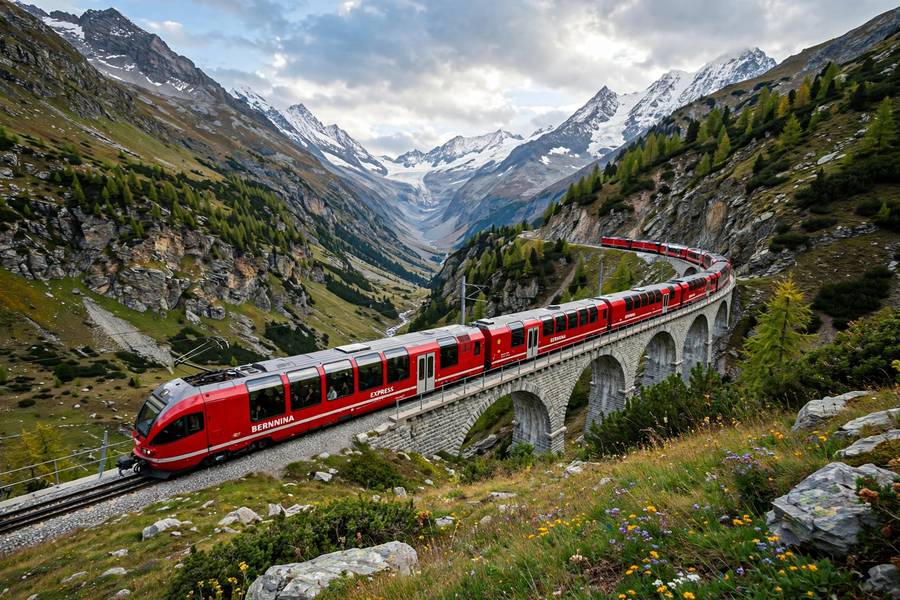
The scenic supplements: the Bernina Express (the €32–70 — the reservation + the surcharge, the panoramic, the worth-it), the Glacier Express (the €49+ — the experience, the booked), and the local alternative (the regular trains — the same route, the normal windows, the free). The tip: the regional trains (the Bernina route — the hourly, the openable windows, the photographer’s choice).
Troubleshooting: When Reservations Go Wrong
The sold-out (the quota): the alternative train (the later, the earlier, the available), the regional (the slower, the free, the backup), and the reroute (the different city, the flexibility, the pass’s gift). The prevention: the early booking (the quota trains, the 3-month, the rule).
The missed (the delay): the next train (the reservation — the forfeited, the rebooked; the flexible — the honored, the explained), the conductor (the honesty, the rebooking, the human), and the insurance (the travel — the missed connection, the covered). The rule: the buffer (the 30 minutes, the connections, the planned).
The strike (the France, the reality): the alternatives (the buses, the reroute, the patience), the refunds (the reservations — the refundable, the claimed), and the humor (the French, the shrug, the café). The 2026 note: the check (the news, the dates, the planned-around).
Book via the railway’s own site (SNCF Connect for France, Trenitalia for Italy, ÖBB for Austria — cheaper and fuller inventory than the Eurail service), the Eurail reservation service ($2/booking fee, convenient), or at station counters. Book quota-limited trains (Eurostar, summer TGVs, night trains) 2–3 months ahead.
Mandatory: French TGVs, Spanish AVEs, Italian high-speeds, Eurostar, and most night trains. Optional but smart: German ICE (€5), Austrian Railjet (€3). Not needed: regional trains, Swiss trains, and most German/Austrian locals — just hop on with the pass.
France: €10–35 (TGV €10–20, Eurostar €30–38). Spain: €10–35. Italy: €10–20. Germany/Austria: €3–5 (optional). Night trains: €14–149 supplement depending on comfort. Budget ~€15/leg average — a 10-leg trip adds ~€150 to the pass cost.
Yes — take regional trains (slower, no reservation needed), route through Germany/Austria/Switzerland (minimal fees), and minimize French/Spanish high-speed legs. The trade is time (regionals take ~2× longer). For time-rich travelers, the savings are real.
Eurostar and summer French TGVs: 3+ months ahead (limited pass-holder quotas sell out). Night trains: 2–3 months. Normal high-speeds: 2–4 weeks. Italian/German: 1 week or at stations. The pass itself can be bought 1–2 weeks before — invert the instinct (reservations first, pass second).