How to Write a Thank You Note: Formula, Examples & Etiquette


Here’s a small truth about modern life: almost nobody writes thank-you notes anymore, which is exactly why they work so well. A genuine, handwritten thank-you note — two or three sincere sentences — can make someone’s entire week. It stands out precisely because inboxes are full and mailboxes are empty. If you’ve been meaning to write one but keep getting stuck on what to say, this guide to how to write a thank you note will get you from blank page to sealed envelope in about ten minutes.
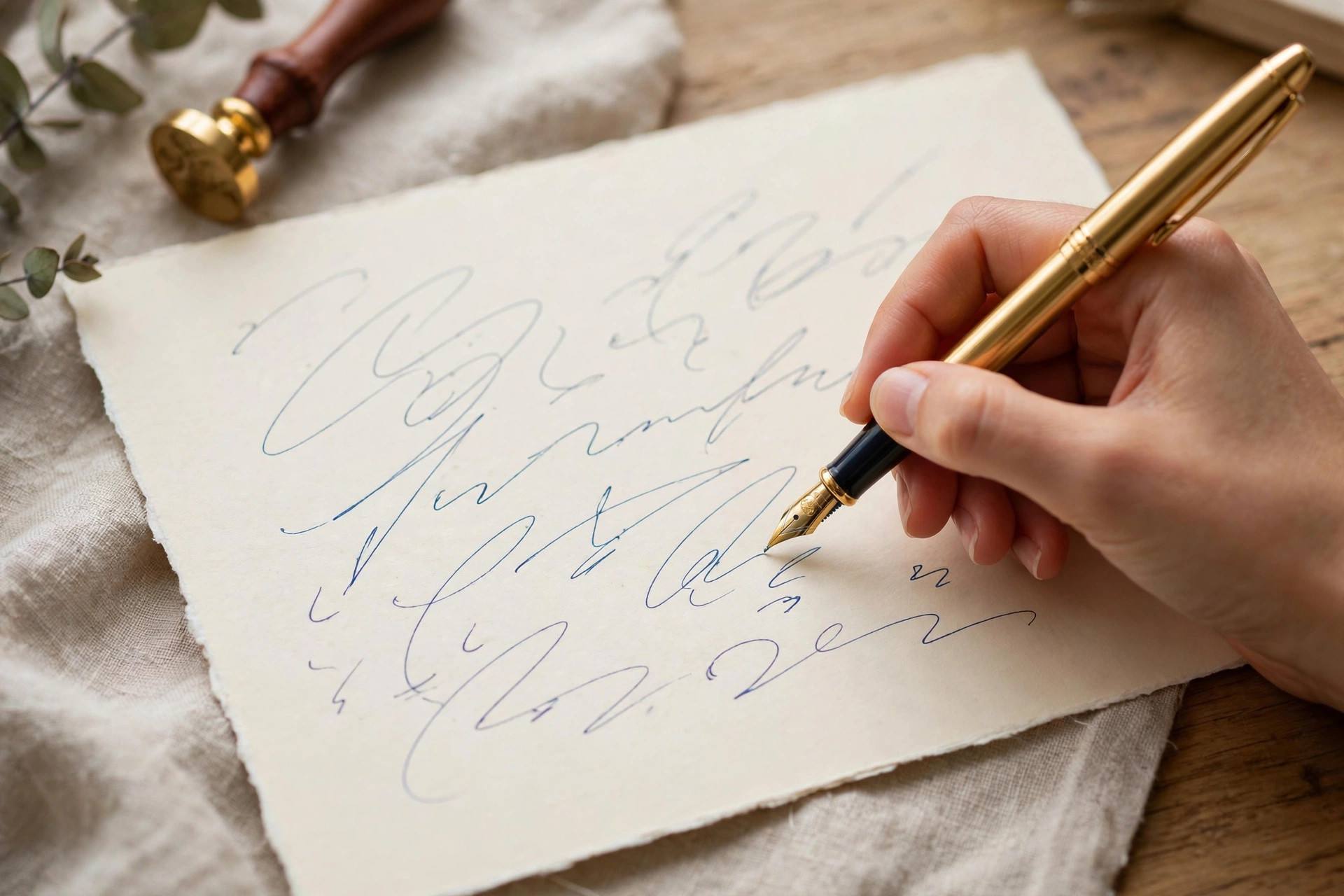
You don’t need fancy stationery or perfect prose. You need sincerity, specificity, and promptness. Let’s walk through the simple formula, examples for every situation, and the etiquette rules that still matter.
How to Write a Thank You Note: The Simple 4-Part Formula
Every good thank-you note has the same four parts. Memorize this and you’ll never stare at a blank card again:
1. Greet them warmly. “Dear Sarah,” or “Hi James,” — match the tone of your relationship. Formal for professional contacts, warm for friends and family.
2. Say thank you and name the specific thing. “Thank you so much for the beautiful ceramic vase.” Specificity is what separates a real note from a generic one — it proves you noticed and you care.
3. Say why it matters or how you’ll use it. “It’s already on our mantel, and it catches the afternoon light perfectly.” This is the sentence people remember. It turns a polite obligation into a genuine connection.
4. Close with warmth. “We’re so grateful to have you in our lives. Hope to see you soon!” Then sign your name.
That’s it — three to five sentences total. A thank-you note is not an essay. Brevity with sincerity beats length every time. If your handwriting is rusty, tips for improving your handwriting has practical tips for making your script legible and pleasant — it matters more than you’d think.
Thank You Note Examples for Every Situation
For a gift: “Dear Aunt Linda, Thank you so much for the cozy throw blanket — it’s exactly my style and I’ve already claimed it for movie nights. You always find the perfect gift. Love, Emma”
For a job interview: “Dear Mr. Chen, Thank you for taking the time to speak with me today about the marketing role. I especially enjoyed hearing about your team’s approach to customer research — it’s exactly the kind of work I want to do. I appreciate your consideration. Best regards, Alex”
For hospitality: “Dear Priya and Sam, Thank you for such a wonderful weekend. The hike on Saturday and your famous pancakes on Sunday were highlights we’ll talk about for a long time. We’re lucky to have friends like you. Warmly, Jess”
For wedding gifts: “Dear Tom and Rachel, Thank you for the gorgeous serving platter — and for celebrating with us on our wedding day. Having you there meant the world to us, and we’ll think of you every time we host dinner. All our love, Maya and Jordan” (Writing wedding thank-yous? writing your own wedding vows pairs nicely with the whole wedding stationery mindset.)
For sympathy or support: “Dear Mrs. Alvarez, Thank you for the delicious meals you brought over last week, and for simply being there. Your kindness during a difficult time meant more than I can say. With gratitude, Daniel”
Notice the pattern: specific item, personal detail, warm close. Copy the structure, not the words.
After a job interview: “Thank you for taking the time to speak with me today about the marketing coordinator role. I especially enjoyed hearing about the team’s upcoming rebrand project — it made me even more excited about the opportunity. I appreciate your consideration.” Send this one by email within 24 hours; speed matters more than stationery here.
To a neighbor who helped you out: “Thank you for grabbing our mail and keeping an eye on the house while we were away. It’s such a relief knowing we have a neighbor we can count on. Dinner’s on us next time!” Small kindnesses between neighbors are the glue of a good street — a note makes sure people keep doing them.
Handwritten vs. Email: When Each Is Right
Handwritten wins for: wedding and shower gifts, sympathy, personal favors, anything from older relatives, and any time you want maximum impact. A handwritten note signals effort, and effort signals that you genuinely care.
Email is fine for: job interviews (speed matters — send within 24 hours), quick professional thanks, and situations where you don’t have a mailing address. A prompt email beats a handwritten note that arrives three weeks late.
Text messages are okay for casual, immediate thanks (“Thanks for the ride!”) but they’re not a substitute for a real thank-you note for gifts or significant favors. Match the medium to the magnitude.
Thank You Note Etiquette: Timing and Rules
Timing: Send it within a week if you can; two weeks is still fine. For wedding gifts, tradition allows up to three months, but sooner is always better — don’t let them pile up into a dreaded mountain.
Who writes: The recipient of the gift writes the note. Couples can split the list. Kids old enough to write should write their own (with help) — it’s a lovely habit to build early.
What if you don’t like the gift? Thank them for the thought, not the item. “Thank you so much for thinking of me — it was so kind of you to send a gift.” Find one true, kind thing to say. Never mention returns, exchanges, or duplicates.
What about group gifts? Write one note to the group, or individual short notes if the group is small. A single thoughtful note beats five identical ones.
Do you need to thank someone for a thank-you note? No — that way lies infinite regress. A verbal “I loved your note” is plenty.
A word on wedding thank-you notes, since they generate the most anxiety: the old rule was one year, but please don’t take a year. Aim for within three months of the wedding (or of receiving the gift, if it arrived early). Guests who sent gifts before the wedding sometimes wonder if it arrived — a quick note within a few weeks puts them at ease. And yes, every gift gets its own note, even if you thanked them in person at the reception. The in-person thanks was lovely; the note is the record.
What to Do When You’re Terrible at Writing Them
Some people freeze at the blank card. If that’s you, try these tricks: write the note as if you’re telling a friend about the gift out loud, then copy down what you said. Keep a small stash of cards and stamps so there’s no friction. Batch them — sit down with tea and write five at once. And remember the bar: a short, sincere, slightly awkward note beats a perfect note you never send. Done is better than perfect, every single time.
One more secret: people keep good thank-you notes. They go in drawers, on fridges, in memory boxes. That ten minutes you spend is disproportionately powerful — few habits build goodwill faster, in friendships, family, or careers. The note-taking methods habit of capturing thoughts clearly helps here too: the better you notice details, the easier specific, memorable notes become.
The Tricky Ones: Sympathy, Belated, and Awkward Notes
Most thank-you notes are easy — someone did something nice, you say thanks. But a few situations make even confident writers freeze up. Here’s how to handle the ones people dread most.
Sympathy notes (thanking people after a loss): keep it short and don’t try to be profound. “Thank you for the beautiful flowers and for being there for our family. Your kindness meant more than you know.” That’s it. Grief makes long letters exhausting to write and to read. One sincere paragraph is perfect.
Belated notes: the longer you wait, the harder it feels — so most people never send one at all, which is the real mistake. A late note still counts, genuinely. Open by acknowledging the delay without groveling: “I’m so sorry this is late — please know your gift meant a lot.” Then write the note you would have written on time. Nobody has ever been upset to receive a late thank-you; they’re only upset when none comes.
The gift you genuinely dislike: this is where the formula earns its keep. Thank them for the thought and the effort, name something true (“I can tell you put thought into this”), and never lie about loving it. “Thank you so much for thinking of me — I really appreciate you taking the time to pick something out.” Honest, warm, and nobody’s feelings get hurt.
Group gifts (office collections, group cards): if you know who organized it, thank them by name and mention the group. If the contributors are listed, one note to the organizer mentioning everyone is fine — you don’t need to write twelve separate notes.
FAQ
How long should a thank you note be?
Three to five sentences is ideal. Greet them, name the specific gift or kindness, say why it matters or how you’ll use it, and close warmly. Sincerity beats length every time.
How soon should I send a thank you note?
Within a week is ideal; two weeks is still perfectly fine. For job interviews, send an email within 24 hours. For wedding gifts, aim for within a month or two rather than letting them pile up.
Is it okay to send a thank you note by email?
Yes, for professional situations like job interviews where speed matters. For personal gifts, sympathy, and wedding gifts, a handwritten note carries more weight and is worth the extra effort.
What do I write if I don’t like the gift?
Thank them for the thought and find one genuine, kind thing to say — never mention returns, exchanges, or duplicates. ‘Thank you so much for thinking of me’ is always safe and sincere.
Do both partners need to sign a wedding thank you note?
One thoughtful note signed by both of you is standard and perfectly proper. Couples typically split the list to get through them faster.
What do you write in a thank you note for cash or a check?
Name the amount only if it feels natural — most people don’t, and that’s fine. Focus on what you’ll do with it: ‘Thank you so much for the generous gift. We’re putting it toward our honeymoon fund, and we can’t wait to send you a photo from the beach.’ Mentioning the plan makes the giver feel part of something, which is the whole point of giving money in the first place.