What Is the Difference Between a Pond and a Lake?

Stand at the edge of a small body of water and a deceptively simple question arises: is this a pond or a lake? Most of us use the words interchangeably, and honestly, nature does not draw a sharp line either. But if you are curious about what is the difference between a pond and a lake, scientists, limnologists, and even lawmakers have all taken a crack at defining it. The answer involves sunlight, depth, temperature layers, and a healthy dose of historical naming chaos. Let us sort it out properly.
The Short Answer: Light Reaches the Bottom
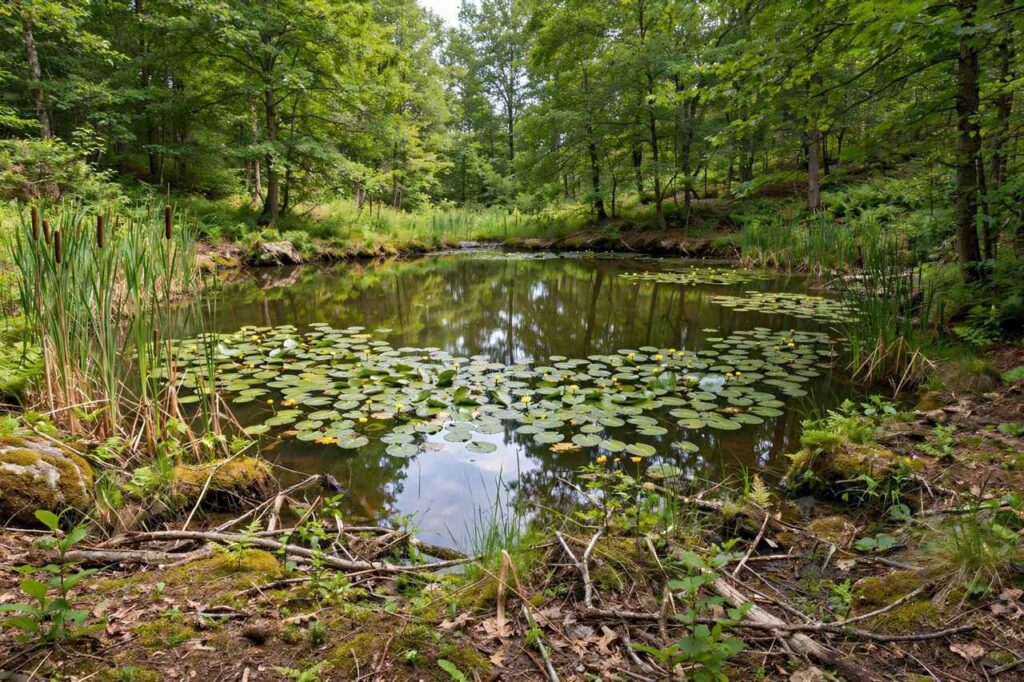
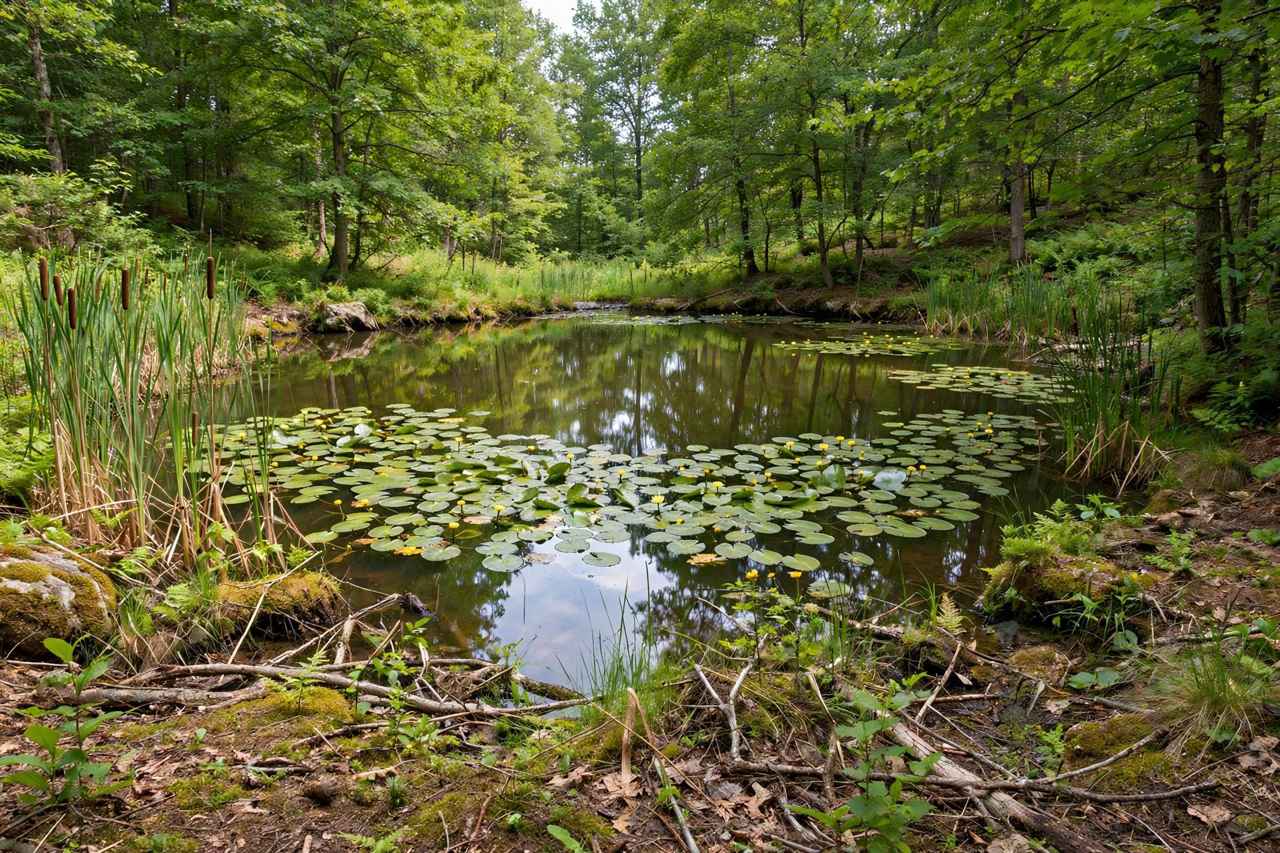
The most widely used scientific distinction is elegantly simple: in a pond, sunlight reaches the bottom across the entire basin, allowing rooted plants to grow everywhere. In a lake, there are deep zones where light cannot penetrate, creating a dark bottom region without rooted vegetation. This is why ponds tend to be shallow — usually just a few meters deep — while lakes can plunge to hundreds of meters. The light rule explains the ecology too: a fully sunlit bottom means plants, and plants mean a particular food web of insects, amphibians, and small fish. It is not about surface area at all, which surprises most people.
Size Is a Terrible Guide (But Everyone Uses It)
If you were hoping for a clean cutoff — say, everything over ten acres is a lake — prepare for disappointment. There is no universally accepted size threshold, and naming is gloriously inconsistent. Some celebrated “lakes” are smaller than many “ponds.” In practice, official definitions vary by jurisdiction: some regions define lakes and ponds by surface area for regulatory purposes, but the numbers differ from place to place. The folk rule of thumb — big equals lake, small equals pond — works often enough that people keep using it, but limnologists will gently tell you it is not science. When in doubt, depth and light penetration are the meaningful measures.
Temperature Layers: The Hidden Difference
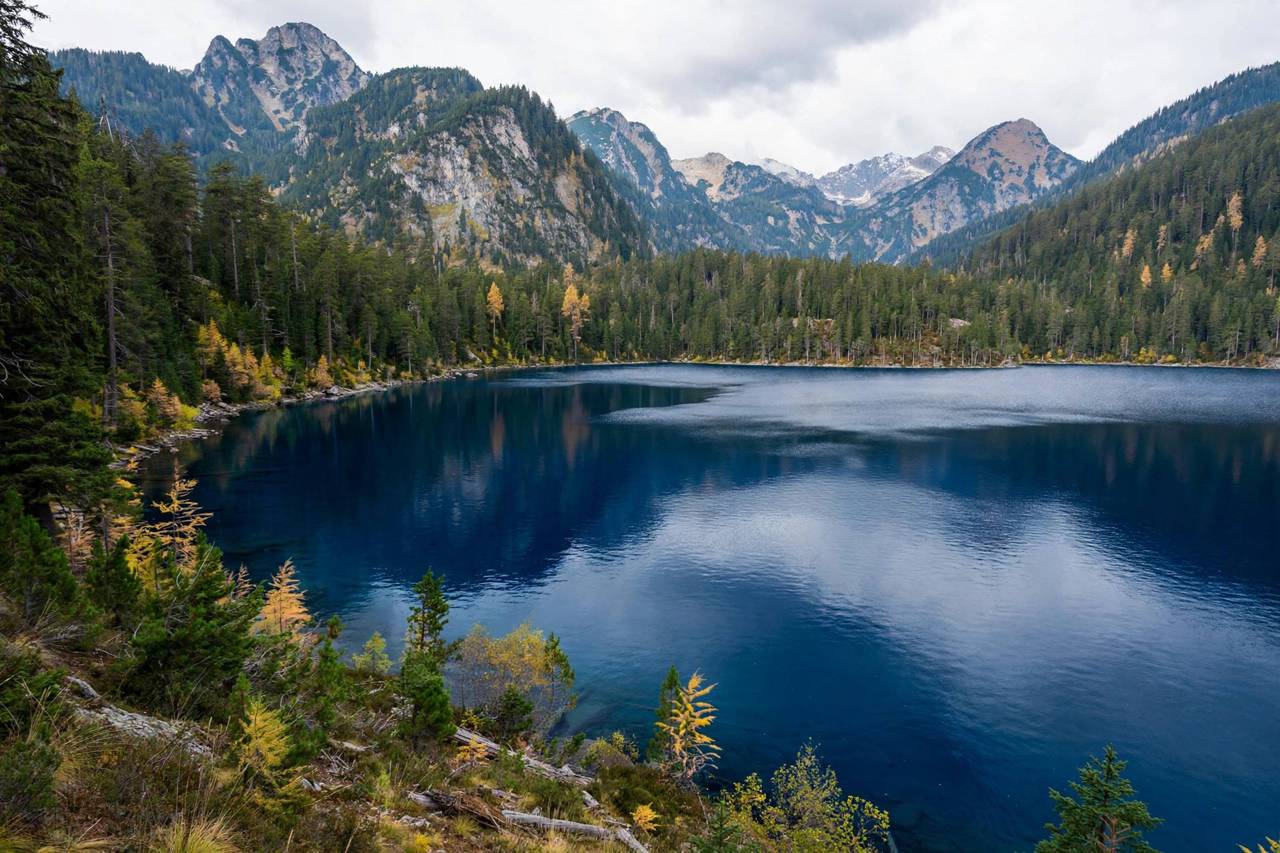
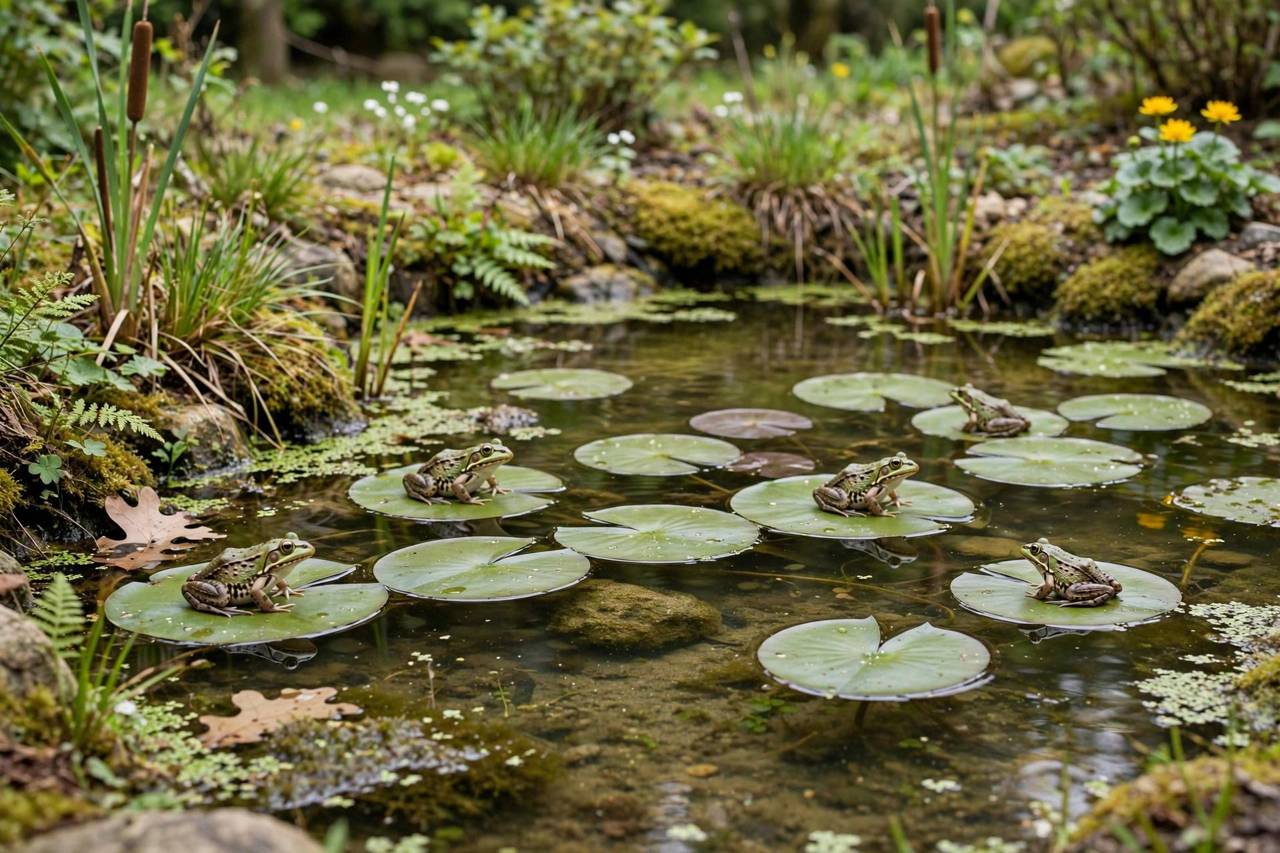
Here is where lakes get genuinely interesting. Deep lakes stratify in summer: the sun warms the surface into a distinct warm layer, while the depths stay cold, with a transition zone between them. These layers barely mix until autumn cooling breaks the pattern down. Ponds, being shallow, mix top to bottom regularly — wind alone can turn the whole water column over. This stratification shapes everything: oxygen levels, nutrient cycling, and which organisms live where. A lake’s cold deep zone can harbor species that need chilly, stable water year-round, while a pond’s uniform warmth favors frogs, newts, and teeming insect life. Same water, very different worlds.
Depth, Waves, and Shoreline
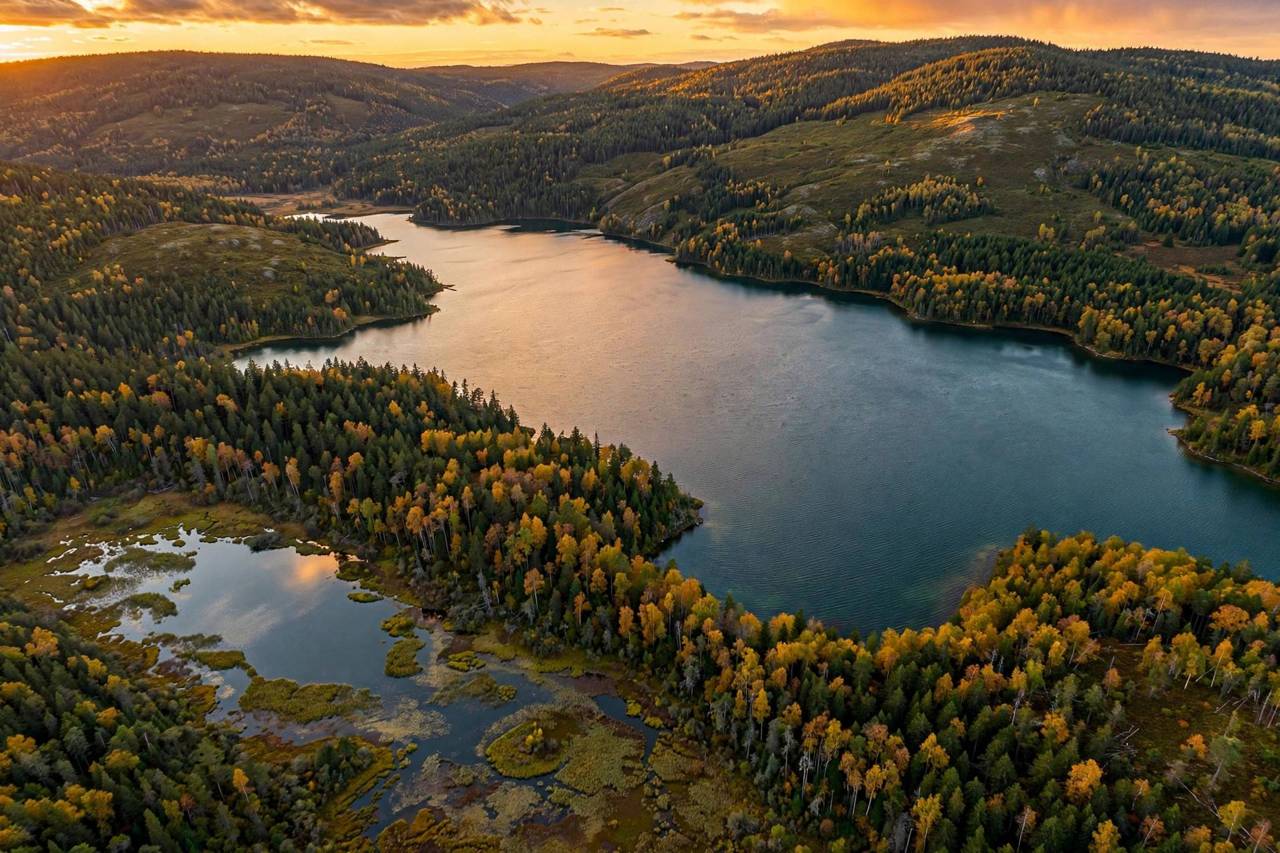
Depth drives several visible differences. Lakes are deep enough to develop real wave action, which erodes shorelines and prevents plants from rooting in the wave zone — hence the classic sandy or rocky lake beach. Ponds are typically calm enough for vegetation to ring the entire margin, giving them that lush, enclosed feeling. Lakes also respond more slowly to weather: a big lake’s temperature barely notices a cold snap, while a shallow pond can warm or cool dramatically in a day. This thermal inertia is why lakes moderate local climate slightly and why pond life must tolerate rapid change. If the water has a beach with waves lapping it, you are almost certainly looking at a lake.
Wildlife: Who Lives Where
The ecological communities differ in character. Ponds are amphibian paradises — frogs, toads, salamanders, and newts breed in shallow, warm, predator-light water, which is why a garden pond can host a frog chorus within a season or two. They also team with dragonflies, diving beetles, and other insects. Lakes support bigger fish communities, including deep-water species, and attract different birds: loons, grebes, and diving ducks that need open water. That said, the boundary blurs constantly — herons fish happily in both, and many organisms do not read the definitions. Think of pond and lake as ends of a spectrum with a busy middle, not two sealed boxes.
How They Form and How They Age
Lakes often have dramatic origins: glaciers gouging basins, tectonic rifts, volcanic craters, or rivers dammed by landslides. Ponds form more modestly — a dip in a floodplain, a beaver dam, a dug-out farm pond, a kettle hole left by a melted ice chunk. And here is a lovely fact: ponds are often temporary on geological timescales. Without intervention, a pond slowly fills with sediment and vegetation, becoming a marsh, then a meadow — a process called succession. Lakes do this too, but so slowly that it takes millennia rather than decades. Every pond is, in a sense, a lake in training or a meadow in waiting.
Why the Names Are So Messy
Part of the confusion is historical. Bodies of water were named by settlers, surveyors, and local tradition long before limnology existed, and names stuck regardless of scientific fit. Marketing plays a role too — “lake” sounds grander on real estate listings than “pond,” so plenty of modest waters got upgraded. Legal definitions add another layer: what counts as a lake for fishing regulations or environmental protection depends on the statute, not the science. So when someone confidently declares a cutoff, they are usually citing one specific authority. The honest scientific answer remains delightfully fuzzy: it is mostly about depth, light, and stratification, and the line is a gradient.
The Practical Takeaway
For everyday purposes, here is a working field guide. If sunlight reaches the bottom everywhere, plants root across the whole basin, and the water mixes fully and often — call it a pond. If it has deep, dark zones, stratifies in summer, and develops waves — call it a lake. When it is ambiguous, congratulations: you have found the interesting middle of the spectrum, and the local name is as good an answer as any. Understanding what is the difference between a pond and a lake will not change what you call the water by your house, but it will change how you see it — as a living system shaped by light, depth, and time.
What Is the Difference Between a Pond and a Lake? At a Glance
For quick reference, here is the comparison side by side. Light: a pond’s bottom is fully sunlit, so rooted plants grow everywhere; a lake has dark deep zones with no rooted vegetation. Depth: ponds are typically a few meters deep at most; lakes can reach hundreds of meters. Temperature: ponds mix top to bottom regularly; lakes stratify into warm surface and cold deep layers in summer. Waves: ponds are calm and fully vegetated at the margins; lakes develop wave action and beaches. Response to weather: ponds warm and cool quickly; lakes change temperature slowly. Wildlife: ponds favor amphibians and insects; lakes support larger fish and open-water birds. Lifespan: ponds fill in over decades to centuries; lakes persist for millennia. Size, notably, appears nowhere in this list — it is the least reliable indicator of all.
Famous Ponds and Lakes That Break the Rules
Reality loves exceptions. Walden Pond in Massachusetts — Thoreau’s famous retreat — is over 30 meters deep, deeper than many lakes, yet keeps its historic name. The Great Salt Lake is called a lake but behaves in some ways like an extreme pond ecosystem. England is full of “meres” and “broads” that limnologists would classify either way. Some officially named lakes are small enough to throw a stone across, while some “ponds” on old maps sprawl impressively. These quirks are not errors to correct; they are reminders that the words are human labels applied long before the science. When a name and the definition disagree, enjoy the contradiction — it usually comes with a good story.
Thinking of Building a Backyard Pond? Start Here
Understanding ponds naturally leads to wanting one, and a small garden pond is one of the most rewarding weekend projects available. Start small — even a half-barrel pond hosts wildlife. Choose a spot with partial shade (full sun breeds algae), dig to varied depths with shallow shelves for plants, and line it properly. Add native oxygenating plants first; they keep water clear far better than chemicals. Resist the urge to add fish immediately — a wildlife pond without fish supports far more frogs, newts, and insects, since fish eat amphibian eggs. Be patient: a new pond looks bare for a season, then nature moves in with startling speed. Within a year you may have dragonflies patrolling, frogs chorusing, and birds bathing — a living demonstration of everything that makes pond ecology special, right outside your door.
Pond Conservation: Why Small Waters Matter
Ponds may be small, but ecologists increasingly recognize them as biodiversity powerhouses. A network of garden ponds can support more amphibian species than a single large lake, because each pond offers slightly different conditions. Yet ponds are disappearing — filled for development, polluted by runoff, or simply neglected into marsh. The losses are quiet but significant: amphibian populations, already declining globally, depend on these small waters for breeding. Conservationists now map and protect pond networks rather than individual sites. What can you do? If you have land, dig a pond. Avoid pesticides near water. Support local wetland protections. And teach children to value the frog chorus — the next generation of pond defenders is currently catching tadpoles in jars, exactly as it should be.
Frequently Asked Questions
What is the main difference between a pond and a lake?
The key scientific distinction is that sunlight reaches the bottom of a pond across its entire area, allowing rooted plants everywhere, while lakes have deep zones where light cannot penetrate. Lakes also stratify into temperature layers; ponds mix fully.
Is there an official size that separates ponds from lakes?
No universal standard exists. Some jurisdictions set size thresholds for legal purposes, but they vary. Scientists rely on depth, light penetration, and stratification rather than surface area.
Can a pond become a lake?
Not typically — the usual direction is the reverse. Ponds gradually fill with sediment and vegetation through succession, becoming marshes and eventually meadows. Lakes undergo the same process but over vastly longer timescales.
Why are some small bodies of water called lakes?
Historical naming, local tradition, and sometimes marketing. Names were assigned long before scientific definitions existed, and “lake” sounds more impressive than “pond” on maps and property listings.
Do ponds and lakes have different wildlife?
Generally, yes. Ponds favor amphibians, insects, and shallow-water plants, while lakes support larger fish communities and open-water birds. Many species, though, happily use both.