How to Remove Stains From Clothes: The Ultimate Guide

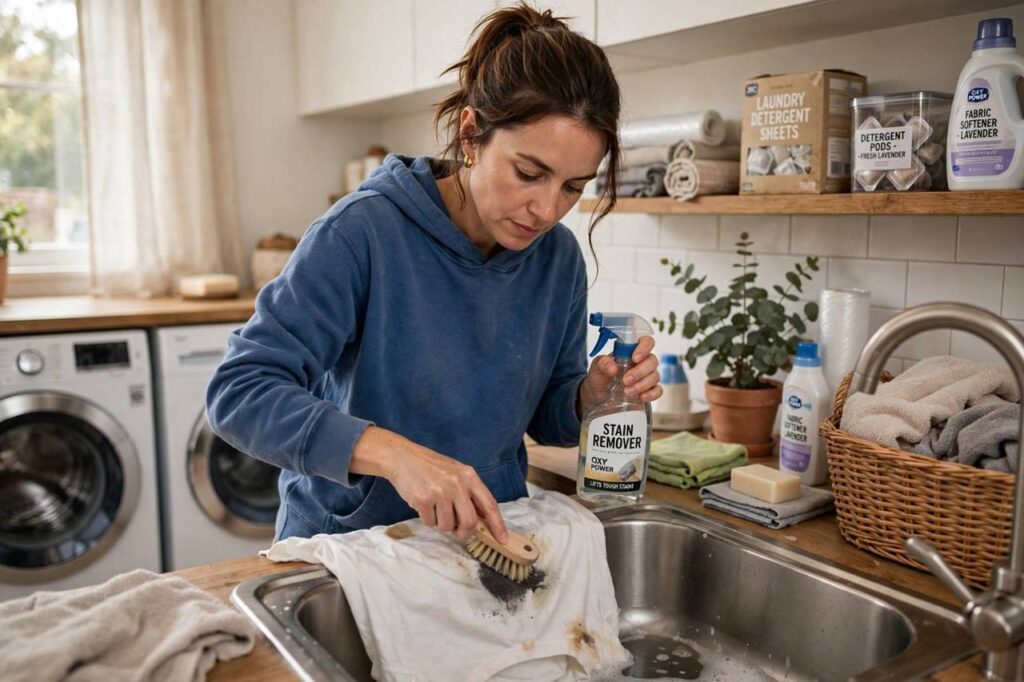
There is a special kind of heartbreak in watching coffee bloom across a white shirt thirty minutes before an important meeting. But here is what I want you to know: most stains are not death sentences. They are chemistry problems, and chemistry problems have solutions. Whether it is grease, wine, ink, or mystery smudges, learning how to remove stains from clothes is one of those quietly life-changing skills. This guide covers the universal rules plus step-by-step fixes for the most common culprits.
The Golden Rules of Stain Removal
Before we tackle specific stains, these universal rules will save more clothes than any single technique:
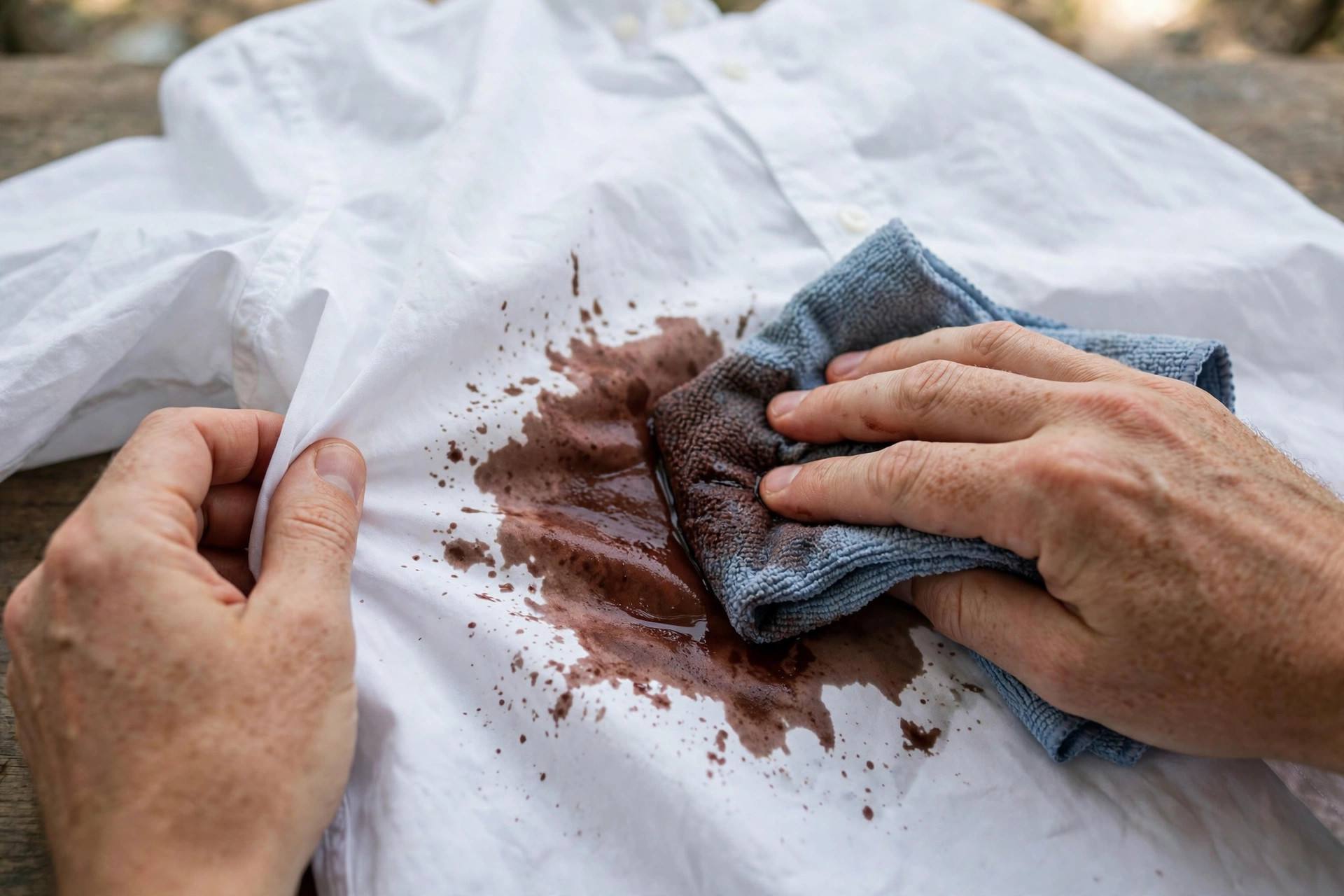
Act fast. Fresh stains are dramatically easier to remove than set ones. Blot (never rub) immediately with a clean cloth. Rubbing spreads the stain and pushes it deeper into fibers.
Cold water first. For most stains, especially protein-based ones like blood, egg, and dairy, cold water is your friend. Hot water cooks proteins into the fabric, setting the stain permanently. When in doubt, start cold.
Blot, don’t rub. Worth repeating because it is the most violated rule. Press straight down, lift, repeat with a clean section of cloth. Work from the outside of the stain inward to avoid spreading it.
Test first. Always test any cleaner on a hidden spot, an inside seam or hem, before applying it to the visible stain. Delicate fabrics and bright colors can react badly.
Never put a stained item in the dryer. Heat sets stains permanently. If the stain is not fully gone after washing, air dry and treat again. The dryer is the point of no return.
How to Remove Stains From Clothes: Food and Drink
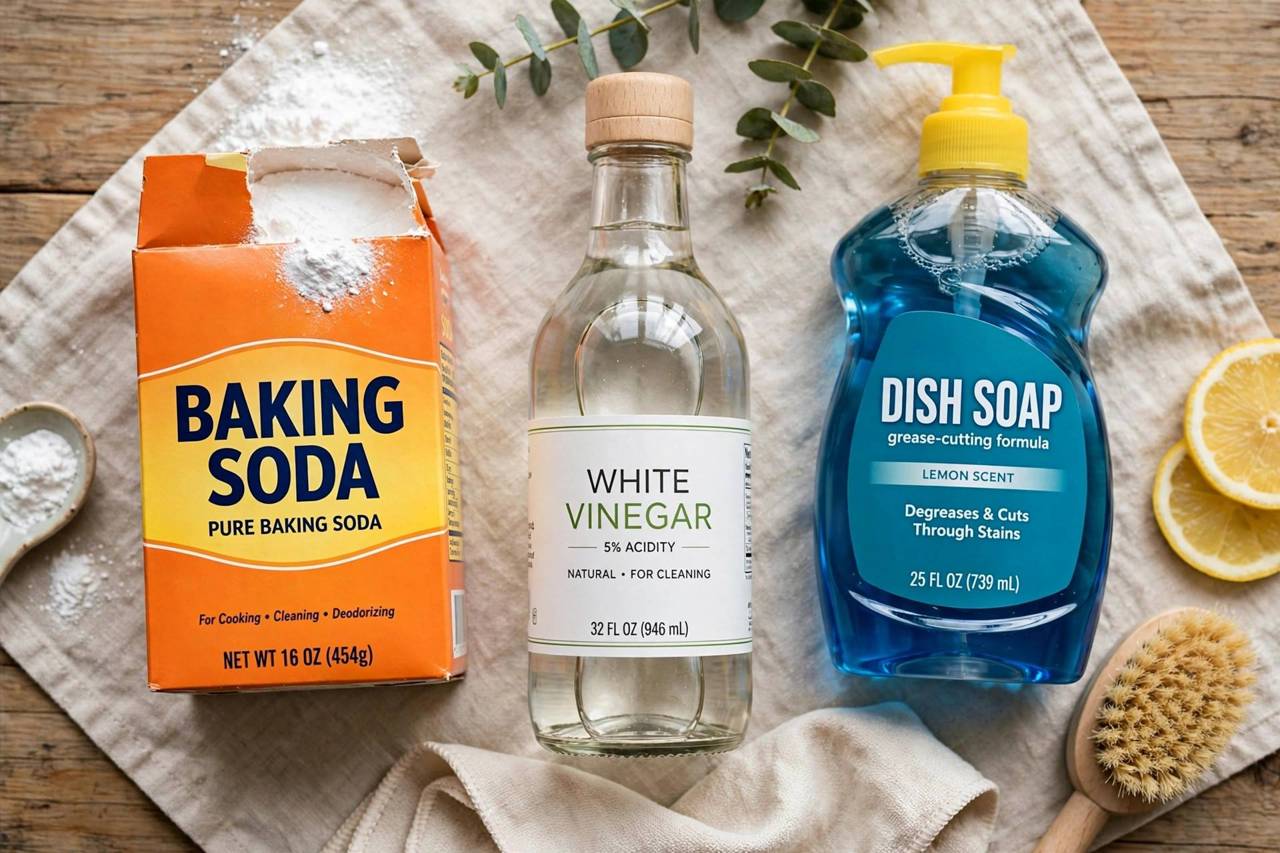
Coffee and tea. Blot immediately, then flush with cold water from the back of the fabric. Apply liquid dish soap or a paste of baking soda and water, let sit 15 minutes, then wash in the warmest water safe for the fabric.
Red wine. Blot, then cover generously with salt or baking soda to draw out the wine. After 15 minutes, flush with cold water and wash. White wine or club soda as an immediate field treatment genuinely helps by diluting the pigment.
Grease and oil. Scrape off excess, then cover with dish soap (it is designed to cut grease), baking soda, or cornstarch to absorb the oil. Let sit 15-30 minutes, then wash in the hottest water the fabric allows. Hot water is the exception here: it helps dissolve grease.
Tomato sauce. Scrape off solids, flush cold water through the back, then apply dish soap or white vinegar. Avoid hot water until the stain is gone; heat sets tomato’s pigments.
Chocolate. Let it harden and scrape off the excess first (chilling helps). Then treat like grease: dish soap, cold-to-warm water, patience.
Blood, Sweat, and Bodily Stains
Blood. Cold water only, always. Soak fresh blood in cold salt water for 30 minutes, then wash. For dried blood, soak longer and apply hydrogen peroxide (3%) directly, watching it fizz the stain out. Test on colors first, as peroxide can lighten some dyes.
Sweat and deodorant. Those yellow underarm stains are a reaction between sweat proteins and aluminum in antiperspirant. Make a paste of baking soda and water, or use white vinegar, apply for 30 minutes before washing. Switching to aluminum-free deodorant prevents recurrence.
Makeup and foundation. Apply dish soap or micellar water to break down the oils, gently work in, then wash. For lipstick, dab with rubbing alcohol before washing.
Ink, Grass, and Tough Customers
Ballpoint ink. Place the stain face-down on a clean cloth and dab rubbing alcohol through the back, pushing ink out onto the cloth beneath. Replace the cloth as it absorbs ink. Then wash normally. Hairspray used to work when it contained alcohol; modern formulas often do not, so use actual rubbing alcohol.
Grass stains. Pre-treat with white vinegar or dish soap for 30 minutes. Grass stains are dye-based, so they need the pre-treatment time. Then wash in the warmest safe water.
Rust. Never use bleach on rust; it sets it permanently. Apply lemon juice and salt, let sit in sunlight if possible, then wash. Commercial rust removers work well for stubborn cases.
Set-in old stains. For stains that survived the dryer, all is not lost. Soak in oxygen-based bleach (like OxiClean) for several hours or overnight, then wash. Repeat as needed. Patience beats aggression with old stains.
Stain Removal by Fabric Type
Cotton and linen. The most forgiving. Handle most treatments and warm water well. Still test colors first.
Polyester and synthetics. Resist water-based stains but grab oil-based ones fiercely. Dish soap is your best friend; avoid high heat, which can melt fibers.
Wool and silk. Handle gently. Use cool water, mild detergent, minimal rubbing. For valuable pieces, professional dry cleaning is worth it. Never use bleach or harsh chemicals.
Denim. Wash inside out in cold water to protect dye. Treat stains promptly but gently to avoid fading patches.
When a garment survives stain treatment and looks great again, it is worth protecting your wardrobe investment. Our capsule wardrobe guide helps you build a closet of pieces worth caring for.
Your Stain-Fighting Toolkit
You do not need a cabinet of specialty products. Stock these basics and you can handle 95 percent of stains: liquid dish soap, baking soda, white vinegar, hydrogen peroxide (3%), rubbing alcohol, an old soft toothbrush for working in treatments, and clean white cloths. Add oxygen-based bleach for laundry-day boosting.
Keep a small stain kit where you need it: dish soap and a cloth in the kitchen, a stain pen in your bag or desk. The faster you treat, the less you will need the heavy artillery later.
Stains You Should Not DIY
Know your limits. Take it to a professional for: dry-clean-only garments with significant stains, large or delicate items like wedding dresses and suits, stains on leather or suede (home treatments often make these worse), and anything of high monetary or sentimental value where a mistake would be devastating. A $15 dry cleaning bill beats a ruined $300 blazer.
Your Emergency Stain Kit: Travel, Work, and Dining Out
Since speed matters so much, the prepared stay unstained. Build a tiny kit and keep it where stains find you.
The desk drawer kit: a stain remover pen, a few individually wrapped wet wipes, and a small microfiber cloth. The pen handles fresh food and coffee spots well enough to get you through the workday; the real treatment happens at home.
The travel kit: a travel-size stain remover, a zip bag with a tablespoon of baking soda, and a collapsible clothesline is overkill, but the first two are not. Hotel sinks have saved countless shirts with nothing but cold water, dish soap from the bathroom, and prompt action.
The dining-out playbook: when disaster strikes at a restaurant, excuse yourself promptly and blot with a damp cloth or napkin. Cold water from the restroom sink on a fresh stain does more than any product applied an hour later. Ask for club soda if available; its slight acidity and carbonation help lift fresh food and wine stains. Never use hot water from the tap on a protein stain, and never rub with a paper napkin, which can shred and embed fibers.
Stain Prevention: The Habits That Save Clothes
The best stain treatment is the one you never need. A few habits dramatically reduce incidents. Apron up: cooking without an apron is optimism, not skill. Napkin placement: tuck it properly when eating anything ambitious; pride is washable, silk is not. Pre-treat collars and cuffs monthly with a dab of dish soap before washing; ring-around-the-collar is a slow-motion stain. Separate laundry thoughtfully: wash new dark jeans separately the first few times, and never wash a stained item with clean clothes, dye transfer creates new stains. Address spills on furniture and carpets immediately too, since textile stains migrate to whatever they touch.
None of this requires perfection, just a bias toward quick action. Stains reward the prompt and punish the procrastinator. Be the person who excuses themselves to the restroom with a damp cloth, and your favorite clothes will thank you for years.
A final encouragement: every stain you successfully remove builds a small, satisfying expertise. Keep notes on what worked for tricky stains, your future self will appreciate the reference. And remember the hierarchy of stain wisdom: prevent what you can, treat fast what you cannot prevent, never trust the dryer with an unresolved stain, and call a professional when the garment matters more than the adventure of DIY.
Key Takeaways
To remove stains from clothes: act fast, blot never rub, start with cold water (except grease, which likes heat), test cleaners on hidden spots, and never machine-dry until the stain is fully gone. Match the treatment to the stain: dish soap for grease, salt for wine, cold soak for blood, rubbing alcohol for ink, oxygen bleach for set-in stains. Adjust for fabric type, keep a basic toolkit stocked, and send valuable or delicate items to professionals. Most stains are solvable; panic is the only thing that makes them permanent.
FAQ
What is the best way to remove stains from clothes?
Act quickly: blot (don’t rub) the excess, treat with cold water and the appropriate cleaner for the stain type (dish soap for grease, salt for wine, rubbing alcohol for ink), then wash. Never put stained clothes in the dryer until the stain is gone.
How do you get old set-in stains out?
Soak in oxygen-based bleach for several hours or overnight, then wash. Repeat treatments patiently. Old stains are harder but often still removable with persistence.
Does hot or cold water remove stains better?
Cold water for most stains, especially protein-based ones like blood and dairy, since heat sets them. Hot water helps only with grease and oil stains, where heat dissolves the oils.
Can you remove a stain after it has been through the dryer?
Sometimes. Dryer heat sets stains, making them much harder, but oxygen bleach soaks can still work on many. Success depends on the stain type and fabric.
What stains are impossible to remove?
Bleach spots (which remove dye rather than adding stain), some rust on delicate fabrics, and very old set-in stains on synthetics can be permanent. When in doubt, consult a professional cleaner before attempting aggressive treatments.