What Is a Gag Order? How Court Gag Orders Really Work


When a high-profile trial dominates the headlines, you will often hear that the judge has issued a gag order — and then watch the lawyers suddenly go quiet. But what is a gag order, exactly? Who can it silence, and what happens to those who defy it? The answers reveal a constant tug-of-war between fair trials and free speech.
What Is a Gag Order? The Definition
A gag order is a court order that prohibits specified people from publicly discussing a case — its evidence, witnesses, or participants. Judges issue them to protect the integrity of legal proceedings: to keep pretrial publicity from poisoning the jury pool, to shield witnesses from intimidation, or to prevent trial-by-media from overwhelming the actual trial.
A gag order is not a suggestion. It carries the force of law, and violating one can mean fines or jail for contempt of court. It is one of the few tools judges have to control the information environment around a case.
Who Can a Gag Order Silence?
Gag orders most commonly target the people directly involved in the case:
The parties. Defendants and plaintiffs can be barred from commenting publicly — a frequent feature of politically charged prosecutions.
The attorneys. Lawyers are routinely ordered not to make extrajudicial statements that could prejudice proceedings. Prosecutors and defense counsel alike can be gagged.
Witnesses. Potential witnesses may be prohibited from discussing their testimony to prevent coordination or contamination of evidence.
Court staff and jurors. Jurors are almost always instructed not to discuss the case, and violating that instruction can trigger a mistrial.
The press — with major limits. This is the constitutional flashpoint. Directly gagging journalists from reporting on a case faces an extremely high First Amendment bar, and courts rarely sustain it. Judges more often restrict the participants and let the press report on whatever it can lawfully learn.
Why Do Judges Issue Gag Orders?
The core justification is the defendant’s right to a fair trial. In a saturated media environment, wall-to-wall coverage can make it nearly impossible to seat an impartial jury — potential jurors arrive with fixed opinions formed from commentary rather than evidence. Gag orders try to dam that flood at its source: the people closest to the case.
They are also used to protect witnesses from harassment, to safeguard the privacy of victims (especially minors), and to prevent the release of sensitive evidence — like sealed documents or national security material — before it is properly handled in court.
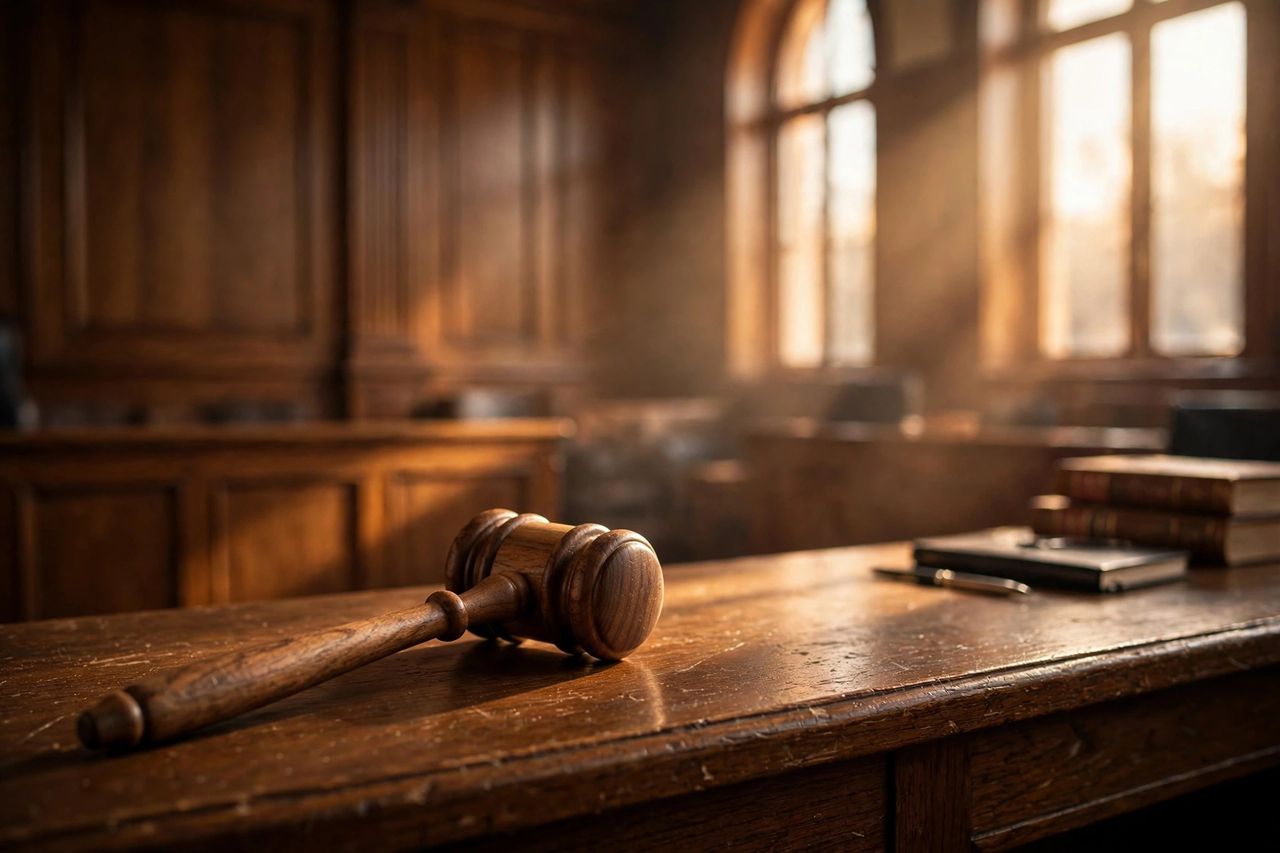
Famous Gag Order Cases
The Trump hush-money trial (2024). The judge imposed a gag order barring the former president from publicly commenting on witnesses, jurors, and court staff. When violations were found, the judge imposed fines — and explicitly warned that continued defiance could bring jail time. The case became a national civics lesson in how gag orders work.
Sam Bankman-Fried (2023). Ahead of the FTX founder’s fraud trial, the judge issued a gag order after prosecutors accused him of attempting to influence witnesses through media contacts. His bail was later revoked over related concerns.
The Trump federal election case. A separate gag order in the Washington, D.C. prosecution restricted statements targeting witnesses and court personnel, surviving appellate review in narrowed form — illustrating how courts balance speech rights against trial integrity.
O.J. Simpson trial (1995). While a formal gag order on the press was not the centerpiece, the court imposed strict controls on attorney statements and sealed proceedings at points, in what remains the archetypal media-saturated trial.
Gag Order vs. NDA vs. Protective Order
These get confused constantly. A gag order comes from a judge in a legal proceeding and is backed by contempt power. An NDA (non-disclosure agreement) is a private contract between parties — breaching it means a civil lawsuit, not jail. A protective order limits the disclosure of specific materials (like trade secrets or personal data) exchanged during litigation. Only the gag order is a direct command of the court.
What Happens If You Violate a Gag Order?
Violations are punished as contempt of court. Judges have wide discretion: fines (which can escalate with each violation), and in serious or repeated cases, jail time. High-profile defendants have learned that testing a gag order is an expensive experiment — courts treat defiance as a challenge to their authority, and they respond accordingly.
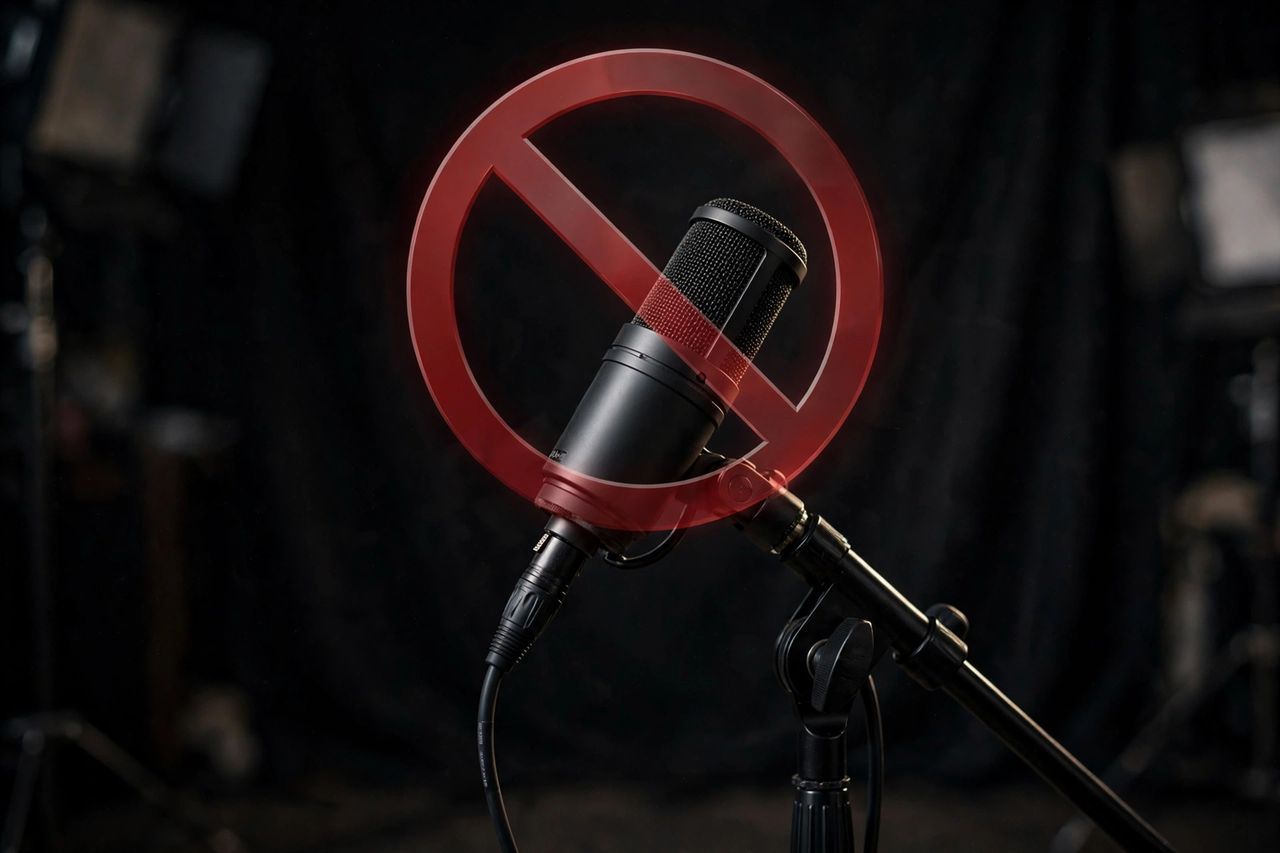
Can a Gag Order Silence the Media?
This is where the First Amendment pushes back hardest. The Supreme Court has treated orders prohibiting the press from publishing truthful information as prior restraint — the most disfavored form of speech restriction in American law, dating to Near v. Minnesota (1931). Such orders are presumed unconstitutional and survive only in extraordinary circumstances.
That is why modern gag orders aim at trial participants rather than journalists. The press remains free to report, but with the lawyers, parties, and witnesses silenced, there is far less sensational material to report. It is an indirect leash, and courts consider it the constitutionally safer one.
Are Gag Orders Permanent?
Rarely. Most gag orders are tied to the proceeding — they lift when the trial ends, when a jury is seated, or when the judge determines the risk has passed. Parties can also challenge them on appeal, arguing they are overbroad or no longer justified. Like most court orders, they last as long as their justification does.
What Is a Gag Order vs. a Restraining Order?
Another common confusion: a gag order restricts speech about a case, while a restraining order (or protective order in the domestic context) restricts conduct toward a person — stay away, do not contact, do not come within a certain distance. A domestic-violence protective order might incidentally limit what someone says to the victim, but its purpose is physical safety, not trial publicity. The two can coexist — a defendant might face both a restraining order keeping them from a victim and a gag order keeping them from discussing the case publicly — but they come from different legal logics and are violated in different ways.
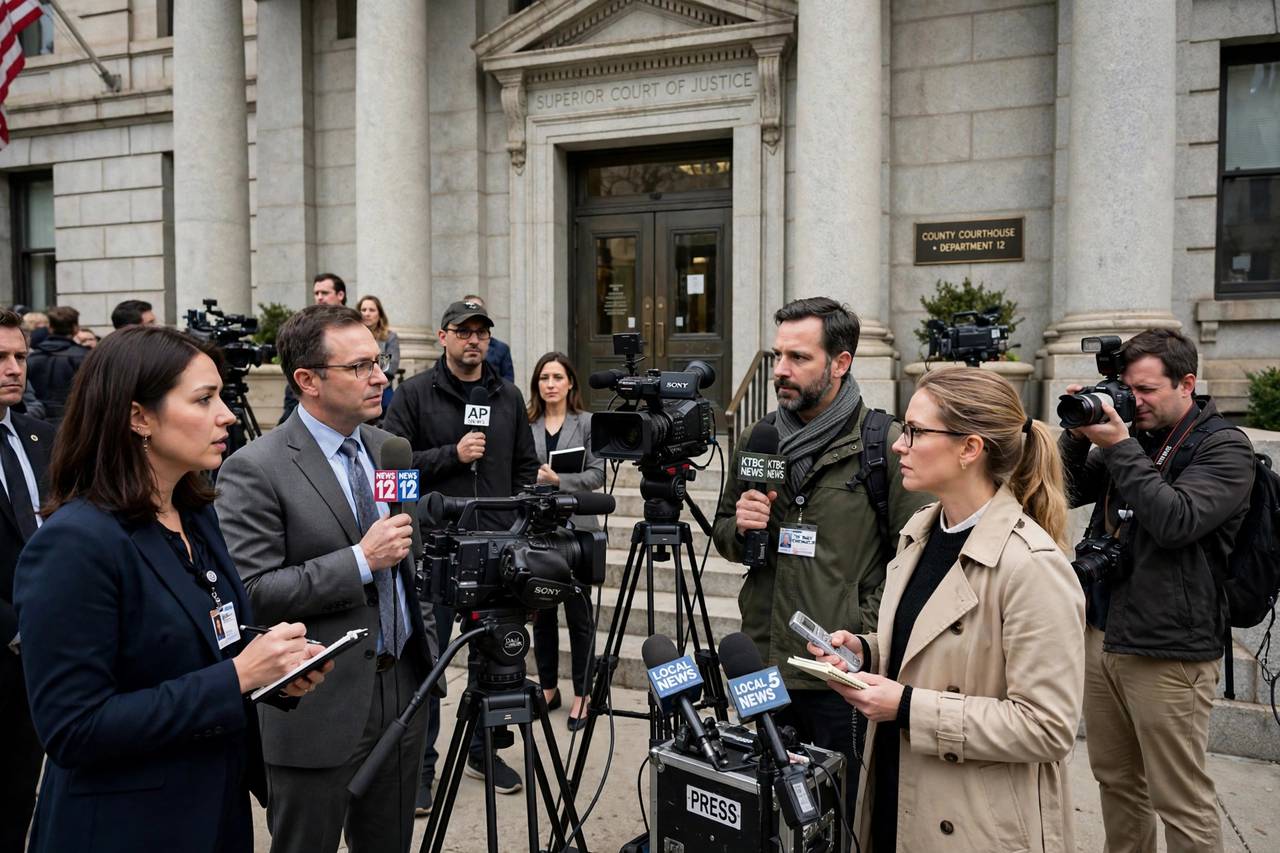
How Judges Decide Whether to Issue One
Gag orders are not handed out casually; judges know they tread near the First Amendment. Before issuing one, courts typically weigh:
The intensity of pretrial publicity. Is coverage so pervasive and inflammatory that finding impartial jurors is genuinely threatened? A local case with modest coverage rarely qualifies; a nationally televised spectacle often does.
Less restrictive alternatives. Could the problem be solved another way — through careful jury selection, changing the trial’s location, sequestering the jury, or delaying the trial? Judges are expected to try these first.
Narrow tailoring. The order must restrict no more speech than necessary. A blanket ban on all public comment is far harder to justify than a targeted restriction on discussing witnesses or evidence.
Likelihood of effectiveness. Will the order actually reduce prejudicial publicity, or is the information already everywhere? Courts are reluctant to issue orders that cannot work.
This balancing act is why appellate courts frequently narrow gag orders on review — the trial judge’s instinct to control the courtroom meets the appellate court’s duty to protect speech.
Gag Orders in the Social Media Era
The classic gag order assumed a world of newspapers and evening broadcasts. Social media broke the model: a defendant barred from “public statements” might still post to millions with a thumb tap, and supporters, surrogates, and commentators can say online what the gagged party cannot. Courts have responded by drafting orders that explicitly cover social media posts, reposts, and even statements made through intermediaries — and by treating deletion-after-posting as no defense, since screenshots preserve everything. The enforcement challenge is real: monitoring compliance across platforms is labor-intensive, and each violation hearing becomes its own media event. The gag order remains potent, but in the age of virality it is a leaky dam rather than a sealed vault.
Challenging a Gag Order
Gag orders are not unchallengeable. Affected parties — and sometimes media organizations, who have standing to contest restrictions affecting newsgathering — can appeal, arguing the order is overbroad, unsupported by the record, or no longer justified by circumstances. Appellate courts review these challenges with special care given the speech interests at stake, and modifications are common: narrowing the order’s scope, shortening its duration, or clarifying ambiguous terms. The practical takeaway for anyone subject to one: comply first, challenge through counsel — violating while you appeal is a fast track to contempt.
Gag Orders and High-Profile Defendants: A Practical Note
For ordinary defendants, gag orders are straightforward: say nothing publicly, let your lawyer talk in court. For public figures, compliance is harder — every rally, interview, and social media post is potential evidence of violation, and prosecutors watch closely. Defense teams in such cases typically negotiate the order’s precise scope (does it cover truthful statements? family members? campaign speech?) and build rapid-response protocols to keep the client inside the lines. The lesson generalizes: if you are ever subject to a gag order, do not freelance your compliance. Route every public statement through your attorney until the order lifts.
Frequently Asked Questions
Who can issue a gag order?
Only a judge (or court) presiding over a legal proceeding. Prosecutors, police, and private parties cannot issue gag orders on their own — though they can ask the court to impose one.
What happens if someone violates a gag order?
The violator faces contempt of court proceedings, which can result in fines, sanctions against their case, or jail time for willful and repeated defiance.
Can a gag order stop the media from reporting on a trial?
Directly gagging the press is extremely difficult under the First Amendment’s ban on prior restraint. Judges instead restrict what trial participants may say publicly, which limits what the media has to report.
What is the difference between a gag order and an NDA?
A gag order is a court command backed by contempt power; an NDA is a private contract whose breach leads to a civil lawsuit. One comes from a judge, the other from a signature.
Are gag orders permanent?
Usually not. Most expire when the proceeding ends or when the judge lifts them, and they can be narrowed or overturned on appeal.
Can you talk about your own case under a gag order?
Only within the order’s limits. Many gag orders specifically restrict what defendants may say publicly about witnesses, jurors, or evidence — discussing the case freely anyway risks contempt sanctions.
Gag orders sit at the collision point of two constitutional values: the right to speak and the right to a fair trial. Courts will be balancing those two for as long as trials make headlines.