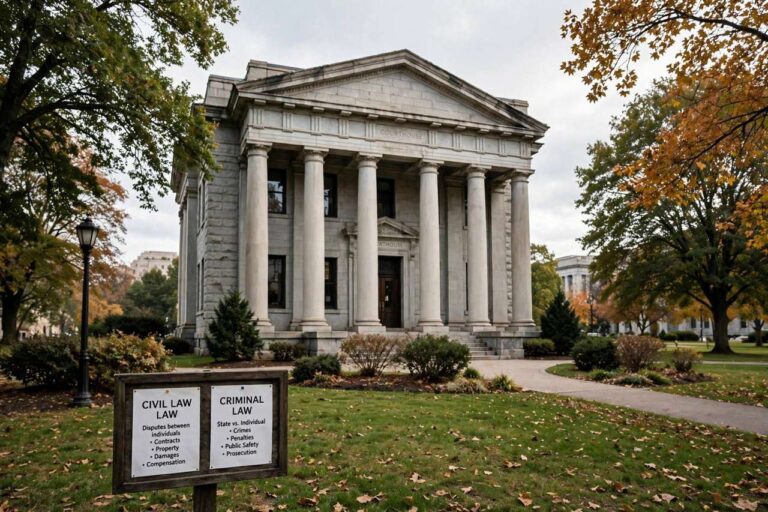
What Is Jury Duty and How Does It Work?

One day an official-looking envelope arrives, and suddenly you are part of the justice system. What is jury duty and how does it work is a question most people only ask once the summons is in their hands — which is exactly when clear answers matter most. This guide explains the whole process in plain language: why you were chosen, what happens at each stage, and what is expected of you. (This is general information about how jury service works, not legal advice for any specific situation.)
What Jury Duty Is
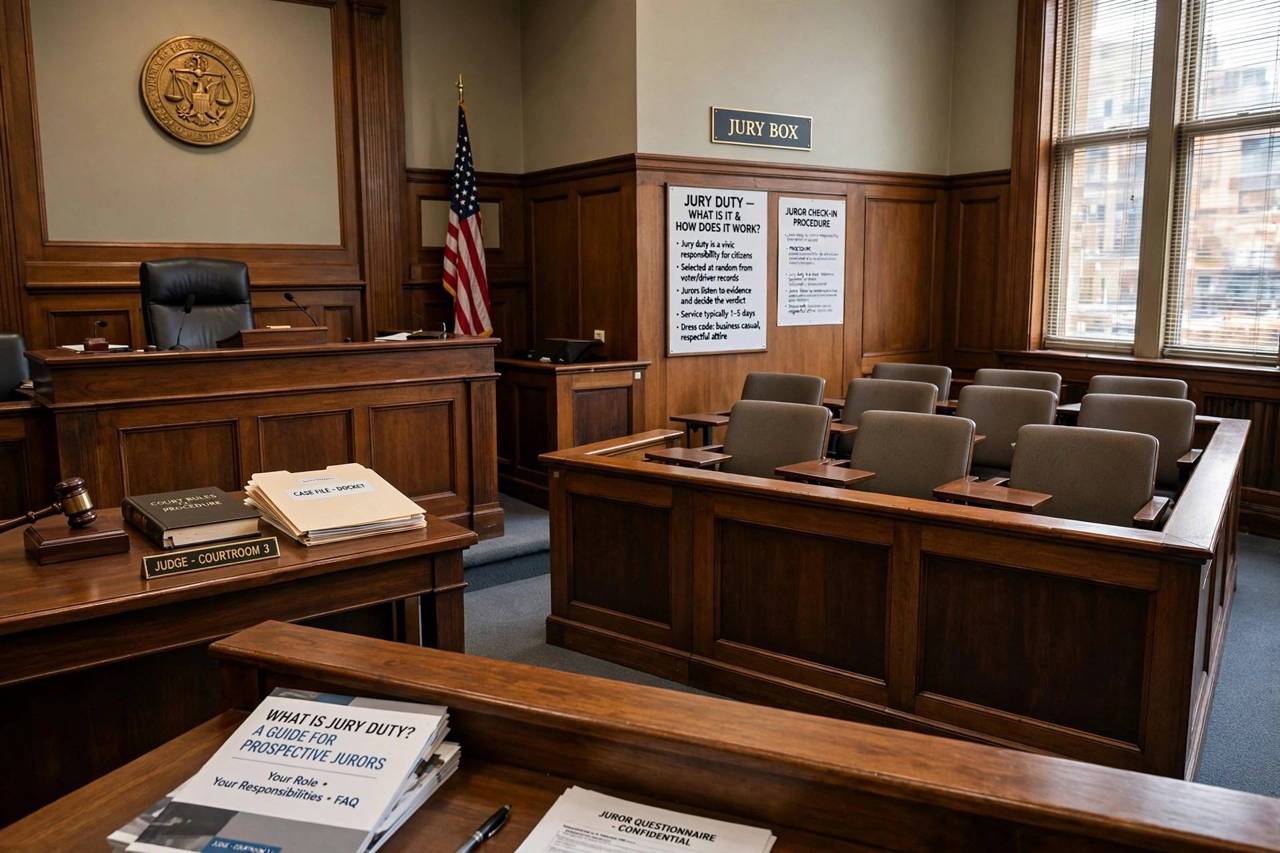
Jury duty is the obligation of eligible citizens to serve as jurors — the people who decide questions of fact in a trial. In a criminal case, the jury decides whether the prosecution proved guilt beyond a reasonable doubt. In a civil case, the jury decides which side’s version of events is more convincing and, if applicable, what compensation is owed.
The jury does not decide questions of law — that is the judge’s job. The division is deliberate: the judge explains the legal rules, and a group of ordinary citizens applies those rules to the facts. It is one of the few places where everyday people exercise direct power in government, which is why the obligation is taken seriously.
How You Get Selected
Courts build their jury pools from lists like voter registration rolls and driver’s license records — which is why the summons can arrive even if you have never voted. A computer selects names at random, and those people receive a summons with a reporting date, usually several weeks out. Ignoring a summons can lead to fines or other penalties, so it is not optional mail — but it is also not an emergency. Read it carefully, note the date, and check the court’s website for reporting instructions.
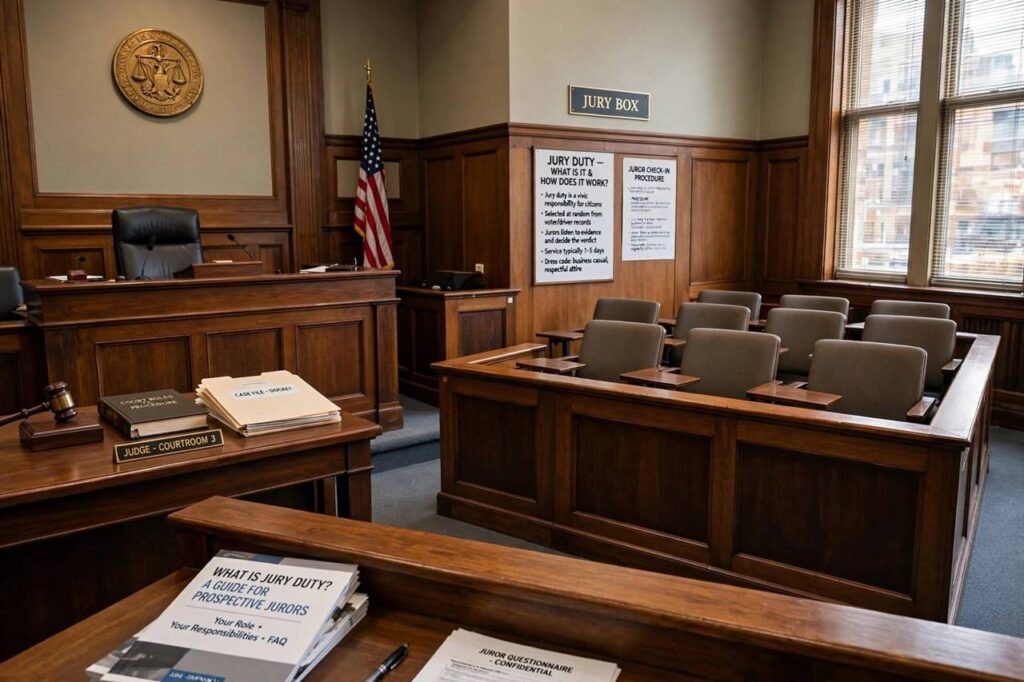
Not everyone summoned ends up on a jury. Courts summon far more people than they need because many will be excused, deferred, or not chosen. When you report, you join a pool of potential jurors. If a trial needs a jury, a smaller group is questioned in a process called voir dire — literally “to speak the truth” — where the judge and the lawyers ask about potential biases, hardships, and conflicts of interest. Each side can excuse a limited number of jurors, and the judge can excuse others for cause. The remaining group is sworn in as the jury.
What Happens During the Trial
Once sworn in, jurors hear the case from start to finish. The structure is formal and consistent: opening statements (each side previews its case), the presentation of evidence (witness testimony, documents, exhibits), and closing arguments (each side’s final pitch). Jurors may take notes, and in some courts can submit written questions for witnesses through the judge.
The rules jurors live under during a trial are strict, and they exist for good reason. Do not discuss the case with anyone — not fellow jurors until deliberations, not family, not social media, not even in vague terms that could identify the parties. Do not research the case, the parties, or the lawyers online. Do not visit locations connected to the case. These rules protect the principle that the verdict rests only on the evidence presented in court. Violating them can cause a mistrial — months of everyone’s time wasted because one person googled a name.
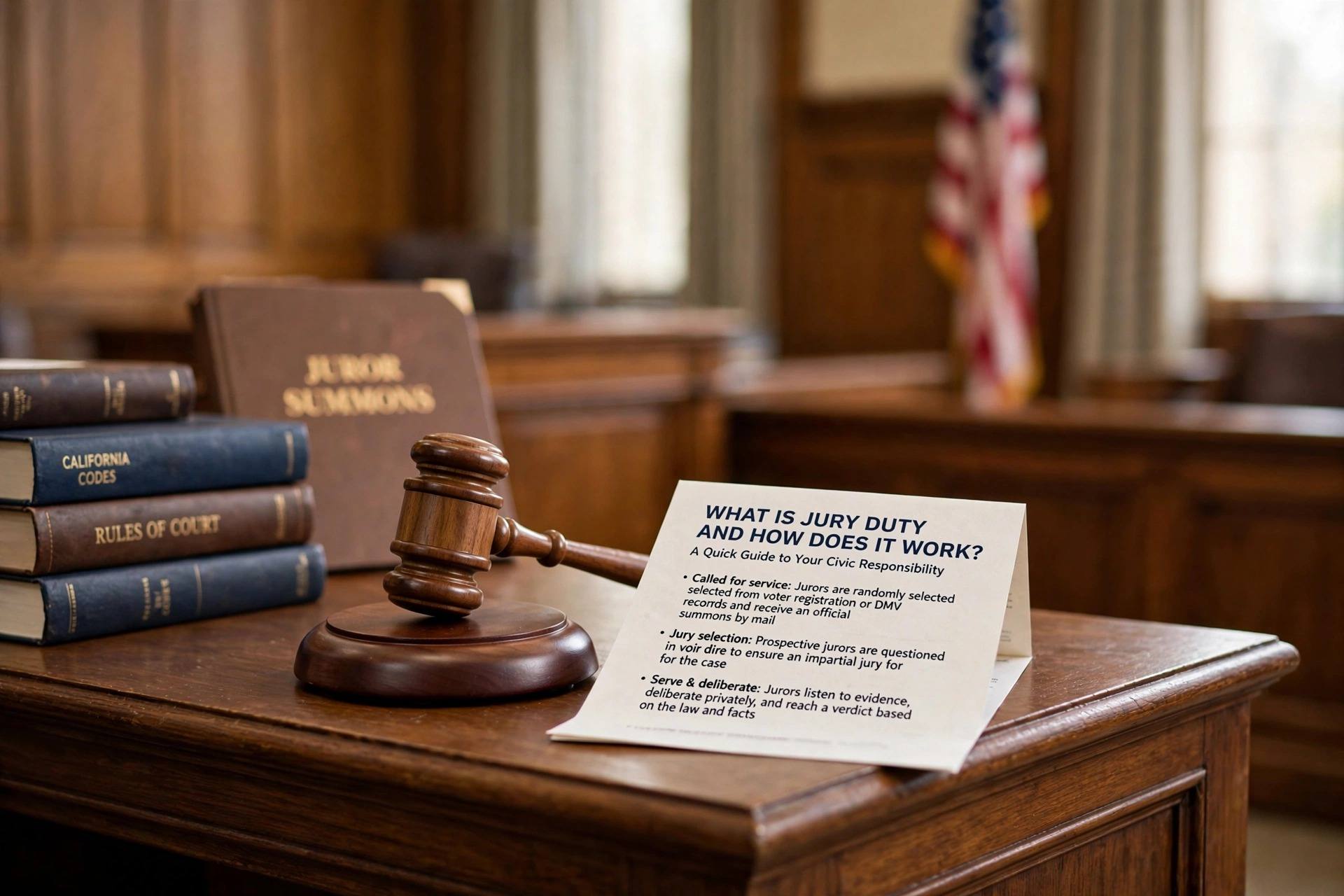
Deliberation and the Verdict
After closing arguments, the judge instructs the jury on the law — what each side must prove, how to weigh evidence, what the possible verdicts mean. Then the jury retires to deliberate in private. A foreperson is chosen to lead discussion, and the group works through the evidence methodically: what was proven, what was not, where witnesses were credible.
In criminal trials, the verdict typically must be unanimous; in civil trials, the required majority varies by jurisdiction. If the jury cannot reach the required agreement, the result is a hung jury, and the case may be retried. When a verdict is reached, it is delivered in open court — the moment everything has been building toward.
The Practical Side: Pay, Employers, and Excuses
Juror pay is modest — in many places a small daily stipend plus mileage. The financial question most people actually have is about work: in the United States, federal law and most state laws prohibit employers from firing or penalizing employees for jury service, though whether the time is paid depends on the employer and the jurisdiction. Check your employer’s policy when the summons arrives, not the morning you report.
Valid reasons to be excused or deferred vary but commonly include serious medical conditions, extreme financial hardship, full-time caregiving responsibilities with no alternative, and being over a certain age. Each court has its own process — usually a form submitted in advance — and “I don’t want to” is not on the list. Deferral (serving later) is often easier to get than a full excuse.
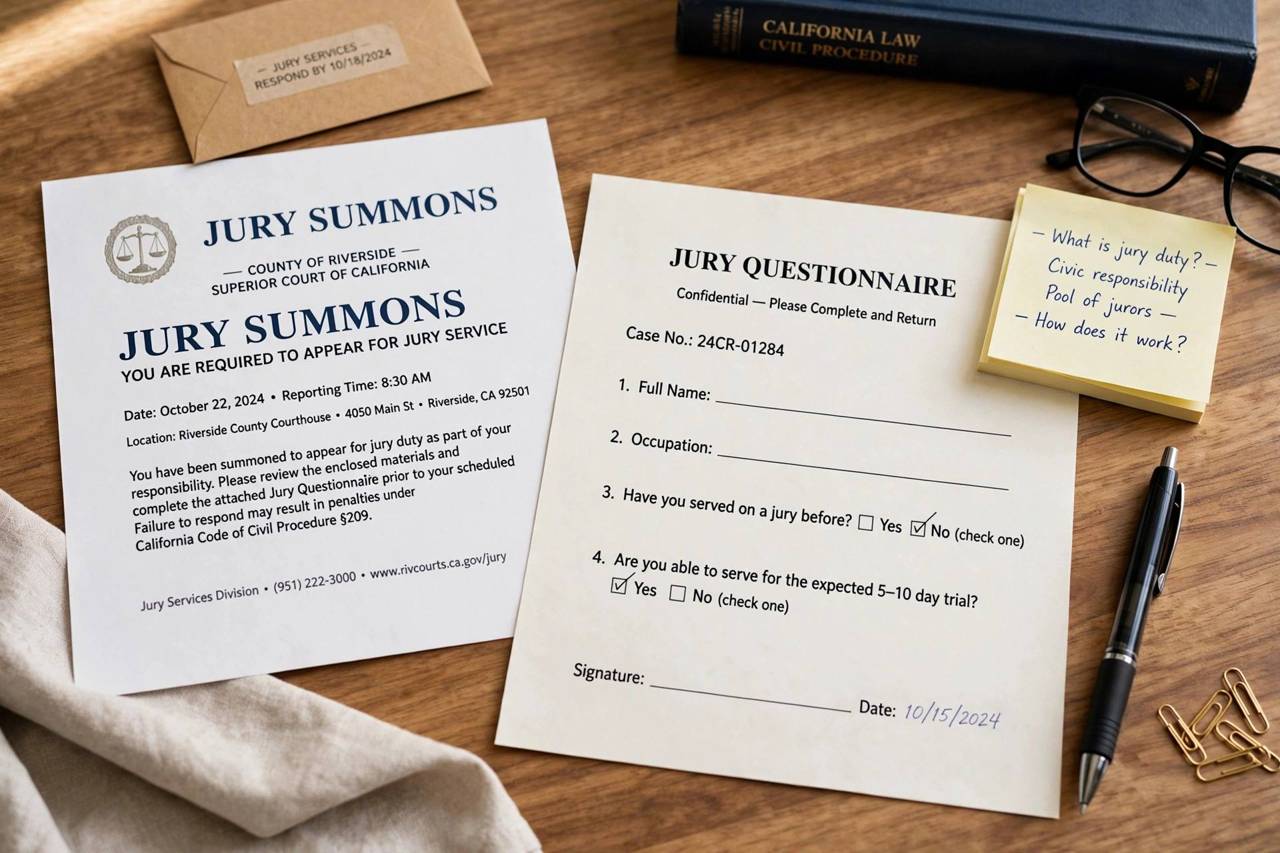
What Is Jury Duty and How Does It Work: The Timeline
Here is the full arc in order. 1. Summons. A random selection from official lists; you receive a date and instructions. 2. Reporting. You arrive at the courthouse, check in, and wait with the jury pool — bring a book; waiting is part of the process. 3. Voir dire. Groups are questioned by the judge and lawyers; some are excused, the rest are considered for the jury. 4. Swearing in. The selected jurors take an oath. 5. Trial. Opening statements, evidence, closing arguments — days to weeks of attentive listening under strict rules. 6. Deliberation. Private discussion until the required agreement is reached. 7. Verdict. Delivered in open court. 8. Dismissal. You are thanked, paid the stipend, and released — most courts exempt you from another summons for a year or more.
Jury Systems Around the World
The American jury is the most powerful version, but the concept varies globally. England and Wales use juries for serious criminal trials, with twelve jurors as in the US. Canada uses juries more sparingly. Many European countries use mixed panels — professional judges sitting alongside lay assessors — rather than standalone juries. Japan introduced a mixed “saiban-in” system for serious crimes in 2009. Some countries have no jury tradition at all, relying entirely on judges.
The common thread is the same democratic instinct: that ordinary citizens should participate directly in justice. The American version simply gives laypeople the most decisive role — which is why the summons feels weighty. It is.
What Experienced Jurors Wish They Had Known
People who have served tend to give the same advice. Bring something to read — there is a lot of waiting, and phones may be restricted. Take notes during the trial — deliberation happens days after testimony, and memory is unreliable. Do not form conclusions early — the defense has not presented its case during the prosecution’s opening, and premature certainty is the enemy of fairness. Speak up in deliberation — the quiet juror’s perspective is often the one the room needs, and juries reach better verdicts when everyone contributes. And take the rules seriously — the restrictions on discussing and researching the case protect the integrity of the verdict, which is the whole point of your being there.
Grand Jury vs. Trial Jury: Don’t Confuse Them
Everything above describes a trial jury (petit jury) — the group that decides a case. A grand jury is a different institution: a larger group (often 16–23 people) that decides whether there is enough evidence to bring criminal charges in the first place. Grand juries meet in secret, hear only the prosecution’s side, and serve for weeks or months rather than a single trial. If your summons says “grand jury,” expect a longer commitment and stricter secrecy — you cannot discuss anything you hear, even after service ends, in most jurisdictions. Most jury summons are for trial juries; grand jury service is the less common summons.
After the Verdict: What Happens to Jurors
When service ends, most jurors return to normal life with unusual restrictions lifted — you can finally talk about the case, and many do, processing an intense experience. Some courts offer a debrief with the judge, who may answer questions about the trial now that it’s over. High-profile trials sometimes come with media attention, which jurors are free to decline. A few jurisdictions provide counseling resources after particularly difficult cases — criminal trials can involve disturbing evidence, and courts increasingly acknowledge the psychological weight. Most former jurors describe the experience the same way: inconvenient, fascinating, and something they’d do again. The inconvenience is real; so is the sense of having participated in something that matters.
Frequently Asked Questions
What is jury duty?
Jury duty is the civic obligation to serve as a juror in a trial — listening to the evidence and deciding the facts of the case, such as guilt or innocence in a criminal trial or liability in a civil one.
How are jurors chosen?
Courts select names at random from lists like voter registrations and driver’s license records. Those summoned report to court, and trial juries are chosen from that pool through a questioning process called voir dire.
Can I get out of jury duty?
Courts grant excuses or deferrals for reasons like serious medical issues, extreme hardship, or caregiving responsibilities, through a formal request process. Simply preferring not to serve is not a valid reason, and ignoring a summons can result in penalties.
Do I get paid for jury duty?
Jurors typically receive a small daily stipend plus mileage reimbursement. Employers generally cannot fire you for serving, but whether your regular pay continues depends on your employer and local law.
What happens if I ignore a jury summons?
Ignoring a summons can lead to fines or a contempt-of-court finding, depending on the jurisdiction. If you cannot serve on the assigned date, contact the court about deferral instead of ignoring it.
How long does jury duty last?
Most summons cover a short on-call period — often a day or a week — and most people are dismissed without serving on a trial. If selected for a trial, service lasts for the trial’s duration, which ranges from days to, rarely, months.