How to Declutter Your Bedroom: A Room-Zone Method

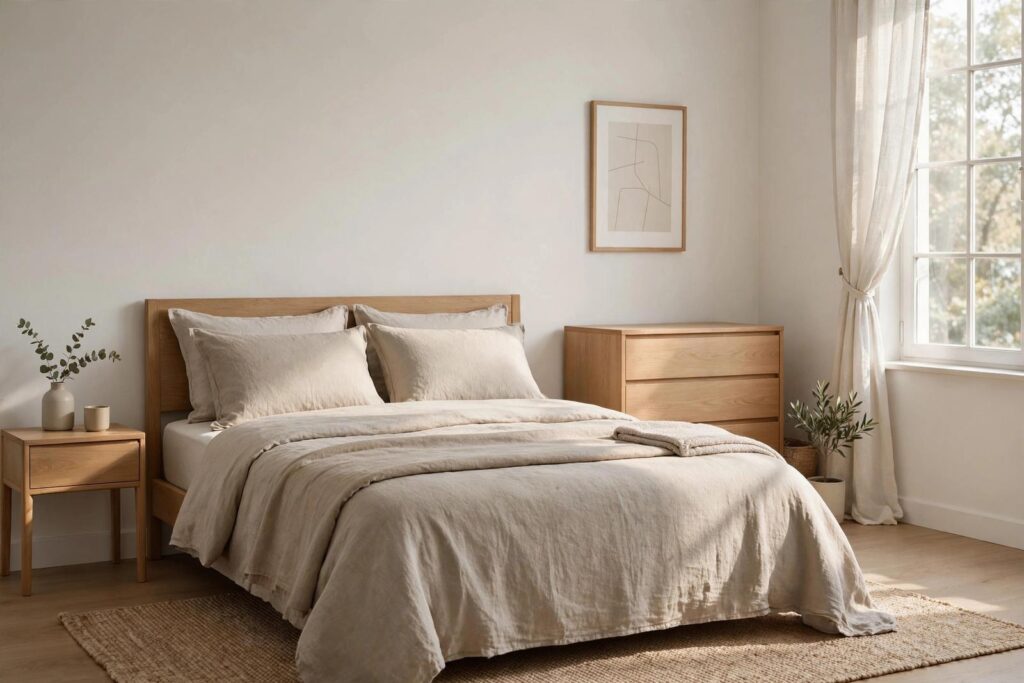
Your bedroom is supposed to be the calmest room in your home — the place where the day ends and rest begins. But for most of us, it’s the room where everything without a home ends up: the chair covered in “not dirty, not clean” clothes, the nightstand buried under books and chargers, the closet you don’t open all the way.
Here’s what I want you to know before we start: I’m not interested in perfection. This isn’t about a magazine bedroom. It’s about small, doable choices that quietly make life better — one zone at a time, without the overwhelm that makes most decluttering attempts die by noon. Six zones. One at a time. Let’s go. And remember: you’re not behind. Everyone’s bedroom has a chair-drobe. This is maintenance, not judgment. The goal was never a perfect room — it was a calmer morning, and you’re already closer than when you started reading.
The Method: 6 Zones, One at a Time
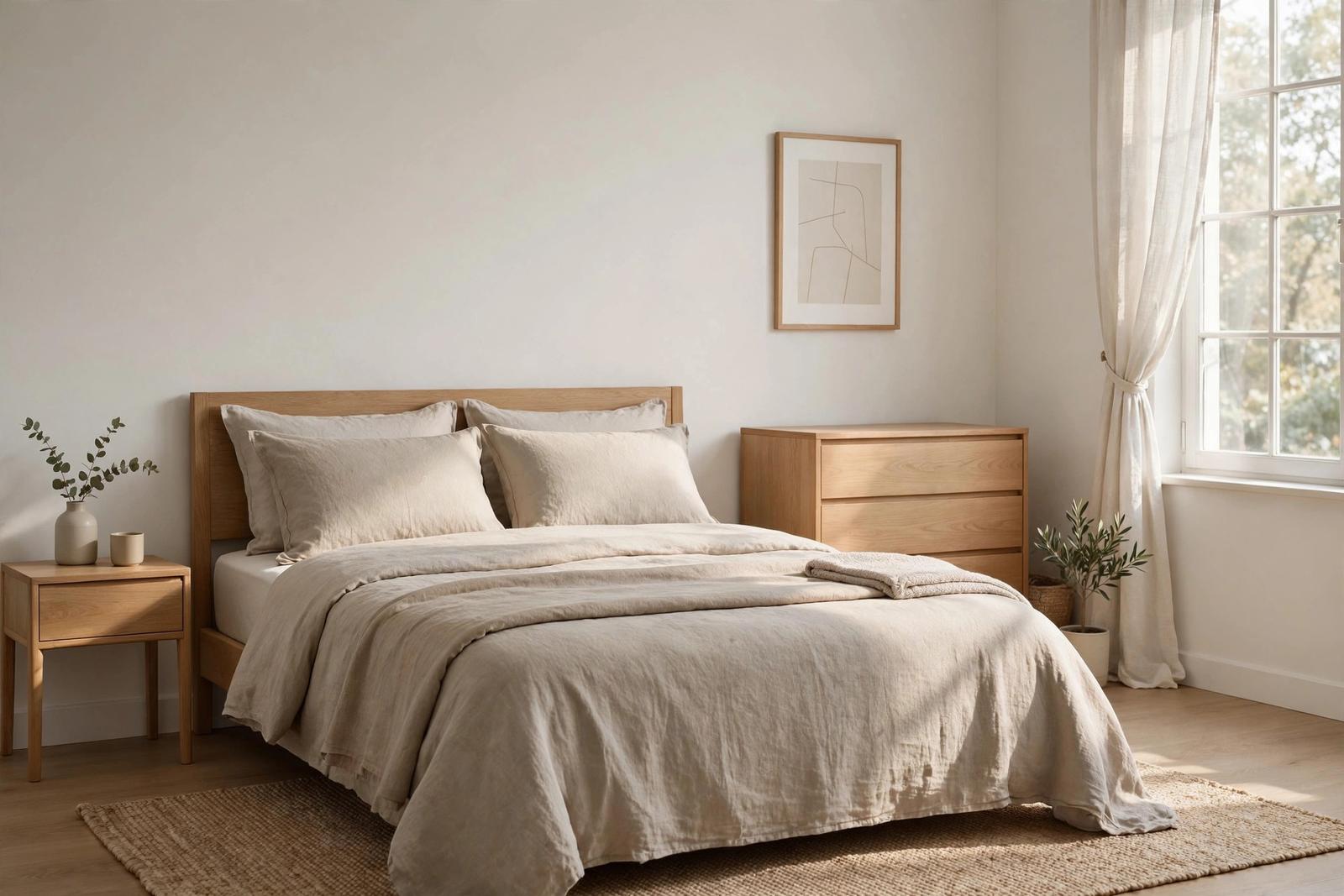
The reason bedroom decluttering feels overwhelming is that you’re looking at the whole room. Don’t. Divide it into six zones and handle exactly one:
- Nightstand
- Closet & wardrobe
- Under the bed
- Dresser & drawers
- Paperwork corner
- Surfaces
One zone, finish it, move on. You can do one zone in twenty minutes or all six on a Saturday — the method works either way, because the unit is the zone, not the room. Put on something you like listening to. Start with Zone 1.
And give yourself permission to stop. If you finish two zones and you’re done for the day, that’s a win — two zones calmer than yesterday. The all-or-nothing mindset is what kills decluttering projects. This method is designed for real life: partial progress counts, because the zones are independent. Zone 1 doesn’t care whether Zone 6 is done.
Zone 1 — The Nightstand
The nightstand is where clutter goes to feel important. Start here because it’s small and the win is fast.
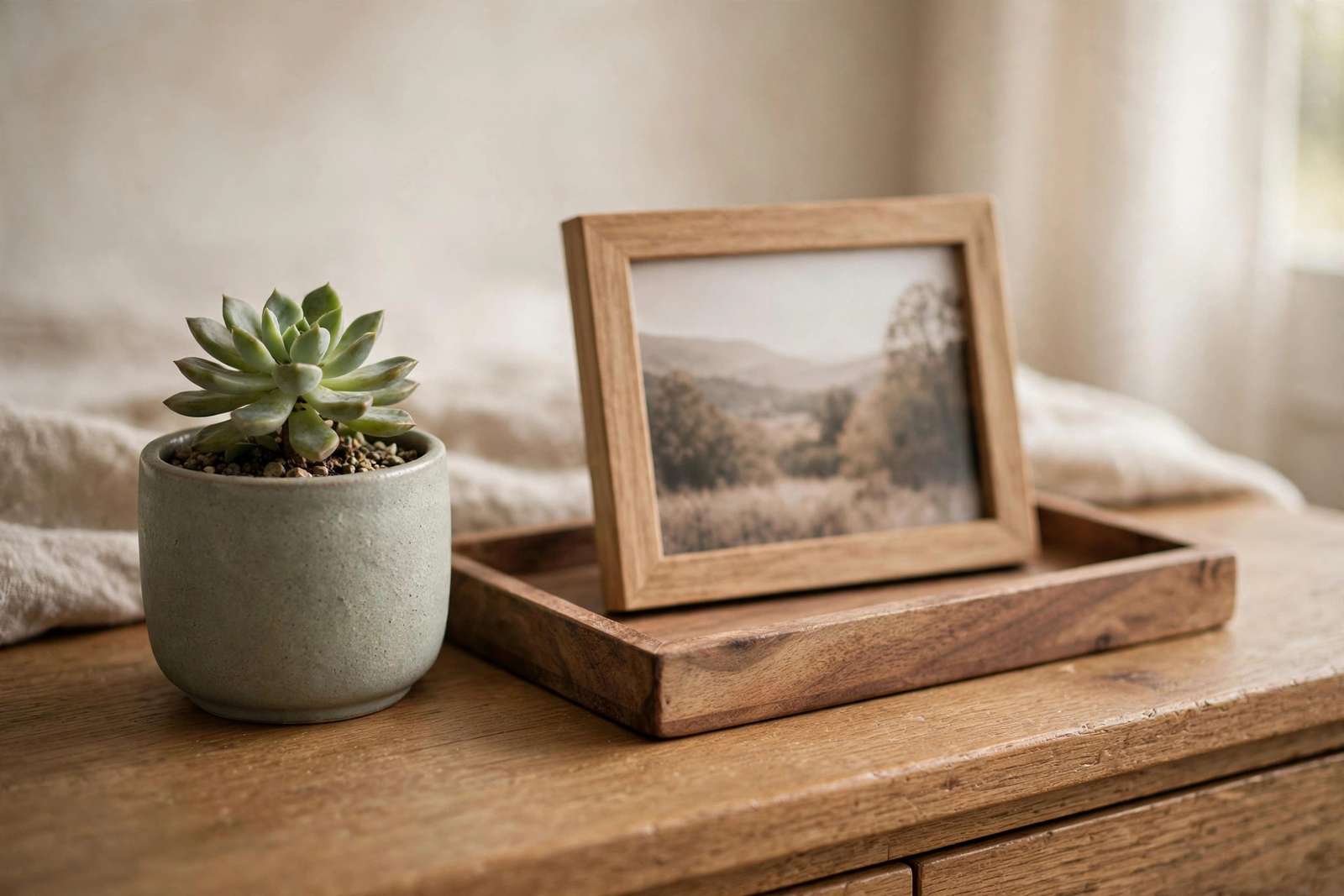
Clear the surface completely. Take everything off. Wipe it down. Now put back only what belongs: a lamp, your current book, water, the charger. Everything else — the three pens, the receipts, the random screws — goes in a small tray or leaves the room.
Sort the drawer. Nightstand drawers collect the flotsam of bedtime: old lip balms, dead batteries, instruction manuals for things you no longer own. Keep: sleep essentials, one notepad, reading glasses. The rest gets relocated or recycled. If you haven’t touched it in three months, it doesn’t live in the nightstand.
Zone 2 — Closet & Wardrobe
The big one. Deep breath.
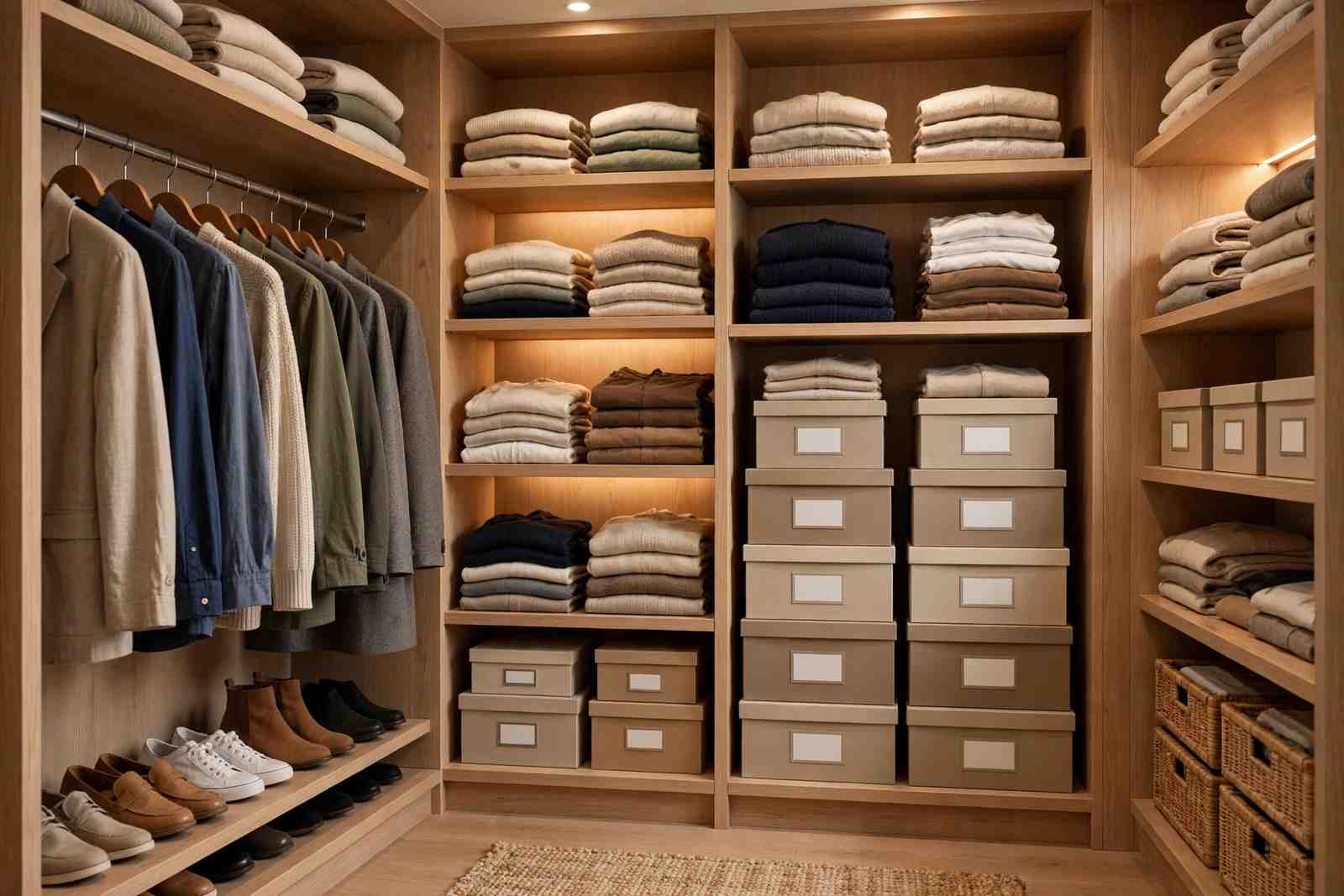
Do a regular sweep — not a once-a-year purge, a habit. Every season, pull everything out (yes, everything) and sort into three piles: keep, donate, recycle. Clothes you haven’t worn in a year aren’t “maybe someday” — they’re donations waiting to happen.
Use the swap-in/swap-out rhythm. When something new comes in, something old goes out. This is the only rule that keeps a closet from refilling itself.
Donate or recycle, don’t trash. Good-condition clothes go to charity. Worn-out textiles go to textile recycling, not landfill. Most donation centers take both — bag them separately and label them.
If the closet needs a deeper dive than this zone allows, the how-to-declutter-your-closet guide goes all the way in. And the whole-home version of this method lives at how-to-declutter-your-home-room-by-room.
Zone 3 — Under the Bed
Nobody looks under the bed, which is exactly why everything ends up there. Pull everything out from under your bed. You’ll find three categories: things that belong somewhere else (return them), things you’re storing (they need proper containers, not the floor), and things that are trash (let them go).
If you use under-bed space for storage, do it properly: flat containers with lids, labeled. An unlabeled box under the bed is just a delayed decision.
Zone 4 — Dresser & Drawers
Dressers fail in predictable ways: the top becomes a catch-all, and the drawers become archaeological digs.
Sort the drawers by category. Socks with socks. The “random drawer” gets divided: batteries and tools in one section, personal items in another. Drawer dividers are the single highest-impact purchase in this whole project — they turn one chaotic drawer into six tidy compartments for a few dollars.
Sort the bed linen. Keep two sets per bed in use, one spare at most. The stack of eight flat sheets from years ago can go. Fold them the same way so the stack stays neat — or roll them; rolling genuinely saves space and you can see everything.
Tame the makeup drawer (if you have one). Expired products go — old mascara and sunscreen lose effectiveness and can irritate skin. Keep daily items accessible, occasional items elsewhere.
Zone 5 — The Paperwork Corner
Bedrooms accumulate paper: bills, letters, the manual for the lamp, appointment cards. Create one folder or tray for bedroom paperwork and nothing else. When it’s full, process it: file, shred, or recycle.
And here’s the bigger principle: the bedroom is a place of rest, not work. Bills, laptops, and work documents don’t belong here — not because of some philosophy, but because seeing work stress on your nightstand genuinely makes it harder to unwind. Move the work stuff to where work happens. Your sleep will thank you.
Zone 6 — Surfaces
Last zone. The order matters here: start with the small surfaces — bedside tables, dresser tops, drawer tops — and work up to the big ones — wardrobe tops, closet shelves.
Every surface gets the same treatment: clear it completely, clean it, and put back only what earns its place. A surface with three intentional objects looks calm. A surface with seventeen objects looks like stress. Most of what lives on your surfaces is there by inertia, not by decision. Decide.
3 Rules to Keep It That Way
Decluttering is easy. Staying decluttered is the project. Three rules:
- Everything has a place. The baskets, bins, and drawer dividers aren’t decoration — they’re addresses. When every object has an address, “tidy up” takes five minutes instead of an hour. Buy the dividers. Label the bins. Future you is grateful.
- One in, one out. (My own addition to the method — just lived experience.) New sweater? An old one leaves. New book? One goes to the donate pile. This is the entire secret of maintenance in one sentence.
- Protect the restful bedroom. Keep defending the boundary: no work creep, no “temporary” piles, no chair-drobe. The bedroom stays the place of rest — that’s the point of the whole exercise.
One more quiet truth about maintenance: the bedroom re-clutters from the door, not from nowhere. Things enter on their way to somewhere else — the bag you dropped, the laundry you’re “about to” put away, the book you were reading downstairs. The five-minute nightly reset (everything back to its address before sleep) catches all of it. It’s the smallest habit in this article and the one that matters most.
When the bedroom feels calm, the rest of the house gets easier. For the bigger picture, how-to-be-more-organized-at-home extends these habits house-wide. And if the newly calm bedroom makes you want to make it cozy too, how-to-make-your-bedroom-cozy is the natural next step.
Frequently Asked Questions
Where should I start decluttering my bedroom?
Start with the small surfaces — bedside tables, dresser tops, and drawers — then move to the bigger zones like wardrobes and closets. Small wins first, big zones second.
What should I do with old clothes?
Donate good-condition clothes to charity; recycle worn-out textiles through textile recycling. Bag them separately and label them — most donation centers accept both.
How often should I clean out my wardrobe?
Do a regular sweep every season — pull everything out, sort into keep/donate/recycle, and use a swap-in/swap-out rhythm so the closet doesn’t refill itself.
How do I add storage to a small bedroom?
Baskets, bins, and drawer dividers are the highest-impact fixes — they give every object an address. Flat lidded containers make under-bed space genuinely usable instead of a clutter trap.
Is it okay to keep work stuff in the bedroom?
Better not to. The bedroom works best as a place of rest — work papers, laptops, and bills on the nightstand make it harder to unwind. Move work things to where work happens.
What’s the right order: declutter, organize, or clean?
Declutter first, then organize, then deep clean — in that order. There’s no point organizing things you’re going to donate, and no point deep-cleaning around clutter.