15 Best Places to Travel in the World with Kids (2026)

Traveling with kids changes the equation completely — the ‘best’ destination isn’t the most beautiful or the most exciting, it’s the one where the logistics don’t defeat you before the fun starts. After traveling with my kids (now 7 and 10) to 25+ countries, I’ve learned the formula: kid-welcoming culture, manageable logistics (short transits, easy food), and at least one thing that makes their eyes go wide every day.
These fifteen destinations pass the real-world test — not the Instagram test. They’re places where families are genuinely welcomed, where the practical stuff works, and where the kids had as much fun as the adults. Some are obvious; a few will surprise you.
For the general (kid-free) ranking, see our best places to travel in the world. This is the family edition.
The Easy Wins: Japan, Costa Rica, Portugal
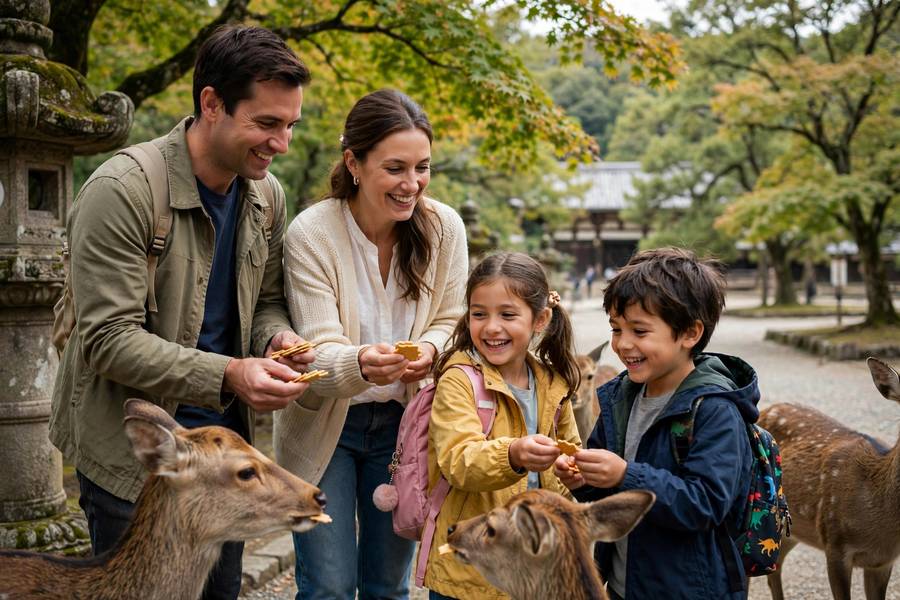
Japan: the most kid-friendly developed country on earth. Spotless, safe, efficient trains (kids love the Shinkansen), food kids actually eat (ramen, conveyor-belt sushi, convenience store everything), and a culture that adores children. Tokyo’s teamLab, Kyoto’s temples (the treasure-hunt aspect hooks kids), Nara’s bowing deer. The only challenge is the flight; everything after landing is easy.
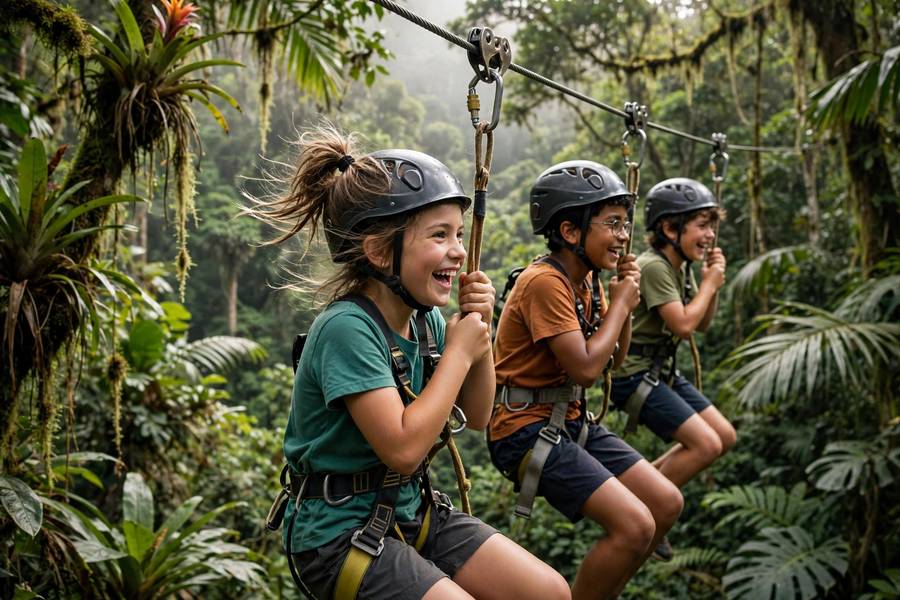
Costa Rica: the adventure starter pack — zip lines (many allow kids 5+), hanging bridges, sloths (guaranteed sightings at Manuel Antonio), surf lessons, and the ‘pura vida’ culture that’s genuinely warm to families. The tourism infrastructure is built for families; the wildlife does the entertaining. Dry season (December–April) is the window.
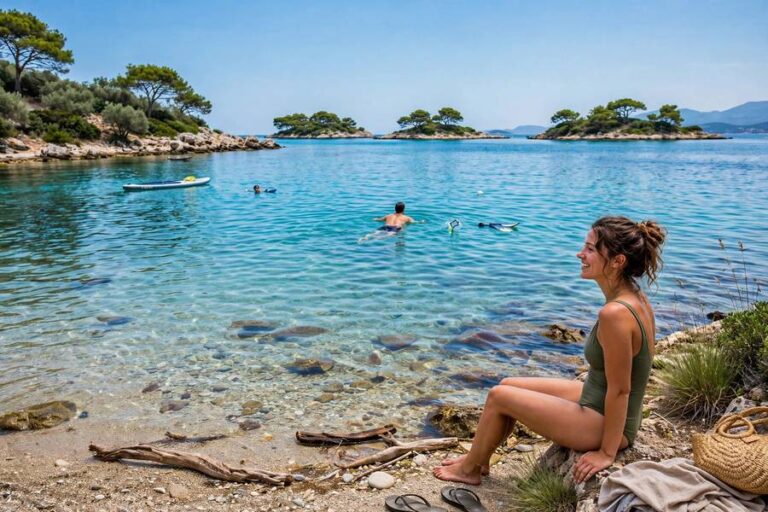
Portugal: Europe’s family sweet spot — affordable, safe, great weather, beaches (the Algarve’s coves are made for kids), and Lisbon’s trams and hills feel like an adventure. The food is kid-compatible (grilled fish, pastries, custard tarts), the pace is relaxed, and it’s 30–40% cheaper than France or Italy.
The Big Adventures: Iceland, South Africa, Galapagos
Iceland: waterfalls you can walk behind, black beaches with icebergs, geothermal lagoons, and the Northern Lights — it’s a fantasy novel made real, and kids feel it. The Ring Road is the ultimate family road trip (waterfall every 30 minutes, no one’s bored). Summer for the midnight sun and puffins; winter for auroras and ice caves. best national parks for road trips
South Africa: the safari that works with kids — malaria-free reserves (Madikwe, Pilanesberg) mean no prophylaxis worries, and lodges with family programs, kid-friendly rangers, and pools between game drives. Cape Town adds penguins (Boulders Beach), Table Mountain’s cable car, and beaches. It’s the trip kids talk about for years.
Galapagos: the most extraordinary wildlife experience on earth — animals with no fear of humans, so kids get closer than any zoo allows. Blue-footed boobies, marine iguanas, giant tortoises, sea lions that photobomb. The cruises have family departures with naturalist guides who specialize in kids. Expensive, worth it, unforgettable.
Europe’s Family All-Stars: London, Denmark, Italy
London: the easiest big city with kids — free museums (Natural History, Science, British Museum — all world-class, all free), the parks (Hyde, Regent’s, with playgrounds), the Thames (boat rides count as transport and entertainment), and theater (Matilda, The Lion King). The Tube is an attraction in itself for kids under 10.
Denmark: Copenhagen is the world’s most livable city and it shows — Tivoli Gardens (the original amusement park, in the city center), the Little Mermaid (underwhelming, obligatory), harbor swimming (clean enough to swim in), and a biking culture kids love. Legoland (in Billund, 3 hours away) is the pilgrimage for the under-12 set.
Italy: Rome’s gladiator history (the Colosseum tour designed for kids is excellent), Florence’s gelato density (a flavor per piazza), Venice’s boats (no cars — the whole city is a playground), and the Amalfi/Sicily beaches. Italian culture worships children — your kids will be fussed over in every restaurant. Go in May or September; August is a furnace. things to do in Bali
Closer to Home: Hawaii, National Parks, Mexico
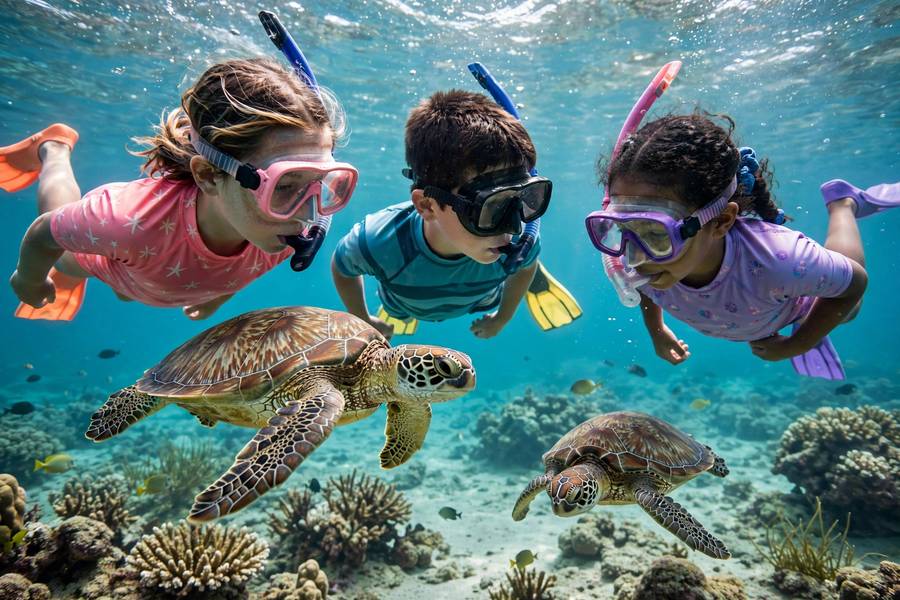
Hawaii: the domestic easy button — no passports, no jet lag (from the West Coast), beaches with lifeguards, snorkeling with turtles, volcanoes (Haleakalā sunrise, Hawaiʻi Volcanoes National Park), and the Polynesian culture programs at resorts. It’s expensive, but the logistics are the simplest of any tropical destination.
US National Parks: the road-trip classic — Yellowstone’s wildlife, Yosemite’s waterfalls, the Grand Canyon’s scale. The Junior Ranger program gives every park a mission, the lodges have pools, and the campfire evenings are the stuff of childhood. See our family national parks guide for the full breakdown.
Mexico’s Riviera Maya: all-inclusive ease (kids’ clubs that kids actually like, pools everywhere, beach at the doorstep), plus real culture — Chichén Itzá, cenote swimming (underground rivers — the most magical swimming on earth), and Tulum’s ruins on the beach. Direct flights from most US cities, 3–4 hours.

The Wildcards: Vietnam, Morocco, New Zealand
Vietnam: the budget adventure — $50/day for a family, street food kids love (phở, bánh mì, fresh spring rolls), Ha Long Bay’s karsts (kayaking through lagoons), Hoi An’s lanterns (kids’ favorite town in Asia), and the friendliest people in Southeast Asia. The chaos is manageable; the value is unbeatable.
Morocco: the sensory overload — Marrakech’s souks (a real-life Aladdin), camel rides in the Sahara (the overnight desert camp is the experience), blue Chefchaouen, and the Atlas Mountains. It’s exotic but safe, affordable, and the riads (courtyard guesthouses) feel like palaces to kids. Spring and fall are ideal.
New Zealand: the adventure playground — glowworm caves (Waitomo), geothermal parks (Rotorua’s mud pools and geysers), Hobbiton (even non-fans love it), and the adventure capital Queenstown (luge, jet boats for older kids). It’s far (the flight is the price of admission) but the most well-rounded family destination in the Southern Hemisphere.
Making It Work: Flights, Food, and Rhythm
Flights: the flight is the hardest part of family travel, full stop. Direct flights are worth a premium — every connection with kids multiplies the misery. Overnight flights (kids sleep), new entertainment (save a movie series for the plane), and the 1-toy-per-hour trick for under-6s. Business class with kids under 5 is wasted money (they won’t sleep anyway); with kids 8+ it’s transformative.
Food: the destinations above all pass the food test — there’s always something kids will eat. The strategies: breakfast is the anchor meal (book lodging with breakfast), carry emergency snacks always, and let kids pick one meal a day (ownership reduces complaints). Street food markets are better than restaurants for picky eaters — grazing beats committing.
Rhythm: one big thing per day, max. Mornings for the main event (kids’ energy peaks before noon), afternoons for pool/rest, evenings for wandering and dinner. The families who try to ‘maximize’ the trip are the ones with crying children in museum #3. The pool is not wasted time — it’s recovery that enables tomorrow’s adventure.
Destinations to Save for Later (Age Matters)
Some legendary family destinations are better at specific ages: safaris hit hardest at 8–12 (old enough for the long game drives, young enough for the wonder); the Galapagos is best 10+ (the naturalist talks land better, the snorkeling is safer); Japan works at any age but teens get the most from it (the independence — safe trains, vending machines, arcades — is the gift).
And the ones to skip with small kids: multi-city European slogs (the 5-cities-in-7-days trip breaks children under 8 — pick one base), high-altitude destinations (Machu Picchu, Cusco — altitude sickness hits kids harder and there’s no easy exit), and party destinations (Ibiza, Cancun’s hotel zone in spring break — the vibe is wrong and everyone knows it). The right destination at the wrong age is the wrong destination.
Japan for ease and safety, Costa Rica for adventure, Portugal for European value. The best depends on your kids’ ages: under 7, prioritize short flights and easy logistics (Hawaii, national parks); 8+, the world opens up (Iceland, safaris, Galapagos).
Every age works, but 6–12 is the golden window — old enough to remember and engage, young enough to be amazed. Under 5: keep it simple (beach, one base). Teens: give them adventure and autonomy (they’ll remember the trip they helped plan).
Direct flights first (worth the premium). Then: new content saved offline, one new small toy/activity per hour for under-6s, snacks as events (not just fuel), and walk the aisles. Overnight flights are the cheat code — a sleeping child is the best travel companion.
The destinations on this list are all family-safe with normal precautions. The real risks are mundane: sun, dehydration, traffic, and overtired kids near roads/pools. Travel insurance with medical evacuation is non-negotiable for remote destinations.
$5,000–8,000 for a week for a family of four in Portugal, Costa Rica, or Mexico; $8,000–12,000 for Japan or Iceland; $12,000–20,000 for safaris or Galapagos. Shoulder seasons cut 30%; the flight is usually 30–40% of the total.