After a decade of travel writing — six continents, fifty-some countries — people ask me for “the list.” Not the best beaches or the cheapest cities. The places that rearranged something in my head. The ones I’d cross an ocean to see again.
This is that list. Fifteen places that earned it, each with honest details: what it costs, when to go, and the moment that made it unforgettable.
Table of Contents
- Machu Picchu, Peru: The Wonder That Delivers
- Kyoto, Japan: Beauty as a Discipline
- Santorini, Greece: The View That Silences Crowds
- The Serengeti, Tanzania: The Most Alive Place on Earth
- The Grand Canyon, USA: Scale You Can’t Photograph
- Bali, Indonesia: The Island That Heals
- Petra, Jordan: The Lost City
- The Norwegian Fjords: Nature’s Cathedral
- Rome, Italy: History You Can Touch
- Bora Bora, French Polynesia: The Fantasy, Real
- The Swiss Alps: The Mountains That Ruin Other Mountains
- Marrakech, Morocco: The Beautiful Overwhelm
- The Galapagos, Ecuador: Evolution in Real Time
- New Zealand’s South Island: The Adventure Playground
- Iceland’s South Coast: Another Planet
- How to Actually Plan One of These Trips
- Frequently Asked Questions
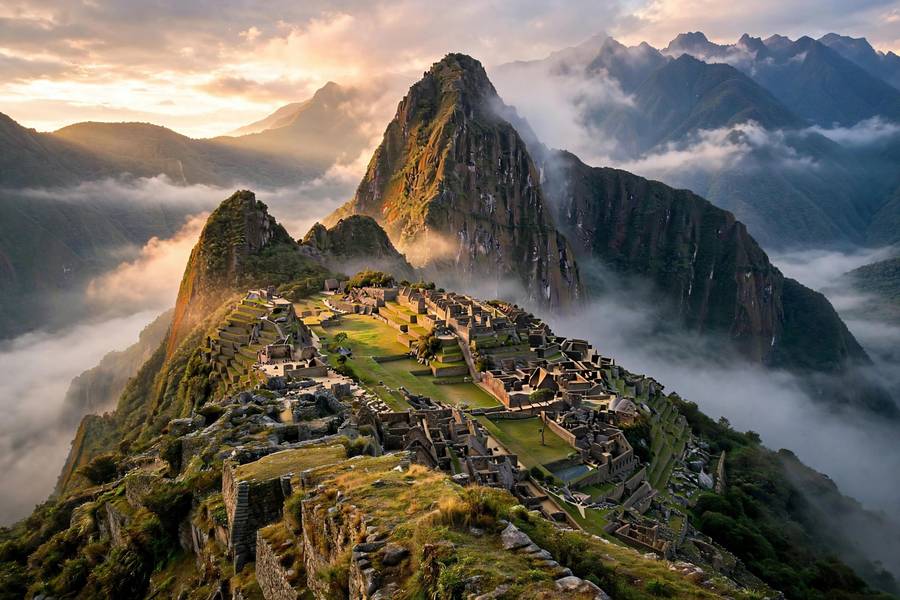
Machu Picchu, Peru: The Wonder That Delivers
Some wonders disappoint — built up by photos, diminished in person. Machu Picchu is the opposite. You come through the Sun Gate at dawn, the mist lifts off the terraces, and the citadel is just… there. Perfect. Impossible.
The honest version: book entry tickets months ahead (daily numbers are capped), spend a night in Aguas Calientes so you can enter at 6 a.m., and give yourself two days in Cusco to acclimatize before any hiking. Cost: $1,500–2,500 for a week in Peru done well. When: May–September (dry season).
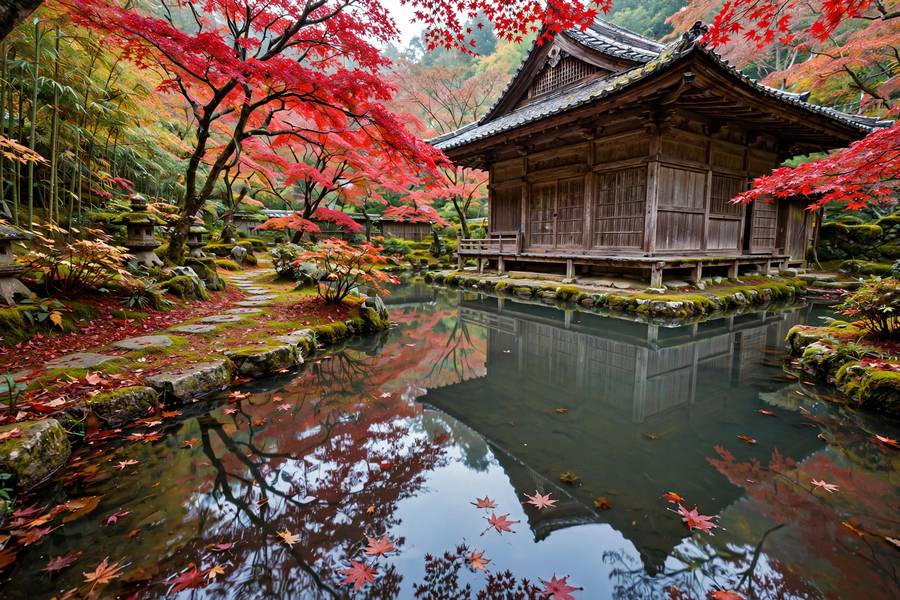
Kyoto, Japan: Beauty as a Discipline
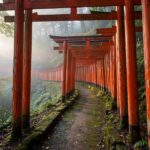
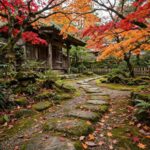
Kyoto is where beauty feels intentional — seventeen UNESCO sites, zen gardens designed for contemplation, geisha districts where tradition simply continues. In cherry blossom season or autumn color, it’s the most beautiful urban place I’ve ever been.
The honest version: Kyoto’s popularity is its curse. The famous sights from 10 a.m. to 4 p.m. are packed — structure days around dawn and evenings. Cost: $5,000–8,000 for ten days in Japan for two. When: late March–April, November.
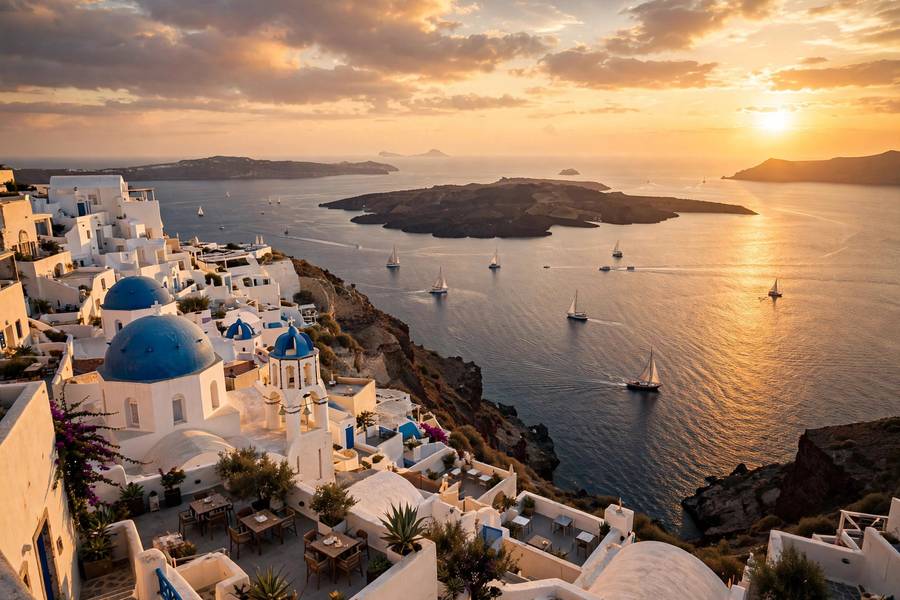
Santorini, Greece: The View That Silences Crowds
I’ve watched the caldera sunset twice, and both times hundreds of people went quiet. The white villages on black cliffs above the blue Aegean is a view that survives every cliché ever attached to it.
The honest version: stay in Imerovigli (same views, fewer crowds, cheaper than Oia), go in May or late September, and take the catamaran cruise — touristy, worth it. Cost: high for Greece; $300–600/night for caldera-view hotels in season. When: May–June, September.
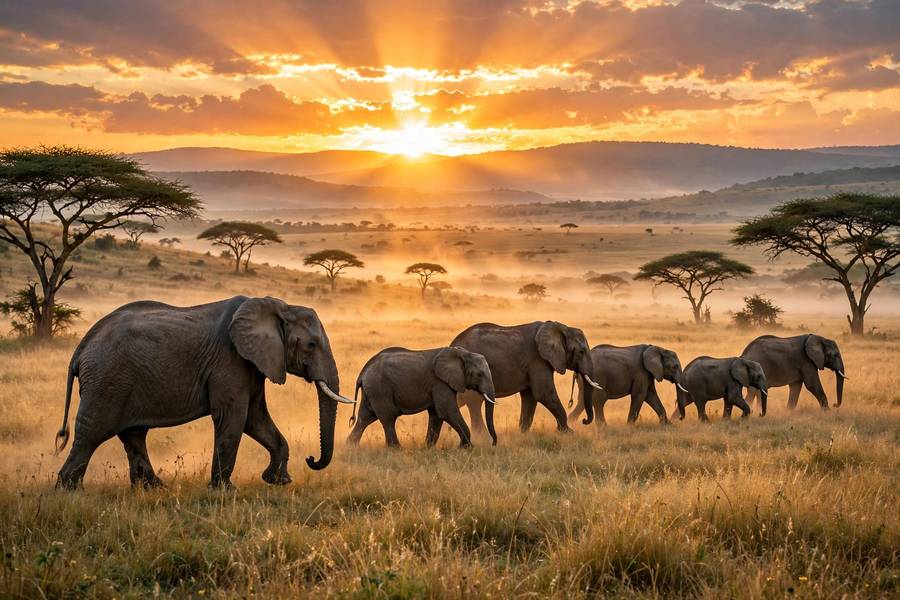
The Serengeti, Tanzania: The Most Alive Place on Earth
Sunrise over the Serengeti, a leopard in a tree fifty meters away, a million wildebeest moving like weather — a safari is the most viscerally alive travel experience I’ve had. It rearranges your sense of what the world contains.
The honest version: it’s expensive ($6,000–12,000 for two for a week) and worth every cent. Go in the shoulder seasons for lower rates and fewer vehicles. When: year-round, with the migration moving in a rough circle.
The Grand Canyon, USA: Scale You Can’t Photograph
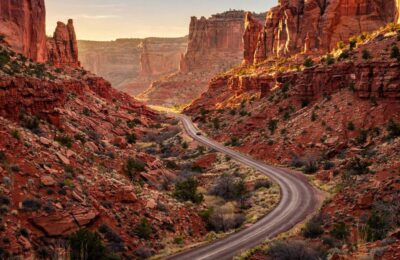
Photos flatten it. In person it’s a mile deep and eighteen miles wide, and standing at the rim at sunrise made me cry in front of strangers. Two billion years of geology, and you can hike into it.
The honest version: hike below the rim, even a little — 90% of visitors never do, and the canyon transforms once you descend. Go in April–May or September–October. The South Rim’s main viewpoints are packed by 10 a.m.; walk the Rim Trail west and the crowds vanish. Cost: very affordable — $35 vehicle entry, and the $80 annual parks pass covers everything.
Bali, Indonesia: The Island That Heals
Bali is the place I send burned-out friends. Not the Instagram Bali of swing photos and infinity pools — the real one: dawn offerings on village lanes, $2 warung lunches, waterfalls you hike to at sunrise, massages that cost $10 and fix your back.
The honest version: split your stay (Ubud + one coastal base — traffic makes single-base trips miserable), skip Kuta and the staged photo attractions, and go in April–May or September–October. Cost: $30–100/day covers everything from backpacker to comfortable. When: April–October dry season.
Petra, Jordan: The Lost City
You walk through the Siq — a narrow canyon, walls towering on both sides — and then the Treasury appears through the gap, rose-red and impossibly carved. It’s the greatest entrance to any sight in the world, and the site goes on for miles beyond it: the Monastery (800 steps up, bigger than the Treasury, a fraction of the crowds), royal tombs, a whole carved city.
The honest version: arrive at 6 a.m. opening to walk the Siq nearly alone, budget a full day, and stay for Petra by Night (Monday/Wednesday/Thursday — the Treasury by candlelight). Combine with Wadi Rum’s desert. Cost: $1,500–2,500 for a week in Jordan. When: March–May, September–November.
The Norwegian Fjords: Nature’s Cathedral
Mile-deep waterways between towering cliffs, waterfalls dropping a thousand feet — the fjords are the most awe-inspiring landscape in Europe. The cruise from Flåm to Gudvangen left me speechless, which doesn’t happen often.
The honest version: Norway is brutally expensive — self-catering and public transport help enormously. Cost: budget $200–300/day. When: May–September.
Rome, Italy: History You Can Touch
Six visits in, Rome still gets me: the Colosseum at opening time, rain falling through the Pantheon’s oculus, dinner in Trastevere as the light goes gold. No city on earth layers 2,000 years of history into daily life like Rome does.
The honest version: go in April–May or September–October (never August), and eat where the menu is in Italian first. Cost: moderate. When: April–May, September–October.
Bora Bora, French Polynesia: The Fantasy, Real
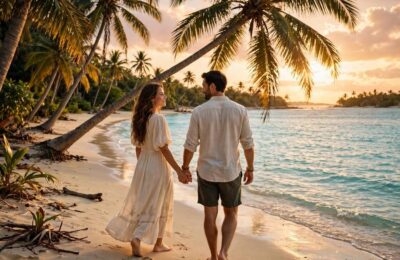
The honest version: it’s the most expensive trip on this list ($10,000–15,000+ for a week for two). The Maldives delivers 90% of the experience at 60% of the cost — choose Bora Bora if French Polynesia itself is the dream. When: May–October (dry season).
The Swiss Alps: The Mountains That Ruin Other Mountains
After the Jungfrau region, other mountains feel like a rough draft. The Swiss do alpine infrastructure better than anyone on earth.
The honest version: Switzerland is Europe’s priciest country; the Swiss Travel Pass softens transport costs. Hike hut-to-hut if you can — it’s the definitive Alps experience. Cost: $250–350/day. When: June–September for hiking.
Marrakech, Morocco: The Beautiful Overwhelm
The medina is beautiful chaos — souks, spices, artisans, the call to prayer over the rooftops — and then the Sahara: a camel trek at sunset, dinner by firelight in a luxury desert camp, sleeping under more stars than you’ve ever seen. It’s the most “story-worthy” trip on this list.
The honest version: Morocco is superb value ($3,500–6,000 for ten days for two). Hire a guide for the medina on day one, and don’t skip the desert — it’s the highlight.
The Galapagos, Ecuador: Evolution in Real Time
Blue-footed boobies doing their dance three meters away, giant tortoises lumbering past — the Galapagos is the only place on earth where wild animals genuinely don’t fear you, because they never learned to.
The honest version: it’s expensive and regulated (that’s why it’s pristine) — $4,000–7,000 per person for a week-long cruise, the best way to see it. Book 6–12 months ahead. This is ecotourism at its most essential: your fees fund the conservation. When: year-round; December–May is warmer with calmer seas.
New Zealand’s South Island: The Adventure Playground
Milford Sound’s cliffs in the rain (it’s better in the rain — hundreds of temporary waterfalls), Queenstown’s beautiful madness, the Southern Alps, penguins on the Otago coast. Two weeks driving the South Island is the great road trip — every hour the landscape reinvents itself.
The honest version: it’s far from everywhere (accept the flights), and the weather is changeable — pack layers and a good rain jacket. Campervanning is the classic way to do it. Cost: $6,000–9,000 for two weeks for two. When: November–March (their summer).
Iceland’s South Coast: Another Planet
The honest version: Iceland is expensive but the wonders are mostly free — the costs are food, lodging, and car rental. The hot dogs (€4) are a genuine budget strategy and a national treasure. Cost: $3,500–6,000 for a week for two. When: June–August for the full Ring Road; September–March for Northern Lights.
How to Actually Plan One of These Trips
The gap between dreaming and going is logistics, and it’s smaller than it looks:
Start with timing. Every destination above has a “when” — plan around it first, because the wrong season can ruin the right place.
Book the constrained things early. Machu Picchu entry, Galápagos cruises, Kyoto in blossom season, safari lodges — these sell out months ahead. Flights and hotels are flexible; permits and small-group experiences aren’t.
Build in rest. The trips I remember best had unscheduled days. One rest day per three active days is my ratio.
Sort documents early. My guides on how to apply for a passport and what to pack for international travel handle the practical side so you can focus on the extraordinary part.
Fifteen places, ten years, and the list keeps growing. Pick one. Go.
Frequently Asked Questions
There’s no single answer, but Machu Picchu, Kyoto, and the Serengeti top most travelers’ lists for good reason — each delivers an experience that can’t be replicated anywhere else. The “best” place is the one that matches how you like to travel: wonder, culture, nature, or adventure.
Bali ($30–100/day), Morocco ($3,500–6,000 for ten days for two), Peru ($1,500–2,500 for a week), and the US national parks ($35 entry, $80 annual pass) deliver world-class experiences at moderate prices. Shoulder-season timing cuts costs further everywhere.
Start with timing — pick destinations in their best season first. Then match the trip to your travel style (beach, culture, adventure, nature), be honest about your budget, and consider flight time: a 20-hour journey each way eats two days of a short trip.
Beauty is personal, but the Norwegian fjords, the Swiss Alps, Santorini’s caldera, and Kyoto in autumn are the places that most consistently leave travelers speechless. Each is beautiful in a completely different way — raw nature, sculpted mountains, coastal drama, or refined gardens.
Book constrained experiences 6–12 months ahead: Machu Picchu entry tickets, Galápagos cruises, Kyoto during cherry blossom season, and safari lodges all sell out. Flights and hotels can usually wait until 2–4 months out, when prices are in the sweet spot.
A Serengeti safari, the Galápagos, or Machu Picchu via the Inca Trail — each is genuinely unrepeatable elsewhere and tends to become the trip people talk about for decades. All three reward planning: book the key experiences 6–12 months ahead.