
Japan broke my “three-day city” rule. I plan most cities in threes — three days, see the highlights, move on. Tokyo got seven and I still left a list behind. Kyoto got five and I cried a little on the train out. This is a country that rewards the traveler who slows down, and punishes the one who tries to sprint through it.
I’ve been to Japan four times now, in cherry blossom season, in the thick of summer, and in the quiet of late autumn. These are the fifteen places I’d send a friend — the ones that earned their spot, not the ones that photograph well and disappoint in person.
Table of Contents
- Tokyo: The Essential Metropolis
- Kyoto: Japan’s Soul
- Osaka: Eat Everything
- Hiroshima and Miyajima: History and Beauty
- Nara: Temples and Deer
- Hokkaido: The Wild North
- Okinawa: Japan’s Tropics
- The Japanese Alps: Takayama and Beyond
- Honorable Mentions
- How to String Them Together
Tokyo: The Essential Metropolis
Everyone tells you Tokyo is overwhelming. They’re wrong — it’s overwhelming for about six hours, and then something clicks and it becomes the most navigable big city on earth. The trains run on time to the minute. The neighborhoods each have a distinct personality. And the food — at every price point — is the best urban eating I’ve had anywhere.
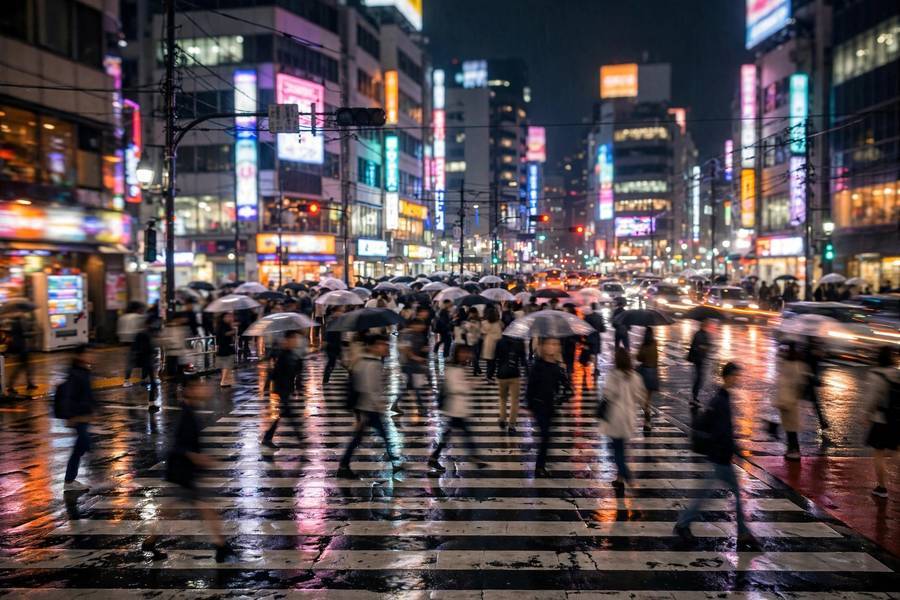
Don’t miss: Senso-ji Temple in Asakusa early in the morning (before the crowds, it’s serene), the Meiji Shrine’s forested approach, and at least one evening just wandering Shimokitazawa’s vintage shops and tiny bars. The Shibuya crossing is worth seeing once, preferably from the Starbucks overlooking it — then move on.
My honest advice: Skip the Tokyo Skytree unless you love observation decks. Instead, go to the free observatory at the Tokyo Metropolitan Government Building in Shinjuku — same sweeping view, zero yen, fraction of the line. And give Tokyo at least four full days. Three is a tease.
If you’re still sorting logistics, my guide on how to apply for a passport covers the document side so you can focus on the fun part.
Kyoto: Japan’s Soul
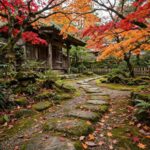
Kyoto is where Japan keeps its history. Seventeen UNESCO sites in one city. Geisha districts where you might actually spot a maiko hurrying to an appointment. Zen gardens designed to be contemplated, not photographed (though you’ll photograph them anyway).
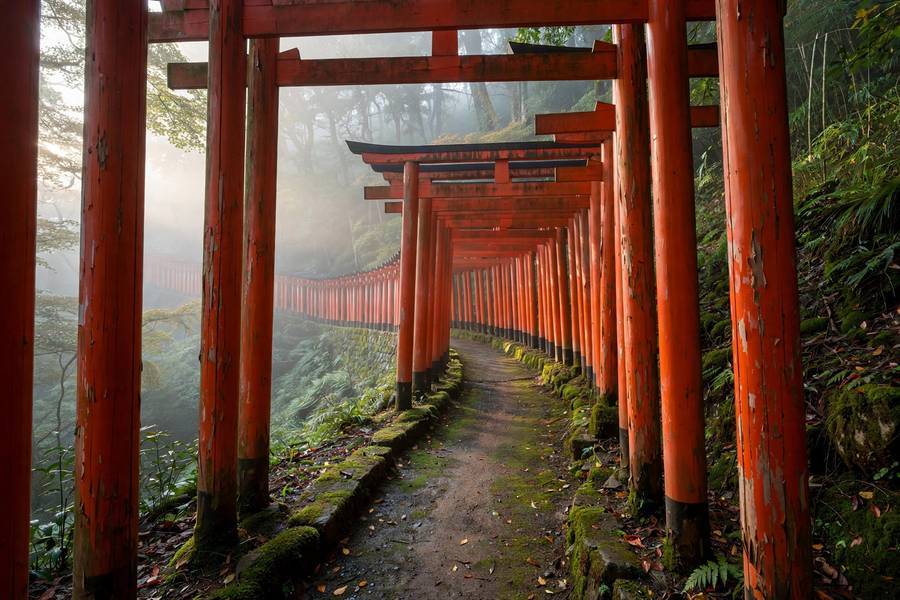
Don’t miss: Fushimi Inari at dawn — the famous tunnel of red torii gates stretches up the mountain, and if you go before 7 a.m., you’ll share it with almost no one. Hike at least partway up; most visitors turn back after the first viewpoint, and the upper trails are peaceful. Arashiyama Bamboo Grove is beautiful but mobbed by mid-morning — pair it with the nearby Otagi Nenbutsu-ji temple, a hillside of moss-covered stone statues that almost nobody visits.
My honest advice: Kyoto’s popularity is its curse. The main sights between 10 a.m. and 4 p.m. are packed. Structure your days around early mornings and evenings — the temples at opening time, the Gion district after dark. And stay in a machiya (traditional townhouse) at least one night instead of a business hotel. It changes how the city feels.
Osaka: Eat Everything
Osaka is Kyoto’s fun sibling — less refined, more delicious. The city’s motto might as well be “eat until you drop” (the locals literally have a phrase for it: kuidaore). Dotonbori’s neon chaos, takoyaki from a street stall, kushikatsu in a smoky basement joint — this is Japan’s kitchen, and it knows it.
Don’t miss: A food tour or at least a self-guided eating crawl through Dotonbori and Kuromon Market. Osaka Castle is worth a look from the outside (the interior is a modern museum — manage expectations). The Umeda Sky Building’s floating garden observatory gives you the skyline without the Skytree lines.
My honest advice: Many travelers skip Osaka or use it only as a base for day trips. Don’t. Give it two days minimum. And if you’re deciding between Osaka and Tokyo for nightlife, Osaka wins on warmth — strangers will adopt you here.
Hiroshima and Miyajima: History and Beauty
Hiroshima’s Peace Memorial Park is one of the most moving places I’ve stood anywhere in the world. The Atomic Bomb Dome, preserved as it was, and the museum — go. It’s heavy, it’s important, and the city’s message of peace, delivered without bitterness, is extraordinary.
Then take the ferry to Miyajima Island, where the famous “floating” torii gate of Itsukushima Shrine rises from the sea at high tide. Stay overnight if you can — the day-trippers leave, the deer wander the quiet streets, and the illuminated gate at night is pure magic. The hike up Mount Misen through primeval forest is one of Japan’s great short walks.
My honest advice: This is an easy pairing — one day for Hiroshima, one night on Miyajima. Don’t rush the museum; give it the time it deserves.
Nara: Temples and Deer
An easy day trip from Kyoto or Osaka, Nara was Japan’s first permanent capital, and its great bronze Buddha at Todai-ji Temple — housed in one of the largest wooden buildings on earth — is genuinely awe-inspiring. The freely roaming deer of Nara Park are charming (buy the special crackers; they’ll bow for them, which never stops being delightful).
My honest advice: Go early, see Todai-ji and Kasuga Taisha shrine with its hundreds of stone lanterns, and be back in Kyoto for dinner. Half a day is plenty unless you’re a temple completist.
Hokkaido: The Wild North
Japan’s northern island feels like a different country — wide-open spaces, dairy farms, lavender fields in summer, and the best powder skiing in the world in winter. Sapporo’s Snow Festival in February transforms the city into an outdoor gallery of massive snow sculptures.
Don’t miss: In summer, the flower fields of Furano and the blue pond of Biei. In winter, Niseko’s legendary powder (book far ahead — it’s discovered). Year-round, the seafood — Hokkaido’s crab, uni, and soup curry are worth the trip alone.
My honest advice: Hokkaido rewards drivers. Rent a car and explore the countryside at your own pace. Public transport exists but the island is big and the good stuff is spread out. For packing across Japan’s varied climates, see what to pack for international travel.
Okinawa: Japan’s Tropics
A chain of subtropical islands closer to Taiwan than Tokyo, Okinawa has its own distinct culture, language history, and some of the clearest water in the Pacific. The main island has WWII history and the excellent Churaumi Aquarium; the outer islands (Ishigaki, Miyako, the Keramas) have beaches that rival Southeast Asia.
My honest advice: Okinawa is best as a dedicated beach add-on, not a day trip. Give it 4–5 days, pick one outer island, and slow down. This is also where Japan’s slow travel ethos shines — rent a scooter, find a beach shack, stay a while.
The Japanese Alps: Takayama and Beyond
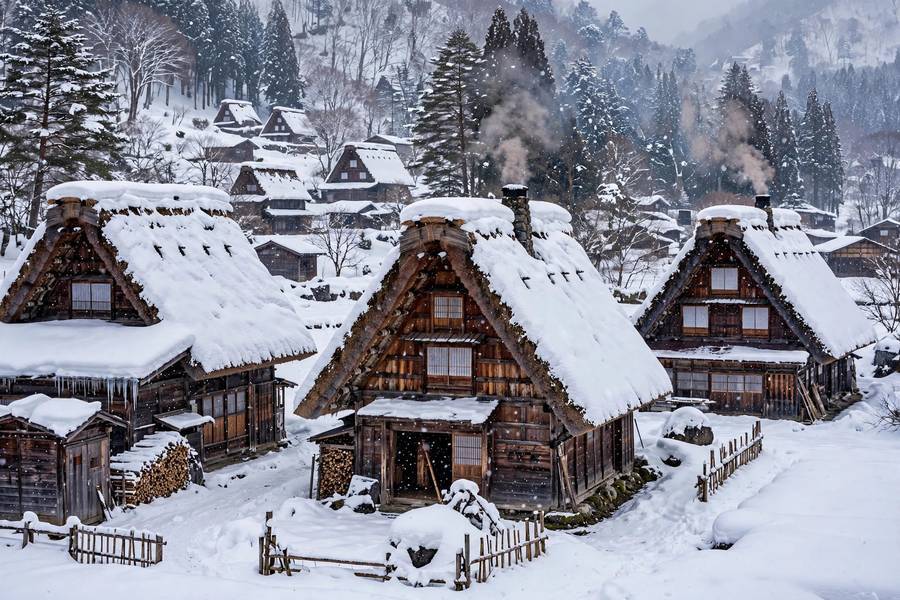
The mountain town of Takayama preserves an Edo-period old town of dark wooden merchant houses, sake breweries, and morning markets that have run for centuries. Nearby Shirakawa-go’s thatched-roof farmhouses, buried in snow in winter, look like a storybook.
Don’t miss: The Hida Folk Village, the morning markets, and trying Hida beef (it rivals Kobe). If you’re here in winter, the Shirakawa-go light-up events are magical but require planning — access is controlled.
My honest advice: This region is the antidote to big-city Japan. Two to three days here, ideally with a night in a ryokan (traditional inn) with kaiseki dinner and an onsen bath. It’s not cheap, but it’s the single most “Japan” experience you can buy.
Honorable Mentions
- Koyasan: Stay overnight in a Buddhist temple, join the morning prayers, and walk the lantern-lit forest cemetery of Okunoin at dusk. Profound.
- Hakone: Hot springs, views of Fuji (on clear days), and the open-air museum. The classic Tokyo side trip.
- Naoshima: An island of contemporary art museums in the Seto Inland Sea. Weird, wonderful, worth the effort.
- Kobe: Come for the beef, stay for the harbor views and the sake district of Nada.
- Yakushima: Ancient cedar forests that inspired Princess Mononoke. For hikers only, and happily so.
How to String Them Together
For a first trip of 10–14 days, here’s the route I’d recommend: Tokyo (4 days) → Hakone or the Alps (2 days) → Kyoto (4 days, with day trips to Nara and Osaka) → Hiroshima/Miyajima (2 days). That’s the classic Golden Route, and it’s classic for a reason.
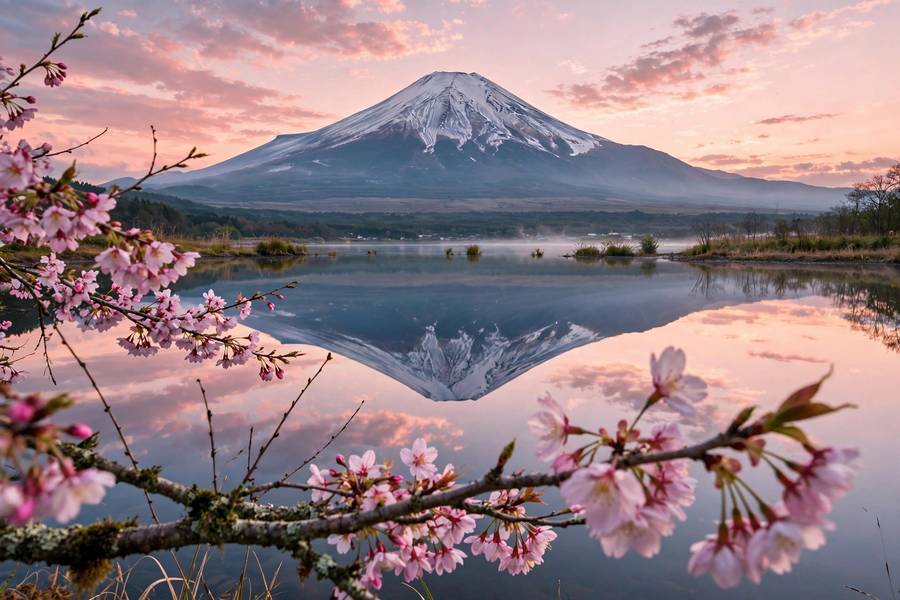
For a second trip: Hokkaido or Okinawa or Kyushu, done slowly. Japan’s greatest gift to the traveler is depth — every region could fill its own trip. Don’t try to see it all. See some of it well.
One practical note: the Japan Rail Pass used to be a no-brainer; recent price hikes mean you should actually do the math now. Price out your long-distance legs individually before buying — for some itineraries, regional passes or even domestic flights win.
Frequently Asked Questions
Ten to fourteen days is the sweet spot for a first trip, covering Tokyo, Kyoto, and Hiroshima/Miyajima with day trips. A week forces painful cuts; three weeks lets you add Hokkaido, Kyushu, or the Alps at a relaxed pace.
Late March to early April for cherry blossoms and October-November for autumn colors and comfortable weather. Summer (June-August) is hot, humid, and rainy; winter is excellent for skiing in Hokkaido and uncrowded sightseeing elsewhere.
It can be, but it’s more manageable than its reputation. Business hotels, convenience-store meals, and regional trains keep costs reasonable; splurge selectively on one ryokan night and standout meals. Budget roughly $150-250 per day mid-range, less if you’re careful.
No. Major stations, signs, and tourist infrastructure have English, and translation apps handle the rest. Learning a few phrases (hello, thank you, excuse me) goes a long way socially and is deeply appreciated.
Tokyo for energy, food, and sheer variety; Kyoto for history, temples, and traditional culture. For a first-timer who wants the essential Japan contrast, do both — they’re only 2.5 hours apart by bullet train.
Not automatically anymore. After the 2023 price increase, you need to price your long-distance legs individually — for the classic Tokyo-Kyoto-Hiroshima route it can still pay off, but shorter trips often do better with regional passes or single tickets.