
Europe is the continent I’ve traveled most — dozens of trips over a decade, from the Arctic Circle to Sicily. I applied one rule to this list: only places I’d genuinely go back to tomorrow, with the honest version of each — costs, crowds, and the thing that surprised me.
Table of Contents
- Rome, Italy: The Eternal City Earns It
- Santorini, Greece: The View That Survives Hype
- Prague, Czech Republic: The Fairytale, Still Affordable
- The Swiss Alps: Nature’s Masterpiece
- Barcelona, Spain: The City That Never Sits Still
- Amalfi Coast, Italy: The Beautiful Splurge
- Edinburgh, Scotland: The Moody Charmer
- Lisbon, Portugal: Europe’s Best Value Capital
- Norwegian Fjords: The Awe Trip
- Vienna, Austria: The Elegant One
- Dubrovnik, Croatia: The Walled Wonder
- The Scottish Highlands and Isle of Skye
- Seville, Spain: The Passionate One
- Cinque Terre, Italy: The Colorful Coast
- Reykjavik and South Coast, Iceland: The Otherworldly One
- How to String Them Together
- What I’d Skip
- Frequently Asked Questions
Rome, Italy: The Eternal City Earns It
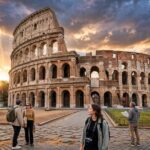
Six visits and Rome still gets me. The Colosseum at 8:30 a.m. before the crowds, the Pantheon in the rain (water falling through the oculus), Trastevere in the evening when the light goes gold. Rome demands strategy — book everything timed-entry in advance, go in April–May or September–October, never August — but it pays back more than any city in Europe.
Budget: moderate. Great food is cheap if you eat where Romans eat; the sights are the main cost. Stay: 4 days minimum.
Santorini, Greece: The View That Survives Hype
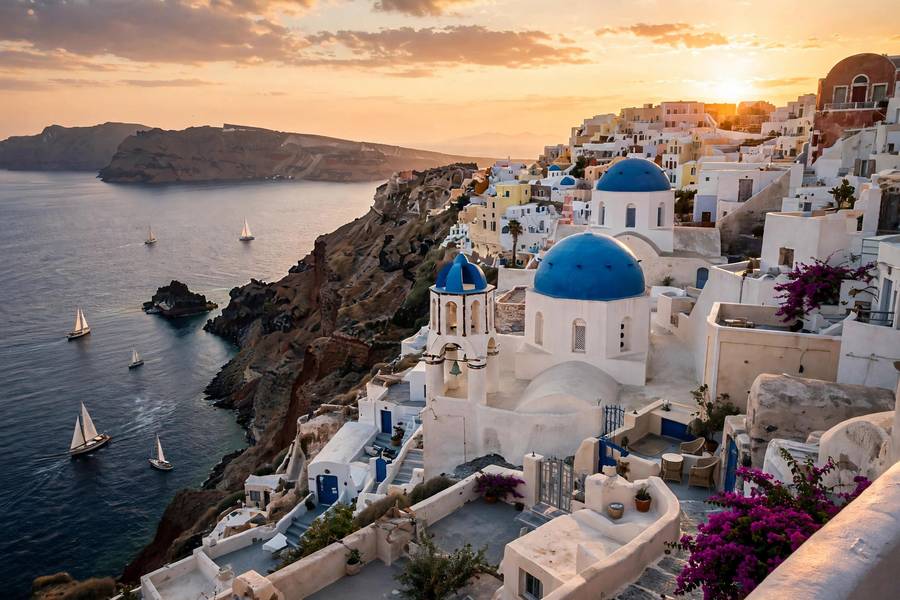
I’ve stood at the caldera edge twice and both times the crowd went quiet — that almost never happens. The white villages on black cliffs above the deepest blue Aegean is a view that survives every Instagram cliché.
My honest advice: stay in Imerovigli, not Oia — same caldera, half the crowds, 20–30% cheaper. Go in May or late September. Take the catamaran sunset cruise (€80–120) — it’s touristy and completely worth it. Budget: high for Greece. Stay: 3 days.
Prague, Czech Republic: The Fairytale, Still Affordable
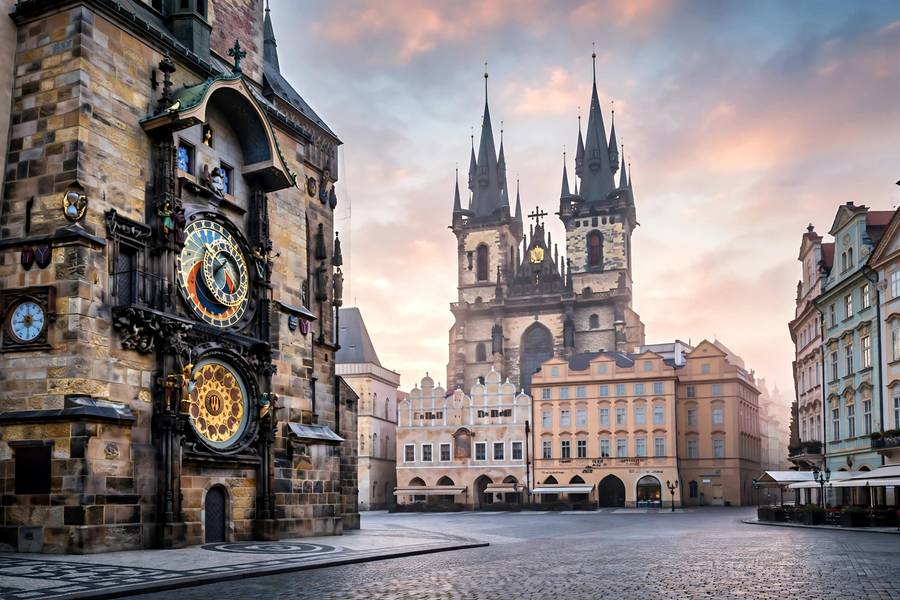
Prague is the best-preserved medieval city in Europe, and it’s still shockingly affordable — a great dinner for €15, excellent beer for €2.50. The Old Town Square at dawn (before the crowds) is pure fairytale; Charles Bridge at sunrise is one of Europe’s great free experiences.
Don’t miss: the castle complex (half a day minimum) and a classical concert in a baroque church (€20–30 — they’re everywhere and wonderful). Budget: low. Stay: 3 days.
The Swiss Alps: Nature’s Masterpiece
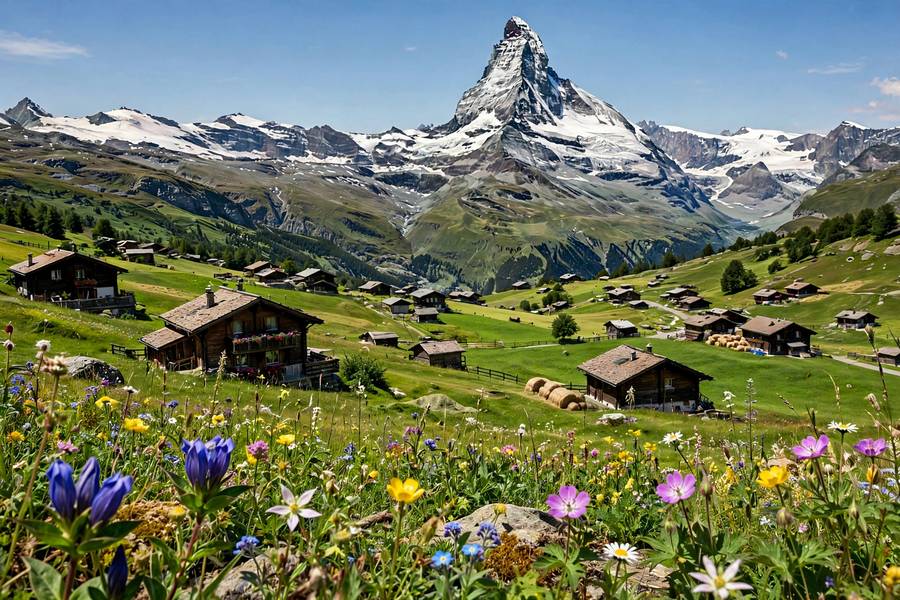
The Alps are the most beautiful mountains I’ve seen anywhere, and the Swiss do mountain infrastructure better than anyone — trains that arrive to the minute, trails for every level, mountain huts serving rosti with views that should be illegal.
Do: the Jungfrau region (the Lauterbrunnen valley’s 72 waterfalls, the train to Jungfraujoch), Zermatt for the Matterhorn, and at least one hut-to-hut hike. Budget: high — Switzerland is Europe’s priciest country.
Barcelona, Spain: The City That Never Sits Still
Gaudí’s fever-dream architecture, the beach ten minutes from the center, tapas culture, neighborhoods with distinct personalities — Barcelona has more energy per square mile than anywhere else in Europe. The Sagrada Família interior, when the sun hits the stained glass, is one of the great man-made sights on earth.
My honest advice: book Sagrada Família tickets weeks ahead (they sell out), skip the Las Ramblas tourist gauntlet, and base in Gràcia or El Born. Budget: moderate. Stay: 3–4 days.
Amalfi Coast, Italy: The Beautiful Splurge
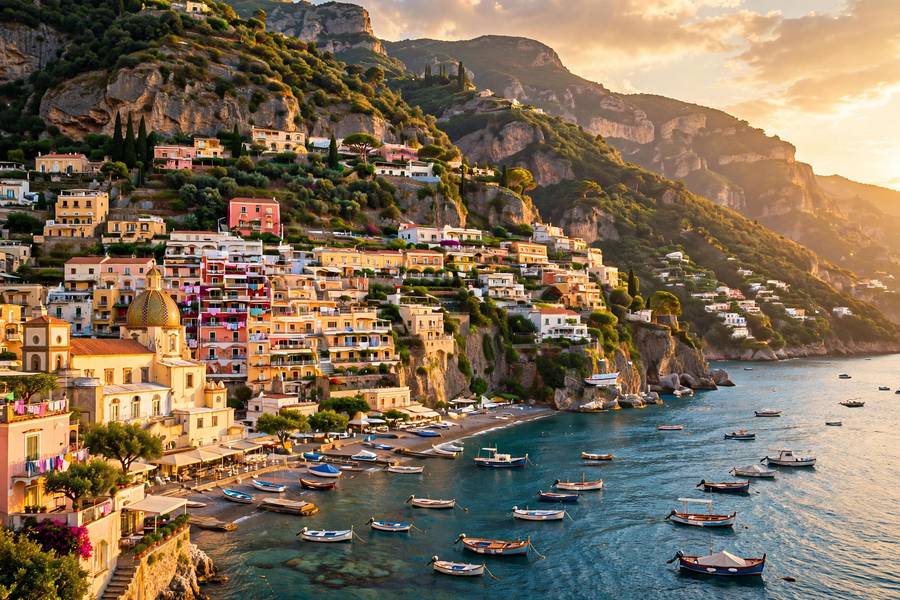
Positano cascading down the cliffs, lemons everywhere, the sea doing impossible shades of blue — the Amalfi Coast is almost offensively beautiful. It’s also offensively expensive and crowded in summer.
The trick: base in Sorrento or Praiano (30–40% cheaper than Positano), visit in May or September, and take the ferry between towns instead of the cliff road bus. The Path of the Gods hike (Bomerano to Nocelle, free) gives you the coast’s best views for the price of a sandwich. Budget: high. Stay: 3–4 days.
Edinburgh, Scotland: The Moody Charmer
Edinburgh is the most atmospheric city in Britain — a medieval Old Town stacked on a volcanic ridge, a castle on the rock, closes and wynds that feel like a film set. In August the Fringe Festival turns it into the world’s biggest arts party; the rest of the year it’s moody, literary, and wonderful.
Budget: moderate. Stay: 2–3 days, more during the Fringe (book a year ahead for August).
Lisbon, Portugal: Europe’s Best Value Capital
Lisbon gives you the European capital experience — trams, miradouros (viewpoints), fado music, incredible food — at prices 30–40% below Paris or Rome. A coffee costs €1, a great dinner €20, and the light on the Tagus river is something painters chase.
Do: Alfama’s maze-like streets, Belém (pastéis de nata warm from the oven — non-negotiable), and a day trip to Sintra’s palaces. Budget: low-moderate. Stay: 3–4 days.
Norwegian Fjords: The Awe Trip
The fjords are the single most awe-inspiring landscape in Europe — mile-deep waterways between cliffs, waterfalls dropping a thousand feet, tiny farms clinging to impossible slopes. The Norway in a Nutshell route (train, bus, fjord cruise) is touristy and absolutely worth it.
Budget: high — Norway is brutally expensive. Self-catering and the excellent public transport help. Stay: 4–5 days. When: May–September. My tip: the Flåm railway is famous, but the fjord cruise from Flåm to Gudvangen is the real star.
Vienna, Austria: The Elegant One
Vienna is Europe’s most livable city and its most elegant — imperial palaces, coffee houses where your melange comes with a glass of water and no rush, classical music everywhere. It’s less “exciting” than Barcelona and more deeply satisfying.
Do: Schönbrunn Palace, a Mozart or Strauss concert (€30–50, worth it), and at least one traditional coffee house. Budget: moderate-high. Stay: 3 days.
Dubrovnik, Croatia: The Walled Wonder
The walled old town rising from the Adriatic is stunning — walk the full city walls at 8 a.m. (before the cruise crowds and the heat) for one of Europe’s great urban views. Then take the cable car up Srđ mountain at sunset.
My honest advice: Dubrovnik is the most cruise-crowded city in Europe. Stay overnight (the day-trippers leave by 5 p.m. and the old town becomes magical) and visit in May or September–October. Budget: moderate-high. Stay: 2–3 days.
The Scottish Highlands and Isle of Skye
If the fjords are Europe’s most awe-inspiring landscape, Skye is its most romantic — misty, moody, otherworldly. The Quiraing, the Old Man of Storr, fairy pools and glens. Drive the North Coast 500 if you have a week; it’s one of the world’s great road trips.
Budget: moderate. Stay: 3–4 days for Skye, a week for the NC500. When: May–June for the best weather odds (Scotland and weather are a negotiation, not a guarantee). My tip: book accommodation far ahead — Skye’s lodging sells out months out.
Seville, Spain: The Passionate One
Seville is Spain’s soul — flamenco, orange trees, the Alcázar’s Moorish splendor, tapas bars where the whole city seems to be eating at once. The Plaza de España is the most beautiful square in Europe, and it’s free.
Do: the Alcázar (book ahead), the cathedral and Giralda tower, and tapas-hopping in the old town. Budget: low-moderate. Stay: 3 days.
Cinque Terre, Italy: The Colorful Coast
Five pastel villages connected by cliff paths above the Ligurian Sea — it’s the Italy of postcards, and the hiking between villages (especially Monterosso to Vernazza) is genuinely lovely. The pesto here (it’s the birthplace) will ruin all other pesto for you.
My honest advice: it’s small and gets overwhelmed in summer. Go in May or September, hike early, swim in the afternoon. Budget: moderate-high. Stay: 2–3 days.
Reykjavik and South Coast, Iceland: The Otherworldly One
Black beaches, waterfalls you can walk behind, glaciers, geysers (the word comes from here), and the Northern Lights in winter. Iceland feels like another planet, and the South Coast drive (Reykjavik to Vik and beyond) packs absurd density of wonders into a few days.
Budget: high — Iceland is expensive, though the hot dogs (€4) are a national treasure and a genuine budget strategy. Stay: 4–5 days minimum for the South Coast; a week for the Ring Road. When: June–August for the full Ring Road; September–March for Northern Lights.
How to String Them Together
Europe’s density is its superpower — budget airlines and trains make multi-stop trips easy. Some combinations that work beautifully:
Classic first-timer (2 weeks): Rome → Florence → Venice, or Paris → Barcelona → Seville. Don’t add a fourth city; three done well beats four rushed.
The rail pass loop (2–3 weeks): Prague → Vienna → Budapest, or Amsterdam → Bruges → Paris — trains drop you in city centers.
My favorite pairing: Lisbon + Seville (4 hours apart, wildly different, both affordable), or Edinburgh + the Highlands.
What I’d Skip
Over-scheduled mega-tours: “10 countries in 12 days” is how you see Europe through a bus window. Pick fewer places and actually be in them.
Peak-season famous spots without a plan: the Eiffel Tower area in August, Dubrovnik at noon when four cruise ships are in, the Trevi Fountain at 2 p.m. Timing beats skipping — go early, go in shoulder season.
Destinations in their worst season: Scandinavia in November darkness, the Mediterranean in August furnace, the Alps’ muddy in-between months. A great place at the wrong time is just a disappointment with good PR.
Europe rewards the traveler who picks fewer places and stays longer — the short version of slow travel. And if your passport’s been gathering dust since 2019, here’s how to apply for a passport before you fall in love with a flight deal.
Frequently Asked Questions
Italy is the best first-timer pick — Rome, Florence, and Venice deliver art, food, and history in one trip with easy logistics. Spain (Barcelona + Seville) is a close second for value, and Portugal offers the same European capital experience at 30–40% lower prices.
Two weeks lets you see three cities or regions well without rushing. Three cities done properly beats five rushed ones — Europe rewards depth, and travel days between stops eat more time than expected.
November–March (excluding Christmas) is cheapest, with the shoulder months of April–May and September–October offering the best balance of good weather, thinner crowds, and lower prices. August is the most expensive and crowded month across southern Europe.
Lisbon, Prague, Seville, Budapest, and Krakow deliver the full European experience at the lowest prices — great dinners for €15–20 and excellent public transport. Even expensive cities get cheaper in shoulder season and in neighborhoods away from the center.
Trains win for distances under 4–5 hours — city-center to city-center, no airport hassle, scenic routes. Budget airlines win for longer hops (book early for the best fares). For most multi-city trips, a mix of both works best.
Skip over-scheduled multi-country tours, famous sights at peak hours without timed tickets (book ahead and go early), and any destination in its worst season — Scandinavia in November darkness or the Mediterranean in August heat will disappoint regardless of how great the place is.