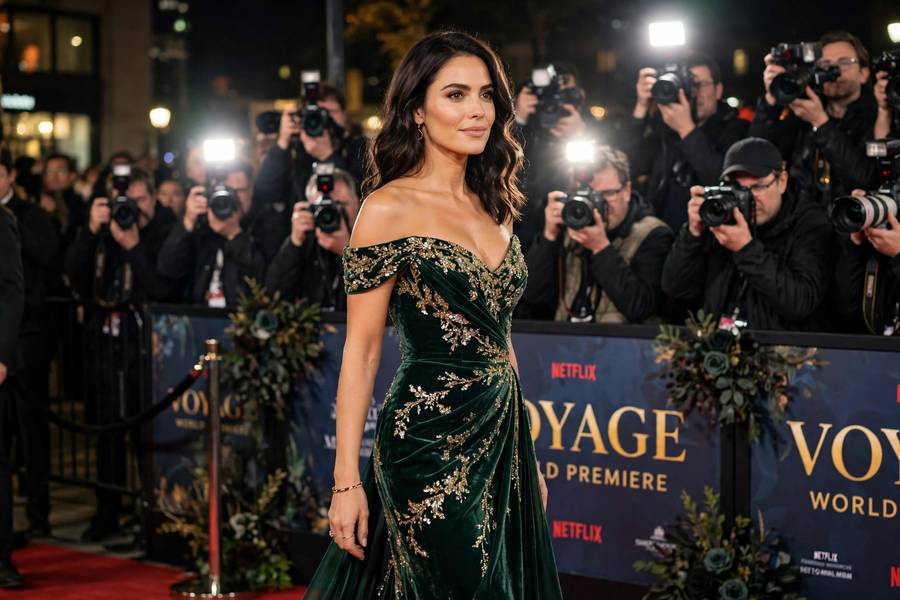
“Best red carpet looks” lists are usually just slideshows. I find them more interesting as business artifacts. Every iconic red carpet moment is a transaction: a fashion house lending (or paying for) placement, a stylist negotiating the deal, a celebrity’s team calculating image value, and photographers generating the earned media that makes the whole thing worth millions.
So here’s my list of the genuinely iconic moments — the ones fashion historians keep returning to — with the machinery behind each one. Because the dress is never just a dress. I’m sticking to widely documented moments and being clear about what’s reported versus what’s my analysis.
Table of Contents
- How a Red Carpet Look Actually Gets Made
- The Moments That Changed the Game
- The Modern Icons: 2010s to Today
- The Menswear Revolution
- The Stylists: Fashion’s Hidden Power Brokers
- The Money: What a Great Look Is Worth
- When It Goes Wrong: The Risk Side
- Frequently Asked Questions
How a Red Carpet Look Actually Gets Made
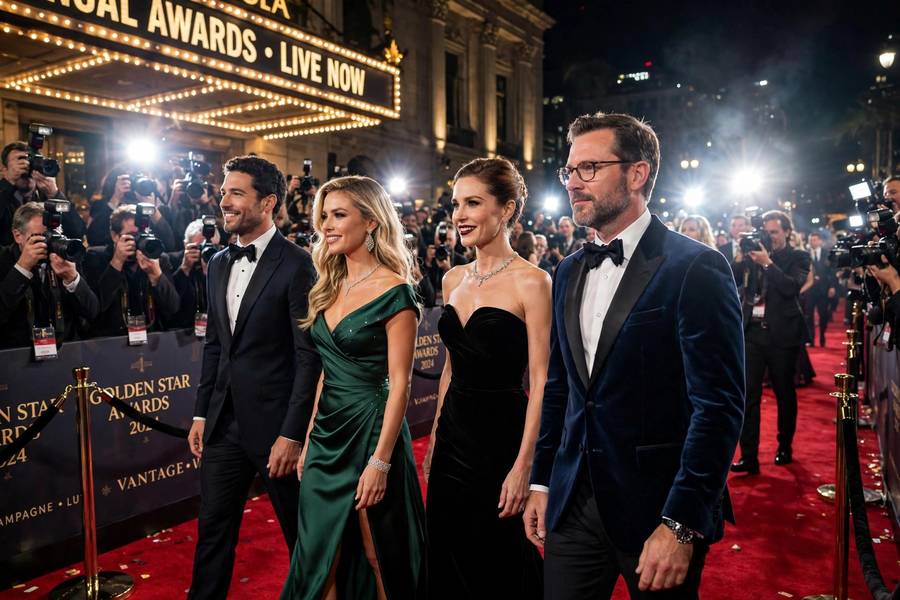
Before the list, the process — because understanding it changes how you see every photo:
- Months out, a stylist pulls options from fashion houses for a specific event. Relationships matter enormously here — houses prioritize stylists who deliver major placements.
- The deal is negotiated. Sometimes the house loans the gown free (standard for big stars). Sometimes there’s a paid ambassadorship. Sometimes — and this is the open secret — the celebrity’s team pays for the privilege of wearing an emerging designer’s work if the placement value justifies it.
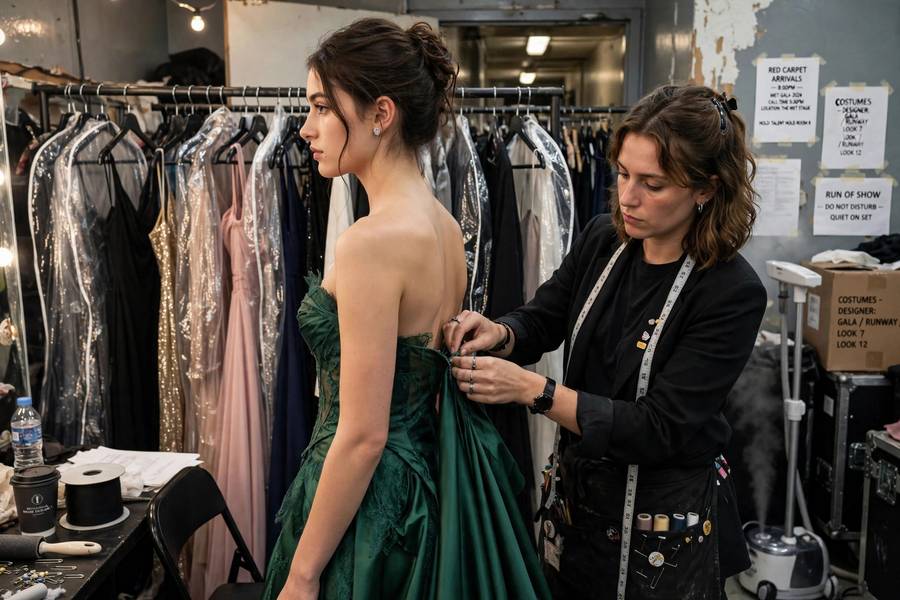
- Fittings happen over several sessions. Gowns are altered to the millimeter; jewelry, shoes, and bags are coordinated (often separate deals with separate houses).
- The “who are you wearing” moment is the payoff — a brand name broadcast to hundreds of millions of viewers. That single sentence is worth more than most ad campaigns.
- After the event, best-dressed lists amplify the winners for another news cycle. The earned media value compounds for days.
Nobody on a major red carpet is “just wearing something they liked.” Every look is a negotiated outcome. Keep that in mind and the whole genre gets more interesting.
The Moments That Changed the Game
These are the looks that didn’t just photograph well — they altered how the red carpet works:
- Björk’s swan dress, 2001 Oscars. Designed by Marjan Pejoski, it was mocked at the time and is now arguably the most referenced red carpet moment ever. The business lesson: the looks that last are the ones that take risks. Safe never becomes iconic.
- Halle Berry’s sheer Elie Saab gown, 2002 Oscars. Worn the night she became the first Black woman to win Best Actress — the look is inseparable from the historic moment, which is precisely why it endures. Context is half of every iconic look.
- Jennifer Lopez’s green Versace dress, 2000 Grammys. So searched-for that it’s widely credited with inspiring the creation of Google Images. A single dress demonstrated the internet-scale value of a red carpet moment — the template for everything since.
- Rihanna’s yellow Guo Pei gown, 2015 Met Gala. A then-little-known Chinese couturier on the biggest fashion stage in the world, generating days of global coverage. It proved the red carpet could launch a designer internationally overnight — and reportedly transformed Guo Pei’s business.
- Lady Gaga’s meat dress, 2010 VMAs. Not fashion in any conventional sense — a provocation engineered for maximum media multiplication. It worked: we’re still discussing it. The lesson isn’t “wear meat,” it’s that the red carpet rewards a clear concept executed fearlessly.
What unites them: each look had a point of view. They weren’t just beautiful — they were statements, and statements get remembered.
The Modern Icons: 2010s to Today
The recent era belongs to a small group of stars and their stylists, who turned red carpet dressing into a serialized art form:
- Zendaya — working with stylist Law Roach, her run of looks (the Joan of Arc-inspired Louis Vuitton at the 2018 Met Gala, the vintage Mugler “wet look” robot suit, the Valentino pink at various events) made her arguably the defining red carpet figure of her generation. The strategy was method dressing before it had a name: each look a character, each event a new chapter.
- Lupita Nyong’o’s 2014 Oscars Prada gown — the ice-blue dress that launched a thousand “best dressed” coronations and, reportedly, a major Prada campaign relationship. The rare look that was simultaneously universally flattering and commercially explosive.
- Billy Porter’s tuxedo gown, 2019 Oscars — designed by Christian Siriano, it detonated the menswear conversation (more on that below) and demonstrated that the red carpet’s biggest currency is surprise.
- Timothée Chalamet’s consistent rule-breaking — from the sparkling Louis Vuitton harness to the backless halter top, his looks proved menswear could generate the same frenzy as gowns, opening the door for every man who followed.
- Rihanna’s maternity-era looks — her pregnancy red carpets rewrote the rules for maternity dressing in public life, blending high fashion with radical openness. Culturally significant beyond fashion.
My analysis of why these worked: each star-stylist pair built a narrative arc across events rather than one-off outfits. The audience started following the story, not just the dress. That’s serialized content thinking applied to fashion — and it’s why these names dominate the discourse.
The Menswear Revolution
For decades, men’s red carpet dressing was a desert of black tuxedos. The last ten years changed that, and it’s worth documenting as its own phenomenon:
- Pharrell Williams spent years proving men could do interesting red carpet — the oversized Vivienne Westwood hat at the 2014 Grammys became its own meme-economy.
- Chadwick Boseman’s impeccably tailored, color-rich looks set a standard for regal menswear before his passing.
- The Chalamet/Porter/Styles axis — Harry Styles’ feather boas, pearl necklaces, and Gucci suits, alongside Chalamet and Porter, collectively moved the Overton window for what men wear to formal events.
The business angle: menswear was an under-monetized red carpet category, and fashion houses noticed. The expansion of men’s red carpet fashion opened new endorsement and ambassadorship inventory — which is exactly how celebrity endorsement markets evolve: attention creates inventory, inventory gets sold.
The Stylists: Fashion’s Hidden Power Brokers
The most powerful people on the red carpet aren’t the celebrities — they’re the stylists. Law Roach (Zendaya, Celine Dion), Petra Flannery, Kate Young, Elizabeth Stewart, Jason Bolden — these names decide what the world sees, and fashion houses court them like studios court directors.
The economics: top stylists command enormous fees, but their real power is allocative — they decide which house gets the placement. A stylist choosing an emerging designer over an established house can change a career overnight. That gatekeeper power is why stylists now have their own public profiles, brand deals, and television careers. The machinery became visible because it became too powerful to stay hidden.
It’s the same agency dynamic you’ll find across entertainment — the representatives structuring the deals often matter as much as the talent. The mechanics of how talent agents work in Hollywood have a direct parallel in how stylists operate in fashion: commission, relationships, and placement power.
The Money: What a Great Look Is Worth
Let’s quantify what “best dressed” actually means in dollars:
- For the fashion house: A major red carpet placement generates earned media value routinely estimated in the millions — global press coverage, social media amplification, search interest. Houses reportedly pay top stars six or seven figures annually for ambassadorships that guarantee this placement. The red carpet is, functionally, the most efficient advertising channel in luxury fashion.
- For the celebrity: A great look builds fashion credibility, which converts to beauty contracts, brand deals, and cover placements. The best-dressed list is a business development tool. Rihanna’s fashion credibility underpins a billion-dollar business empire; the red carpet was part of building it.
- For the stylist: Each iconic look raises their fee and their waiting list. The stylist’s portfolio is the red carpet.
- For emerging designers: One placement can be career-making — the Guo Pei example is the extreme case, but the pattern repeats at smaller scale constantly.
And the costs: custom couture gowns can run from tens of thousands into six figures to produce; jewelry loans involve pieces worth millions, transported with security. The red carpet looks effortless. The logistics are military.
When It Goes Wrong: The Risk Side
The worst-dressed list is the shadow market of the best-dressed list, and the risks are real:
- Fashion misfires generate mockery that attaches to the celebrity’s brand. Stylists have been fired over single looks.
- Cultural appropriation controversies have ended endorsement relationships. The line between appreciation and appropriation is policed ruthlessly and inconsistently.
- Wardrobe malfunctions become the story instead of the look — every stylist’s nightmare, guarded against with tape, sewing kits, and backup plans.
- Playing it safe is its own risk: forgettable looks generate nothing — no coverage, no deals, no momentum. On the red carpet, invisibility is failure.
The risk calculus explains why the same stars work with the same stylists for years: trust is the scarcest commodity. When millions in brand value ride on one outfit, you don’t experiment with new vendors.
Frequently Asked Questions
The most referenced moments include Björk’s 2001 Oscars swan dress, Jennifer Lopez’s green Versace dress at the 2000 Grammys, Halle Berry’s 2002 Oscars Elie Saab gown, Rihanna’s yellow Guo Pei Met Gala gown in 2015, and Lady Gaga’s 2010 VMAs meat dress. What unites them: each had a distinct point of view rather than just being beautiful.
Usually not directly — fashion houses typically loan gowns to major stars for free because the media exposure is worth millions. Top stars may have paid ambassadorships guaranteeing placement. Emerging designers sometimes get worn for free by stars whose teams see the mutually beneficial publicity. Every major look is a negotiated arrangement.
Law Roach (Zendaya’s architect), Petra Flannery, Kate Young, Elizabeth Stewart, and Jason Bolden are among the industry’s power brokers. Top stylists function as gatekeepers — their choice of which fashion house gets a placement can make or break designers, giving them enormous behind-the-scenes influence.
A major placement generates earned media value routinely estimated in the millions through global press, social amplification, and search interest. That’s why houses pay top stars six or seven figures annually for ambassadorships. For emerging designers, a single breakout placement — like Guo Pei’s after Rihanna’s 2015 Met Gala gown — can transform a business overnight.
Method dressing means styling red carpet looks as characters tied to the project being promoted — Zendaya and Law Roach popularized the approach, with each premiere look referencing the film. It turns isolated outfits into a serialized narrative the audience follows across events, multiplying coverage and engagement.
They increasingly don’t — the last decade saw a menswear revolution led by figures like Timothée Chalamet, Billy Porter, Harry Styles, and Pharrell Williams, who proved adventurous menswear generates the same frenzy as gowns. The shift also opened new endorsement inventory for fashion houses in a previously under-monetized category.