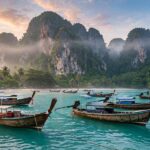


The “eco-resort” I booked in Thailand had a bamboo reception desk, a website full of sea-turtle photos, and — I discovered on day two — a private speedboat that dumped trash off the back and a “turtle experience” where tourists held wild turtles for selfies. It was neither eco nor, honestly, a resort. I paid $180 a night to feel guilty.
That trip taught me the most expensive lesson in travel: the word “eco” costs nothing to print. Anyone can put it on a website. So after that, I started doing what I should have done all along — traveling only with operators and places I could verify, and paying attention to where my money actually went. Fifteen years and dozens of trips later, I can tell you exactly what real ecotourism looks like, trip by trip. Not the brochure version. The real one.
What Counts as Ecotourism (And What Doesn’t)
Here’s my three-test rule, and it’s never failed me:
- The money stays local. A real ecotourism operation puts most of what you pay into the local community — guides, lodge staff, food, park fees. If the operator is headquartered in another country and the locals are just cheap labor, it’s a tour, not ecotourism.
- The place would be better off if you came. This sounds odd, but real ecotourism creates a financial reason to protect something. The lodge exists because the forest pays more standing than logged. The safari works because living elephants earn more than dead ones.
- Your footprint is managed, not marketed. Group sizes are capped. Routes are fixed so wildlife isn’t harassed. There’s a waste plan. Nobody’s handing you a single-use plastic bottle while telling you they “love the planet.”
If a trip fails any of those three, it’s regular tourism with a green paint job. I’ve taken plenty of those too — nothing wrong with them — but I don’t call them ecotourism.
Wildlife and Safari: Kenya’s Community Conservancies and Sri Lanka’s Leopards
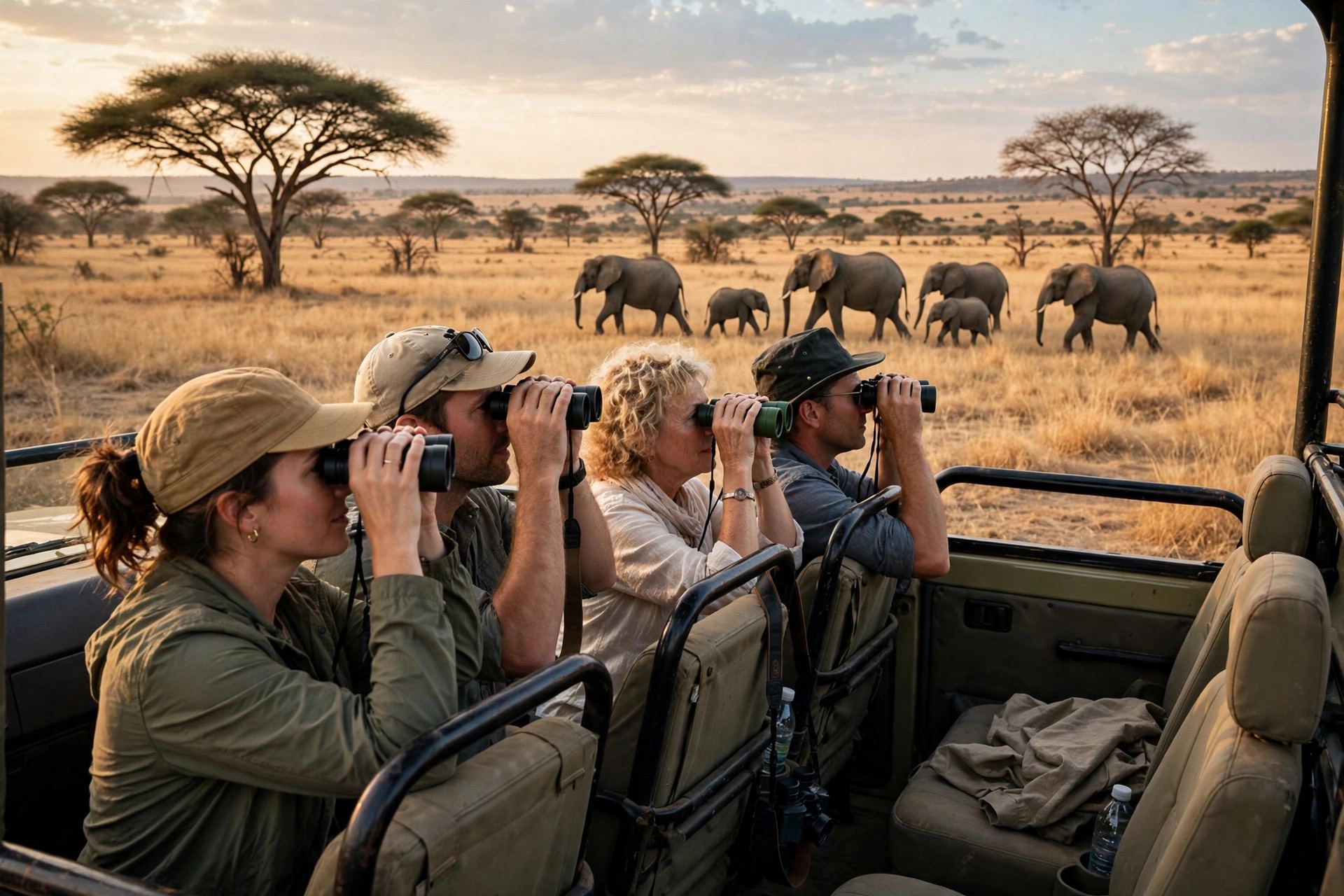
The best safari I ever took wasn’t in a famous national park. It was in a community conservancy in northern Kenya, where the land is owned by the local pastoralist community and leased to the tourism operation. Our guide, Lempiris, had grown up ten miles from the lodge. He could read a rhino’s mood from fifty yards. He told us, flat out, that his kids’ school fees came from visitor fees — and that before the conservancy, his neighbors’ main income from wildlife was poaching.
That’s test two in action: those rhinos are worth more alive than dead because tourists pay to see them alive. The leopard safaris in Sri Lanka’s Yala and Wilpattu parks work the same way when done right — small jeeps, strict park rules, local trackers. The mistake I made once: booking a “budget safari” where three jeeps chased one leopard for an hour. I left feeling awful. Now I always ask about vehicle limits per sighting before I book. A good operator answers that question proudly. A bad one changes the subject.
Ocean and Reefs: The Galápagos and Reef Citizen Science
The Galápagos is the strictest ecotourism destination I’ve visited, and it’s better for it. Visitor numbers are capped. You can’t walk anywhere without a certified naturalist guide. You stay on marked trails. The wildlife — sea lions, blue-footed boobies, marine iguanas — has never learned to fear humans, and the rules exist to keep it that way.
I’ll be honest: it isn’t cheap. My week there cost more than some entire months of travel. But here’s what that money buys: a place where the rules are real, enforced, and working. The tortoise breeding centers, the guide training programs, the park rangers — your fees pay for all of it.
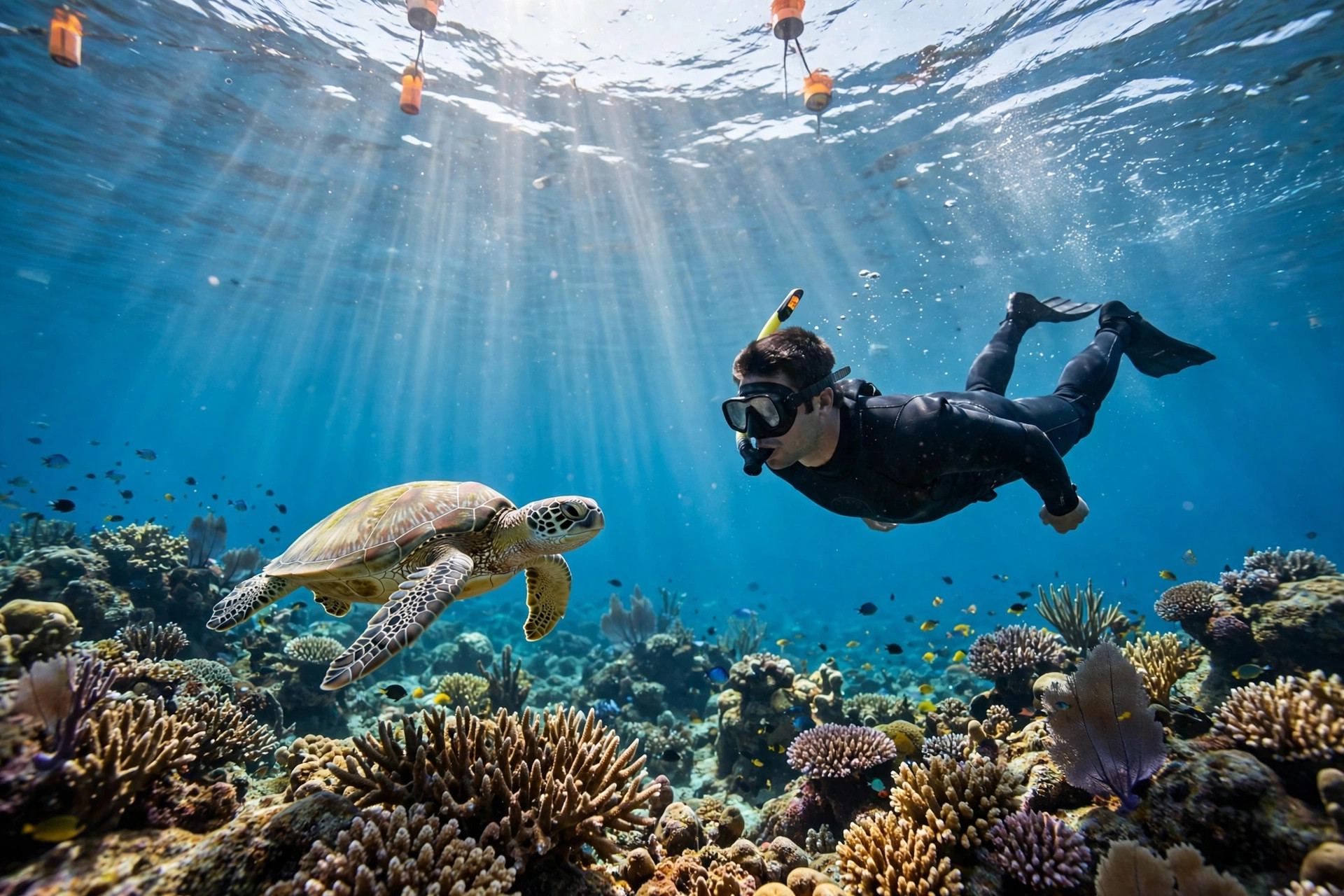
A cheaper version of the same idea: citizen-science reef trips on the Great Barrier Reef. Several operators run snorkel and dive trips where you help survey coral health — counting species, photographing transects. I did one out of Port Douglas. The science is real (my photos went into an actual monitoring dataset), the guides are marine biologists, and the reef gets data it desperately needs. You’re not just looking at the reef. You’re helping it.
Forest and Jungle: Costa Rica’s Eco-Lodges and Vietnam’s Homestays
Costa Rica basically invented modern ecotourism, and the good lodges there are still the gold standard. The one I keep going back to is in the Osa Peninsula — solar-powered, built from fallen timber, meals from the garden, and the howler monkeys start your alarm clock at 5 a.m. whether you like it or not. What makes it ecotourism and not just a nice jungle hotel: the lodge pays neighboring farmers not to clear their land, so the forest corridor around it keeps growing. My room rate was literally buying forest.
Vietnam surprised me even more. In the northern mountains, community-based homestay programs let you stay with ethnic-minority families — hiking rice terraces by day, sleeping in a stilt house by night. The families set the prices collectively and keep the money. No middleman skimming 60%. The food was some of the best I had all year, and I learned more about the region in three days than I had from any guidebook. When you’re planning trips that stretch across borders, getting your documents sorted early matters more than anything — I keep my own passport guide here because I’ve watched too many people miss trips over paperwork.
Slow and Low-Impact: Norway’s Fjords and Bhutan’s Model
Not all ecotourism involves wildlife. In Norway, I spent four days on a traditional sailing boat through the fjords — no engine noise, just wind and water, anchoring in villages you can’t reach by road. The carbon footprint of that week was tiny compared to a cruise ship doing the same route. (One large cruise ship emits roughly what thousands of cars do in a day; sailboats don’t.)
Bhutan takes a completely different approach: the government charges a daily sustainable development fee — around $100 a day for most visitors in recent years — and uses it to fund free healthcare, education, and conservation. Tourism is deliberately limited. The result is a country with no crowds at its famous sites, guides who are genuinely well-trained, and forests that cover most of the land. It’s expensive, yes. But it’s also the clearest example I’ve seen of a country deciding what its tourism is for.

Sky and Land: Dark Skies in Arizona and Iceland’s Geothermal Rules
Ecotourism can be about protecting something invisible, too. In southern Arizona, I stayed at an astronomy-focused lodge in one of the darkest places in North America. The “attraction” is the night sky — protected by local lighting ordinances that the tourism economy helped pass. My guide pointed out the Milky Way’s dust lanes with a laser pointer while coyotes called in the distance. Nobody swam with anything. Nobody rode anything. We just looked up.
Iceland taught me the etiquette side. The country’s geothermal areas are fragile — the moss around hot springs can take decades to recover from one footprint. The best Icelandic operators drill the rules hard: stay on the paths, don’t touch the formations, and they will absolutely call you out if you wander. I watched a guide stop a whole group to move one tourist off a moss bank. Embarrassing for the tourist. Perfect for the moss. That’s managed footprint, test three.
My Greenwashing Checklist: 7 Questions Before You Book
Before I book anything with “eco” in the name now, I run through this list. Any operator that can’t answer clearly doesn’t get my money:
- Who owns this operation, and where does the money go? Local ownership or a real partnership — not a foreign company with local “staff.”
- What are the group size and vehicle limits? Real answers are specific numbers, not “small groups.”
- What conservation does my fee fund, specifically? “A portion of proceeds” is a red flag. Named projects are a green flag.
- Are the guides local and certified? A naturalist who’s from the area and trained is the single best quality signal I know.
- What’s the waste and water policy? Ask about single-use plastic, specifically. Watch them squirm.
- Can I see reviews from the last six months? Old reviews hide declining standards.
- Would this place exist without tourists? The best answer is complicated — but it should exist.
Print that list. Use it. It’s saved me from at least three Thailand-style mistakes.
The Trips I Won’t Book Again
Honesty corner: I’ve been the problem tourist. I once booked an “elephant sanctuary” that turned out to run elephant rides on the side. I once took a “reef-safe” snorkel trip where the guide stood on the coral. Each time, I hadn’t asked the questions. The animals and places pay for our laziness, and I don’t say that to lecture — I say it because I learned it the hard way, and I’d rather you learned it from this page than from your own guilty boat ride home.
Frequently Asked Questions
A strong example is a community-run safari conservancy in Kenya, where local families own the land, trained local guides lead small groups, and visitor fees fund schools and anti-poaching patrols. The wildlife stays protected because it earns more alive than dead. Other examples include capped Galápagos island visits, solar-powered jungle eco-lodges in Costa Rica, and citizen-science reef surveys where your trip helps collect real conservation data.
Sustainable tourism is the broad goal: travel that doesn’t harm destinations. Ecotourism is a specific type within it — travel to natural areas that actively conserves the environment and improves local people’s wellbeing. A hotel that recycles is sustainable tourism. A jungle lodge whose fees pay farmers to keep the forest standing is ecotourism.
Often yes, but not always. Strictly managed places like the Galápagos or Bhutan cost more because caps and fees fund conservation. But community homestays in Vietnam or citizen-science reef trips can cost less than a mainstream resort holiday. The real question is value: in genuine ecotourism, you can see exactly what your money protects.
Costa Rica, Kenya, Ecuador (Galápagos), Bhutan, Norway, and New Zealand consistently rank at the top because they combine strong regulations, local ownership, and enforced visitor caps. But great ecotourism exists everywhere — including dark-sky lodges in Arizona and community homestays in Vietnam. The country matters less than the operator’s actual practices.
Ask seven questions: who owns it, what are the group limits, what conservation your fee funds specifically, whether guides are local and certified, what the waste policy is, what recent reviews say, and whether the place would survive without tourists. Vague answers to any of these — especially ‘a portion of proceeds’ — are red flags. Real operators answer proudly and specifically.
Absolutely — and kids often get more out of it than adults. Community homestays, reef survey snorkel trips, and dark-sky lodges all welcome families. The main limits are strict destinations like the Galápagos (minimum ages apply on some boats) and physically demanding jungle treks. Look for operators that mention family programs explicitly, and ask about age minimums before booking.
The Bottom Line
Real ecotourism passes three tests: the money stays local, the place benefits from your visit, and your footprint is managed. I’ve given you twelve trips that pass — from Kenyan conservancies to Vietnamese homestays to Arizona’s dark skies — and a seven-question checklist to vet anything else. The word “eco” on a website means nothing. The answers to those questions mean everything.
For more of my travel guides — the real version, costs and mistakes included — browse the travel section. And if your eco adventure crosses borders, sort your packing early with my international travel packing list — traveling light is its own kind of low-impact travel.