Is 6 Months Enough Time to Plan a Wedding? Honest Answer


Just got engaged with six months to go? Take a breath. I’ve planned more 6-month weddings than I can count, and here’s the truth: it’s absolutely enough time — IF you understand what’s different about a sprint timeline. This isn’t a compressed 12-month plan. It’s a different strategy entirely.
The Honest Answer
Yes — 6 months is enough for a beautiful, complete wedding. Thousands of couples do it every year. What 6 months doesn’t give you: unlimited vendor choice, made-to-order designer gowns, or leisurely decision-making. What it does give you: focus, momentum, and freedom from a year of second-guessing.
What’s Easy in 6 Months
Almost everything, honestly. Venues have availability (especially Fridays/Sundays). Most vendors can accommodate. Invitations, flowers, music, food — all very doable. The wedding industry is built to execute in 6 months; it’s the standard for many vendors.
What’s Hard in 6 Months
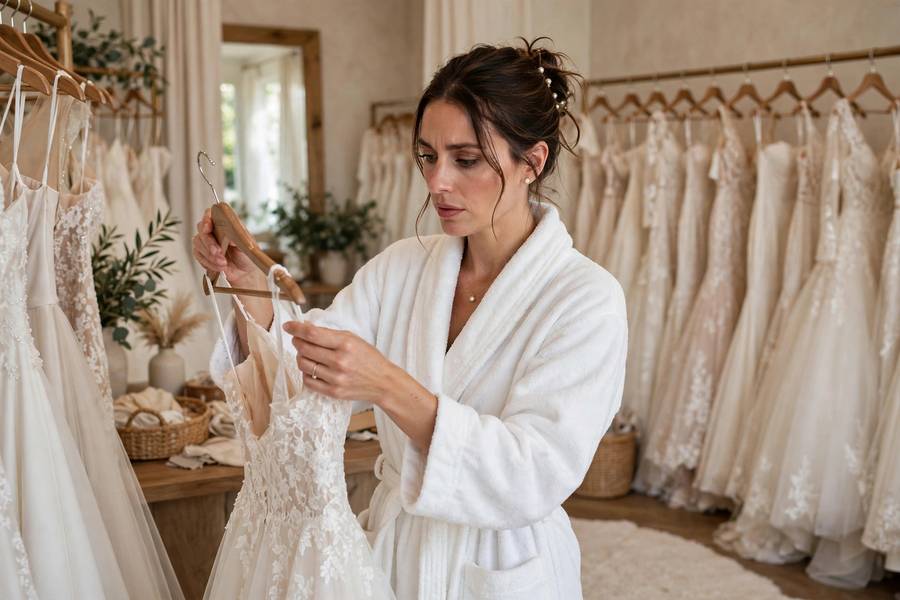
Made-to-order designer dresses (need 8+ months — go off-the-rack or rush). Top-tier photographers (booked 12 months out — you’ll choose from who’s available, and good options exist). Peak-season Saturday venues (be flexible on date/day). DIY-heavy visions (no time for 200 hand-folded programs — simplify).
The Sprint Strategy
Week 1: Budget, guest list, venue tours — book the venue by day 7. Weeks 2–3: Photographer, caterer, coordinator, officiant. Month 2: Attire (off-the-rack/rush), DJ/band, florist. Month 3: Invitations out, details. Months 4–5: Fittings, confirmations. Month 6: Execute.
The rule: 48 hours max per decision. Done beats perfect. Every week of deliberation is a week of vendor availability lost.
What to Skip
Elaborate DIY projects. Outfit changes. Overly complex timelines. The third venue tour when you loved the first. Decision paralysis is the enemy — a 6-month timeline rewards the decisive.
Vendor Realities
Be upfront about your timeline — vendors appreciate honesty and will tell you what’s feasible. Ask specifically: “Can you deliver in 5 months?” Get it in writing. And consider a planner or at least a day-of coordinator — on a sprint timeline, professional logistics help is worth 10x its cost.
For the month-by-month plan, see how to plan a wedding in 6 months and the wedding planning checklist.
Mindset
The secret advantage of 6 months: you don’t have time to stress about napkin colors for three weeks. Couples on sprint timelines are often HAPPIER — less time to worry means more joy. Embrace the pace. It works.
What Gets Harder in 6 Months
Honest about the challenges: popular venues book 12+ months out — you’ll have fewer choices (but “fewer” ≠ “none”). In-demand vendors (top photographers, planners) may be booked — but the second tier is often just as good. Custom dresses won’t arrive in time — plan for off-the-rack, samples, or rush orders. Destination weddings are tough — guests need more notice. DIY-heavy visions don’t fit — you don’t have the weekends.
None of these are fatal. They’re constraints, and constraints breed creativity. Some of the most stylish weddings I’ve seen were 6-month plans — the couples made fast, confident decisions and didn’t overthink.
The 6-Month Power Plan
Month 6: budget, guest list, book venue + caterer + photographer (the big three, same week if possible). Month 5: book remaining vendors (DJ, florist, officiant, attire), start dress shopping. Month 4: order invitations, book honeymoon, buy attire. Month 3: send invitations, menu tasting, start alterations. Month 2: final fittings, confirm all vendors, buy rings, get license info. Month 1: final confirmations, seating chart, pack emergency kit. Week of: execute, delegate, breathe.
The rule: one major decision per week. No more (decision fatigue), no less (you’ll fall behind). Momentum is everything in short planning.
Stories From Real 6-Month Weddings
What couples who did it say: “We spent less because we didn’t have time to second-guess every purchase.” “Our guest list was smaller because we didn’t have time to feel guilty about cuts.” “We hired a month-of coordinator and she saved our lives.” “The dress I bought off the rack got more compliments than any custom gown.” “I wish we’d done 6 months instead of 18 — the long engagement was just 12 extra months of stress.”
The pattern: short timelines force clarity. You learn what matters (each other, good food, the people you love) and let go of what doesn’t (perfection, pleasing everyone, Pinterest-worthy details nobody remembers).
The 6-Month Vendor Sprint: Who to Book First
With 6 months, booking order is critical. Here’s the sequence:
Week 1: Venue + caterer. These are the scarcest resources — book them FIRST, ideally in the same week. Everything else depends on the date and location. Week 2: Photographer + planner/coordinator. Good photographers book fast; a month-of coordinator is your lifeline. Week 3: DJ/band + florist + officiant. Still good availability at 5+ months, but don’t wait. Week 4: Attire. Start dress shopping NOW (off-the-rack, samples, rush orders). Partner’s attire too. Month 5: Cake, transport, rentals, honeymoon. Month 4: Invitations out, registry, bands.
The sprint mindset: one major booking per week. Research on weekends, decide by Wednesday, book by Friday. Momentum beats perfection — a good vendor booked is better than a perfect vendor researched forever.
What to skip in the sprint: extensive tastings (pick the caterer’s recommended menu), multiple florist consultations (one good one is enough), dress shopping at 10 salons (3 max), and DIY projects (you don’t have the weekends). Speed requires sacrifice — sacrifice the right things. And pack your wedding day emergency kit early — it’s one task you can check off NOW.
6 Months vs 12 Months: Honest Comparison
What you gain and lose with a shorter timeline:
What you GAIN with 6 months: decisiveness (no time for second-guessing), lower costs (less time to accumulate expenses), less family interference (no time for opinions to metastasize), more excitement (the wedding feels imminent, not distant), and a shorter period of stress (6 months of planning stress beats 18).
What you LOSE: vendor choice (the best book early), DIY possibilities (no weekends for projects), custom details (dresses, invitations, decor all need lead time), destination options (guests need notice), and the “engagement experience” (some couples enjoy a long engagement — if that’s you, 6 months feels rushed).
The surprising truth: most couples who planned in 6 months say they’d do it again. Most who planned in 18 months say it was too long. The sweet spot for most couples is 9–12 months — enough time for choices, not enough for obsession. But 6 months? Totally doable. The constraint forces clarity, and clarity makes for great weddings.
Who should NOT do 6 months: couples who need extensive family negotiation, who want highly custom details, who are planning destination weddings, or who find fast decisions stressful (know yourself). For everyone else? 6 months is a gift disguised as a constraint.
What You Can Skip With 6 Months (Guilt-Free)
Short timeline = permission to skip. Here’s your guilt-free skip list:
Skip: elaborate favors. (Nobody misses them. A donation or nothing is fine.) Skip: programs. (One sign at the ceremony entrance works.) Skip: extensive DIY. (You don’t have the weekends. Buy simple, beautiful things.) Skip: multiple outfit changes. (One dress, done well.) Skip: the rehearsal dinner production. (Pizza with your wedding party is perfect.)
Skip: chair covers, charger plates, and linen upgrades. (Venue basics are fine.) Skip: a videographer (if budget is tight — a talented friend with a good phone captures more than you’d think). Skip: the donut wall / champagne wall / any “wall.” (Trends you don’t have time for.)
What NOT to skip: good food, good photos, a coordinator, the marriage license, and being present. These are the non-negotiables. Everything else is optional — and with 6 months, “optional” means “skip unless you genuinely care.”
The liberation: couples with 18 months feel obligated to do EVERYTHING (they have time, so why not?). Couples with 6 months have built-in permission to focus. Use it. The wedding will be better for the focus — and you’ll be saner for the skipping.
Yes — with focused priorities and fast decisions. Book venue, photographer, caterer, and coordinator first; be flexible on dates; skip elaborate DIY.
Vendor availability (top photographers book 12 months out) and made-to-order attire (needs 8+ months). Both have good alternatives: available pros and off-the-rack/rush options.
Yes — off-the-rack, sample sales, or made-to-measure with rush. Skip made-to-order designer gowns and book alterations immediately.
At minimum, a day-of coordinator. On a compressed timeline, professional help prevents burnout and catches what you’d miss.
Decision paralysis. Every week of deliberation loses vendor options. Set a 48-hour decision rule and commit.