12 Cheapest Countries to Visit in Europe (2026 Guide)

Europe has a reputation for being expensive — and Paris, London, and Zurich earn it. But cross an invisible line east or south, and the same continent costs a third of the price: $50/day instead of $200, restaurant dinners for $12, beautiful old towns with no crowds. I’ve traveled Europe on every budget, and the cheap countries aren’t the consolation prize — they’re often the better trip.
These twelve are ranked by real daily costs (budget traveler, 2026 prices), with what makes each worth visiting beyond the price. Because cheap only matters if you’d go anyway.
For the broader budget picture, see our best places to visit in Europe and world budget destinations.
The Under-$50 Tier: Albania, Bosnia, Romania, Bulgaria
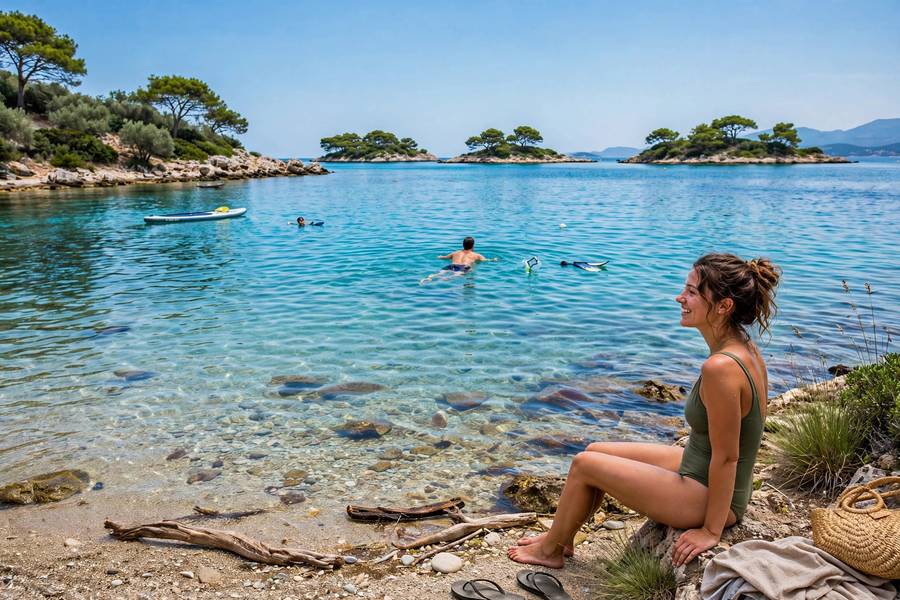
Albania ($35–50/day): the Mediterranean’s last bargain — the Albanian Riviera (Ksamil, Himara) has Ionian-Sea beaches that rival Greece at a fifth of the price, plus Ottoman old towns (Berat, Gjirokastër — both UNESCO), and the friendliest people in the Balkans. The infrastructure is catching up fast; go before the secret’s fully out.
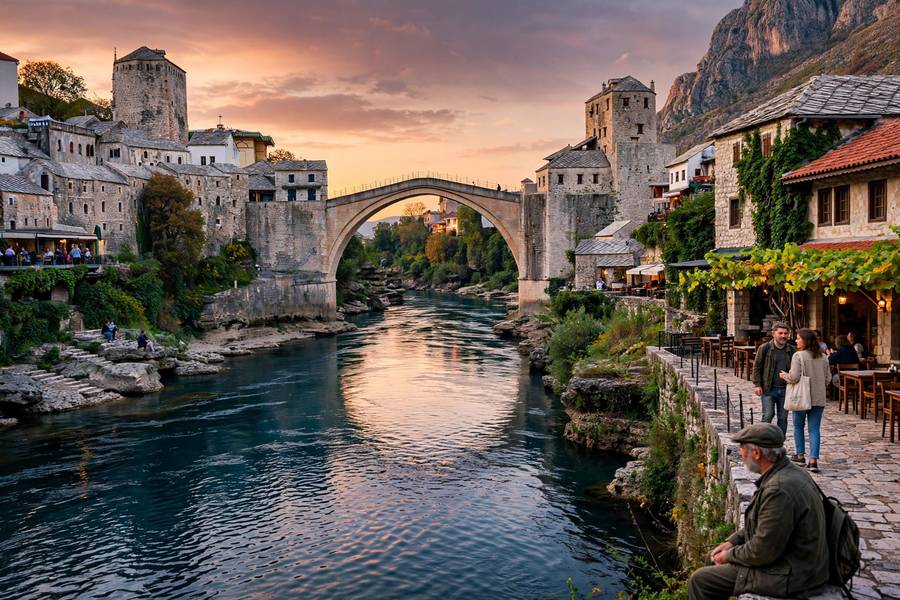
Bosnia & Herzegovina ($35–50/day): Mostar’s Stari Most bridge (the diving competition in July is spectacular), Sarajevo’s layered history (Ottoman, Austro-Hungarian, Yugoslav — all in one walkable old town), and Kravice waterfalls. It’s the most culturally fascinating cheap destination in Europe, and the ćevapi (grilled meat) costs $4.
Romania ($40–55/day): Transylvania’s medieval towns (Brașov, Sibiu, Sighișoara — the real ‘Dracula’ country, which is really about Saxon citadels and Carpathian mountains), Bucharest’s Belle Époque-meets-brutalism, and the painted monasteries of Bucovina. The train network is slow but scenic; the food is hearty and cheap.
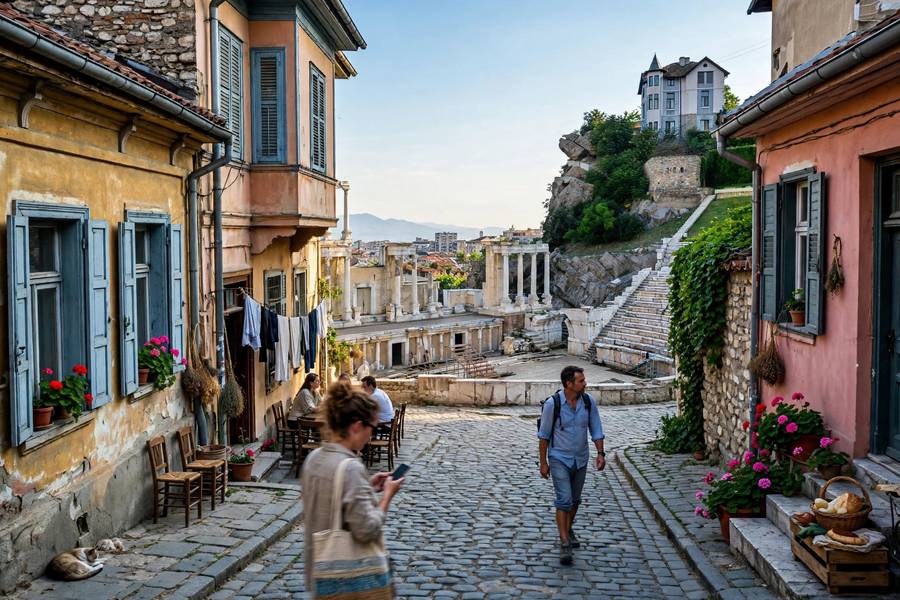
Bulgaria ($40–55/day): Sofia’s gold-domed churches and free food tours, Plovdiv’s Roman amphitheater (one of Europe’s oldest continuously inhabited cities), Rila Monastery’s mountain setting, and Black Sea beaches (Sunny Beach is the party strip; Sozopol is the pretty one). The lev’s exchange rate makes everything feel half-price.
The $50–70 Tier: Portugal, Poland, Hungary, Greece (Off-Season)
Portugal ($60–80/day): Western Europe’s bargain — Lisbon’s hills and trams, Porto’s river and port wine ($3 glasses), the Algarve’s beaches, all at 30–40% below France/Italy prices. The food-to-price ratio is Europe’s best: grilled fish dinners for $15, custard tarts for $1.50. Go in May/June or September for the sweet spot.
Poland ($50–70/day): Kraków’s medieval square (Europe’s largest, shockingly beautiful), pierogi for $5, vodka bars that are cultural institutions, and WWII history (Auschwitz-Birkenau — essential, harrowing, free with a guide). Warsaw’s rebuilt old town and Gdańsk’s Hanseatic waterfront round it out. The złoty keeps it affordable.
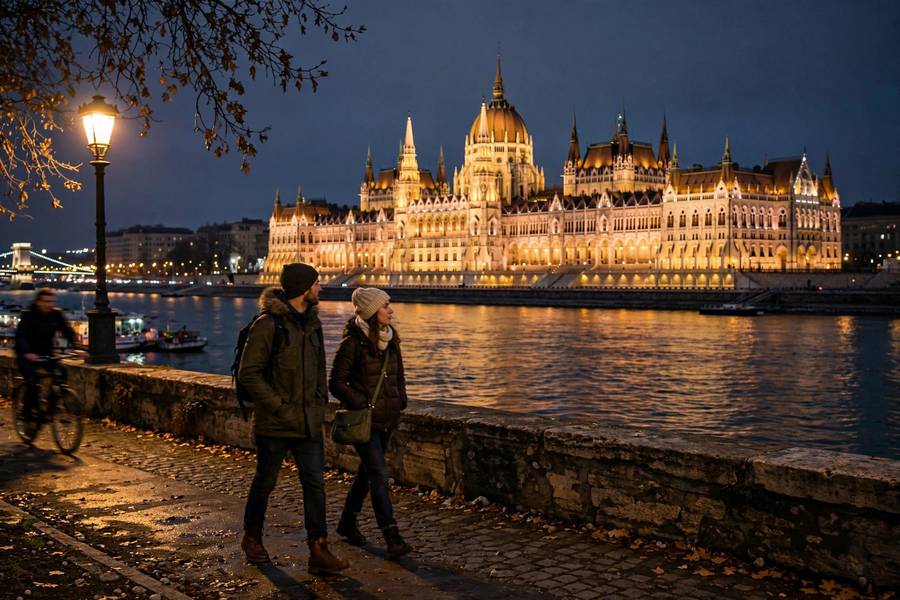
Hungary ($55–75/day): Budapest is Europe’s best-value capital — thermal baths ($20 for Széchenyi, the granddaddy), ruin bars (bars built in abandoned buildings, beers for $2), the Danube at night, and chimney cake on every corner. The forint’s weakness is your gain; the architecture rivals Vienna at half the price.
Greece — off-season ($60–80/day): the trick is timing. October–April (excluding Christmas), the islands empty out, prices drop 50%, and Athens is perfect weather. Santorini in November: same caldera, $60 hotels instead of $300, and you might have Oia’s sunset nearly to yourself. Summer Greece is mid-range; winter Greece is a steal.
The $70–90 Tier: Spain (Regions), Czechia, Croatia (Inland)
Spain — beyond the big cities ($70–90/day): Madrid and Barcelona are mid-range, but Andalusia (Seville, Granada, Córdoba) and the north (San Sebastián’s pintxos, Bilbao’s Guggenheim) deliver Spain’s best experiences at lower prices. The menu del día (3-course lunch, $15–18) is the budget traveler’s best friend in all of Europe.
Czechia ($65–85/day): Prague beyond the Old Town Square — the prices double in the center and halve 10 minutes’ walk out. Beer cheaper than water ($2.50 for world-class lager), the Charles Bridge at dawn (empty, magical), and day trips (Český Krumlov — the fairy-tale town, Kutná Hora’s bone church).
Croatia — inland and shoulder season ($70–90/day): the Dalmatian coast in summer is expensive now, but Zagreb, Plitvice Lakes (the waterfall chain — go in May or October), and Istria’s hill towns are affordable year-round. The coast in May/June or September: same Adriatic, 40% less.
Getting There Cheap and Spending Smart
Flights: Wizz Air and Ryanair connect these countries for $30–80 if booked 2–3 months ahead — the budget airlines’ business model is your friend. The trick: fly into the cheap country’s main airport (Tirana, Sarajevo, Sofia) rather than connecting through expensive hubs. Tuesday/Wednesday flights are cheapest; see flight booking timing for the full strategy.
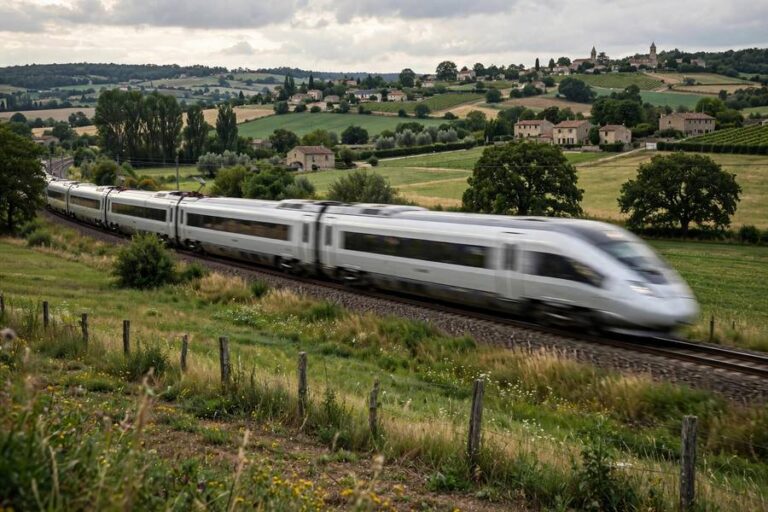
On the ground: buses beat trains in the Balkans (FlixBus, $10–20 between capitals), trains win in Central Europe (Poland, Czechia, Hungary have excellent cheap rail). Accommodation: guesthouses and family-run pensions ($25–40/night) beat hostels for couples and are often nicer than mid-range hotels. Food: eat where workers eat — the lunch menu, the bakery, the market hall.
The daily budget math (per person): Albania/Bosnia $35–50 (hostel/guesthouse $15–25, food $15–20, transport/activities $10). Portugal/Poland $55–75. These are comfortable-budget numbers — private rooms, restaurant meals, paid activities — not hostel-dorm survival numbers. Europe’s cheap tier is genuinely comfortable.
When Cheap Isn’t Worth It: The Caveats
Season matters more in cheap countries: Albania’s riviera in January is a ghost town (go May–June or September); Bosnia’s mountains in winter are for skiers; Romania’s trains in deep winter are an endurance test. The shoulder seasons (May–June, September–October) are the universal answer — good weather, open businesses, low prices.
Infrastructure gaps are real: rural Albania and Bosnia have limited ATMs (carry cash), bus schedules are approximate, and English is thinner outside capitals. This is part of the adventure, but plan accordingly — download offline maps, carry euros as backup (widely accepted in the Balkans), and build buffer time into itineraries.
And the honest note: ‘cheap’ reflects local wages, not low quality. The $4 ćevapi in Sarajevo and the $2.50 beer in Prague are world-class at any price. The value isn’t that it’s cheap — it’s that it’s extraordinary and cheap.
Sample Itineraries: A Week for $400
The Balkans loop (7 days, ~$400): fly into Tirana, Albania ($50 flight from Western Europe) — 2 days in Berat’s Ottoman old town ($25/night guesthouse, $10/day food), bus to Sarajevo ($20) — 2 days in the old town and the war history museums ($20/night hostel private, ćevapi dinners $4), bus to Mostar ($15) — day trip to the bridge and Kravice waterfalls, bus to Kotor, Montenegro ($15) — 2 days in the bay (the fjord-like scenery, the fortress climb). Total: ~$400–450, and it’s one of Europe’s great weeks. how to plan a Europe trip
The Central Europe loop (7 days, ~$500): Kraków (3 days — the old town, the salt mines at Wieliczka, pierogi everything, $55/day), train to Budapest ($25, 7 hours scenic) — 4 days (thermal baths, ruin bars, the Danube, $65/day). Two of Europe’s greatest cities, a week, $500 — the math that makes budget travelers grin.
Money-Saving Tactics That Actually Work
The big three: (1) Travel in shoulder season — May/June and September/October cut accommodation 30–40% and the experience is better (good weather, fewer crowds). (2) Stay in family guesthouses — $25–40/night, often including breakfast, and the hosts become your local guides. (3) Eat the lunch menu — the menu del día / daily menu is the same food as dinner at half the price, everywhere in Southern and Eastern Europe.
The small wins that add up: free walking tours (tip $10 — the guides are excellent and it’s the best orientation), city tourist cards (only worth it if you’ll use 3+ attractions — do the math), grocery store breakfasts ($5 vs. $15 café breakfasts — the bakeries in these countries are world-class), and the overnight bus (saves a night’s accommodation — FlixBus comfort is survivable, the savings are real).
Albania and Bosnia & Herzegovina (~$35–50/day) are the cheapest with real tourism infrastructure. Romania and Bulgaria are close behind. All four offer beaches, history, and food at a third of Western Europe’s prices.
$400–600 per person for a comfortable week in Albania, Bosnia, Romania, or Bulgaria (private rooms, restaurant meals, activities). Portugal or Poland run $500–700. Compare $1,400–2,000 for the same week in France or Italy.
Yes — Albania, Bosnia, Romania, Bulgaria, Poland, Hungary, and Portugal all have normal European safety levels for tourists. Standard precautions apply (watch for pickpockets in capitals, carry cash in rural areas). The ‘cheap’ reflects wages, not danger.
November–March (excluding Christmas) for Southern Europe; May–June and September–October for the Balkans and Eastern Europe. Avoid July–August everywhere — prices peak and crowds surge. Shoulder seasons give the best price-to-experience ratio.
Book Wizz Air/Ryanair 2–3 months ahead ($30–80 fares), fly Tuesday/Wednesday, and fly direct into the cheap country’s main airport rather than connecting through London/Paris. Flexibility on dates saves more than any other trick.