How to Get Into Airport Lounges for Free (7 Legit Methods)

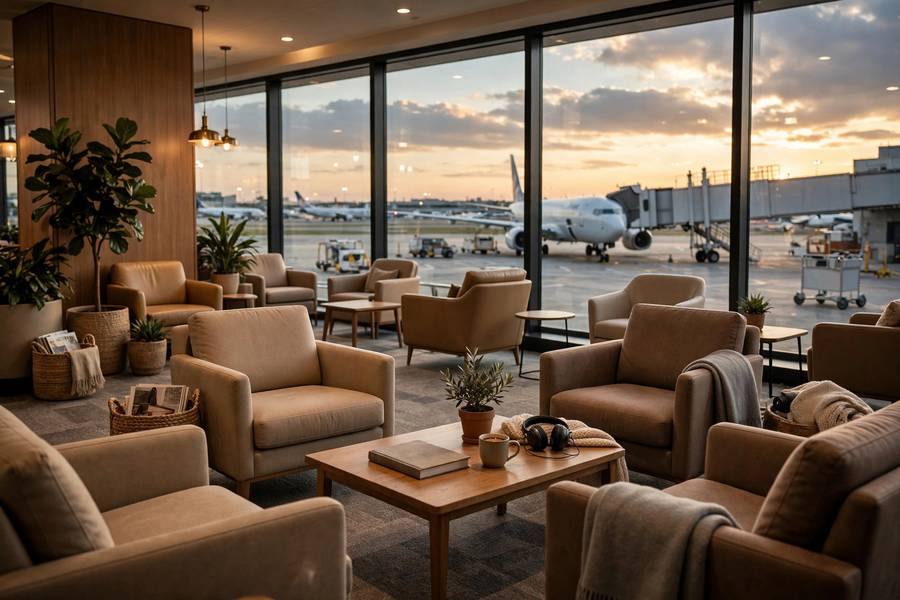
I used to walk past airport lounges like they were private clubs — which, technically, they are. Then a delayed flight in Chicago left me staring at a $59 day pass, and I did the math: I’d spent more than that on airport sandwiches that year. That was six years ago. Since then, I haven’t paid for lounge access once, and I’ve showered in Singapore, slept in a nap pod in Istanbul, and eaten real food in about forty lounges worldwide.
Free lounge access isn’t a hack or a loophole — it’s a system, and once you understand it, the ‘members only’ sign stops applying to you. Here are the seven legitimate methods, ranked by how I actually use them.
For the full picture of how lounges work, see our how airport lounges work guide — this is the free-access playbook.
1. The Credit Card Play (Best ROI)
This is how 90% of free lounge access happens. Certain credit cards include lounge memberships as a perk — and the math often works even after the annual fee. The big three networks: Priority Pass (1,300+ lounges worldwide — the most useful), airline-specific (Delta Sky Club, United Club, Admirals Club), and Amex Centurion lounges (the nicest, most exclusive).
The sweet spot cards: several mid-tier travel cards ($95–250/year) include Priority Pass with 4–10 free visits annually. If you fly 4+ times a year, one card pays for itself in lounge visits alone — never mind the points. The premium cards ($400–700/year) offer unlimited visits plus guest privileges; worth it if you fly monthly.
The trick nobody mentions: check if you already have it. Many people hold cards with lounge benefits they’ve never activated — the Priority Pass enrollment is separate from the card, and you have to sign up. Log into your card account today and check. You might be walking past free lounges already.
2. Airline Status and Loyalty
Airline elite status (even low-tier Silver/Gold) often includes lounge access on international itineraries — and sometimes domestic. The key detail: Star Alliance Gold gets you into any Star Alliance lounge on any international trip, regardless of class. That’s the single most powerful status perk in travel.
The shortcut: status matches and challenges. Airlines regularly offer ‘status challenges’ — fly a reduced amount in 90 days, keep the status for a year. And credit card spending can earn status-adjacent perks without flying at all. If you’re loyal to one alliance, this is the long game that pays off.
Even without status: flying business or first class (even on points) includes lounge access. A $150 upgrade at check-in sometimes includes the lounge — ask. And some airlines sell annual lounge memberships that pay off at 8–10 visits.
3. Day Passes, Done Smart
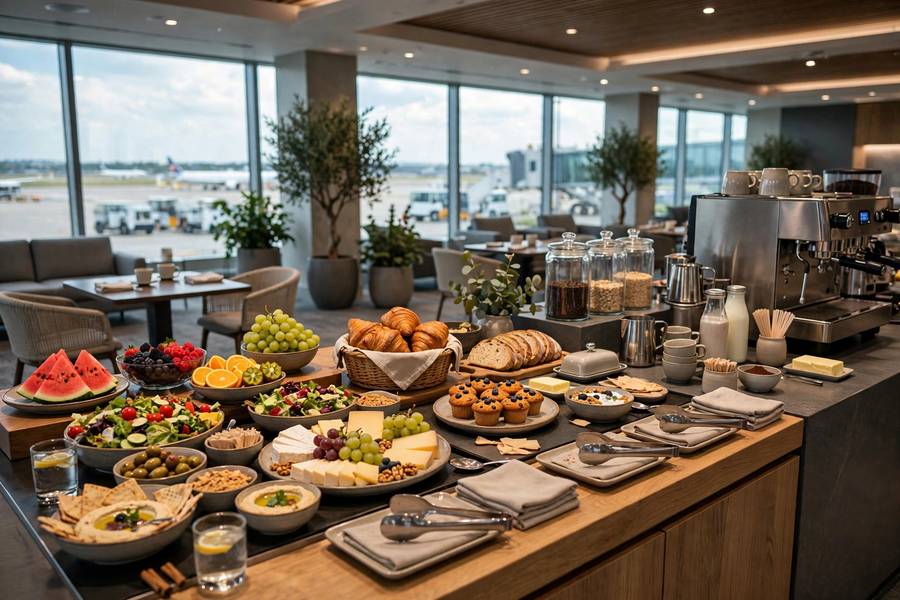
Most lounges sell day passes ($40–75), which isn’t free — but here’s how to make it free or close. First: some credit cards reimburse them as travel credits. Second: the math on a long layover — a $59 pass with food, drinks, wifi, and a shower beats $40 of airport food plus the misery. It’s not free, but it’s rational.
The actual free play: look for new-lounge promotions. When lounges open or join networks, they often offer free trial visits. Follow lounge networks on social media; the promos are real but brief. I’ve gotten three free visits this way.
And the open secret: some Priority Pass restaurants. At select airports, your Priority Pass gets you $28–30 off at actual restaurants (not lounges). It’s technically the same benefit, and a free airport meal is arguably better than lounge access.
4–7. The Other Doors In
4. Fly the right fare: premium economy on some airlines (especially international) includes lounge access. Always check — it’s an unpublished perk that varies by route. The fare difference is sometimes less than a day pass. carry-on vs checked baggage
5. Military and age: USO lounges serve military members and families free, worldwide. Some lounges offer senior or student discounts that stack with other perks. And AARP’s travel benefits occasionally include lounge discounts.
6. The guest game: lounge members can usually bring 1–2 guests free. Traveling with a friend who has access? You’re in. This is also why the premium cards’ guest privileges matter — one membership can cover a couple.
7. Be nice at the desk: I include this because it’s worked twice. During major delays or cancellations, politely asking the lounge agent (not demanding) has gotten me in free. It helps to have some status, any status, and a genuine situation. Kindness is a valid strategy.

Which Lounges Are Actually Worth It
Not all lounges are equal, and free access to a bad lounge is just a different waiting room. The tiers: Centurion lounges (Amex) and top airline flagships (Delta One, United Polaris, Qatar Al Mourjan) are destination-worthy — real food, showers, sometimes spas. Standard airline clubs (Sky Club, Admirals) are comfortable with decent food. Contract lounges (many Priority Pass locations) vary wildly — check recent reviews before trekking across the terminal.
The international advantage: US domestic lounges are the weakest in the world. The same networks abroad — especially in Asia and the Middle East — are dramatically better. Changi’s lounges, Istanbul’s YOTEL/airline lounges, Qatar’s Al Mourjan: these redefine what ‘airport’ means. If you have one international trip a year, that’s where the benefit shines.
My ranking rule: a lounge is worth a 15-minute detour for food + wifi; 25 minutes if it has showers; and I’ll cross the airport for a great one on a layover over 3 hours. Under 90 minutes between flights, don’t bother — the stress isn’t worth the sandwich. when is the best time to book flights
Lounge Etiquette: Don’t Be That Person
Free access comes with unwritten rules, and breaking them is how perks get restricted. The big ones: don’t take phone calls on speaker (use the phone booths — that’s what they’re for), don’t camp for six hours during peak times if others are waiting, and the buffet is not a meal-prep station — taking food to go is the fastest way to get side-eyed by staff and fellow travelers.
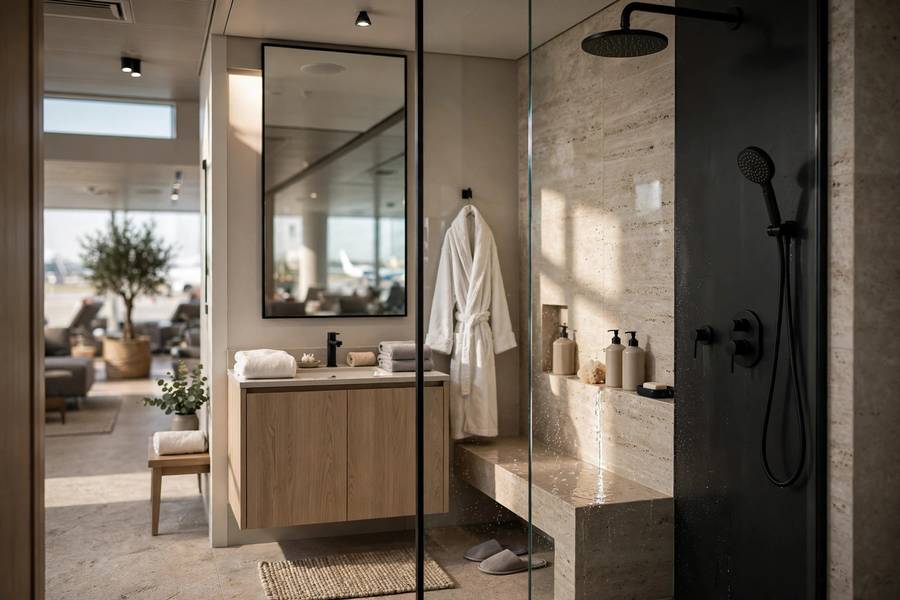
Showers: the best-kept lounge secret. Most international lounges have them — private, clean, with towels and toiletries. On a long layover, a shower resets you more than a nap. Ask at reception; there’s often a wait list, so request it when you arrive, not when you’re desperate.
Kids and guests: most lounges welcome children, but the quiet zones are sacred — keep little ones in the family areas. And if you’re someone’s guest, remember you’re representing them; the member is responsible for guest behavior. Buy them a coffee afterward.
Maximizing the Benefit: The Power User’s Guide
Stack your access: the savvy move is holding one Priority Pass card AND one airline-specific membership. Priority Pass covers the weird airports and international terminals; the airline club covers your hub. Together, you’re covered at 95% of airports worldwide.
Know before you go: download the lounge apps (Priority Pass, LoungeBuddy) and check what’s actually in your terminal before a trip. Nothing’s worse than trekking 20 minutes to a lounge that’s closed for renovation. Check hours too — many lounges close overnight, and the 5 a.m. arrival needs a 24-hour option.
The layover sweet spot: 3–5 hours is ideal lounge time — enough to eat, shower, work, and relax. Over 6 hours, consider a transit hotel (many airports have them airside) or leaving the airport if visas allow. Under 2 hours, skip the lounge entirely and go to your gate. The lounge is a tool, not a destination.
Yes — legitimately. The main paths: credit cards with Priority Pass or airline lounge memberships (often covering the annual fee in value), airline elite status, business/first class tickets (including on points), and guest privileges from members. No hacks or loopholes needed.
A mid-tier travel credit card ($95–250/year) with 4–10 free Priority Pass visits — effectively $10–25 per visit, often with the fee offset by other perks. Check your existing cards first; you may already have unenrolled benefits.
No. Economy passengers with the right credit card or Priority Pass get the same lounge access. Class of service is just one of many doors in — and usually the most expensive one.
On layovers over 2–3 hours: absolutely — food, wifi, drinks, quiet, and sometimes showers beat the terminal by miles. For short connections under 90 minutes, skip it. International lounges (Asia, Middle East) are dramatically better than US domestic ones.
Usually yes — most memberships include 1–2 free guests; some charge $25–35 per extra guest. Premium cards often include unlimited guests. Check your specific membership terms before assuming.