Winter Wedding Color Schemes: 15 Stunning Palettes

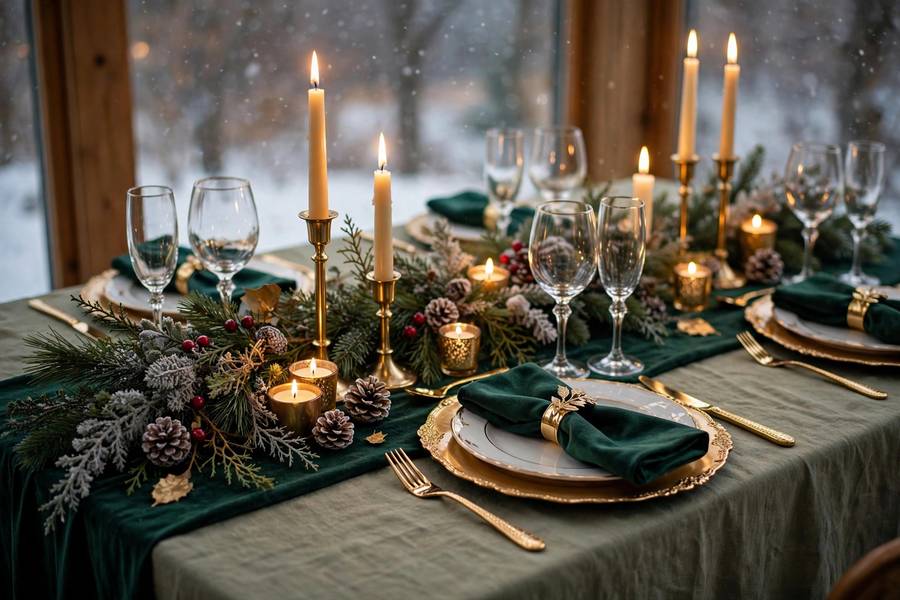
Winter weddings have a color advantage no other season offers: contrast. Deep tones glow against snow and candlelight, metallics shimmer in the low light, and rich palettes feel intentional rather than heavy. Here are 15 palettes that work beautifully — and how to use them.
Why Winter Colors Work
Winter light is soft and diffused — colors photograph richer than in harsh summer sun. Candlelight (which you’ll use more of in winter) flatters deep tones and metallics. And seasonal elements — evergreen, berries, pinecones — give you free decor in your palette.
Classic and Timeless
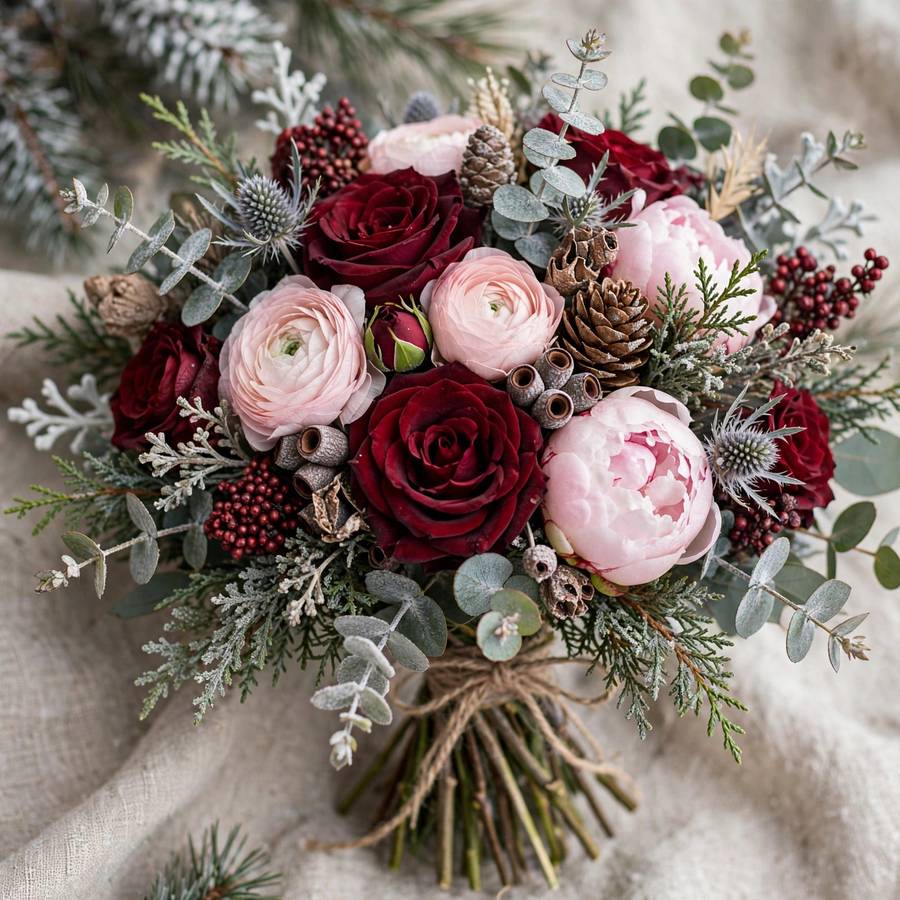
Emerald + gold + ivory. The quintessential winter wedding — rich, elegant, never dated. Burgundy + blush + champagne. Romantic with depth; blush keeps burgundy from feeling heavy. Navy + silver + white. Crisp, formal, stunning against snow. Black + white + greenery. Modern classic — the greenery keeps it from feeling stark. affordable wedding ideas
Jewel Tones
Plum + merlot + copper. Warm, wine-inspired, gorgeous in candlelight. Sapphire + emerald + gold. Bold and luxurious — best in velvet textures and low light. Ruby + blush + rose gold. Feminine but rich; rose gold keeps it modern.
Icy and Modern
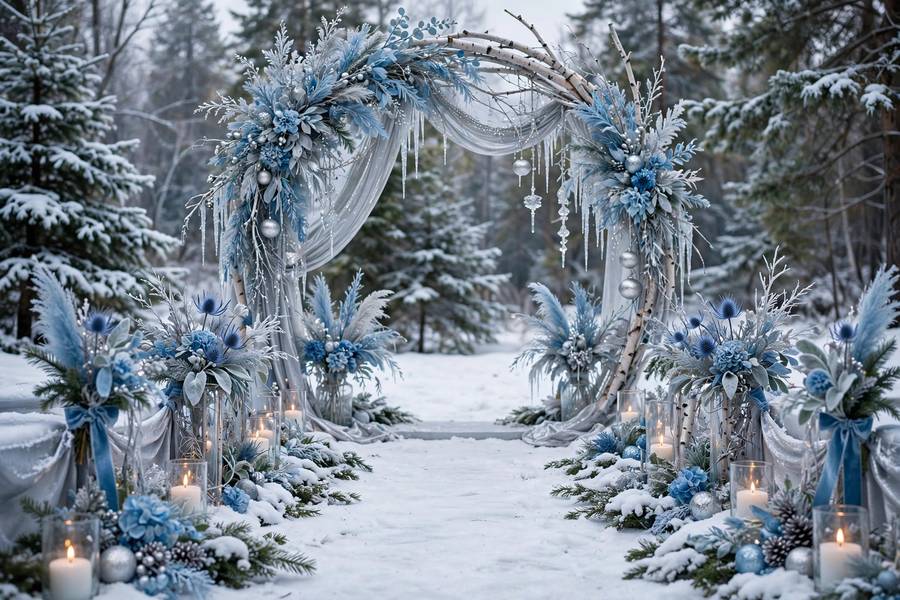
Ice blue + silver + white. Ethereal winter wonderland — beautiful but can feel cold; warm it with candlelight and texture. Dusty blue + gray + eucalyptus. Soft, modern, effortlessly elegant. White + crystal + pale gold. Minimalist luxury — all about texture and light.
Warm and Cozy
Copper + rust + cream. Warm metallics that glow in winter light. Chocolate + caramel + ivory. Rich and inviting, perfect for lodge or barn venues. Forest green + burgundy + brass. Traditional Christmas-adjacent without being theme-y.
Metallics Done Right
Pick ONE dominant metallic (gold, silver, copper, or rose gold) and use others as accents. Mixed metallics work when one leads. Brushed and antique finishes photograph better than high-shine in winter light. And metallics are your best friend for adding luxury on a budget — a little goes a long way.
See more seasonal inspiration in winter wedding ideas.
Tips for Using Your Palette
60-30-10 rule: 60% dominant color, 30% secondary, 10% accent. Test in your venue’s light — colors shift dramatically between daylight and candlelight. Carry it through: invitations, flowers, bridesmaid dresses, linens, cake — consistency is what makes a palette feel intentional. Don’t forget the guys: ties, pocket squares, and boutonnieres in palette colors tie everything together.
Winter Florals That Actually Exist
December brides often discover their dream flowers don’t exist in winter — here’s what does: roses (year-round, in every winter shade), ranunculus (winter–spring, gorgeous in burgundy and blush), anemones (fall–spring, stunning white with dark centers), amaryllis (holiday season star), hellebores (winter-blooming, moody and gorgeous), evergreens (cedar, pine, fir — cheap, fragrant, abundant), berries (hypericum, privet — texture and color).
Lean INTO winter: evergreen garlands, berry accents, and candlelight cost less in December than peonies flown from another hemisphere — and they look more intentional. A winter wedding fighting the season looks expensive; one embracing it looks magical.
Lighting: Winter’s Secret Weapon
Winter weddings get dark early — and that’s a GIFT. Candlelight, fairy lights, and uplighting transform winter venues in ways summer weddings can’t match. Budget more for lighting than summer couples do: pin-spotting on tables, candles everywhere (LED where venues require), string lights overhead, and uplighting in your palette colors.
Photography note: winter light is softer and more flattering than harsh summer sun — but there’s less of it. Schedule portraits to end 30 minutes before sunset, and make sure your photographer is comfortable with low-light reception shooting. Ask to see full winter wedding galleries, not just highlights.
Fabrics and Textures for Winter
Winter palettes come alive through texture: velvet (table runners, bridesmaid dresses — the ultimate winter fabric), faux fur wraps and stoles, wool suits for the groom, satin and mikado for the dress (heavier fabrics suit the season), metallic sequins and beading, dark wood and brass in decor.
Attire guidance for guests: put dress code details on your wedding website — “formal, and the venue is warm, but the photos are outside, so bring a wrap.” Your guests will thank you. And for yourself: a faux fur stole or velvet cape for photos isn’t just beautiful — it’s the difference between enjoying your portraits and shivering through them.
Winter Color Palettes in Action
How the palettes come together in real weddings:
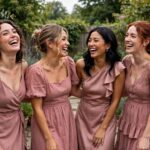
Burgundy + blush + gold: The romantic winter — burgundy bridesmaid dresses, blush florals, gold flatware and candlelight. Works in ballrooms and barns alike. The blush keeps burgundy from feeling heavy; the gold adds celebration.
Emerald + navy + silver: The dramatic winter — deep, moody, luxurious. Best in venues with character (historic buildings, dark wood). Silver sequins or mercury glass catch candlelight beautifully. This palette photographs like a film still.
Plum + champagne: The elegant winter — softer than burgundy, richer than blush. Plum velvet, champagne florals, warm candlelight. Universally flattering on bridesmaids and stunning in photos.
Forest green + white + wood: The natural winter — evergreens, white blooms, wooden tables, candlelight. The most budget-friendly (greenery is cheap in winter) and the most timeless. It never looks dated because it’s just… winter.
Choosing yours: consider your venue (dark venues love rich palettes; bright venues suit softer ones), your flowers (build around what’s in season), and your skin tones (jewel tones flatter most people). And commit — a confident palette beats a hesitant mix. Track every color decision in your wedding planning checklist so vendors stay coordinated.
Bridesmaid Dresses in Winter Colors
Winter palettes need winter fabrics and smart shopping:
Best winter bridesmaid fabrics: velvet (the ultimate — rich, warm, photogenic), satin (elegant, structured), chiffon with lining (flowing but warm enough), crepe (modern, clean). Avoid: thin unlined fabrics (bridesmaids will freeze in photos), and anything too summery (it clashes with the season).
Shopping tips: order 4–6 months out (winter colors sell out in fall). Let bridesmaids choose their own style in your color (mismatched dresses in the same palette look modern and everyone feels comfortable). Consider convertible dresses (one dress, multiple necklines — solves the “different body types” problem).
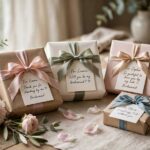
Warmth: provide wraps, shawls, or faux fur stoles for photos (matching ones make great photos AND great bridesmaid gifts). Nobody looks good shivering. The bridesmaids who are warm are the bridesmaids who smile genuinely.
Color coordination: get fabric swatches BEFORE ordering (screens lie). Compare swatches in natural light, not just indoor light. And confirm the color against your other elements (flowers, linens, invitations) — winter palettes are rich, and rich colors clash more visibly than pastels.
Winter Wedding Attire for Guests: What to Tell Them
Help your guests dress appropriately — winter weddings confuse people:
On your wedding website, be specific: “Formal attire. The ceremony is indoors (heated), but photos are outdoors — bring a warm coat. The venue is a historic building; it can be drafty.” This is 10x more useful than “formal attire.”
Address the common questions: Can I wear black? (Yes, in winter — it’s elegant, not funereal.) Should I bring a coat? (Yes — and plan where to put it. Coat check is essential.) Are outdoor photos mandatory? (No — but they’re beautiful; dress accordingly.) What about shoes? (Heels sink in snow/grass — block heels or boots for outdoor portions.)
For the wedding party: provide warmth (matching wraps, shawls, or faux fur stoles — they photograph beautifully AND keep people comfortable). Don’t ask bridesmaids to stand outside in sleeveless dresses for 30 minutes. Their comfort shows in photos — shivering bridesmaids don’t smile genuinely.
For yourself: a bridal cape, faux fur stole, or velvet wrap for outdoor photos. It’s not just beautiful — it’s the difference between enjoying your portraits and enduring them. And warm feet (boots under the dress for outdoor shots — nobody sees them).
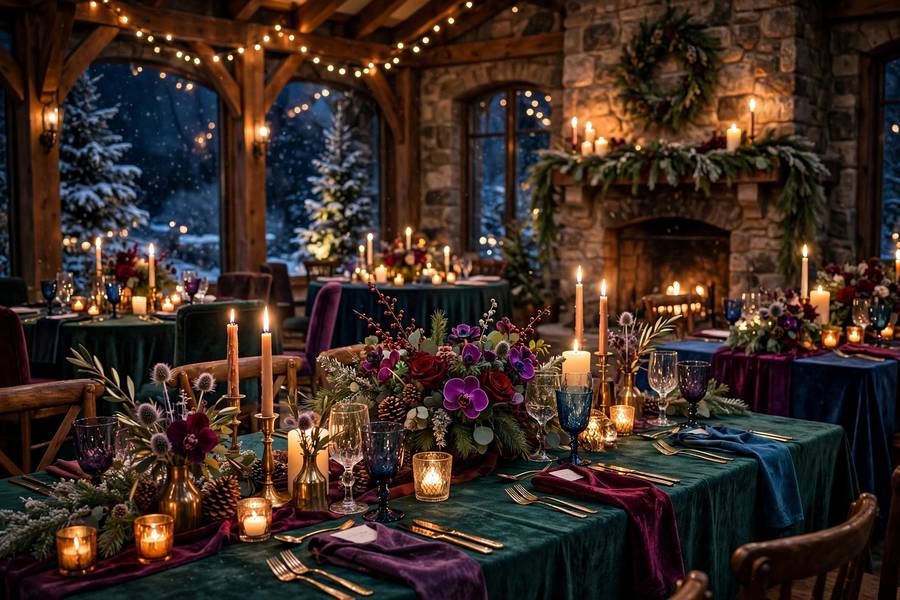
Emerald + gold, burgundy + blush, navy + silver, and jewel tones all photograph beautifully in winter light. Icy blues and warm metallics also work wonderfully.
Not necessarily — but deep tones and metallics glow in winter’s soft light and candlelight in a way pastels can’t match. Balance dark tones with ivory, champagne, or metallics.
Start with one color you love, add a complementary second, then a metallic accent. Use the 60-30-10 rule and test everything in your venue’s actual lighting.
Yes — forest green + burgundy + brass nods to the season without screaming holiday. Avoid bright red + green combos and Santa-adjacent decor.
Beautifully — they’re the easiest way to add luxury. Pick one dominant metallic and use others as accents. Brushed finishes photograph best in winter light.