What to Pack for an Alaska Cruise: The Complete List (2026)

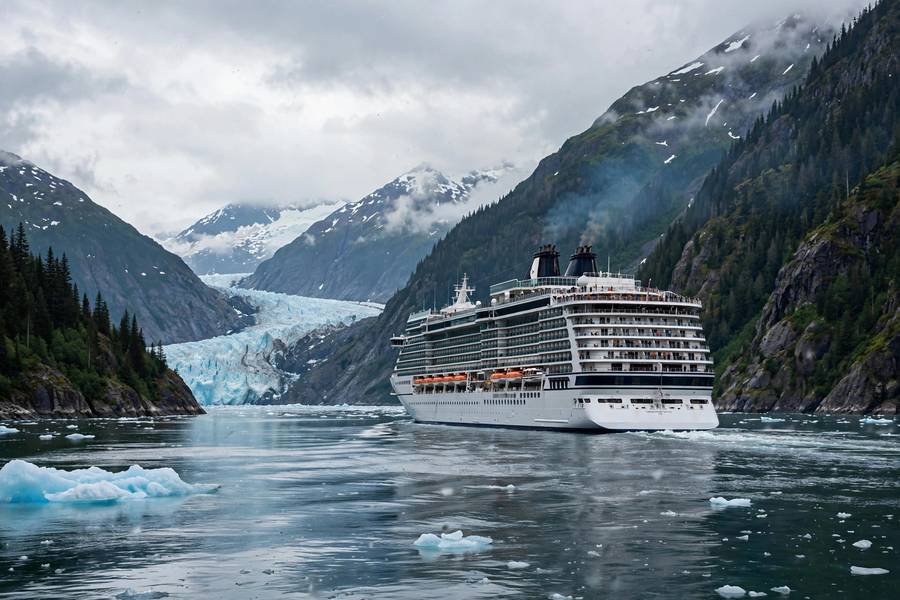
An Alaska cruise is the only trip where you’ll need a swimsuit and a winter coat in the same week — I learned this standing on a glacier in July wearing shorts, questioning every decision. Alaska’s Inside Passage runs the full weather spectrum in a single day: 60°F sunshine at noon, 40°F rain by dinner, and wind that laughs at your ‘light jacket.’
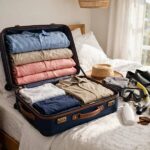
Packing for Alaska is really packing for three trips: the ship (casual-to-dressy), the ports (outdoor adventure), and the excursions (which range from whale watching to helicopter glacier landings). This list covers all three without requiring a second suitcase. best national parks for road trips
For general cruise packing, see our what to pack for a cruise guide. This is the Alaska-specific edition — the layers, the gear, and the things the cruise line won’t tell you.
The Layering System: Alaska’s Golden Rule
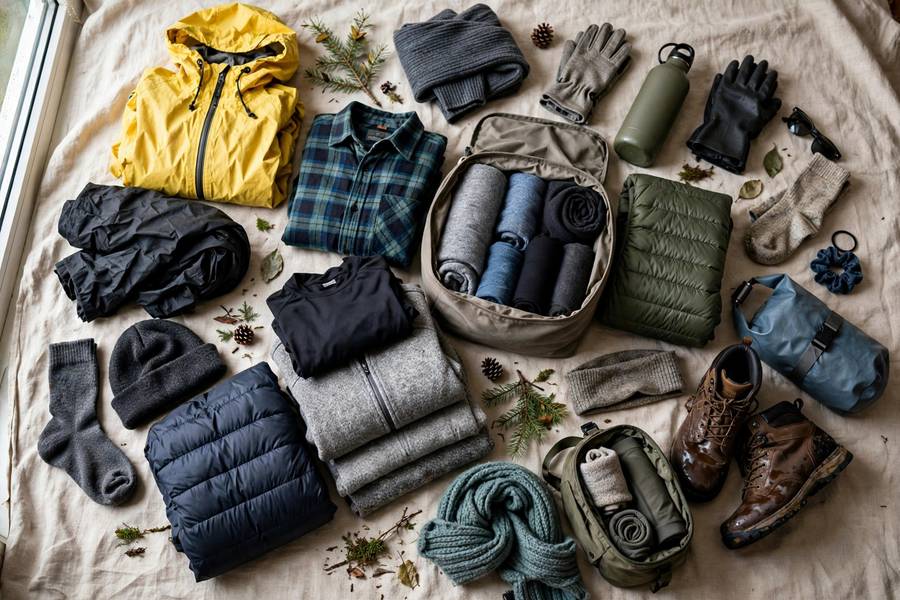
Forget ‘outfits’ — think layers. Alaska’s weather changes hourly, and the layering system lets you adapt without outfit changes. Base layer: moisture-wicking tops (merino or synthetic — not cotton, which stays wet and cold). Mid layer: fleece or light down jacket. Outer layer: waterproof rain jacket with a hood. This trio handles everything from 65°F afternoons to 35°F glacier mornings. how to pack light
The rain jacket is the single most important item. Not water-resistant — waterproof, with sealed seams. Alaska’s coast gets 100+ inches of rain a year, and ‘rainy day’ here means horizontal. A good rain shell ($80–150) is the difference between enjoying Juneau and hiding on the ship. Pack rain pants too if you’re doing hiking excursions — wet jeans ruin days.
On the ship, it’s a different climate: heated, calm, and dress-coded. Most Alaska cruises are smart-casual (no formal nights on most lines anymore, though Holland America and Princess keep one). One ‘nice’ outfit covers the captain’s dinner; the rest is resort-casual. The temperature shock going from deck (40°F wind) to dining room (72°F) is real — that mid-layer earns its keep.
What to Wear: Day by Day
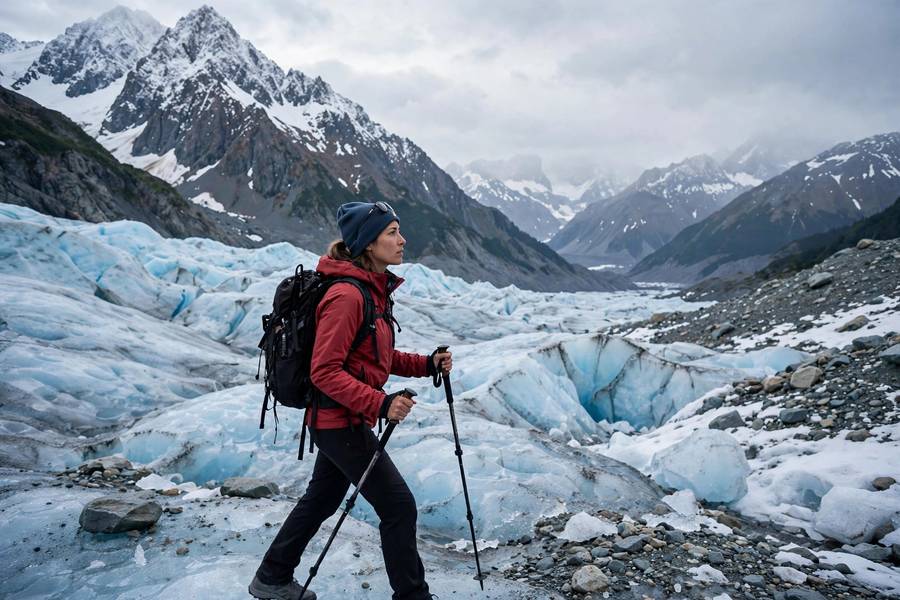
Port days (the majority): hiking pants or quick-dry trousers, base layer top, fleece, rain jacket. Waterproof hiking shoes or sturdy sneakers — port towns are hilly, wet, and cobbled. A beanie and light gloves live in your daypack; you’ll put them on and take them off five times a day. This is the uniform; embrace it.
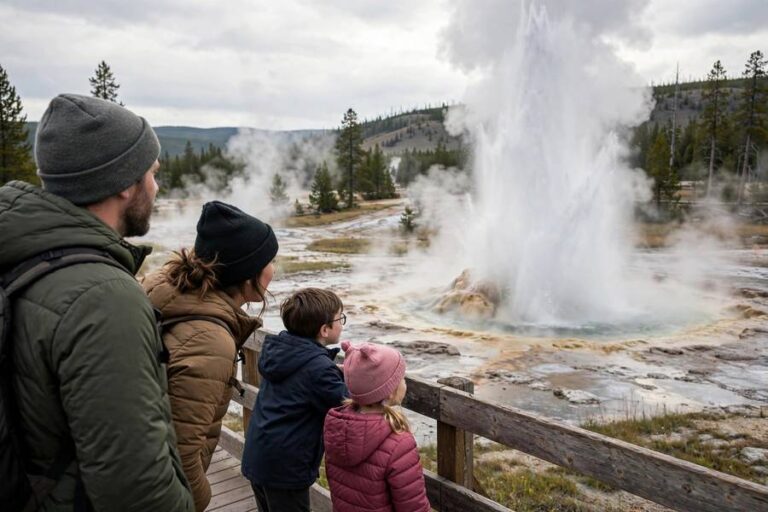
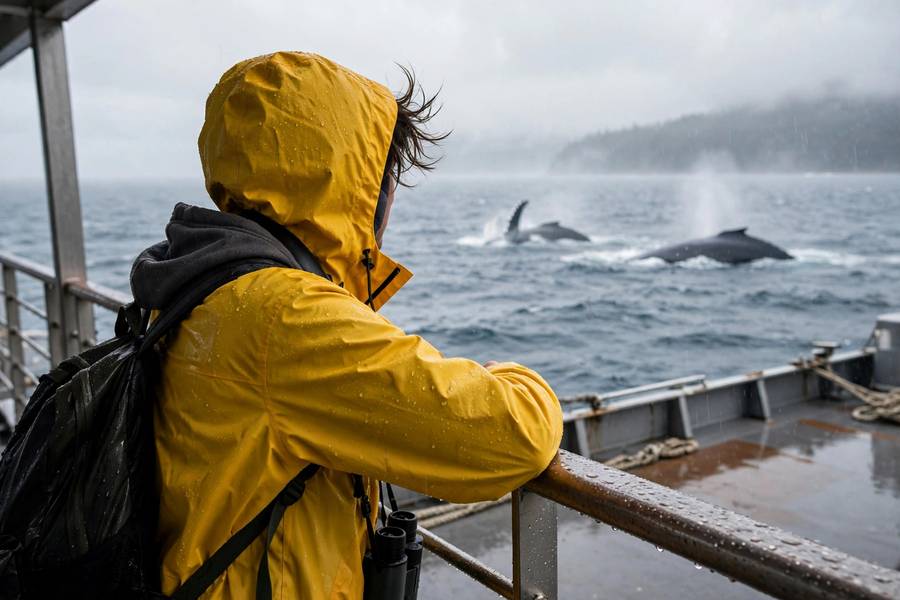
Glacier/excursion days: add the heavy artillery. For whale watching or glacier cruises, it’s 10–15°F colder on the water than on land, with wind. Layer everything, bring the warmest hat you own, and consider hand warmers ($1 each — the best dollar you’ll spend). Helicopter tours provide outerwear, but base layers are on you.
Sea days and evenings: the ship is your resort. Casual daytime (what you’d wear to a nice lunch), smart-casual evenings. One blazer or nice dress, one pair of dress shoes — that’s the formal ceiling on most Alaska sailings. The buffet doesn’t care what you wear, and neither should you.
Swimsuit: yes, really. The ship has hot tubs and often a heated pool, and soaking in 104°F water while glaciers drift past is a top-five cruise experience. Pack it — you’ll regret it if you don’t.
Excursion Gear: What’s Worth Bringing
Binoculars: the #1 Alaska-specific item. Whales, eagles, bears, sea lions — Alaska is a wildlife safari, and the ship’s deck is your game drive vehicle. Compact 8×42 binoculars ($50–80) transform the experience. The ship sells them for triple the price; bring your own.
Camera gear: if you’re into photography, this is the trip. A zoom lens (200mm+) for wildlife, a wide-angle for glaciers and fjords. Bring extra batteries (cold drains them) and a dry bag or rain cover — you’ll shoot in drizzle. Phone photographers: a portable charger, because cold + camera use kills batteries by noon.
Daypack: a 20L waterproof daypack for excursions — layers, water, snacks, camera, binoculars. The ship’s shore excursions involve walking; a proper daypack beats a tote bag. A dry bag inside (or a pack with rain cover) protects electronics during the inevitable rain.
Motion sickness: the Inside Passage is sheltered and usually calm, but the open-water stretches (and small excursion boats) can rock. If you’re prone, bring your remedy of choice — ginger, wristbands, or medication. The ship’s medical center charges generously for what you could’ve packed.
Toiletries, Tech, and Documents
Toiletries: standard cruise kit, plus heavy moisturizer and lip balm (cold wind + heated ship air = desert skin), reef-safe sunscreen (the sun reflects off water and ice — burns happen on cloudy days), and insect repellent (mosquitoes in port towns, especially June–July, are legendary — Alaskans call them the ‘state bird’). carry-on vs checked baggage
Tech: universal adapter if you’re international (US/Canada departures use standard plugs), power strip (cabins have 2–3 outlets for 2 people — always insufficient), and downloaded entertainment (ship wifi is expensive and slow). A small flashlight or headlamp for the cabin — interior rooms are pitch black, which is great for sleeping and terrible for 3 a.m. bathroom trips.
Documents: passport (required even on ‘closed loop’ US cruises — Canada ports require it), cruise documents (printed backup), travel insurance (Alaska’s remoteness makes medical evacuation real — a $100 policy is non-negotiable), and a credit card with no foreign fees (you’ll spend in Canada).
What NOT to Bring
Umbrellas: useless in Alaska wind — they’ll invert in seconds. The rain jacket with hood is the answer. Every Alaskan knows this; tourists learn it the wet way.
Too many ‘nice’ clothes: Alaska cruises are famously casual. One nice outfit is plenty. The couple in full formal wear at dinner looks out of place, not elegant — the vibe is ‘adventure,’ not ‘gala.’
Cotton everything: cotton kills (the hiking saying) — it absorbs water and loses insulation. In Alaska’s damp climate, cotton jeans and hoodies become cold, heavy liabilities. Synthetics and wool only.
Beach gear: no one swims in Alaska (water temperature: 45°F). Leave the beach towel, the snorkel, and the flip-flops. The hot tub is the only water you’ll touch, and the ship provides towels.
Timing: When to Go Affects What You Pack
May and September (shoulder season): coldest — highs 50–55°F, lows near freezing, possible snow at elevation. Pack the full winter kit: heavy fleece, warm hat, gloves, base layers. Fewer crowds, lower prices, but some excursions aren’t running yet (or have ended).
June–August (peak): mildest — highs 60–65°F, long daylight (18+ hours in June). The layering system above is perfect. Rain is still frequent; the rain gear is non-negotiable year-round. This is when wildlife is most active and all excursions run.
September bonus: fall colors in the interior, northern lights possible on clear nights (the season starts mid-September), and end-of-season prices. It’s my favorite month — pack for cold, hope for crisp sunshine, and watch the sky at night.
Cabin Life: What the Ship Provides (and Doesn’t)
Alaska cruise cabins are compact, and the ship provides more than you’d expect: bathrobes, shampoo/conditioner/body wash, pool towels, and often a small umbrella (which, as established, is useless in Alaska wind). The closet is small — this is where packing cubes earn their keep. Hanging your layers immediately prevents the ‘exploded suitcase’ situation by day two.
What the ship doesn’t provide: enough hangers (bring 5–6 extra — layers need hanging), a nightlight (interior cabins are pitch black), or laundry facilities that are affordable (ship laundry runs $3–5 per item; the packing math favors bringing enough base layers for 7 days). A pop-up hamper keeps dirty layers from colonizing the cabin floor.
Layers: moisture-wicking base, fleece mid-layer, waterproof rain jacket outer. Port days are outdoor-adventure casual; ship evenings are smart-casual. One nice outfit covers formal night. The key items: real rain gear, waterproof shoes, and warm hat/gloves in your daypack.
A heavy winter coat is overkill in June–August, but a warm mid-layer (fleece or light down) plus waterproof shell handles everything. In May/September, add heavier insulation. The layering system beats one big coat — Alaska’s weather changes hourly.
Whale watching and glacier cruises: warmest layers + windproof outer (10–15°F colder on water). Helicopter tours: they provide outerwear. Hiking: waterproof boots and rain pants. Fishing: the charter provides gear. When in doubt, ask the excursion operator — they’re specific about requirements.
Most lines have 1–2 ‘dressy’ nights (not full formal anymore, except Cunard). Smart-casual — a blazer or nice dress — is the ceiling. Alaska cruises are famously relaxed; the expedition vibe means adventure-wear is respected, not frowned upon.
July for the warmest weather and peak wildlife; September for fall colors, northern lights potential, and lower prices; May for fewest crowds. June–August is peak season with all excursions running. Shoulder months (May, September) need warmer packing.