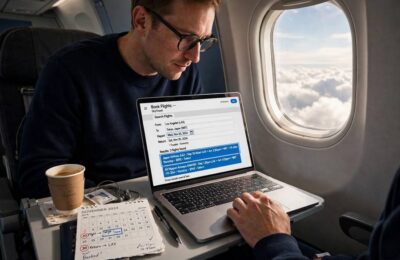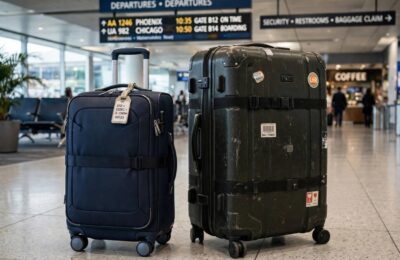


For years I walked past those frosted-glass lounge doors assuming they were for people with private jets and platinum everything. Then a delayed flight in Chicago left me with a five-hour layover, a dead phone, and a gate area with one working outlet — and I discovered that a day pass to the lounge cost $59, less than the sad airport lunch I was about to buy. I walked in a skeptic and walked out a convert.
That was seven years and roughly 200 lounge visits ago. Here’s everything I wish someone had explained before my first visit: how you get in, what you actually get, what it costs, and whether it’s worth it for how you travel.
Table of Contents
- What an Airport Lounge Actually Is
- The 5 Ways to Get In
- What You Get Inside (Honestly)
- What It Costs: Every Entry Method Priced
- Airline Lounges vs. Independent Lounges
- The Unwritten Rules (Lounge Etiquette)
- Is It Worth It? The Honest Math
- My Lounge Strategy as a Frequent Flyer
- Mistakes First-Timers Make
- Frequently Asked Questions

What an Airport Lounge Actually Is
An airport lounge is a private waiting area inside the terminal — past security, near the gates — that offers comfortable seating, free food and drinks, fast wifi, clean bathrooms (often with showers), and quiet. Think of it as the anti-gate-area: instead of hard chairs, screaming announcements, and $18 sandwiches, you get armchairs, calm, and a buffet.
The key thing to understand: lounges are a waiting experience, not a destination. You’re still in the airport. But the difference between three hours in a lounge and three hours at the gate is the difference between arriving rested and arriving frayed — especially on long layovers and delays.
Who they’re for: anyone, really. The mystique is marketing. Business travelers use them most, but families with kids (space to spread out, food the kids will eat), long-layover travelers (showers!), and nervous flyers (calm environment) all benefit.
The 5 Ways to Get In
1. Airline status or premium cabin ticket. Flying business or first class? Lounge access is usually included — check your booking, because it’s sometimes buried in the fare details. Frequent flyer elites (airline gold status and up) typically get access even in economy. This is how most regulars get in.
2. Credit card lounge programs. Several premium travel credit cards include lounge memberships — typically Priority Pass (1,300+ lounges worldwide) or the card issuer’s own lounge network. The annual fee ($395–895 on these cards) sounds steep until you realize it often pays for itself in lounge visits plus travel credits. I’m not recommending specific cards here — the offerings change constantly — but if you fly 6+ times a year, run the math on one.
3. Priority Pass / LoungeKey memberships. You can buy these directly: a standard membership runs about $99/year plus $35 per visit, or ~$469/year for unlimited visits. If your credit card doesn’t include it and you fly regularly, the unlimited tier can make sense.
4. Day passes ($30–75). Many lounges — especially independent ones — sell single-visit passes at the door or online. This is the perfect first-timer move: no commitment, full experience. Book online in advance when possible; popular lounges at peak times do sell out their day passes.
5. Airline lounge memberships. The big US airlines sell annual memberships ($650–850/year) — worth it only if you’re loyal to one airline and fly constantly.
My first-timer recommendation: buy a single day pass for your next long layover or delay — no commitment, full experience. Book online in advance when possible; popular lounges at peak times do sell out their day passes.
What You Get Inside (Honestly)
Let me be specific, because “complimentary food and beverages” undersells some lounges and oversells others:
Food: typically a buffet with hot options, salads, snacks, desserts, and a proper espresso bar. It’s not fine dining, but it’s solid, fresh, and unlimited.
Drinks: house beer, wine, and spirits are usually free; premium labels cost extra.
Wifi: fast, free, no login circus. Plus abundant power outlets and USB ports at nearly every seat — the dead-phone problem disappears.
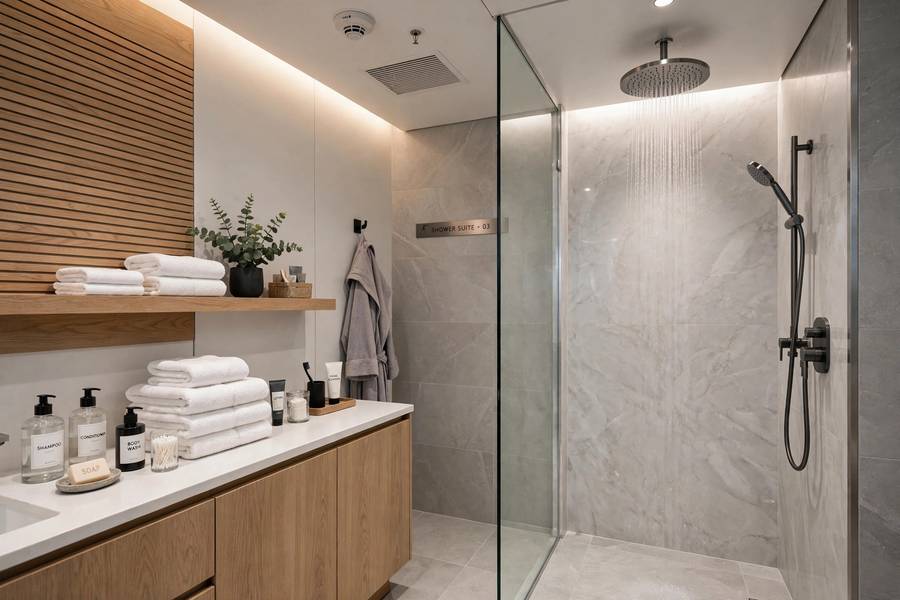
Bathrooms and showers: clean, private, well-stocked — a revelation after terminal restrooms. Many lounges have shower suites with rainfall showers and toiletries; after a red-eye, a lounge shower is transformative. (Book the shower when you arrive — there’s often a short wait.)
Work and rest: quiet zones, workstations, sometimes private phone booths or nap areas. Flight information screens, and staff who can help with rebooking during irregular operations — which, during a meltdown, is worth the entry price alone.
What you don’t get: it’s still an airport. There’s ambient noise, the food won’t win awards, and at peak times the popular lounges get crowded. Set expectations at “comfortable refuge,” not “spa day.”
What It Costs: Every Entry Method Priced
| Method | Typical cost | Best for |
|---|---|---|
| Day pass | $30–75 per visit | First-timers, occasional flyers |
| Priority Pass (standard) | ~$99/yr + $35/visit | 4–8 trips/year |
| Priority Pass (unlimited) | ~$469/yr | 12+ trips/year |
| Premium credit card w/ lounge access | $400–695/yr annual fee | 6+ trips/year (fee offset by credits) |
| Airline annual membership | $650–850/yr | Single-airline loyalists |
| Business/first ticket or elite status | “Free” (built into fare/status) | Regular premium travelers |
The math that matters: a day pass at $59 vs. terminal spending on a 4-hour layover — a meal ($20), two coffees ($12), wifi or entertainment, and the sheer unpleasantness. The lounge usually wins on value alone, before you count the shower, the quiet, and the rebooking help.

Airline Lounges vs. Independent Lounges
Airline lounges (Delta Sky Club, United Club, American Admirals Club, and their international equivalents) are run by the airline, usually near their gates. Quality varies enormously — the flagship international lounges are superb; some domestic ones are tired. Access is typically restricted to that airline’s premium passengers, elites, and members.
Independent lounges (Priority Pass network, Plaza Premium, and similar) serve all travelers regardless of airline. They’re the ones selling day passes. Quality is generally consistent and solid — often better than mid-tier airline lounges — because they compete for your visit.
My take: for day-pass buyers, independent lounges are the play — easier access, no airline loyalty required. For frequent flyers, the airline lounge of your primary carrier (plus its alliance partners worldwide) becomes a second home.
Alliance trick: airline status with one carrier usually gets you into partner lounges worldwide — even in economy. Concentrate your flying on one alliance and the lounge network follows.
The Unwritten Rules (Lounge Etiquette)
Lounges are shared calm spaces, and the etiquette is simple:
Keep it quiet. Phone calls go to the phone booth or outside. Video calls without headphones are a violation. The lounge is quiet because everyone agrees to keep it that way.
Don’t camp the buffet. Take what you’ll eat, don’t stockpile for the flight. (Everyone judges the person loading a bag with croissants. Don’t be that person.)
Shower efficiently. There’s often a queue. Fifteen minutes, not forty.
Tip where it’s customary. In the US, the bartenders and shower attendants typically accept tips — a dollar or two per drink is standard. Outside the US, follow local norms.
Dress code: there’s barely one anymore — clean and presentable is fine. Swimwear and pajamas will get you turned away; everything else is fine.
Kids: welcome in most lounges, and honestly lounges are better with kids than gate areas — space, food, bathrooms.
Is It Worth It? The Honest Math
Worth it if: you fly 6+ times a year, you regularly have layovers over 2 hours, you travel for work and need reliable wifi and quiet, you’re a nervous flyer who benefits from calm, or you have kids (the sanity value is incalculable).
Not worth it if: you fly 1–2 times a year on short direct flights, you’re the type who arrives at the gate 45 minutes before boarding, or you’d rather spend the money at your destination.
The break-even: at ~$50/visit of value, a $469 unlimited Priority Pass breaks even at about 10 visits. But the real value isn’t purely financial — it’s arriving rested instead of depleted.
My Lounge Strategy as a Frequent Flyer
After 200+ visits, here’s my actual system:
I hold one premium travel card whose lounge benefit covers Priority Pass plus the issuer’s own lounges. That single card handles 90% of my lounge access worldwide.
I arrive earlier for long layovers. A 4-hour layover used to feel like punishment; now it’s a gift — shower, real meal, work session, board rested.
I use lounges during disruptions. When flights cancel, lounge staff rebook you while gate-area passengers stand in a 200-person line. During irregular operations, head to the lounge first, not the service desk.
Mistakes First-Timers Make
Going to the wrong lounge. Big airports have multiple lounges in different terminals. Check which ones your pass covers and whether you can reach them without re-clearing security. Check the lounge app’s terminal map before you walk.
Arriving too late to enjoy it. Showing up 30 minutes before boarding for a “quick look” wastes the pass. Lounges pay off with time — arrive at least 90 minutes before boarding, ideally more.
Not asking about showers on arrival. They have limited suites and a waitlist. Ask the front desk immediately when you enter, not an hour later.
Forgetting it’s still an airport. Lounges are relaxing enough that people miss boarding. Set a phone alarm for 30 minutes before departure.
Overeating. The buffet is unlimited and you’re bored. Pace yourself.
For the rest of the journey — what to bring, how to pack it — my international packing guide pairs well with this one. And honestly, lounges are slow travel applied to airports: the trip starts at the terminal, not the destination.
Frequently Asked Questions
Airport lounges are private waiting areas past security offering free food and drinks, fast wifi, comfortable seating, clean bathrooms (often with showers), and a quiet environment. You enter via airline status, a premium cabin ticket, a lounge membership like Priority Pass, a qualifying credit card, or a day pass ($30–75) purchased at the door or online.
Day passes cost $30–75 per visit. Annual options include Priority Pass (~$99/year plus $35/visit, or ~$469/year unlimited), premium travel credit cards ($400–695/year annual fee, often including lounge access), and airline memberships ($650–850/year). Flying business/first class or holding elite status usually includes access free.
Many independent lounges sell day passes to any traveler ($30–75), available at the door or online — booking ahead is wise at peak times since they can sell out. Airline-operated lounges are generally stricter, usually limited to their premium passengers, elites, and members.
Complimentary buffet food and drinks (including beer, wine, and spirits), fast free wifi with abundant power outlets, clean private bathrooms and often shower suites, quiet work areas, flight information screens, and staff who can help with rebooking during delays and cancellations.
It’s worth it if you fly 6+ times a year, regularly face layovers over two hours, need reliable wifi and quiet for work, or travel with kids. A $469 unlimited Priority Pass breaks even at about 10 visits per year at ~$50 of value per visit — and the real payoff is arriving rested instead of depleted.
Many do — shower suites with rainfall showers, fresh towels, and toiletries are common in larger and international lounges. Ask the front desk when you arrive, as suites are limited and there’s often a short waitlist. A shower during a long layover or after a red-eye is one of the best lounge perks.