How to Reduce Clutter in Your Home Room by Room

Clutter is rarely about laziness. Most of the time it is about decisions that never got made: the box from the move two years ago, the drawer of cables for devices you no longer own, the gifts you keep out of guilt. Figuring out how to reduce clutter in your home is really about finishing those decisions, one small area at a time, until the house starts to feel like it belongs to the person you are now instead of the person you were.
This is not a weekend blitz guide. Blitzes work for about a week and then the clutter returns, because nothing about your habits changed. Instead, this is a room-by-room method built for real life: fifteen to thirty minutes a day, one zone at a time, with systems that make it harder for clutter to come back. Start anywhere. The order matters less than the starting.
Begin With the Right Mindset, Not the Junk Drawer
The biggest mistake is starting with the hardest area. The garage, the attic, the closet of doom: these are advanced levels. Begin somewhere with a visible payoff and low emotional stakes. A bathroom drawer. One kitchen cabinet. The entryway. Quick wins build the decision-making muscle you will need for the sentimental stuff later.
Set a timer. Fifteen minutes is enough for a drawer, thirty for a closet section. When the timer rings, you stop, even mid-project. This sounds counterintuitive, but it prevents the classic decluttering disaster: pulling everything out, getting overwhelmed, and shoving it all back worse than before. Small finished zones beat large abandoned ones every time.
Use three containers every session: keep, relocate, and let go. The relocate box catches things that belong in other rooms. The let-go box catches donations and discards. At the end of each session, the let-go box leaves the house, to the car for donation or straight to the bin. Clutter that sits in a donation bag in the hallway for a month is still clutter.
The Kitchen: Where Clutter Multiplies Fastest
Kitchens accumulate clutter because everything in them feels useful. Duplicate utensils, single-purpose gadgets, chipped mugs, expired spices, plastic containers without lids. Go through one cabinet at a time and ask the honest question: have I used this in the last year? If not, it is a candidate for letting go, with exceptions only for genuine specialty items like the holiday roasting pan.
Countertops deserve special attention. Every item living on the counter should earn its place through daily use. The coffee maker stays. The bread machine used twice moves to a cabinet or out the door. Clear counters make a kitchen feel twice as large and take half the time to clean, which is motivation that compounds.
Set up homes for the categories that drift. A drawer for the takeout menus and coupons, with a monthly purge. One shelf for the water bottles, with a strict limit. A single junk drawer is allowed, but it gets emptied and reset every season. Boundaries turn chaos into inventory.
Bedrooms and Closets: The Emotional Center
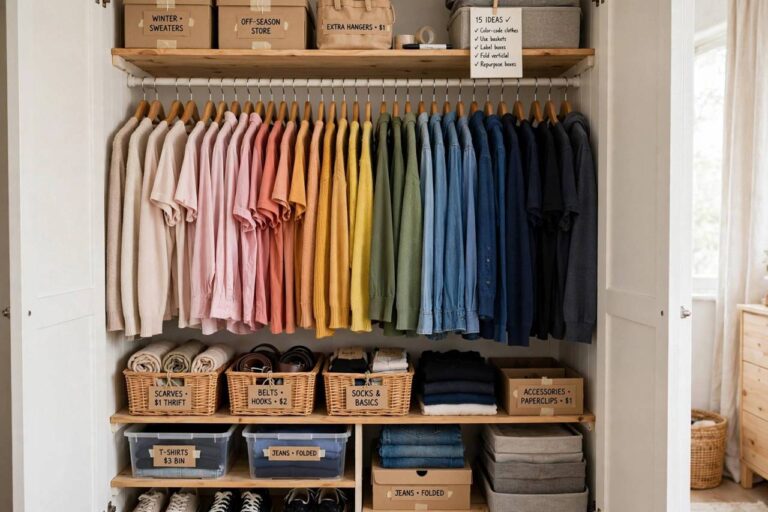
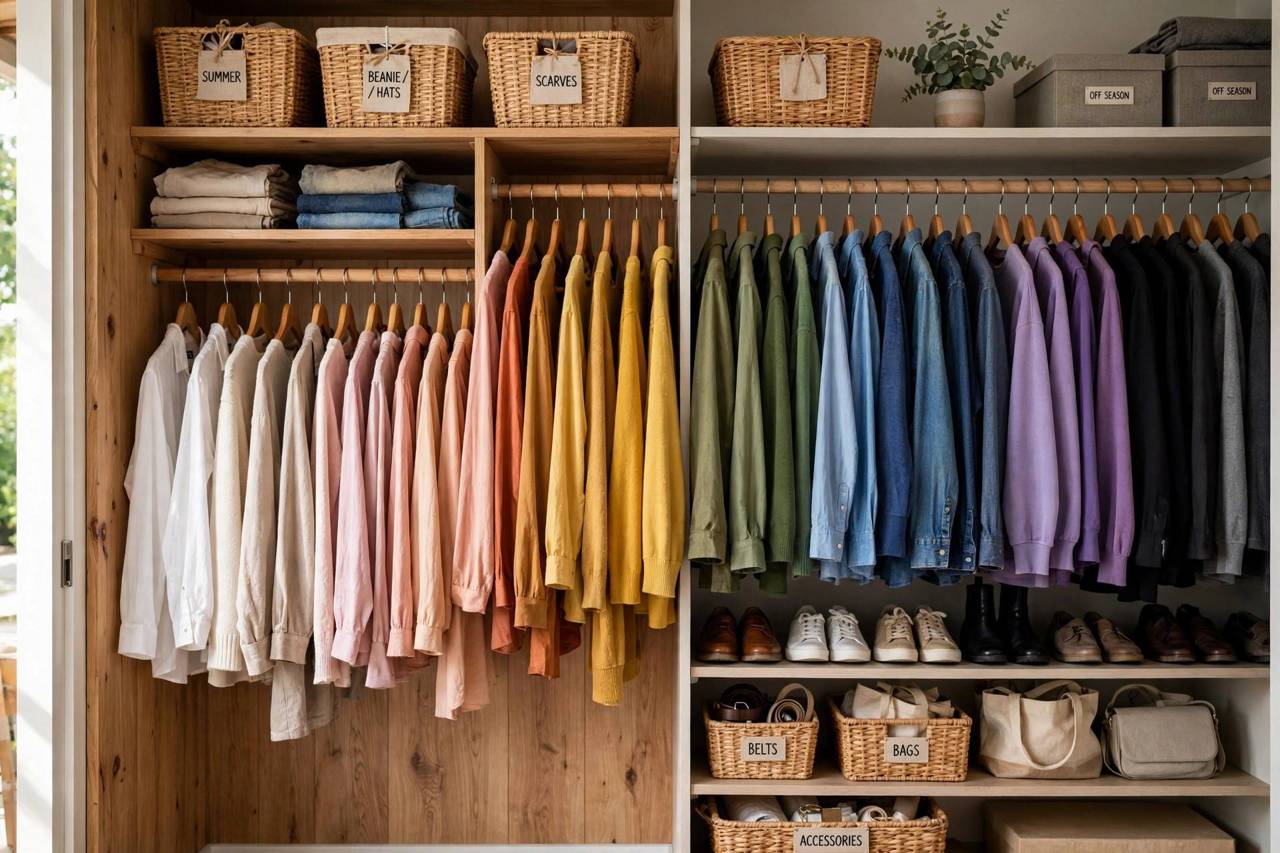
Closets hold more emotion than any other space. Clothes carry memories, aspirations, and guilt in equal measure. The practical approach: pull everything out of one section at a time, and sort into keep, donate, and discard. If something does not fit, is damaged beyond repair, or has not been worn in a year, thank it and let it go.
For the clothes you keep, organize by category and then by color. It takes no extra time once the sort is done, and it transforms getting dressed. You will also discover what you actually own, which usually reveals surprising duplicates. Most people find they own five black sweaters and zero of something they thought they had.
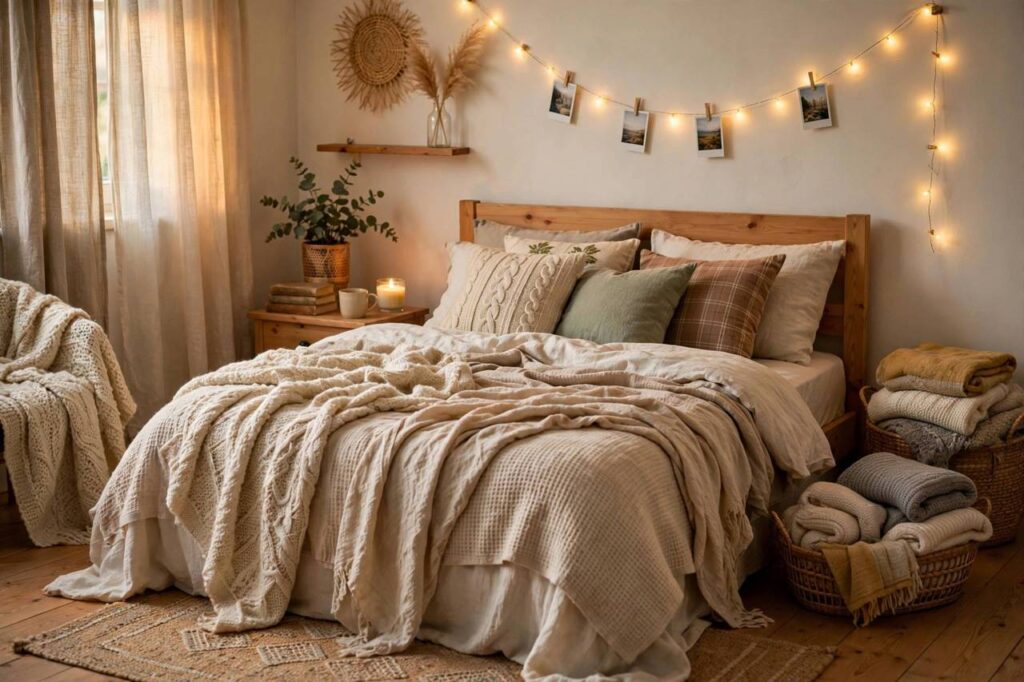
Bedrooms beyond the closet need the same treatment. Nightstands accumulate books, chargers, and half-finished projects. Under the bed becomes a storage unit by default. Clear the surfaces, contain what remains in a drawer or box, and notice how much calmer the room feels. Sleep and clutter are enemies. For a full walkthrough of the wardrobe side, a guide to decluttering your closet pairs well with this room-by-room plan.
Living Areas: Taming the Shared Spaces
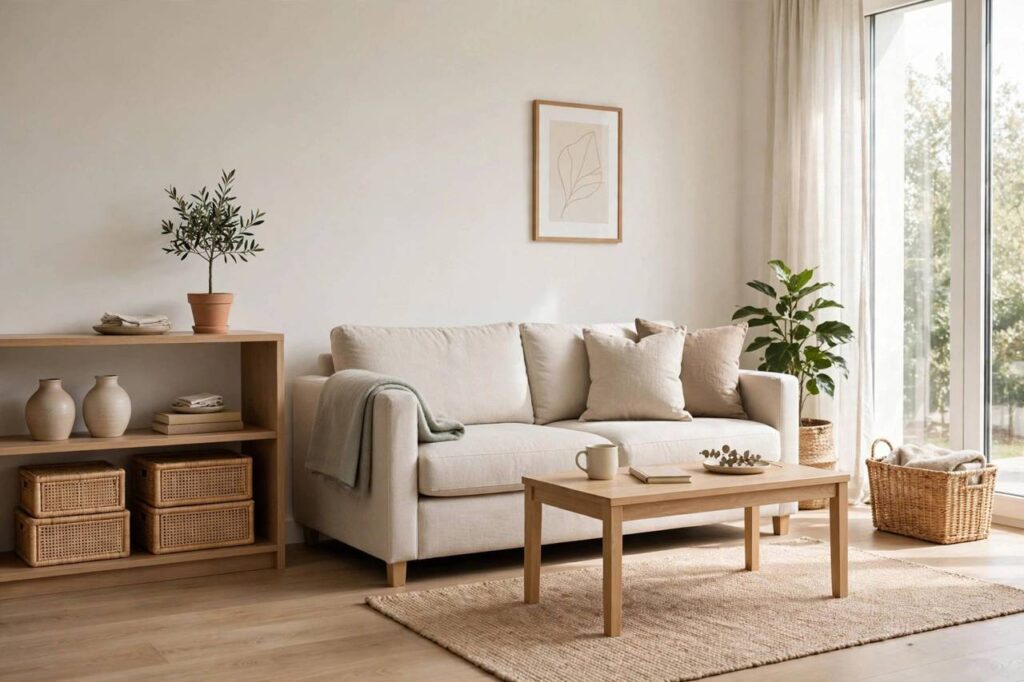
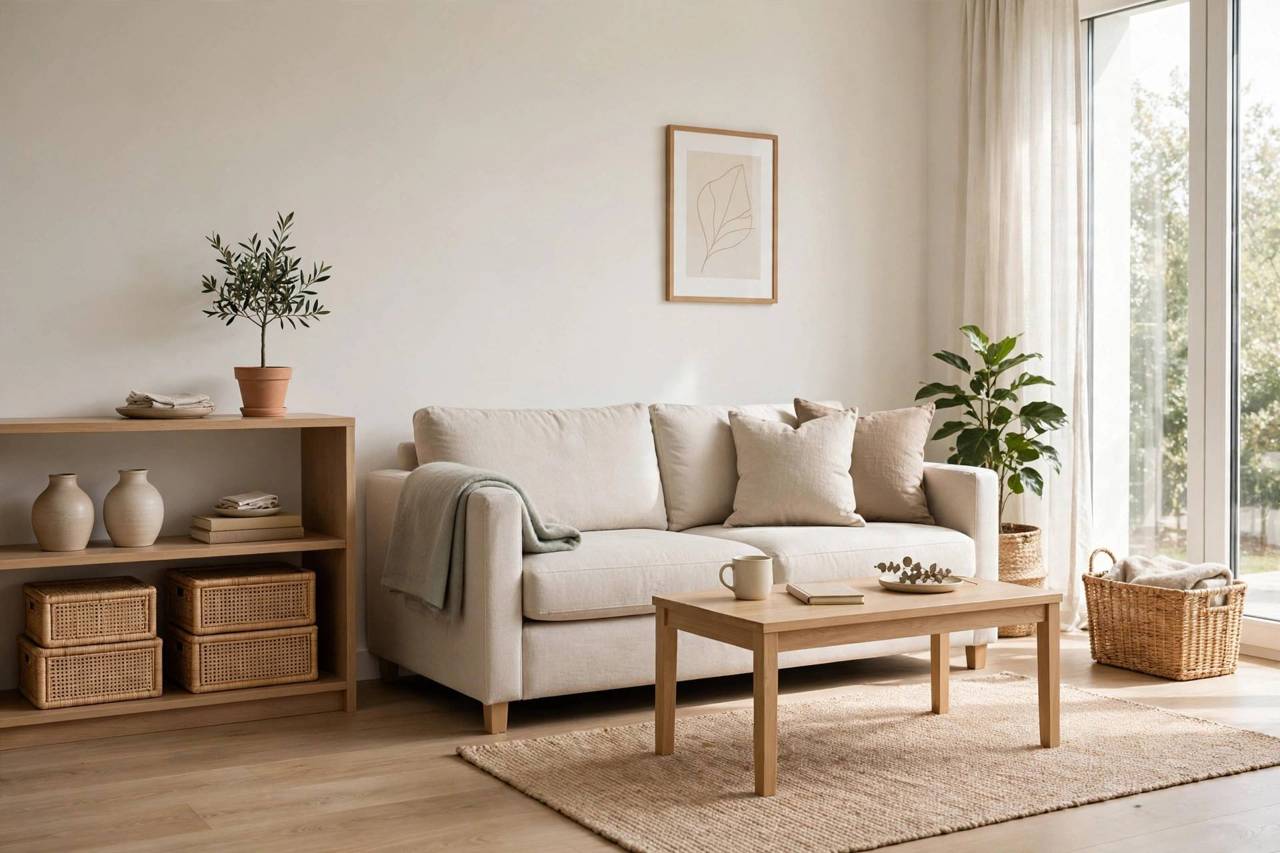
Living rooms collect the clutter of everyone in the house: toys, mail, remote controls, magazines, the mysterious items nobody claims. The fix is part sorting, part systems. Sort first, one zone at a time: the media console, the bookshelf, the coffee table. Then give every category a home, especially the shared ones.
Baskets are the unsung heroes of shared spaces. One attractive basket per person for their daily drift, emptied weekly. A basket for the throw blankets. A tray for the remotes. Containers do not organize by themselves, but they convert scattered mess into contained mess, which is a genuine improvement and much faster to reset.
Bookshelves and display areas benefit from the one-in-one-out rule. A new book means one leaves. A new decorative object means one gets stored or donated. Without this rule, surfaces fill up by slow accumulation, and you never notice until a guest is coming and everything needs emergency hiding.
Bathrooms, Entryways, and the Forgotten Zones
Bathrooms are quick wins. Expired medications, ancient sunscreen, hotel toiletries from 2019, makeup past its prime: bag it all and bin it. Keep only what you use weekly on the counter. Everything else lives in a cabinet or drawer. A bathroom takes twenty minutes and the difference is dramatic.
The entryway sets the tone for the whole house. Coats, shoes, bags, and mail collide here daily. Give each person one hook and one shoe spot. Add a small tray or bowl for keys and a basket for outgoing mail. When the entryway works, the rest of the house stays calmer, because things get put away at the door instead of migrating inward.
Do not forget the digital and paper clutter that lives alongside the physical kind. A mail sorting station, opened daily, recycled immediately, prevents the paper piles that colonize counters. The physical and paper systems reinforce each other.
Making It Last: The Philosophy of Less
Decluttering is a project. Staying decluttered is a practice. The households that succeed long-term usually adopt some version of mindful consumption: buying less, choosing better, and letting go regularly. You do not need to embrace full minimalism to benefit from its core insight, which is that every object you own costs a little attention.
Build in seasonal resets. Four times a year, walk through the house with a donation bag and collect what has drifted. It takes an hour and prevents the slow refill. Pair it with something pleasant, good music, a favorite podcast, and it becomes maintenance rather than a chore.
Finally, aim for a home that feels like hygge: not empty, but intentional. The goal was never bare white rooms. It is a home where everything present was chosen, everything chosen is used or loved, and the space around your life feels like breathing room instead of storage.
How to Reduce Clutter in Your Home When You Have Kids
Children generate clutter at an astonishing rate, and the usual advice fails because it ignores the emotional reality. Kids attach to things, and decluttering their belongings without them breeds resentment. The approach that works: involve them, set clear limits, and make letting go a regular rhythm rather than a dramatic purge.
Start with categories, not the whole room. One session for stuffed animals, another for art supplies. Give each category a container with a fixed size. When the container is full, something must leave before something new enters. Kids understand this rule intuitively once it is consistent, and it teaches the one-in-one-out habit early.
For outgrown clothes and toys, sort quickly and regularly rather than letting it pile up. A small donation box in the closet, emptied monthly, prevents the avalanche. Involve kids in choosing what to donate and talk about where it goes. Framing it as passing things to other kids who need them works far better than framing it as throwing things away.
Protect one clutter-free zone for yourself, even if the rest of the house is chaos. A clear bedroom or a tidy kitchen counter gives you a visual rest and reminds you the system works. Parenting is messy. The goal is not a showroom. It is a home where the mess has boundaries and the important things are findable.
Progress beats perfection every time. A home that is ten percent calmer each month becomes unrecognizable within a year, and nobody but you needs to notice the change happening. Start with one drawer today. The rest follows.
Frequently Asked Questions
Where should I start decluttering my home?
Start with a small, low-emotion area like a bathroom drawer or one kitchen cabinet. Quick wins build momentum and decision-making confidence for harder areas like closets and storage rooms later. Once you feel the difference a single clear space makes, the bigger projects stop feeling intimidating.
How long does it take to declutter a whole house?
Working fifteen to thirty minutes a day, most homes take four to eight weeks room by room. Rushing usually backfires. Steady small sessions with finished zones beat marathon weekends that end in overwhelm.
What should I do with sentimental clutter?
Save it for last, when your decision muscles are strong. Keep the best representatives, not everything: one box of letters instead of ten, photos of bulky mementos before letting them go. Sentiment lives in the memory, not the object, and a small curated collection honors it better than boxes you never open.
How do I keep clutter from coming back?
Three habits: one-in-one-out for new purchases, a home for every category so putting things away is effortless, and a seasonal reset walk-through. Most returning clutter comes from new acquisitions, so mindful buying is the real long-term fix.
Should I declutter room by room or category by category?
Room by room works better for most people because the progress is visible and motivating. Category by category, like gathering every book in the house at once, is thorough but exhausting. Pick the approach you will actually finish. Most people do best starting room by room for visible wins, then switching to category sweeps for maintenance once the big sort is done.