How to Plan a Weekend Getaway With Friends (No Drama)

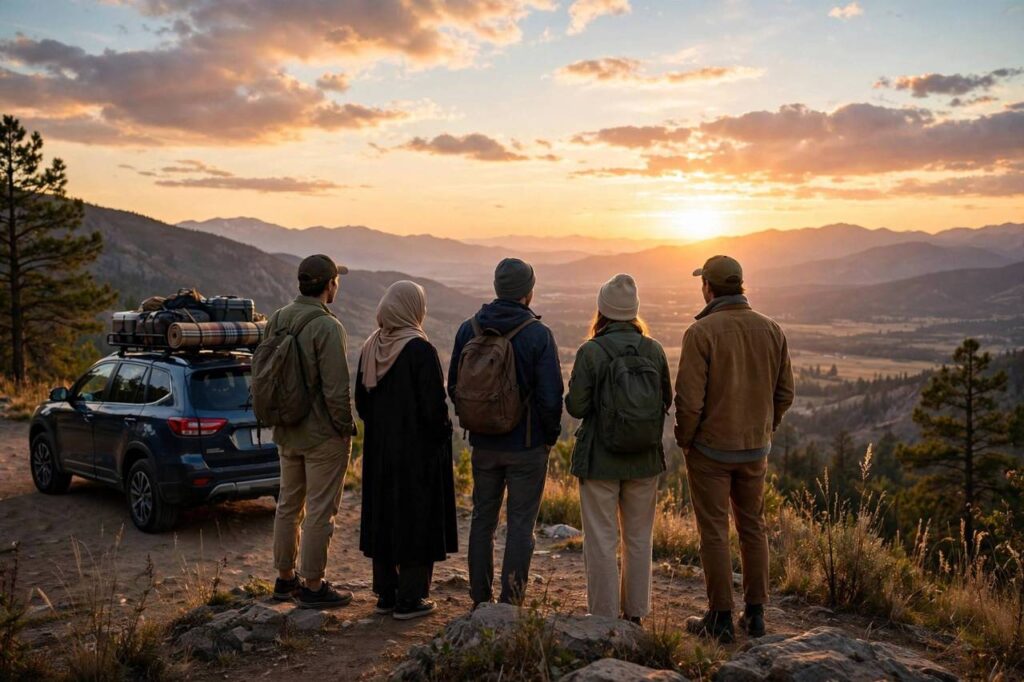
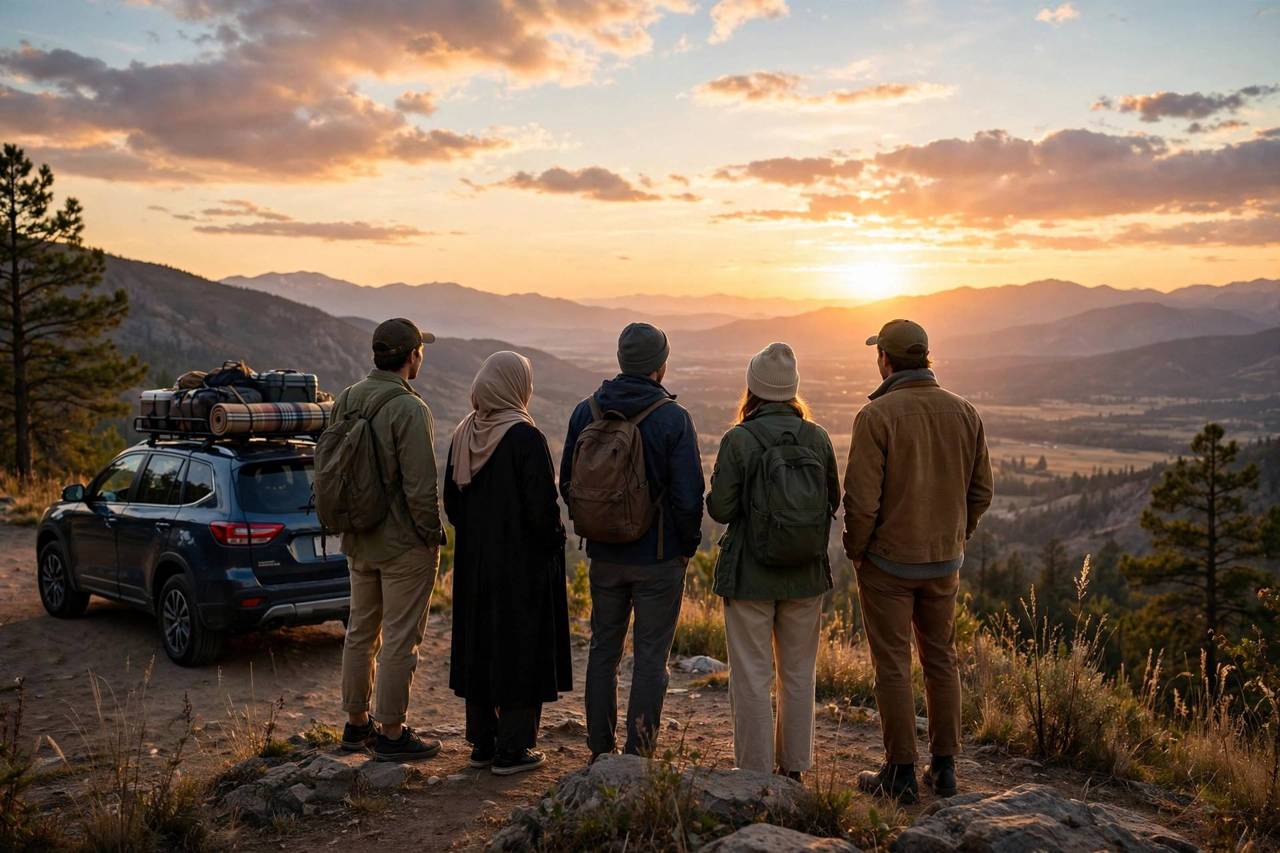
Every friend group has the same story: the legendary trip that gets talked about for years, and the one that ended with someone crying in a rental car. The difference between the two is almost never the destination — it’s the planning. Here’s how to plan a weekend getaway with friends that lands in the legendary category, from someone who’s organized more of these than she can count (and survived the one with the crying).
A friend getaway has three jobs: everyone feels included in the decisions, money stays drama-free, and the schedule has enough structure to avoid the dreaded “so… what are we doing now?” energy. Nail those three and the destination almost doesn’t matter.
How to Plan a Weekend Getaway With Friends: Start With the Crew
The guest list is the trip. Four to eight people is the magic range for a weekend — big enough for energy, small enough that decisions don’t require a committee vote. Beyond eight, you’ll spend half the weekend coordinating; below four, one personality clash can sink the whole thing.
Be intentional about the mix. The ideal crew has compatible energy levels (don’t invite the 6 a.m. hiker and the midnight partier and expect harmony unless they’ve negotiated it), roughly similar budgets, and at least one person who’s naturally organized. You don’t need everyone to be best friends — some of the best trips I’ve been on mixed friend circles — but everyone should be someone everyone else at least likes.
Have the honest conversations early, not on day two. Sleep arrangements, budget range, alcohol expectations, and how much together-time versus solo-time people want — these are all easy to discuss over text in the planning phase and miserable to negotiate in a cabin at midnight. The groups that talk about this stuff upfront are the groups that stay friends afterward.
Money: The System That Prevents Fights
Nothing poisons a friend trip faster than money weirdness. The solution is a system, agreed in advance, that removes all judgment calls. My recommended setup: one shared expense tracker (an app like Splitwise, or even a shared note), one person as treasurer, and a clear rule about what’s shared versus personal.
Shared expenses typically include: accommodation, rental car and gas, groceries for group meals, and any group activities everyone joins. Personal expenses: individual restaurant orders beyond the group meals, shopping, spa treatments, that extra cocktail. The rule of thumb — if everyone benefits, it goes in the pot; if one person chose it, it’s theirs.
Settle up within a week of getting home, not “whenever.” Money owed between friends has a half-life, and it decays into resentment. The treasurer sends one summary, everyone pays within a few days, done. And build a small buffer into the budget — 10 to 15 percent over your estimate — because trips always cost slightly more than planned, and a buffer means nobody has to have an awkward conversation about it.
One more thing: match the trip to the group’s actual budget, not its aspirational one. The friend who suggests the luxury resort while two others are quietly panicking isn’t being generous — they’re creating a situation where people either overspend or feel guilty. Pick the tier everyone’s comfortable with. A cabin weekend where everyone’s relaxed beats a resort weekend where half the group is stressed.
Choosing Where to Go
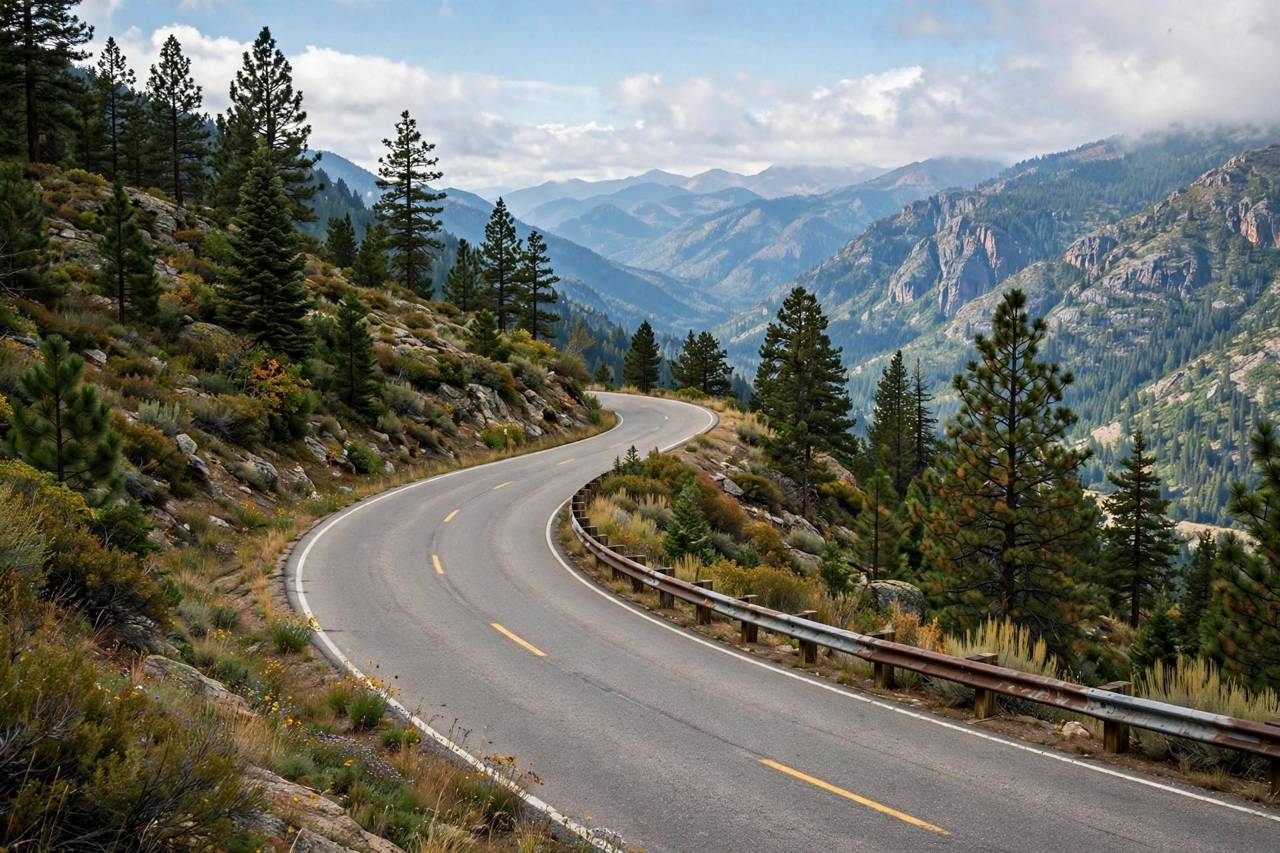
For a weekend — two to three days — distance is the enemy. The rule: no more than three to four hours of travel each way, or you spend the whole weekend in transit. That radius still contains enormous variety: beach towns, mountain cabins, lake houses, small cities, wine regions, national parks.
Match the destination to the group’s trip personality. Adventure crews want hiking, water sports, somewhere to explore — the country’s best national parks for road trips are built for exactly this. Relaxation crews want a nice rental with a hot tub and nowhere to be. Culture crews want a small city with good food and walkable streets. There’s no wrong answer, but there is a wrong mismatch — so poll the group honestly before booking.
Consider the accommodation as part of the destination. A great house rental can carry a mediocre location, but a bad one can sink a great location. Look for: enough bathrooms (the real trip-killer is one bathroom for eight people), a good common area where everyone can actually gather, outdoor space, and a kitchen if you’re cooking at all. Read recent reviews specifically for cleanliness and accuracy of the listing — and if you’re driving, classic American road trips make the journey part of the fun rather than just transit.
The Itinerary: Structure Without a Schedule
The sweet spot is one planned thing per day, maximum. A Saturday hike, a Sunday brunch reservation, a Friday night group dinner — anchors that give the day shape without scripting it. Everything else stays open, because the best trip moments are unplanned: the weird roadside attraction, the two-hour conversation on the porch, the spontaneous detour.
Build in alone time explicitly. Even the closest friends need an hour to recharge, and naming it in advance (“let’s all do our own thing until 4”) prevents anyone from feeling guilty about disappearing. Introverts will thank you silently; extroverts will use the time to nap.
Assign loose roles to spread the mental load. One person handles navigation, one handles the dinner reservation, one brings the speaker and the playlist, one owns the grocery run. The organizer shouldn’t also be the cook, the driver, the DJ, and the treasurer — that’s how organizers end up crying in rental cars. Delegation isn’t bossiness; it’s how everyone contributes.
And have a rain plan. Not a detailed one — just one indoor option everyone would genuinely enjoy (a great restaurant, a museum, a movie marathon at the rental). The groups that handle bad weather well are the groups that decided in advance it wouldn’t ruin anything.
Keeping the Peace: The Unwritten Rules
Most trip drama comes from unspoken expectations colliding. So speak them. A few norms worth establishing: clean up after yourself immediately (nobody’s on vacation from basic courtesy), respect quiet hours (the early risers and night owls negotiate this on night one), and the phone rule — present during group activities, free the rest of the time.
Handle friction early and lightly. “Hey, can we figure out the bathroom schedule?” on day one prevents the passive-aggressive shower wars of day three. The person who raises small issues early is doing the group a favor, not causing drama — causing drama is letting it fester.
Finally, take the photo, but don’t live behind the camera. Designate one person per outing to capture the good stuff, then put the phones away. The trip you’ll remember is the one you were actually present for — and paradoxically, the groups that photograph less usually end up with better photos, because someone was paying attention when the moment happened.
Oh, and one rule that saves friendships: what’s vented on the trip stays kind. Every group has a moment of friction — someone’s late, someone’s loud, someone ate the leftovers. Address it in the moment, lightly, and let it go. The trip debrief back home should be stories and photos, not a tribunal. Groups that forgive fast are groups that travel together for decades.
The Packing System: What to Bring and What to Share
Group trips generate a special category of packing inefficiency: four people bring Bluetooth speakers, nobody brings a first-aid kit. The fix is a shared packing list, started early, where people claim items. One speaker. One cooler. One set of basic tools. Shared toiletries for the rental (sunscreen, bug spray, dish soap) bought once and split, rather than six half-used bottles.
For personal packing, the weekend formula is simple: layers, not outfits. Two to three versatile outfits plus layers for weather swings beats a suitcase of single-occasion clothes. Comfortable walking shoes are non-negotiable regardless of destination — blisters have ruined more trips than bad weather. And the items people always forget: a portable phone charger, any medications, swimwear (even if swimming isn’t planned — it always comes up), and a small daypack for outings.
Designate a “trip box” that lives with the organizer: first-aid basics, stain remover, extra phone chargers, a deck of cards, sunscreen, pain relievers, and snacks for the drive. It costs almost nothing to assemble and gets used every single trip. After two or three getaways, the box becomes a tradition — and the organizer becomes the person everyone wants on their trip.
Finally, agree on food logistics before departure. The two models that work: everyone contributes to a group grocery fund and you cook together (cheaper, more social, more dishes), or you eat out for main meals and keep the rental stocked with breakfast basics and snacks (easier, pricier). Pick one model per trip — mixing them without a plan is how you end up with $200 of groceries nobody eats and three restaurant bills nobody budgeted for.
Frequently Asked Questions
How many people is ideal for a weekend getaway with friends?
Four to eight is the sweet spot — enough for energy and cost-splitting, few enough for easy decisions. Beyond eight, coordination starts eating into the fun.
How do you split costs fairly on a friend trip?
Use a shared expense tracker, designate one treasurer, and agree in advance what’s shared (accommodation, group meals, transport) versus personal. Settle up within a week of returning home.
How far should you travel for a weekend getaway?
Keep travel to three or four hours each way maximum. Longer than that and transit eats the weekend — the destination should serve the trip, not dominate it.
How do you handle different budgets in a friend group?
Plan to the most constrained budget, not the most generous one. Be upfront about costs during planning, build in a 10–15% buffer, and keep expensive optional activities truly optional.
What if friends disagree on the itinerary?
Plan one anchor activity per day and leave the rest open — this satisfies planners without trapping free spirits. Build in explicit solo time so nobody feels stuck, and let small groups split off for different activities without guilt.