What Is the European Union? A Plain-English Guide

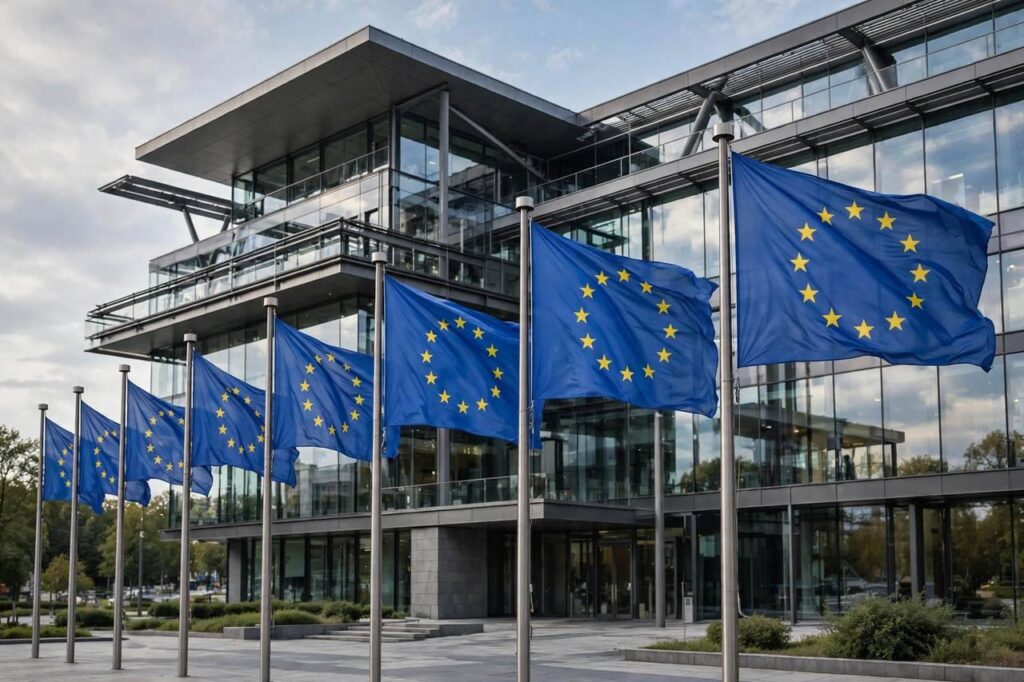
Ask ten people what the European Union actually is and you’ll get ten half-answers. A country? A trade deal? The thing with the euro? So let’s settle it: what is the European Union, in plain English? It is a political and economic union of 27 European countries that have agreed to cooperate closely — sharing a single market, many common laws, and (for most members) a single currency. It is not a country, but it is far more than a club.
The EU touches the daily lives of nearly 450 million people, from the food on their tables to the roaming charges on their phones. Whether you’re planning a trip to Europe, following international news, or just curious, this guide explains how the EU started, how it works, and why it matters.
A Short History: From Coal and Steel to 27 Nations
The EU’s story starts in the rubble of World War II. In 1951, six countries — France, West Germany, Italy, Belgium, the Netherlands, and Luxembourg — signed the Treaty of Paris, creating the European Coal and Steel Community. The idea was elegantly simple: countries that share control of the industries needed to wage war can’t easily go to war with each other.
That community grew. The 1957 Treaty of Rome created the European Economic Community, a common market. Membership expanded in waves through the 1970s, 80s, and 90s, and the 1992 Maastricht Treaty formally created the European Union as we know it. The euro launched in 1999 (as an accounting currency) and entered pockets as cash in 2002. The biggest single expansion came in 2004, when ten countries — mostly from Central and Eastern Europe — joined at once.
The union has also shrunk: the United Kingdom left in 2020 (Brexit), the first and so far only member to depart. Today the EU counts 27 member states, and several more countries are official candidates waiting in the wings.
The EU’s Main Institutions: Who Does What
The EU’s structure confuses people because power is split across several bodies. Here’s the short version:
- The European Commission proposes new laws and enforces EU rules. Think of it as the executive branch. Its president is one of the most powerful figures in European politics.
- The European Parliament is directly elected by EU citizens every five years. It debates, amends, and approves legislation alongside the Council.
- The Council of the European Union represents the governments of the member states — ministers from each country meeting by topic (finance ministers, foreign ministers, and so on).
- The European Council brings together the heads of state or government to set the EU’s overall political direction.
- The Court of Justice interprets EU law and settles disputes, and its rulings are binding on member states.
Laws generally need agreement from both the Parliament and the Council to pass — a system designed so that neither big countries nor the Brussels bureaucracy can simply dictate terms.
The Single Market: The EU’s Economic Engine
The single market is arguably the EU’s greatest achievement: goods, services, capital, and people can move freely across member borders. A German company can sell machinery in Spain without tariffs. A Polish nurse can take a job in Ireland without a work permit. A French student can study in the Netherlands paying the same tuition as locals.
This “four freedoms” system is why the EU economy, taken together, ranks among the largest in the world. It also explains why EU regulations matter globally — the “Brussels effect.” When the EU sets strict standards for data privacy, food safety, or product design, multinational companies often apply those standards everywhere because it’s cheaper than maintaining two systems. If you’ve ever clicked a cookie consent banner, you’ve felt the Brussels effect.
The Euro and the Schengen Zone
Two of the EU’s most visible creations deserve their own explanation, because people mix them up constantly.
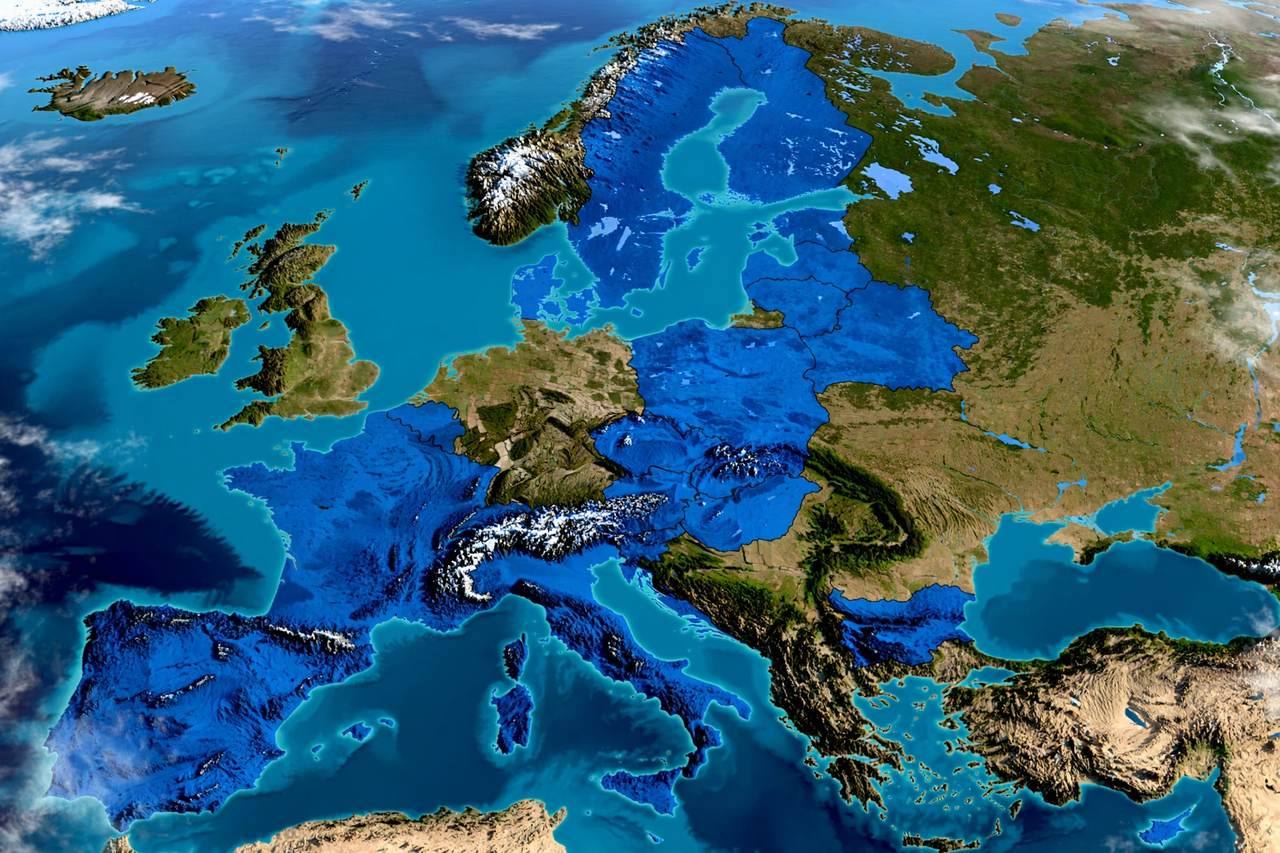
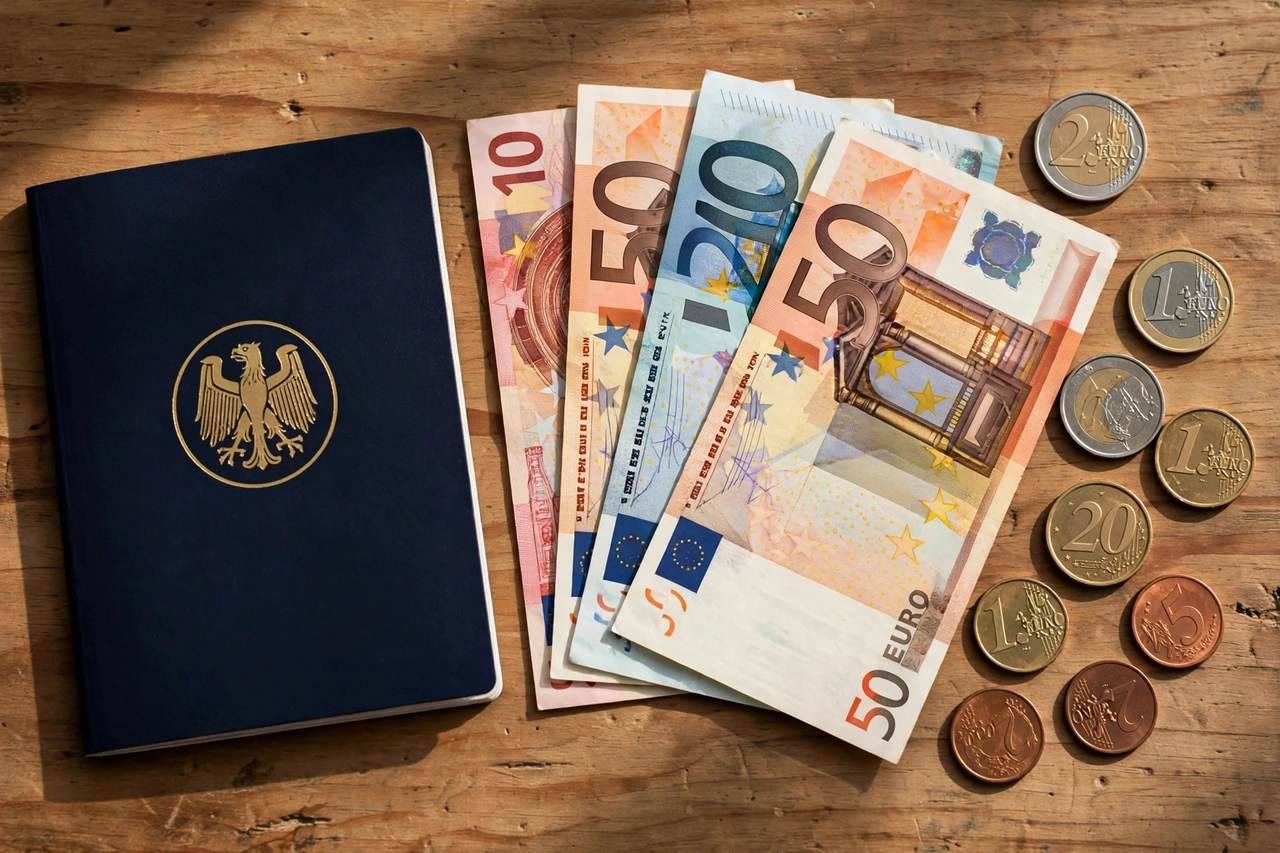
The euro is the official currency of 20 of the 27 EU members — the group known as the eurozone. It eliminated exchange-rate hassle and costs across much of Europe. But not every EU country uses it: Sweden, Denmark, Poland, and others kept their own currencies. And euro use isn’t limited to the EU — a few non-members use it too.
The Schengen Area is the zone of passport-free travel: once you’re inside, you cross most borders without showing documents. It includes 29 countries — but it doesn’t match EU membership exactly. Ireland opted out, while non-EU countries like Norway, Switzerland, and Iceland participate. So yes, you can be in the EU but outside Schengen, and outside the EU but inside Schengen.
If you’re planning a trip, this distinction matters for visas, border checks, and travel insurance. My guide to the best places to visit in Europe covers the destinations; just remember that “EU,” “eurozone,” and “Schengen” are three different maps.
What the EU Actually Does Day to Day
Beyond the big structures, the EU shapes ordinary life in concrete ways:
- Consumer protection: EU rules cap mobile roaming charges, guarantee two-year warranties on goods, and give air passengers compensation rights for cancelled flights.
- Food and product safety: Common standards govern everything from ingredient labels to toy safety to chemical regulation.
- Environment: The EU runs one of the world’s largest carbon markets and has driven global standards on single-use plastics and vehicle emissions.
- Competition: The Commission can fine tech giants billions for antitrust violations — decisions that reshape global markets.
- Data privacy: The GDPR set the global benchmark for personal data rights.
Critics argue the EU over-regulates and moves slowly; supporters argue those same regulations protect citizens and the planet. Both views describe the same machine.
Common Criticisms and Debates
No honest guide skips the controversies. The EU faces persistent criticism on several fronts. The “democratic deficit” argument says real power sits with unelected commissioners and distant institutions rather than voters — though defenders note the Parliament is directly elected and national governments, themselves elected, sit in the Council.
Migration policy has been the most divisive issue of the past decade, straining solidarity between member states. Economic critics point to the eurozone’s one-size-fits-all monetary policy, which fits Germany and Greece very differently. And eurosceptic movements in several countries keep questioning whether membership benefits outweigh the costs — a debate Brexit put at center stage.
These tensions are features of the system, not bugs. The EU is an ongoing negotiation between 27 sovereign countries, and disagreement is built into its design.
How the EU Affects You (Even If You Don’t Live There)
You don’t need to be European for the EU to touch your life. Travelers benefit from Schengen’s open borders and strong passenger rights — and should read up on practicalities like whether they need a travel adapter for Europe before packing. Businesses selling into Europe must comply with EU product and privacy rules. Investors watch European Central Bank decisions the way they watch the US Federal Reserve. And anyone who values an open internet has a stake in how Brussels regulates big tech.
Understanding the EU, then, isn’t just trivia for quiz night. It’s literacy for the modern world — the kind that helps you read international news with sharper eyes.
What Is the European Union: Key Facts at a Glance
Still mixing things up? Here’s the “what is the European Union” cheat sheet. What it is: a political and economic union of 27 European countries sharing a single market, common laws, and close cooperation — not a country, more than a trade deal. How many members: 27 (the UK left in 2020). The euro: used by 20 members (the eurozone); not all EU countries use it. Schengen: the 29-country passport-free travel zone — overlaps with but doesn’t match EU membership (Ireland is out; Norway, Switzerland, and Iceland are in).
How it governs: the Commission proposes laws, the directly elected Parliament and the member-state Council approve them, and the Court of Justice interprets them. What it does daily: consumer protections (roaming caps, flight compensation), food and product safety standards, environmental regulation, antitrust enforcement against tech giants, and the GDPR privacy framework. Main criticisms: the democratic deficit, slow decision-making, migration disputes, and one-size-fits-all eurozone monetary policy.
Why does any of this matter to you? Because EU decisions ripple globally through the Brussels effect — the cookie banners, product standards, and privacy rights you encounter at home often started as EU regulation. Understanding the EU is simply part of being an informed citizen in 2026, whether you ever set foot in Europe or not.
A final note on staying current: the EU changes constantly — new members join the candidate queue, regulations evolve, court rulings reshape the rules. When you read EU news, check the date and the source. Official EU publications and established international outlets will serve you far better than hot takes. The institutions are complex by design, but the underlying idea has stayed constant since 1951: countries that work together closely are countries that stay at peace — and prosper together.
FAQs
What is the European Union in simple terms? The European Union is a political and economic partnership of 27 European countries that share a single market, common laws, and close cooperation. It is not a single country, but its members have pooled significant sovereignty.
How many countries are in the EU? 27 member states as of 2026, after the United Kingdom’s departure in 2020. Several additional countries are official candidates for membership.
What is the difference between the EU, the eurozone, and Schengen? The EU is the 27-member political union; the eurozone is the 20 EU members using the euro currency; the Schengen Area is the 29-country passport-free travel zone, which includes some non-EU countries and excludes Ireland.
Why was the European Union created? It began after World War II as a way to bind European nations together economically — starting with coal and steel — so that war between them would become practically impossible. It evolved into a broad political and economic union.
Does every EU country use the euro? No. 20 of the 27 members use the euro. Countries like Sweden, Denmark, and Poland kept their national currencies, though euro adoption remains a long-term goal for most.
Can a country leave the EU? Yes. Article 50 of the EU treaty provides a legal exit mechanism, which the United Kingdom used to leave in 2020 — the only departure so far.