What Is RPG in Gaming? Your Guide to Role-Playing Games

Level up! You have heard the term everywhere — in game stores, on streams, in conversations you half-understood — and now you want the real answer: what is RPG in gaming? RPG stands for role-playing game, a genre where you step into a character’s shoes, make choices that shape their story, and grow stronger through adventure. It is part interactive novel, part strategy game, part power fantasy — and it is one of the most beloved genres in all of gaming.
I am Alex, and RPGs are my home turf. Whether you have never touched one or you are RPG-curious after watching a friend play, this guide will get you oriented: what defines the genre, the major flavors, how they actually play, and exactly where to start. Grab your controller — adventure awaits.
What Is RPG in Gaming? The Core Idea
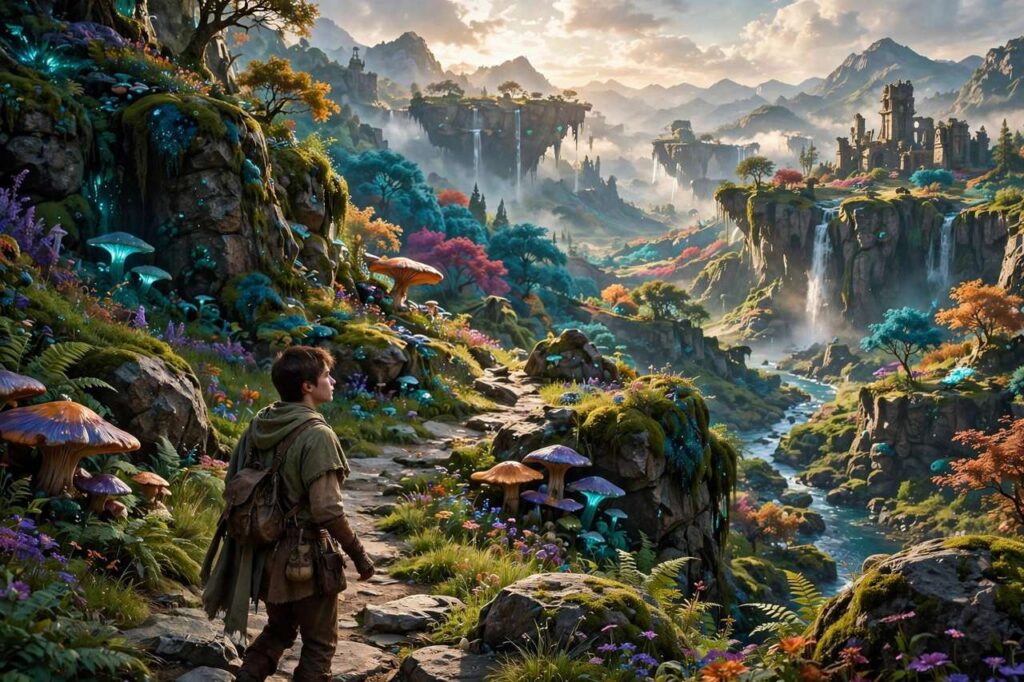
At its heart, an RPG lets you inhabit a character in a fictional world. You are not just moving a piece around a board — you are the hero (or villain, or charming rogue). Three pillars define the genre:
- Character progression: your character grows stronger over time — gaining levels, learning abilities, finding better equipment. That satisfying power curve is the genre’s beating heart.
- Choice and consequence: your decisions — in dialogue, in quests, in moral dilemmas — shape the story and the world around you.
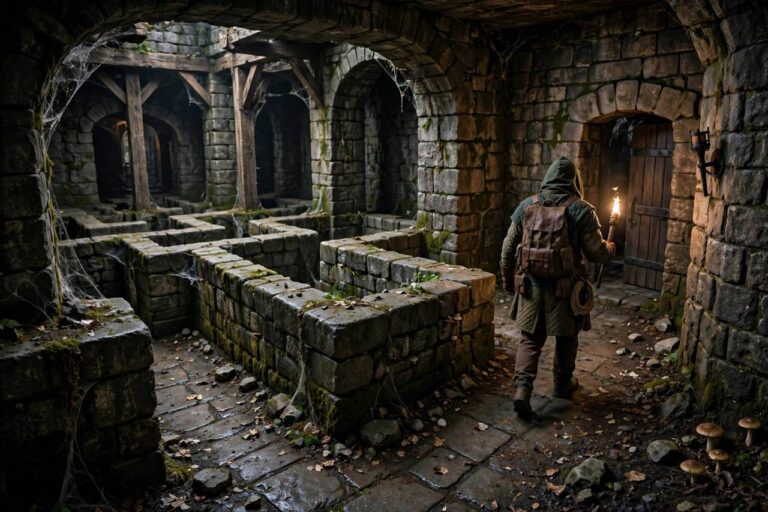
- Exploration: rich worlds to discover, from sprawling open landscapes to intricate dungeons, filled with secrets, lore, and side quests.
The genre descends from tabletop games like Dungeons & Dragons, where players imagined characters and a game master narrated their adventures. Video game RPGs digitized that magic: the computer became the game master, and the worlds became visible, explorable places.
The Main Types of RPGs
“RPG” covers a huge family. Here are the major branches you will encounter:
JRPGs (Japanese Role-Playing Games)
Story-driven, often linear adventures with anime-influenced art, memorable ensemble casts, and emotional narratives. Combat is frequently turn-based or menu-driven. Think epic tales of friendship and destiny spanning dozens of hours. The classics of this style defined the genre for generations of players.
WRPGs (Western Role-Playing Games)
Emphasizing player freedom and choice: create your own character, explore vast open worlds, and shape the story through decisions. Morality systems, branching quests, and deep character customization are hallmarks. These are the “live another life” simulators.
Action RPGs
RPG progression fused with real-time combat — you dodge, attack, and aim in the moment rather than selecting from menus. This is the most popular modern flavor, blending the satisfaction of character growth with adrenaline-pumping gameplay.
Soulslike RPGs
A notoriously challenging subgenre emphasizing deliberate combat, atmospheric world-building, and learning through defeat. Brutal but deeply rewarding — the “git gud” proving grounds of gaming.
Tactical / Strategy RPGs
Chess-like grid combat where positioning and planning trump reflexes. For thinkers who love outsmarting the game rather than out-reacting it.
Roguelike / Roguelite RPGs
Run-based adventures where death resets progress (fully or partially), but each attempt makes you smarter and often permanently stronger. Addictive “one more run” loops.
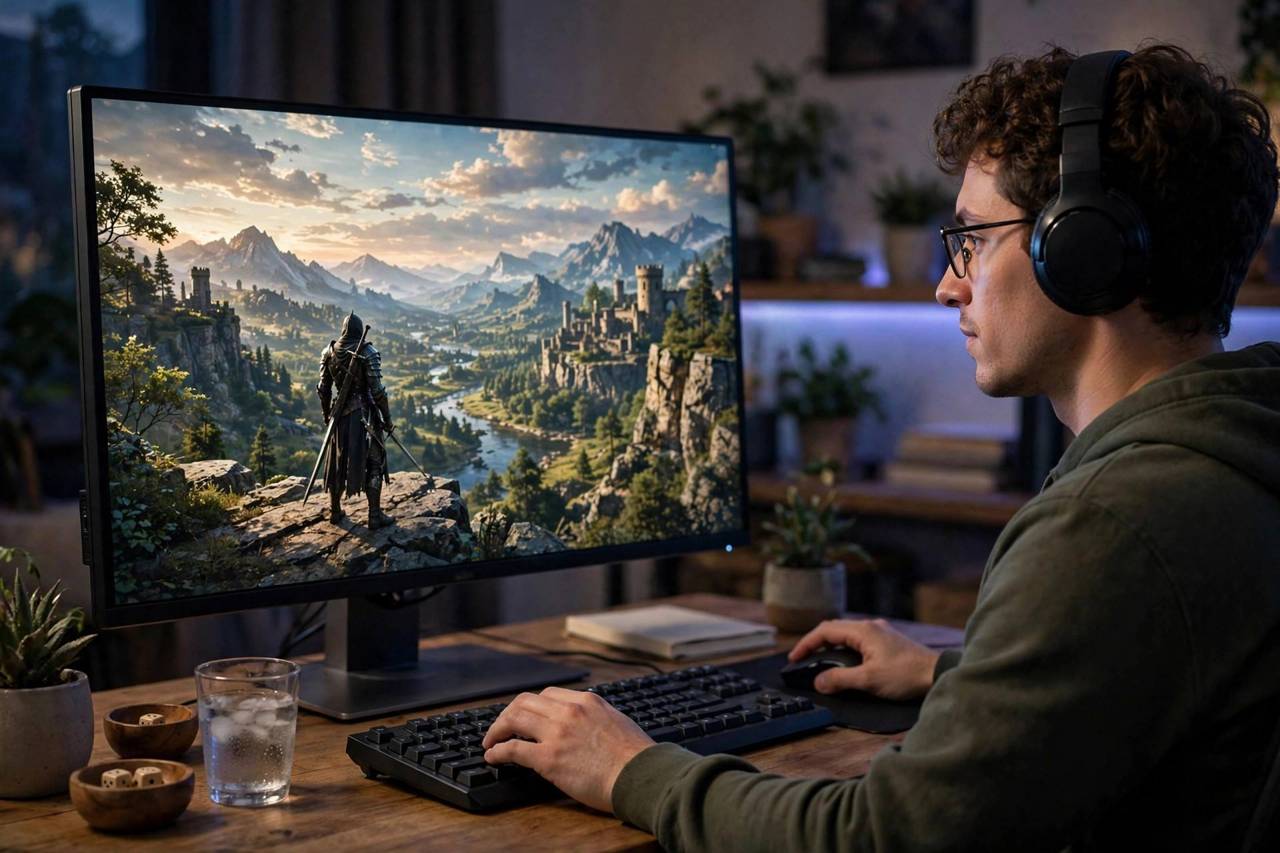
How RPGs Actually Play: The Moment-to-Moment Loop
New players sometimes wonder what you do in an RPG for 60+ hours. The core gameplay loop looks like this:
- Explore the world — towns, dungeons, wilderness — discovering quests and secrets.
- Fight or negotiate through challenges, earning experience points (XP) and loot.
- Level up — spend points on stats and abilities, making meaningful build choices.
- Gear up — equip better weapons and armor, each with trade-offs to consider.
- Advance the story — main quests drive the narrative; side quests enrich the world (and your character).
- Repeat at higher stakes, against tougher foes, in grander locations.
Between the action: managing inventory, talking to NPCs (non-player characters) for lore and quests, crafting items, and making those delicious build decisions — “do I become a stealthy archer or a fireball-hurling mage?” That decision-making agency is what makes RPGs uniquely absorbing.
Key RPG Terms, Translated for Newcomers
- XP (Experience Points): earned from defeating enemies and completing quests; accumulate enough and you level up.
- Leveling: growing stronger, usually unlocking stat increases and new abilities.
- Stats/Attributes: numbers defining your character — strength, intelligence, agility, etc.
- Build: your chosen combination of stats, abilities, and gear — your character’s “class” in practice.
- Grinding: repeating content to earn XP or loot. Some love it; some do not.
- NPC: non-player character — everyone in the world who is not you.
- Main quest vs. side quest: the central story vs. optional adventures (often where the best writing hides).
- Loot: equipment and items gained from enemies and exploration. The dopamine engine of the genre.
- New Game+: restarting with your powered-up character for a harder, rewarding second run.
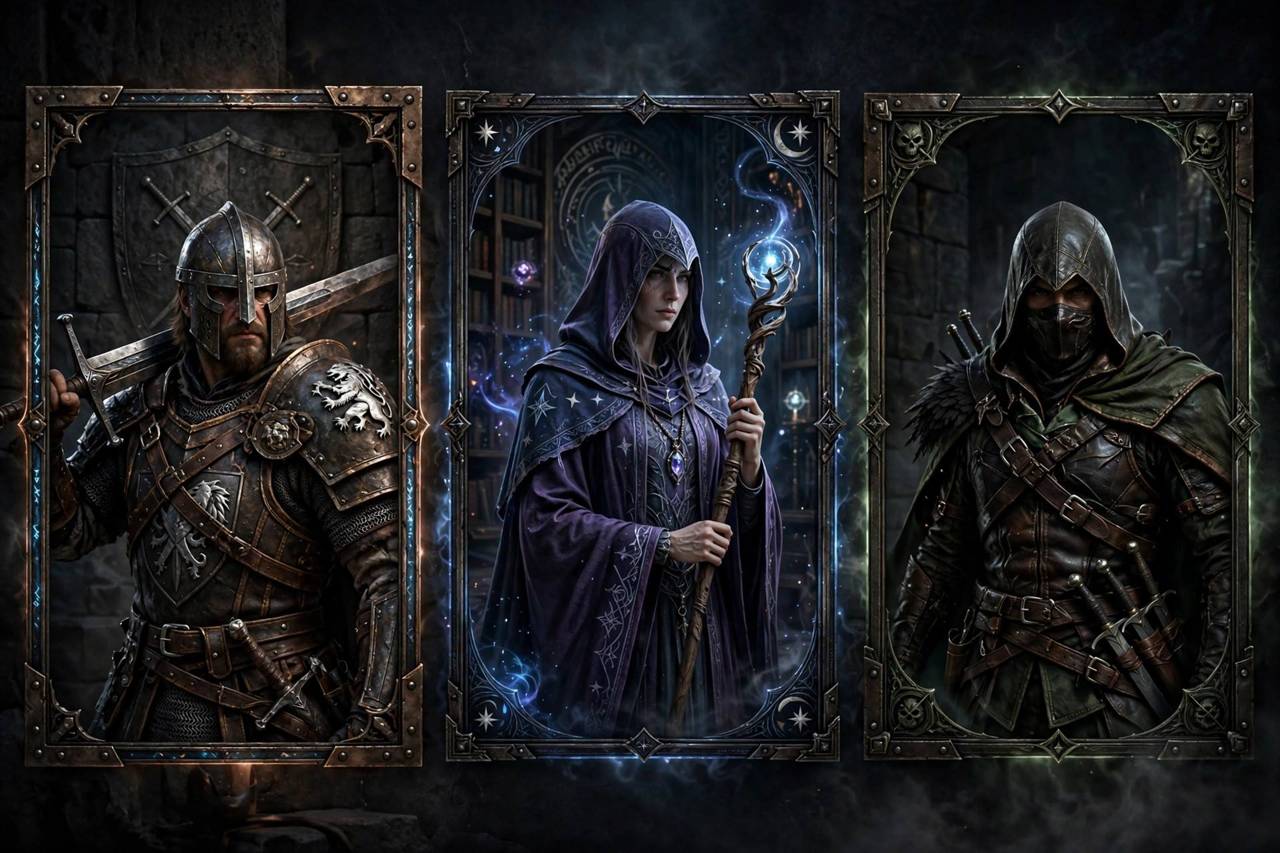
Why RPGs Are So Addictive (The Psychology)
RPGs are masterclasses in motivation design, and understanding the hooks helps you enjoy them consciously:
- Clear progression: unlike real life, effort reliably equals visible growth. Deeply satisfying.
- Autonomy: your choices matter — build, story decisions, exploration order. Agency is intrinsically motivating.
- Mastery: learning systems, optimizing builds, and conquering tough bosses delivers genuine achievement.
- Narrative pull: great RPG stories create the “one more quest” compulsion — you need to know what happens next.
- Collection completion: gear sets, achievements, codex entries — the collector’s instinct, fully fed.
None of this is manipulative when you are aware of it — it is just good game design serving your enjoyment. Play intentionally, take breaks, and savor the journey.
Where to Start: RPG Recommendations for New Players
Overwhelmed by options? Here is a starter path by taste:
- If you want story first: begin with a acclaimed narrative-driven JRPG or story-rich WRPG known for writing. Look for “best story” lists — the community consensus is usually right.
- If you want action: jump into a well-regarded action RPG with approachable difficulty settings. Modern ones respect your time.
- If you want freedom: pick a beloved open-world RPG famous for letting you go anywhere and do anything.
- If you want challenge: try the genre’s famously difficult entries — but maybe not first. Build fundamentals elsewhere, then ascend.
- If you want short: indie RPGs often deliver the full experience in 10–20 hours instead of 100. Perfect trial size.
Pro tip: start on normal or story difficulty with zero shame. RPGs are about the journey — crank up difficulty on your second playthrough if you crave it.
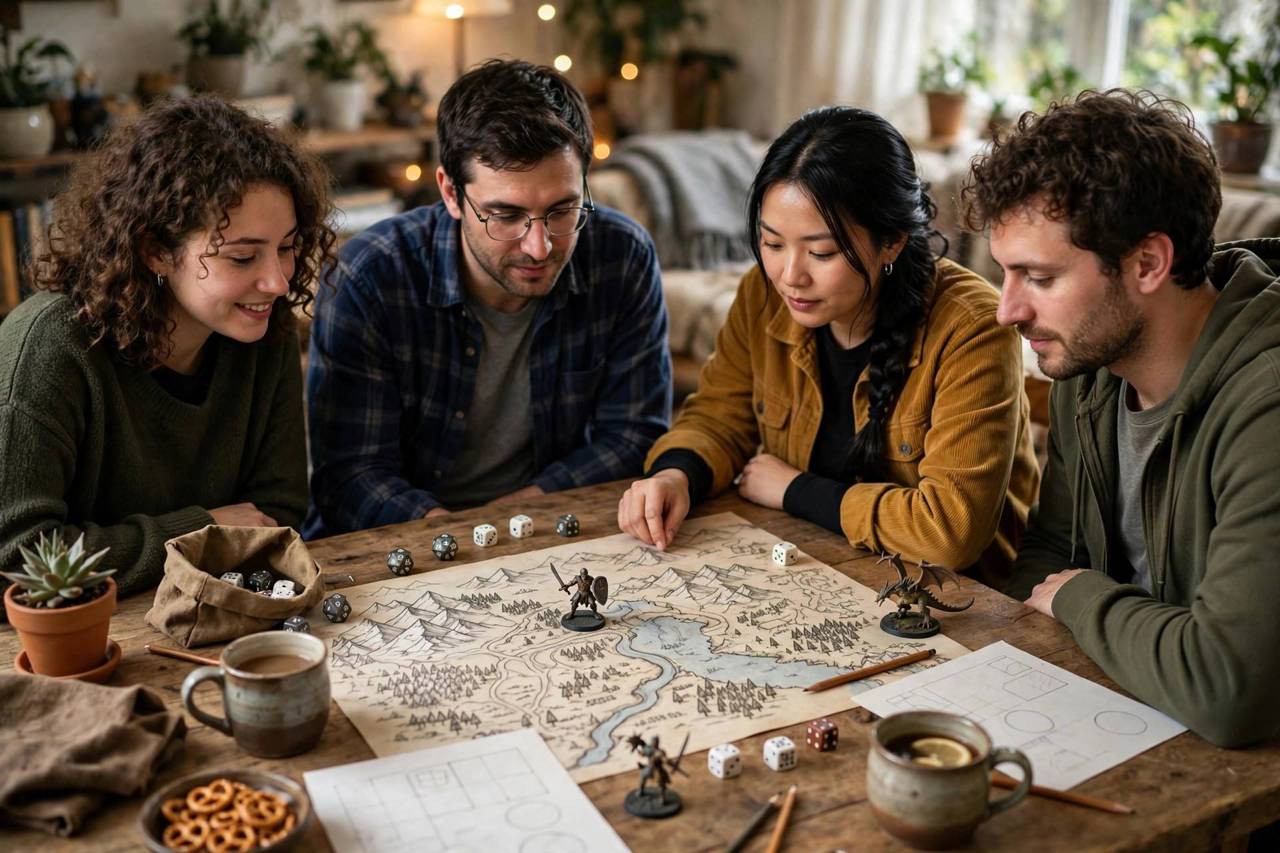
Tabletop RPGs: The Original
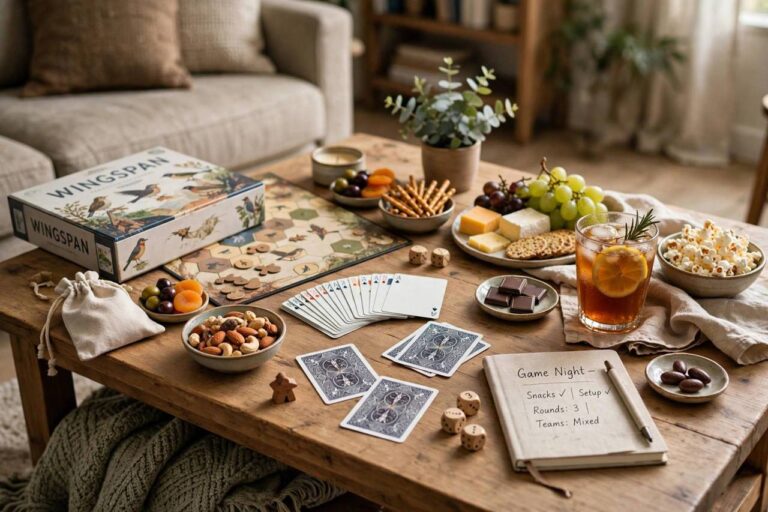
Before video games, there were tabletop RPGs — friends around a table, dice, character sheets, and one person narrating the adventure. This is where the genre was born, and it is thriving today. Tabletop play offers something video games cannot: unlimited imagination, genuine social connection, and stories no programmer pre-wrote. If the video game side hooks you, try a beginner-friendly tabletop session — many game stores host introduction nights. Rolling dice with friends while your rogue attempts something ridiculous is a joy every gamer should experience once.
Tips for Enjoying Your First RPG
- Do not look up everything. Discovery is the point. Guides spoil the magic — consult them only when truly stuck.
- Talk to everyone. NPCs hide the best quests, lore, and humor. Exhaust dialogue options.
- Save often, in multiple slots. Before big decisions and tough fights. Future-you says thanks.
- Embrace side quests. The main story is the skeleton; side content is the soul.
- Play your way. There is no wrong build for a first playthrough. Follow your instincts.
- Take breaks. RPGs are marathons. Step away, touch grass, return refreshed.
The Future of RPGs: Where the Genre Is Headed
RPGs are evolving fast, and the next few years look thrilling. AI-driven NPCs promise characters who respond to anything you say rather than cycling through pre-written lines – imagine every villager being a real conversation. Procedural storytelling aims to generate meaningful quests dynamically, so no two playthroughs share the same adventures.
The genre lines are blurring beautifully: shooters gain RPG progression, RPGs gain shooter combat, and hybrids dominate the charts. Meanwhile, the indie scene keeps the experimental flame alive – small teams producing weird, wonderful RPGs that big studios would never risk. And tabletop’s renaissance, fueled by actual-play shows, keeps feeding fresh players into the hobby.
Through all of it, the core promise never changes: become someone else, somewhere else, and grow. However the technology shifts, that fantasy – the oldest one in storytelling – will keep RPGs at the heart of gaming. Your next hundred-hour adventure is already being made. Choose wisely, hero. And when the credits roll on your first epic quest, come back and tell me which class you picked – I will cheer either way. Now stop reading about RPGs and go start one – your character is waiting, and the adventure will not play itself. Level one starts the moment you press New Game. See you out there, hero.
FAQ
What does RPG stand for in gaming?
RPG stands for role-playing game — a genre where you inhabit a character in a fictional world, make choices that shape their story, and grow stronger through experience, levels, and better equipment.
What is the difference between JRPG and WRPG?
JRPGs (Japanese RPGs) tend to be story-driven and linear with predefined characters and turn-based or menu combat. WRPGs (Western RPGs) emphasize player freedom — character creation, open worlds, and branching choices that shape the narrative. Both are RPGs; they just prioritize different pleasures.
Are RPGs hard for beginners?
Not necessarily. Many modern RPGs offer difficulty settings including story modes, and the genre’s core loop (explore, fight, level up) is intuitive. Start with a well-regarded accessible title on normal difficulty, and do not be afraid to lower it — the story and progression are the point.
How long does it take to finish an RPG?
It varies enormously: indie RPGs can take 10–20 hours, mainstream titles typically 40–80 hours, and epic open-world RPGs can exceed 100+ hours for completionists. Check estimated playtimes before starting so you know what you are signing up for.
Do I need to play RPGs in order?
Usually not. Most RPG series tell standalone stories per entry, so you can start with whichever installment interests you most — often the newest or most acclaimed one. Sequels sometimes reference past events, but they are designed to welcome newcomers.
Keep Reading
- How Does Cloud Gaming Work? The Honest Explainer
- What Is a Business Broker? Role, Fees, and When to Hire One