Skimming vs Scanning: When to Use Each Reading Technique

Students mix up skimming and scanning constantly, and it costs them — they skim when they should scan and end up missing the detail, or scan when they should skim and waste twenty minutes. These are two different tools for two different jobs, and skilled readers switch between them without thinking. I teach both explicitly, because once you can name the difference, you start using each at the right time.
This guide defines both techniques precisely, shows when each one wins, and gives you practice drills for both.
By the end of this guide you will be able to name which technique any reading task needs before you start — and that decision, made consciously, is half the skill.
In this guide:
- Skimming: Getting the Gist
- Scanning: Finding the Needle
- When to Use Which
- Practice Drills
- Test Applications
- Speed-Reading Tools and Apps: An Honest Review
Skimming: Getting the Gist
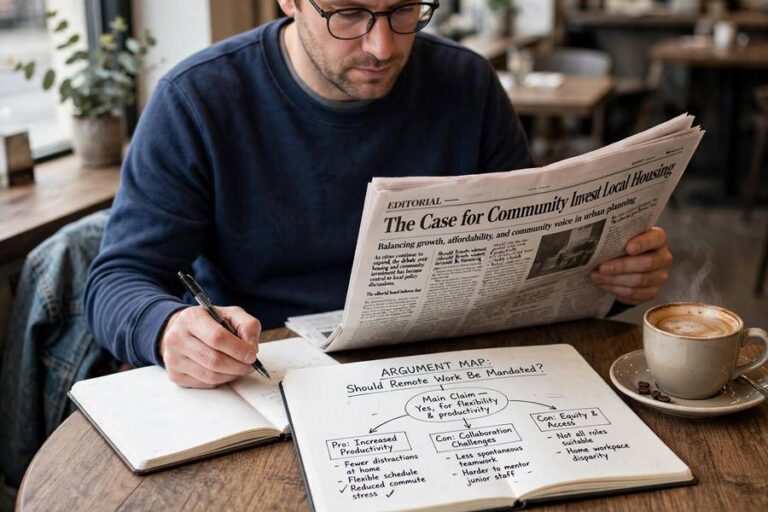
Skimming is rapid reading for the overall idea — you are after the forest, not the trees. The technique: read the title, introduction, and conclusion fully; read the first sentence of each paragraph; glance at headings, bold terms, and visuals. In three to five minutes you should be able to state the text's main argument and structure.
Skimming answers the question 'is this worth my full attention?' Use it to preview textbook chapters before deep reading, to triage research articles (read fully only the relevant ones), and to review material before exams — a fast skim of a chapter reactivates the whole mental framework. tips for studying history exams
The skill in skimming is resisting the pull of interesting details. Your eyes will want to stop; keep them moving. Details are for the full read. A good skim ends with a one-sentence summary of the whole text — if you cannot produce it, you slowed down too much somewhere.
Scanning: Finding the Needle
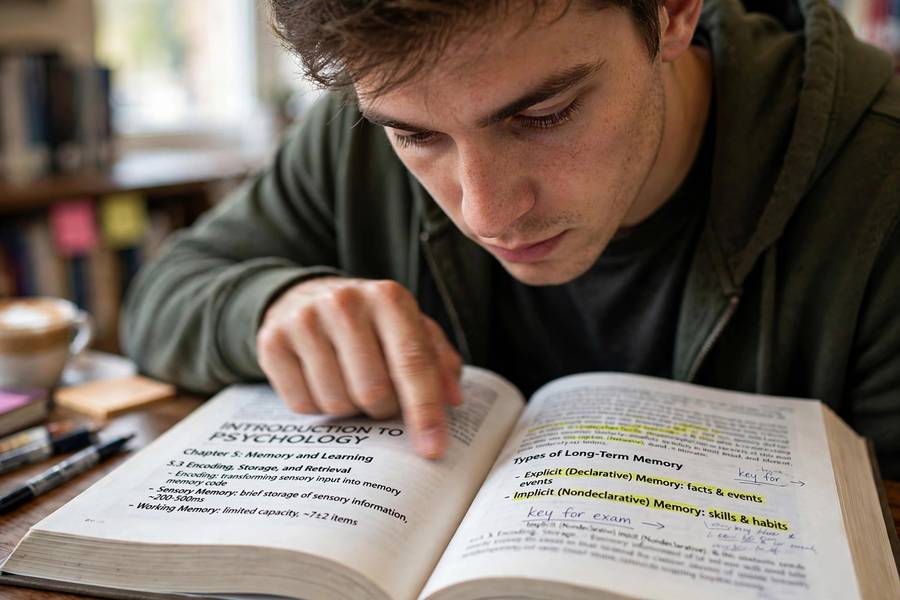
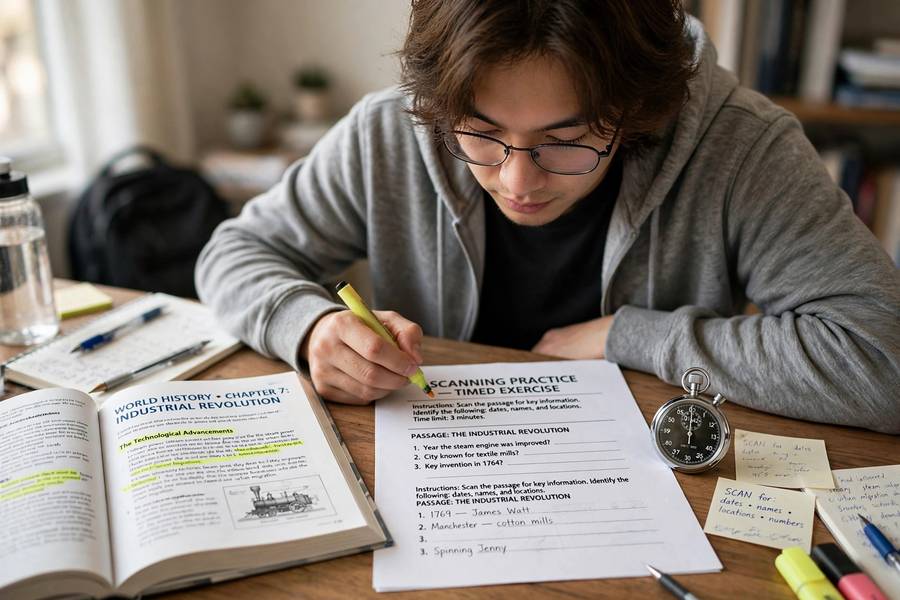
Scanning is rapid searching for specific information — you are not reading, you are hunting. The technique: fix the target in mind (a name, date, term, figure), then move your eyes in a systematic pattern — zigzag or column-wise — watching only for the target. When you spot it, slow down and read the surrounding context.
Scanning answers 'where is the thing I need?' Use it to find answers in a text during open-book tests, to locate a statistic in a report, to find the methods section in a research paper, or to check a fact in your own notes. It is the most under-practiced academic skill I know.
The skill in scanning is target clarity and pattern discipline. Vague targets ('something about causes') fail; precise targets ('the year the policy changed') succeed. And random eye movement misses things — the systematic sweep pattern is what makes scanning reliable rather than lucky.
When to Use Which
Use skimming when: deciding whether to read something fully, previewing before deep reading, reviewing familiar material, getting the structure of an argument, or surveying a lot of material quickly (literature reviews, news catch-up).
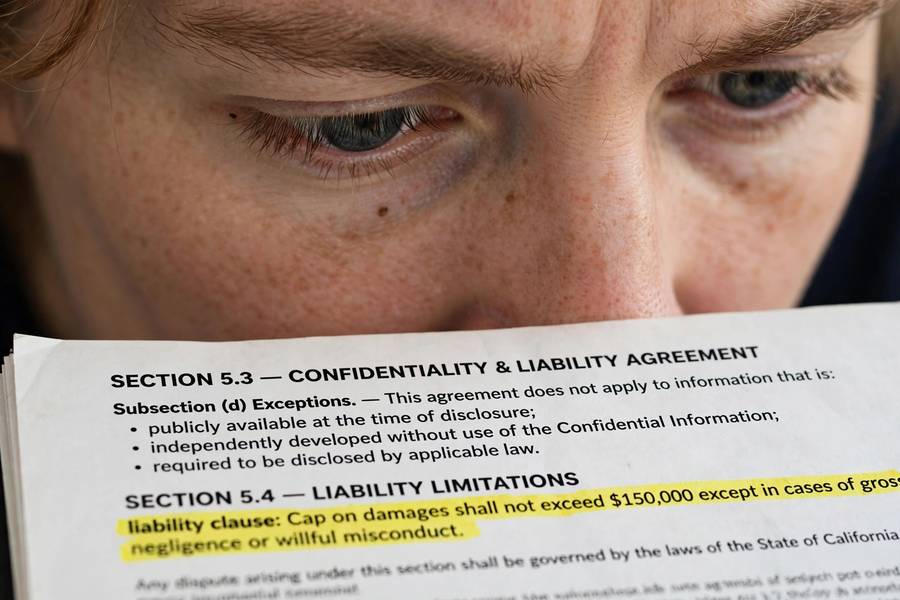
Use scanning when: looking for a specific fact, answering detail questions on a test, finding a section in a long document, checking a reference, or locating where you read something earlier. If you know what you are looking for, scan; if you are figuring out what is there, skim.
The power move is combining them: skim a chapter to build the map, read deeply the sections that matter, scan later to relocate details for review. This three-gear reading — skim, deep-read, scan — is how efficient students process large volumes without drowning.
Practice Drills
Skimming drill: take any 1,000-word article, give yourself three minutes, then write the main idea and three supporting points without looking back. Check against the text. Do this with three articles weekly; your gist-extraction speed will visibly improve within a month.
Scanning drill: have someone give you five specific facts to find in a textbook chapter (a date, a definition, a name, a statistic, a term), and time yourself finding all five. Track your times weekly. Under two minutes for five targets in an unfamiliar chapter is a solid benchmark. what active recall is
Discrimination drill — the important one: for ten study tasks, decide before starting whether to skim, scan, or deep-read, and write one line justifying the choice. This meta-skill, choosing the right gear, is what separates efficient readers from busy ones. Review your choices weekly and notice patterns. how to prepare for the GRE
Test Applications
On reading tests, skim the passage first for structure (one engaged pass, margin notes on paragraph topics), then scan for details as questions demand them. This beats both extremes: the full deep-read wastes time, and pure scanning misses the main-idea questions.
For open-book exams, scanning is the money skill. Tab your textbook's key sections in advance, and practice locating information under time pressure before the exam. Students who 'will just look it up' without scanning practice routinely run out of time. how to study for final exams
Know the limits: skimming cannot replace reading for inference-heavy or argument-dense texts — philosophy passages and complex editorials punish skimmers. Scanning cannot find what you cannot name — vague questions require actual reading. Match the technique to the task, honestly.
Speed-Reading Tools and Apps: An Honest Review
The market is full of apps promising faster reading — RSVP readers that flash words one at a time, pacer apps, 'brain training' programs. Here is the honest assessment: pacer apps (guided highlighting at set speeds) are genuinely useful for the pacer technique; most of the rest is entertainment with a productivity label.
RSVP (rapid serial visual presentation) apps eliminate eye movement by flashing words sequentially. They do increase raw words-per-minute on simple text — but comprehension of complex material drops, and you cannot re-read or control pacing naturally. Useful for skimming news; poor for studying. The research consensus is skeptical of their comprehension claims.
Pacer and guided-reading apps that highlight text at adjustable speeds are the legitimate category — they implement the finger-pacing technique digitally, with the advantage of precise speed control and progress tracking. If you like the pacer method, an app makes the practice more systematic.
What no app fixes is the actual bottleneck: comprehension itself. Apps can move your eyes faster, but understanding speed is set by vocabulary, background knowledge, and processing practice — things built by reading, not by software. The best 'speed reading app' remains a library card and twenty minutes daily.
My recommendation: use a simple pacer app for technique practice if you enjoy it, skip the expensive programs entirely, and invest the money in books. Every controlled study I have seen finds that practice with real texts beats software training for real-world reading speed.
Measure with the app, but validate without it: monthly, test your speed on paper with comprehension questions. If the app gains do not transfer to paper, they were not gains — they were app-specific performance. Transfer is the only metric that matters.
One more combination worth mastering: skim-to-scan. Skim a document to build its map, note where your target likely lives, then scan only that region. This two-step approach finds information in long documents dramatically faster than scanning blindly from the top.
Practice on real-world documents, not just textbooks: find a fact in a 40-page PDF report, locate a clause in terms of service, find the methods in a research paper. Real documents are messier than textbook exercises, and messy practice builds robust skill.
Teach the distinction to a study partner using one shared article: one of you skims for the gist, the other scans for five planted facts, then compare times and accuracy. The friendly competition makes the technique difference visceral — you will never confuse them again.
Skimming reads rapidly for the overall gist and structure; scanning searches rapidly for a specific piece of information. Skim to decide what deserves attention; scan to locate a known target.
When previewing chapters, triaging research articles, reviewing familiar material, or surveying large volumes. Skim first, then deep-read only what earned your full attention.
Define a precise target, sweep systematically (zigzag or column pattern), and practice timed: five specific facts in an unfamiliar chapter, tracking your times weekly.
No — skimming gives you structure and gist, not depth. Use it as a first pass and a review tool; inference-heavy, argument-dense, or unfamiliar material still needs careful reading.
They serve different purposes, so speed comparisons mislead. Skimming covers more text per minute; scanning finds targets faster than reading would. Efficient readers use both plus deep reading as three gears.
Scanning — it has clearer mechanics and pays off immediately in open-book tests and research. Add skimming once scanning feels automatic.
Skimming only hurts comprehension when you use it for the wrong job — like skimming a dense argument you will be tested on in detail. Used correctly, skimming builds a mental map that actually improves deep reading afterward, because your brain knows where each idea lives. The rule is simple: skim to survey and locate, then slow down and read carefully wherever it matters.