12 Best Places to Visit in Europe in Summer (Without the Worst Crowds)

Summer in Europe is a paradox: the best weather and the worst crowds arrive together. I’ve done the July-in-Rome thing — queuing 90 minutes for the Vatican in 38°C heat — and I’ve also found the corners of Europe where summer feels like a secret. The difference isn’t luck. It’s knowing where the crowds go (the famous triangle: Paris, Rome, Barcelona) and where they don’t.
This list is built for summer specifically: places that are at their best June through August, with honest notes on where to go instead when the obvious choice is overrun. Some are classics done smarter; others are the places Europeans go while tourists queue elsewhere.
For year-round inspiration, see our best places to visit in Europe guide — this is the summer edition, optimized for long days and warm water.
Table of Contents
- The Smart Classics: Done Differently
- Northern Europe: Summer’s Best-Kept Secret
- Cities That Work in Summer
- Where NOT to Go (and Where to Go Instead)
- Summer Logistics: Booking, Packing, Surviving
- Island Hopping: The Aegean and Beyond
- Food Seasons: What Summer Tastes Like
The Smart Classics: Done Differently
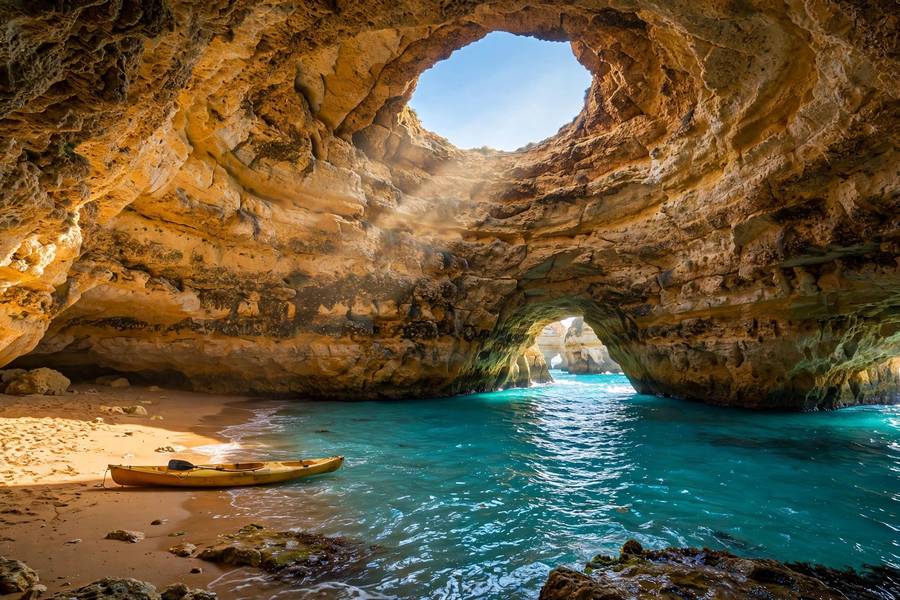
Algarve, Portugal: Europe’s best summer beach value. Golden cliffs, hidden coves, water warm enough to swim from June — and prices 40% below the French Riviera or Amalfi. Base in Lagos (dramatic coastline, lively town) or Tavira (quieter, more authentic). The trick: stay in town, not at a resort — you’ll eat better and pay half. Day trip to Benagil Cave by kayak, not the packed boat tours.
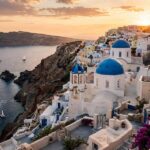
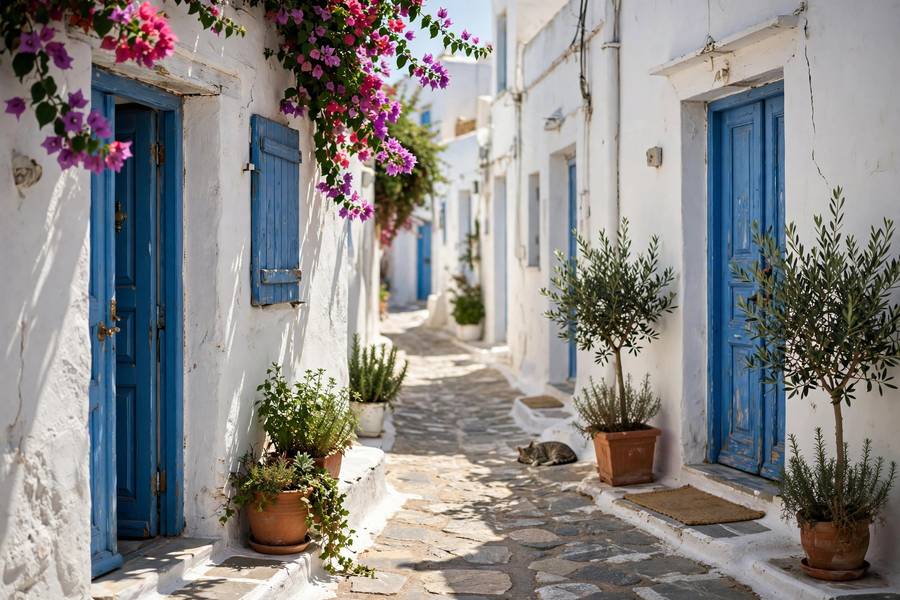
Greek Islands — but not Santorini: Naxos, Paros, or Milos instead. Same Aegean blue, same whitewashed villages, half the prices and a third of the crowds. Naxos has the best beaches in the Cyclades (Agios Prokopios, Plaka), Paros has the best food scene, Milos has the most dramatic coastline. Ferry-hop between two — the ferries are part of the experience.
Croatian Coast beyond Dubrovnik: Split as a base, then island-hop to Hvar (lively), Vis (quiet, stunning), and Korčula (Marco Polo’s maybe-birthplace, gorgeous old town). The Adriatic in summer is bath-warm, and the island ferries make multi-stop trips easy. Go in June or September to dodge the July–August peak.
Northern Europe: Summer’s Best-Kept Secret
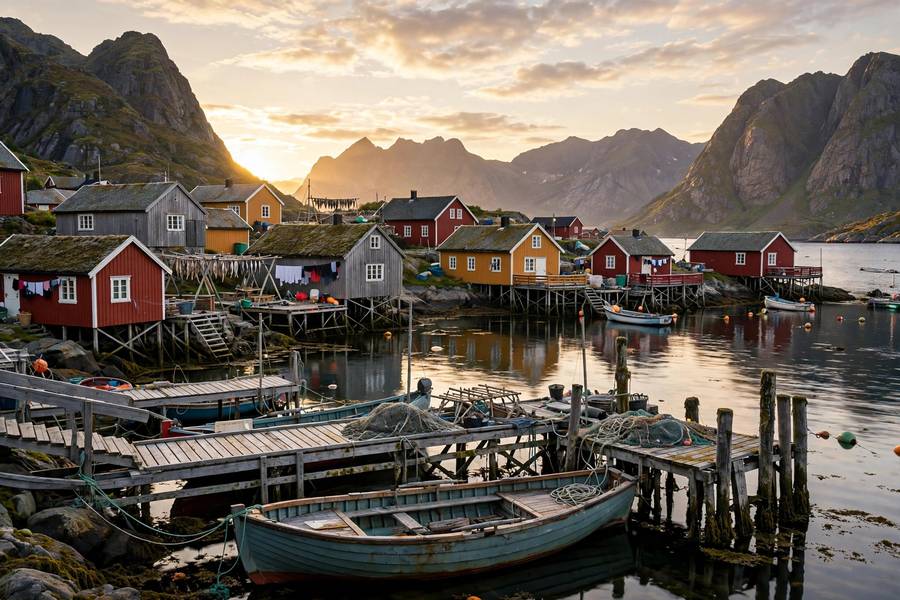
Lofoten Islands, Norway: above the Arctic Circle, where the sun doesn’t set from late May to mid-July. Fishing villages (rorbu cabins) on stilts over turquoise water, sea eagles, hiking under the midnight sun. It’s the most otherworldly summer destination in Europe, and the crowds are a fraction of the Mediterranean’s. Expensive — but the experience is unmatched.
Scottish Highlands + Isle of Skye: summer is the only reliable window (and even then, pack rain gear). The light, the glens, the fairy pools — Skye in July with 18-hour days is magical. Midges are the price of admission; bring repellent and a head net for hikes. The North Coast 500 driving route is Britain’s best road trip.
Swedish Archipelago: 30,000 islands outside Stockholm, and Swedes keep them quiet. Kayak between islands, stay in red cottages, swim off smooth granite rocks, eat pickled herring like a local. July is peak; August is perfect and calmer. It’s the Scandinavian summer the Instagram crowd hasn’t found.
Cities That Work in Summer
Lisbon: built for summer — miradouros (viewpoints) at golden hour, custard tarts, day trips to Sintra and Cascais beaches. It’s hot but the Atlantic breeze helps, and it’s 30% cheaper than Paris or Rome. The Alfama district at night, with fado drifting from doorways, is peak European summer romance. things to do in Rome
Copenhagen: the happiest summer city in Europe. Harbor swimming (yes, the water’s clean), Tivoli Gardens, smørrebrød lunches, and the famous Danish hygge outdoors. June’s long days mean dinner at 9 p.m. in daylight. It’s pricey — offset with street food at Reffen and free harbor baths.
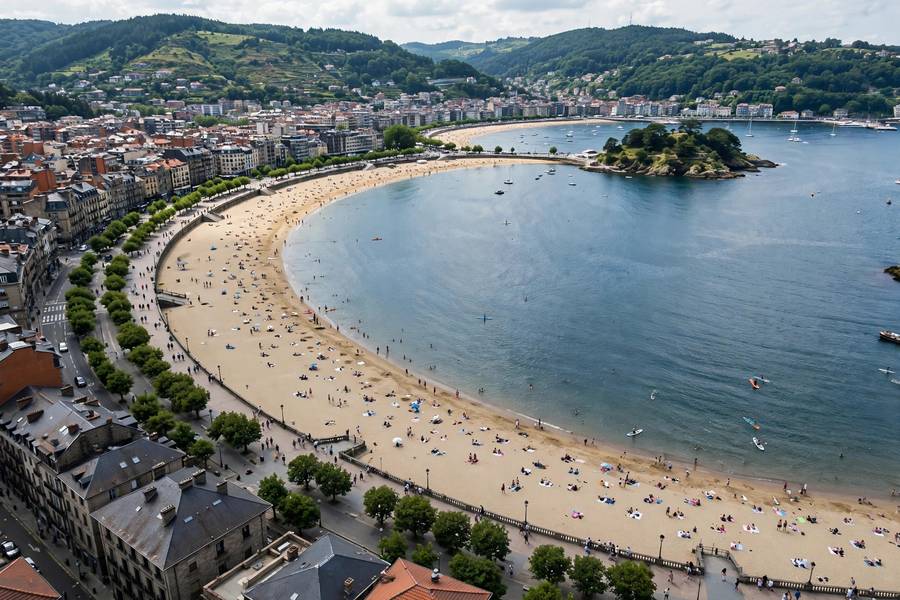
San Sebastián, Spain: the food capital of Europe does summer perfectly — three urban beaches, pintxos bars in the old town, and day trips into Basque wine country. The culinary scene alone justifies the trip; the beach is the bonus. Book restaurants ahead — the famous spots fill weeks out. how to plan a Europe trip
Where NOT to Go (and Where to Go Instead)
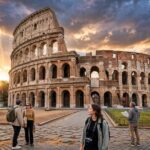
Rome in August: 38°C, the Romans have fled, and you’re queuing with every other tourist in Europe. Instead: Puglia — the heel of Italy’s boot, with baroque Lecce, the trulli houses of Alberobello, and beaches the Italians keep for themselves. Same Italy, half the heat-stroke.
Paris in August: half the restaurants close (the owners are on holiday), and the ones open are tourist traps. Instead: the Dordogne — medieval villages, canoeing the river, prehistoric caves, and the best food region in France. Or Brittany’s pink granite coast — wild, beautiful, and wonderfully un-Parisian.
Barcelona in July–August: overcrowded, pickpocket-heavy, and the locals are openly fed up. Instead: San Sebastián (above) or the Costa Brava’s coves — Calella de Palafrugell’s whitewashed lanes and hidden beaches are what people imagine Barcelona’s coast looks like.
Summer Logistics: Booking, Packing, Surviving
Book flights 3–4 months out for summer Europe; timing your booking saves hundreds. Hotels in peak destinations (Greek islands, Amalfi, Dubrovnik) need 4–6 months. Everywhere else, 2–3 months is fine. And always check if your dates hit a local festival — it doubles prices or makes everything magical, no in-between.
Pack for heat plus one curveball: light breathable clothes, real walking sandals (broken in), a swimsuit (even for cities — hotel pools and harbor baths), and a light layer for air-conditioned museums and cool northern evenings. Sunscreen from home (it’s 2x the price in tourist areas). A reusable water bottle — Europe’s tap water is excellent and fountains are everywhere.
The crowd strategy: major sights at opening (8:30–9 a.m.) or last entry (5–6 p.m.). Midday is for long lunches, siestas, or neighborhoods — never for the Uffizi. Buy every ticket online in advance; the ‘skip the line’ ticket isn’t a luxury in summer, it’s the difference between seeing things and queuing for them.
Island Hopping: The Aegean and Beyond
If summer Europe means islands to you, do it right. The Cyclades (Naxos, Paros, Milos — see above) are the headline, but the Dodecanese (Rhodes, Symi, Patmos) are quieter and the Sporades (Skiathos, Skopelos — the Mamma Mia island) are the greenest. Ferries connect everything; the journey is half the joy. Book ferries 2–3 weeks ahead in summer — they sell out.
Beyond Greece: the Balearics beyond Ibiza — Menorca’s coves and Formentera’s beaches are the anti-Ibiza, all turquoise water and pine trees. Sardinia’s Costa Smeralda is pricey but the rest of the island (Alghero, the east coast) is reasonable. And Corsica — France’s ‘isle of beauty’ — has mountains-to-sea drama that rivals anywhere in the Med.
The island rule: pick two islands max per week. Ferry days eat half a day each, and island-hopping fatigue is real. Two islands, deeply explored, beats four islands glimpsed from a ferry window. And always have a buffer night before your flight home — ferry strikes and meltemi winds have stranded many a traveler.
Food Seasons: What Summer Tastes Like
Summer is Europe’s best eating season, and the regional specialties are worth planning around. In Italy: tomatoes that taste like tomatoes, fresh figs, and granita in Sicily. In Spain: gazpacho, espetos (grilled sardines) on the Andalusian coast, and the first Albariño. In Greece: horiatiki with real tomatoes, grilled octopus, and figs from the tree.
The market habit: every town has a market day — find it, go early, and eat breakfast there. A market breakfast (bread, cheese, fruit, coffee) costs a third of a café and tastes twice as good. In France, the marché is a cultural institution; in Spain, the mercado; in Italy, the mercato. Same idea, different delicious.
And the golden rule of summer eating in Europe: the best meals are lunch, not dinner. The plat du jour / menú del día / piatto del giorno — the fixed-price lunch — is how locals eat well cheaply. Save dinners for the splurge nights; do lunches like a local every day.
The Lofoten Islands (Norway), Albania’s Riviera, Puglia (Italy), and the Swedish Archipelago — all spectacular in summer with a fraction of the Mediterranean crowds. For cities, try Lisbon over Paris, or San Sebastián over Barcelona.
August is peak season: highest prices, biggest crowds, and in the south, serious heat. But it’s also when northern Europe (Scandinavia, Scotland, the Alps) is at its best. If you must go in August, head north or to the coast — avoid inland cities like Rome and Seville.
Flights: 3–4 months ahead. Hotels in hotspots (Greek islands, Amalfi Coast, Dubrovnik): 4–6 months. Restaurants at famous spots: 2–4 weeks. Trains: 2–3 months for the cheapest fares on high-speed routes.
Light breathable clothing, broken-in walking sandals, swimwear, sun protection, a reusable water bottle, and one light layer for cool evenings and air conditioning. Leave room for the things you’ll buy — European summer markets are dangerous for luggage space.
Inland Andalusia, Rome, and Athens regularly hit 38–40°C in July–August — genuinely uncomfortable for sightseeing. Coastal areas are 5–8°C cooler with sea breezes. Plan city sightseeing for mornings, beach/coast for afternoons, and consider June or September instead of peak summer.