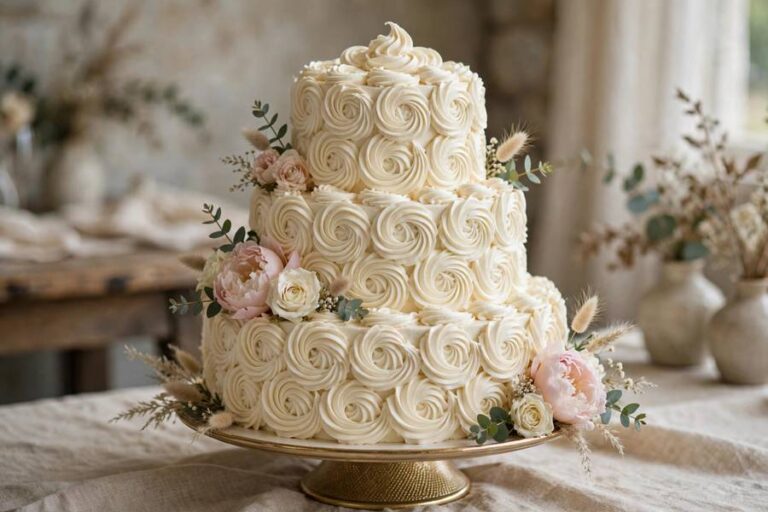
Wedding Welcome Bag Ideas on a Budget: 25 Thoughtful Picks

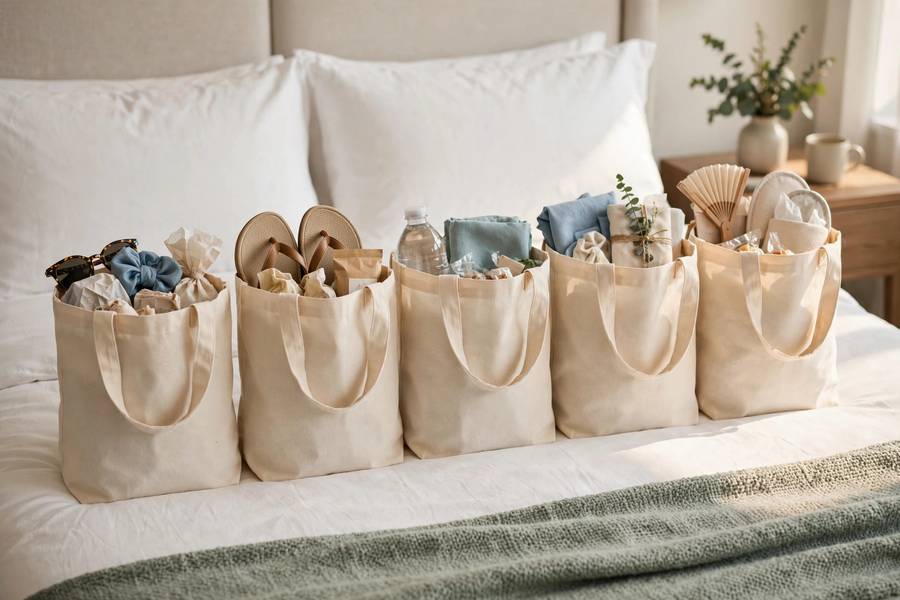
Your out-of-town guests just spent hundreds on flights and hotels to celebrate with you. A welcome bag says “we see you, we’re glad you’re here” — and it doesn’t need to cost $50 per bag to do it. I’ve assembled hundreds of welcome bags, and the best ones cost $8–15 each. Here’s how.
The Welcome Bag Formula
Every great welcome bag has five things: something to drink (water bottles are non-negotiable), something to eat (snacks for the hotel room), something local (a taste of your city), something useful (weekend essentials), and something personal (a note from you). Hit all five and the bag feels abundant at any budget.
Must-Haves Under $15
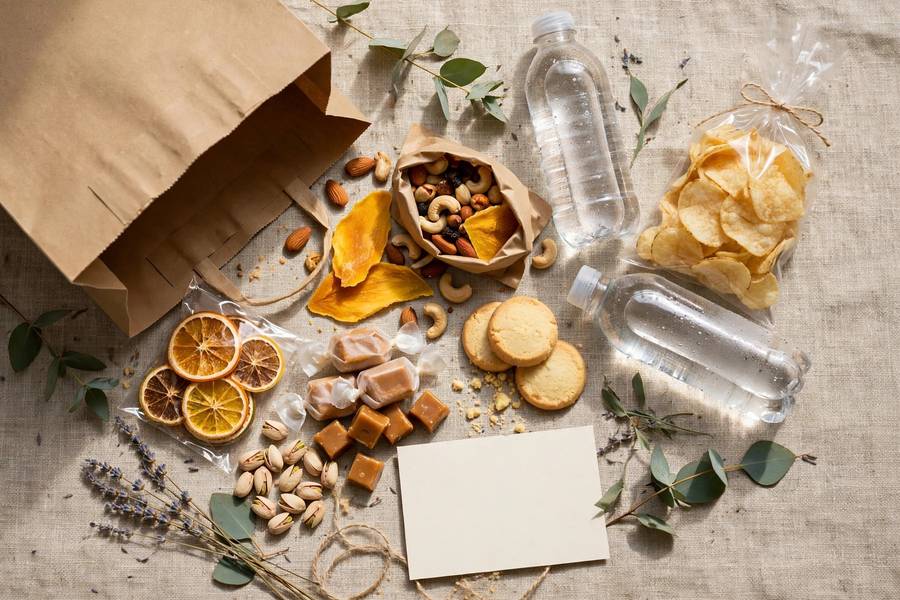
Water bottles ($0.50 each in bulk) — the single most appreciated item, full stop. Snacks: granola bars, local chips, candy ($2–3). Hangover kit: Advil packets, mints, eye drops ($2). Weekend info card: timeline, WiFi password, your phone number, local recommendations (free to print at home). Something sweet: local chocolate or cookies ($2–3).
Total: roughly $8–12 per bag for something genuinely useful.
Local Touches
This is where welcome bags shine. Local coffee beans or tea, a regional snack (Philly pretzels, Maine whoopie pies, Texas salsa), a mini guide to your favorite neighborhood spots. These cost little and feel deeply personal — you’re sharing YOUR place with people you love.
Personal Touches (Free)
A handwritten note (“We’re so glad you came all this way — love, Sarah & David”). A printed photo of you with the guests if you have one. A custom playlist QR code for the weekend. These cost nothing and they’re what people actually keep.
Presentation on a Budget
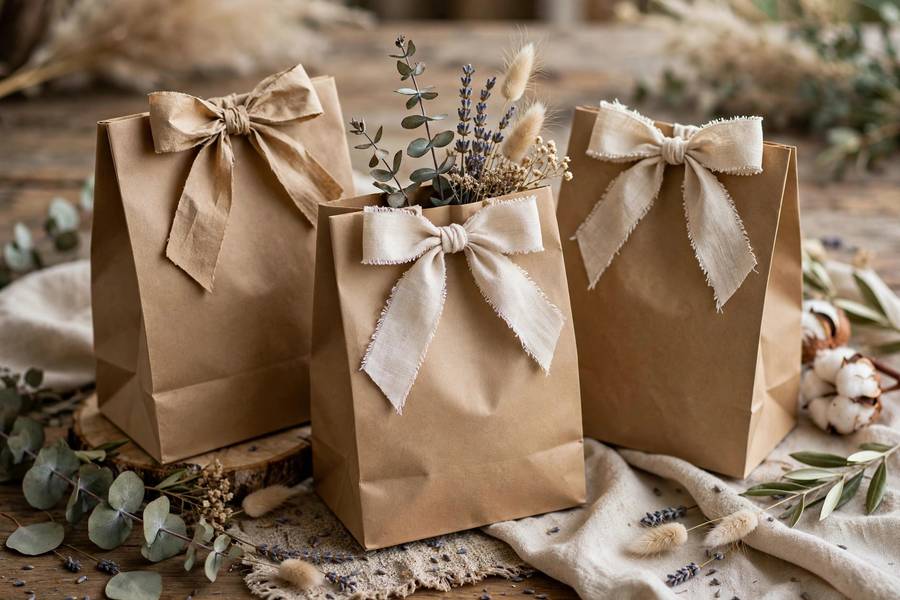
Skip expensive custom tote bags ($5–8 each). Use kraft paper gift bags ($0.50 each) with a stamped monogram, or simple drawstring bags in your wedding color ($1–2 in bulk). Tie with ribbon. It looks intentional and charming, not cheap.
What to Skip
Anything that’ll get left in the hotel room: cheap wine (nobody drinks it), scented candles (fire hazard in hotels), full-size toiletries (they have them), anything breakable, anything that melts. And don’t include the wedding favor in the welcome bag — that’s double-dipping.
For the full guide beyond budget picks, see wedding welcome bag ideas. Include your after-party details on the info card!
Delivery Logistics
Deliver to the hotel front desk the day before guests arrive — most hotels do this free or for a small fee. Count bags against your room block list, plus 5 extra. If guests are in Airbnbs, drop bags the morning of arrival or hand them at the rehearsal dinner.
Welcome Bags for Destination Weddings
Destination welcome bags work harder — guests traveled far, and the bag is their survival kit. Essentials: local snacks, water bottles, sunscreen, aloe, a map with YOUR favorite spots marked, the weekend itinerary, and something local and special (local coffee, regional candy, a small craft item). Budget $20–35 per bag for destination — higher than local, because the gesture matters more.
The itinerary card is the most valuable item: guests are in an unfamiliar place, and a curated guide from the couple feels like a gift. Include: your favorite restaurants, the best coffee, what to do with free time, and emergency contacts.
Personalization That Costs Nothing
Free personalization with maximum impact: handwritten notes (2–3 sentences per guest — “We’re so glad you came all this way”), a custom playlist QR code (your wedding weekend soundtrack), printed photos (a favorite photo with each guest — costs pennies to print, priceless to receive), the story card (“Why we love this city” or “Our story in 100 words”).
These cost almost nothing and are the items guests actually keep. The $3 water bottle gets used and recycled; the handwritten note gets saved.
Assembly and Delivery Logistics
The unglamorous part: assembly — set up a production line 1–2 weeks before (bridesmaids + wine + assembly line = actually fun). Storage — bags take up shocking amounts of space; confirm with your hotel. Delivery — hotels charge $3–8 per bag for front-desk delivery; dropping at the welcome table or handing out at the rehearsal dinner is free. Timing — bags should be waiting at check-in or distributed at the first group event.
Pro tip: don’t overfill. A tote stuffed with 15 items feels cluttered; 6–8 thoughtful items feel curated. Edit ruthlessly.
The Welcome Bag Timeline
When to do what:
2–3 months out: Decide on bag contents and budget. Order custom items (tote bags, printed itineraries, personalized anything — these have lead times). Start collecting local items. 1 month out: Buy all non-perishable contents. Confirm guest count for bag quantity (+10% extra for surprises). Confirm delivery plan with hotel. 2 weeks out: Assemble bags (production line with bridesmaids). Store in a designated spot. 1 week out: Buy perishables (fresh snacks, etc.). Add them to bags. 2–3 days before: Deliver to hotel or bring to rehearsal dinner. Confirm with hotel contact.
What goes wrong: ordering custom items too late (2-week rush fees or disappointment), underestimating quantity (always make extras), forgetting the hotel coordination (bags sitting in your living room on the wedding day), and assembling the night before (you’ll be exhausted — do it 2 weeks out).
Destination weddings: start earlier (3–4 months) — shipping items to the destination takes time, and local items may need sourcing trips. Welcome bags are essential (not optional) when guests travel far. For destination planning, see our destination wedding guide.
Welcome Bags for Different Guest Types
One size doesn’t fit all. Consider variations:
For out-of-town guests: the full bag (they need everything — they’re in unfamiliar territory). For local guests: a smaller version (they don’t need hotel survival items, but they’ll appreciate the thought). Or skip bags for locals and invite them to the welcome event instead. For kids: a kid bag (coloring books, crayons, snacks, a small toy). Parents will love you forever. For the wedding party: an upgraded bag (they did more — acknowledge it).
For guests with dietary restrictions: if you know (ask on the RSVP), customize the snacks. A gluten-free guest getting a bag full of wheat products feels forgotten. For international guests: add practical info (currency, tipping customs, emergency numbers, how to get around). They’re navigating a foreign country for YOUR wedding — make it easy.
The principle: thoughtfulness scales. You don’t need 5 different bag types — but 2–3 variations (standard, kids, wedding party) show you thought about WHO was coming, not just THAT they were coming.
Eco-Friendly Welcome Bags
Welcome bags generate waste. Here’s how to minimize it:
The bag itself: reusable tote (cotton, canvas) — not plastic. Guests reuse it; it’s advertising-free if you skip the wedding branding (or keep branding minimal). Skip: individually wrapped everything, plastic water bottles (use a water station + reusable bottle instead), single-use trinkets, anything that’ll be thrown away within hours.
Choose: local products (less shipping, supports the community), edible items (consumed, not discarded), experiences over objects (a local tour voucher beats a keychain), and digital info (QR code to a wedding website instead of 5 printed cards).
The honest math: a traditional welcome bag generates ~2 lbs of waste per guest. For 100 guests, that’s 200 lbs. Eco-friendly choices cut it to under 50 lbs. It’s not perfect, but it’s progress. Communicate it: “We’ve kept our welcome bags low-waste — please reuse the tote!” Guests appreciate the thoughtfulness (and the permission not to feel guilty).
The bigger picture: welcome bags are one piece of wedding sustainability. If eco-matters to you, apply the same thinking to favors, florals (compostable), and food (local, minimal waste). Every choice counts — but don’t let perfectionism ruin the celebration. Progress, not perfection.
Key Takeaways
Think like a traveler. Water, snacks, pain relievers, and the weekend plan — that’s the core. Everything else is bonus. Personalize cheaply. A handwritten note ($0) beats a $20 trinket. A local guide you wrote (free) beats a generic city map. Assemble 2 weeks out. Never the night before — you’ll be exhausted and forgetful. Make 10% extra. Surprise plus-ones and forgotten guests happen; extras save embarrassment. Deliver personally when possible. Handing bags out at the rehearsal dinner beats hotel front-desk delivery — it’s warmer, free, and memorable.
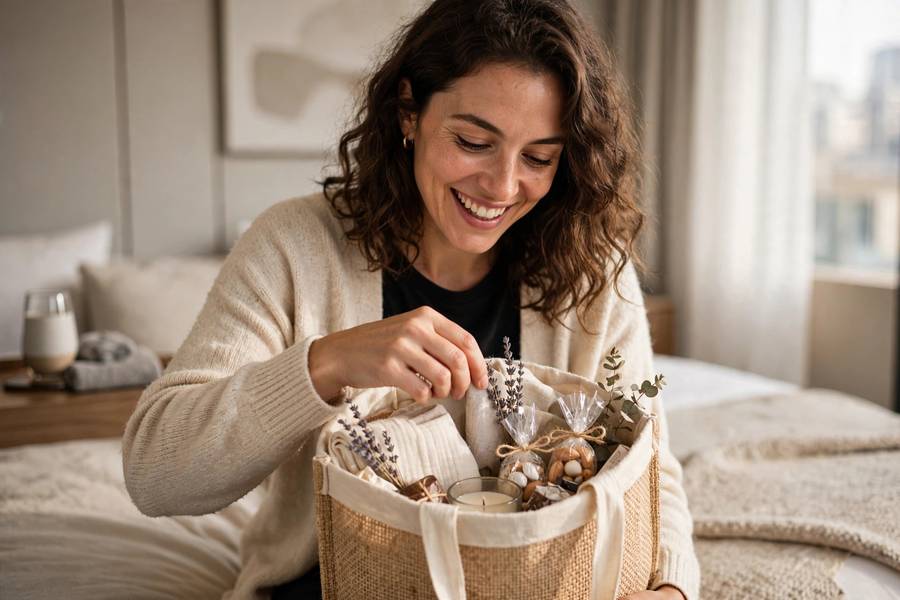
$8–15 per bag is plenty for something thoughtful and useful. Focus on water, snacks, local touches, and a personal note rather than expensive items.
Water bottles, snacks, a local treat, a hangover kit (Advil, mints), a weekend info card with timeline and WiFi, and a handwritten note.
No — welcome bags are for out-of-town guests staying in hotels. Local guests don’t need them.
Deliver to the front desk the day before arrivals; most hotels distribute them free or for a small fee. Confirm arrangements with the hotel in advance.
A coordinated color or monogram stamp is a nice touch, but don’t overthink it. Usefulness beats theme-matching every time.