Best Handwriting Practice Books for Kids and Adults

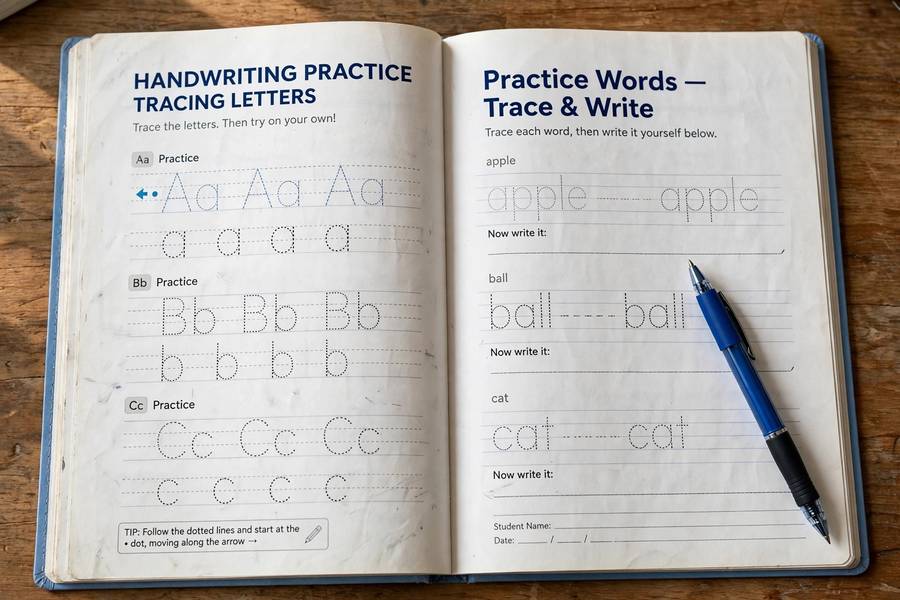
A good practice book will not fix your handwriting by itself — but the right one makes practice structured, progressive, and actually pleasant, which is what gets you to do it. I have evaluated handwriting workbooks for both children and adults, and the best ones share traits: proper stroke order instruction, gradual difficulty, quality paper, and enough repetition to build muscle memory without boredom.
This guide recommends the workbook types worth buying for each goal — kids' print, kids' cursive, adult improvement, and calligraphy — and explains how to get real results from any book you choose.
I evaluated these the way I evaluate everything: by what actually gets used. A practice book that sits on a shelf has zero value, so usability was my top criterion.
In this guide:
- For Kids: Print Handwriting
- For Kids: Cursive
- For Adults: Fixing Your Handwriting
- For Calligraphy Beginners
- How to Practice So It Actually Works
- A Buyer's Guide: What to Check Before Buying
For Kids: Print Handwriting
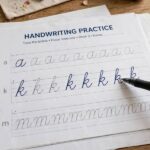
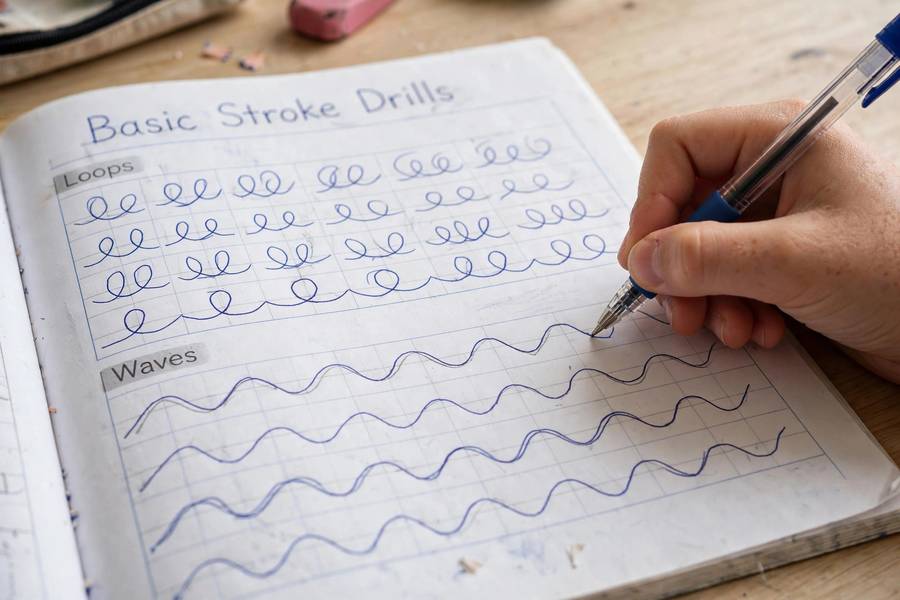
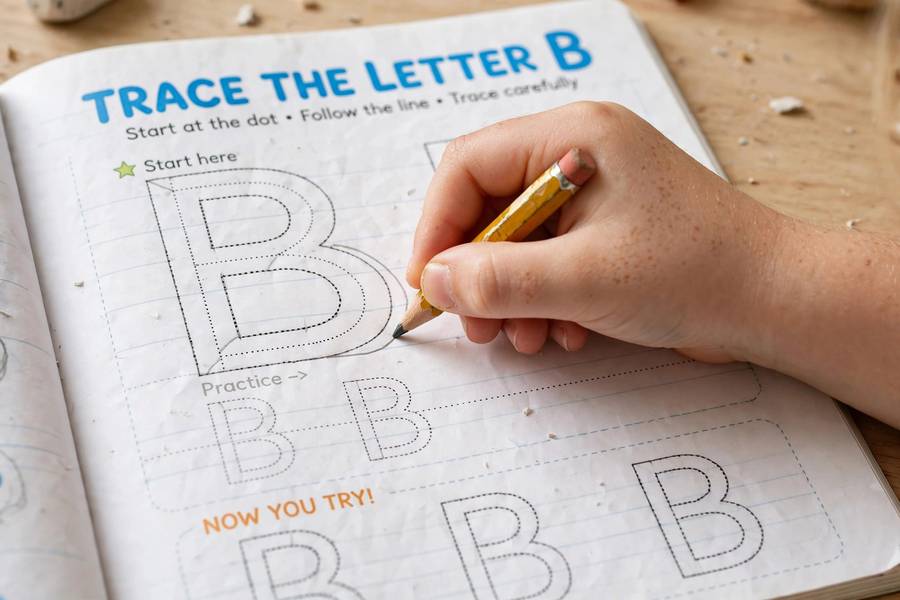
Young children need books that teach letter formation from the ground up: where each stroke starts, which direction it goes, and how letters sit on lines. Look for workbooks with large guided lines, numbered stroke arrows, and plenty of tracing before independent writing — tracing builds the motor pattern that free writing then reinforces.
The best kids' books progress systematically: strokes first, then lowercase, then uppercase, then words, then sentences. Books that jump to sentences too fast frustrate beginners. Also check the paper — thin pages that bleed with pencils discourage practice; slightly thick, smooth paper invites it.
For struggling young writers, workbooks with raised or textured lines (where the baseline can be felt) add tactile feedback that accelerates learning. Occupational therapists recommend these for a reason — the finger feels what the eyes are still learning to see.
For Kids: Cursive
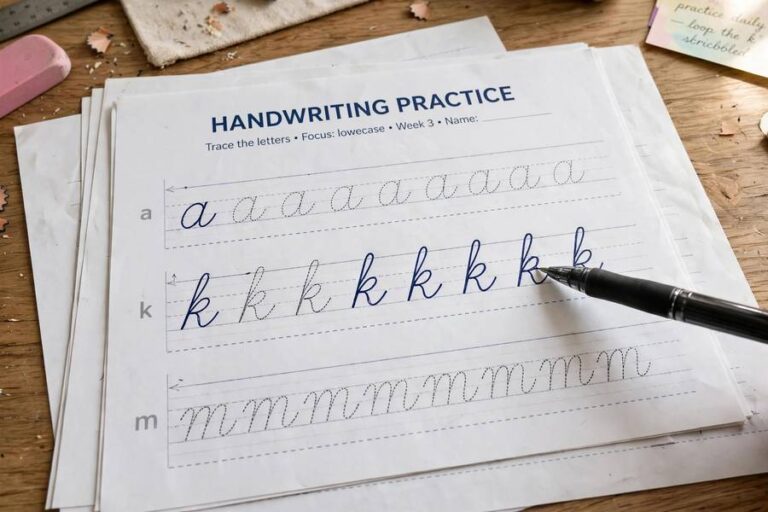
Cursive workbooks should teach connections, not just letters — the value of cursive is in the flowing joins, and books that drill individual letters endlessly miss the point. Good cursive books introduce letter families by shared strokes (the 'undercurve' family: i, u, w, t) and move quickly to joining practice.
Look for books with slant guides and consistent x-height lines. Cursive falls apart without consistent sizing, and guides train the eye until the hand takes over. Practice books that include real words and sentences early keep motivation up — kids tolerate drills better when they spell actual things.
A note on the cursive debate: whether schools should teach it is contested, but for kids who want to learn, a structured book beats random worksheets. Fifteen minutes daily through one good book produces genuinely nice cursive in a few months.
For Adults: Fixing Your Handwriting
Adult workbooks differ from kids' books in tone and focus — no cartoon characters, and an emphasis on the specific problems adults have: inconsistent sizing, drifting baselines, and rushed letterforms. The best adult books start with a diagnostic: write a paragraph, identify your three worst habits, and target drills at those.
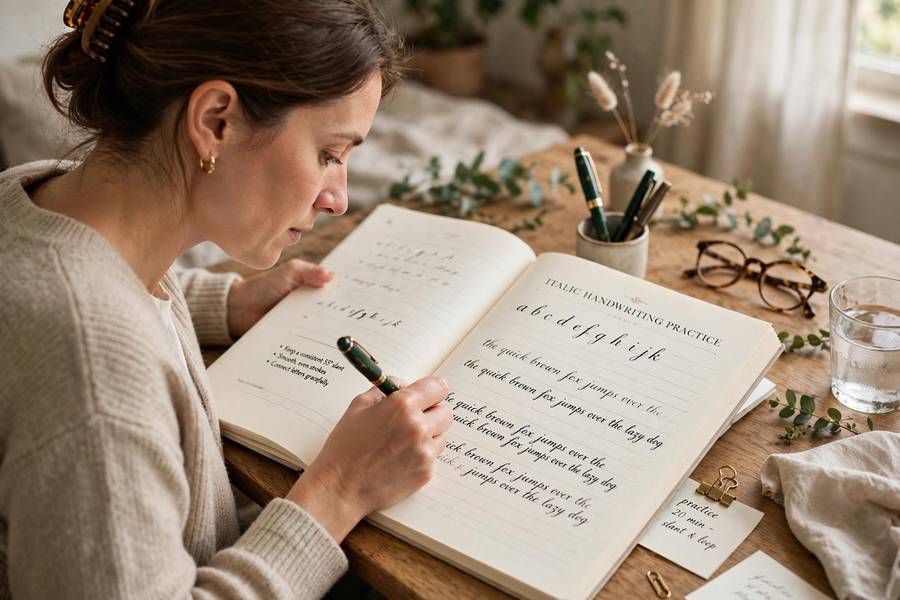
Italic handwriting books are the adult secret weapon. Italic — the slanted, elegant everyday hand — is faster to learn than formal cursive and looks dramatically better than most adults' current writing. Books on italic technique give you an attractive, practical hand in weeks of short daily practice.
Practice books with exemplar alphabets you trace, then copy, then write from memory follow the right progression. And adults should practice with the actual pen they use daily — improving with a calligraphy pen you never carry does not transfer to your work pen.
For Calligraphy Beginners
Calligraphy workbooks are a different category — art, not everyday writing — but many adults discover that learning foundational calligraphy transforms their regular handwriting as a side effect. The slow, deliberate strokes retrain fine motor control and letter awareness.
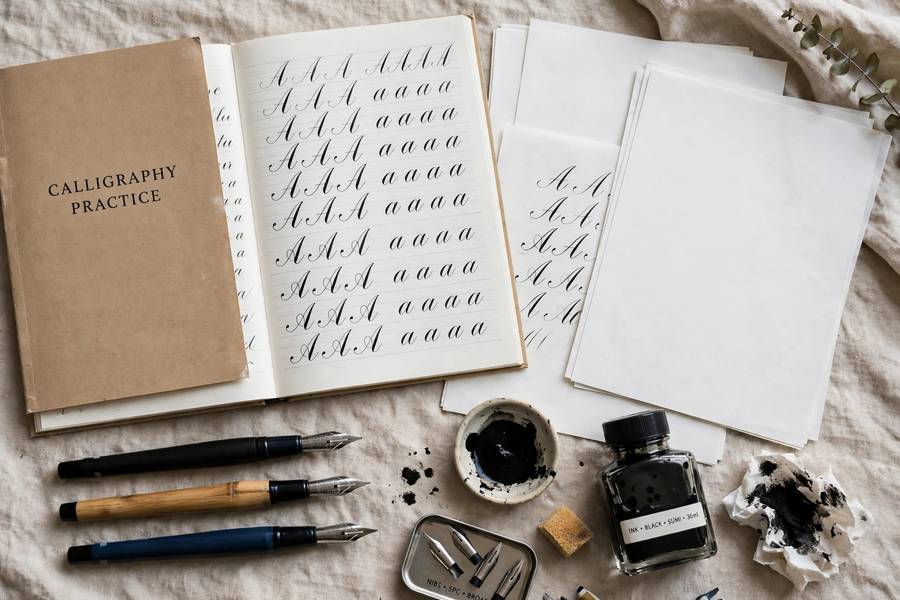
Start with a broad-edged (italic) nib workbook rather than pointed pen: it is more forgiving for beginners and the skills transfer to nicer everyday writing. Good beginner books cover pen angle, basic strokes, and minuscules before capitals — the disciplined progression matters more than the specific book. the best note-taking apps overall
Budget for supplies: a starter broad-edge pen, smooth practice paper (regular copy paper feathers and frustrates), and patience. Calligraphy rewards fifteen calm minutes more than an hour of tense grinding. how to study for final exams
How to Practice So It Actually Works
Short and daily beats long and occasional — fifteen focused minutes builds motor memory; an hour once a week builds frustration. Put the book where you will see it and anchor practice to an existing habit. what active recall is
Slow down deliberately. Handwriting improves at slow speed first; speed comes after the forms are automatic. Practice at half your normal writing speed, focusing on one element at a time — today slant, tomorrow spacing. Multitasking the fundamentals slows everything.
Copy real text, not just drills. After the book's exercises, copy a paragraph from a book you are reading. Real text forces the transitions and spacing that isolated letters never teach — and it is far more enjoyable, which means you will actually do it.
A Buyer's Guide: What to Check Before Buying
Before buying any practice book, check the paper quality — it matters more than the exercises. Hold a page up: if you can see through it easily, ink will bleed and pencils will dent through. Slightly thick, smooth paper is worth paying for; it makes every minute of practice more pleasant, and pleasant practice gets done.
Check the progression by flipping through: strokes before letters, tracing before independent writing, words before sentences. Books that open with full alphabets and no instruction are workbooks in name only. The table of contents should tell a learning story.
Match the line sizing to the writer. Young children need large lines (an inch or more); adults need normal ruled guides with slant indicators. A book with one line size for all ages serves none well. For adults, dotted midlines and slant guides are the features that actually improve consistency. improve your handwriting with proven techniques
Read reviews for the specific complaint patterns: 'pages too thin,' 'jumps too fast,' 'no stroke order shown.' One complaint is noise; five identical complaints are data. And check the publication date for cursive books — older books sometimes teach letterforms schools no longer use.
Consider the book's physical design for actual use: lay-flat binding (books that snap shut mid-practice get abandoned), enough practice space per page (cramped pages discourage repetition), and perforated pages if you like practicing on a clipboard. These sound minor until you use the book daily.
Budget realistically: one well-chosen book used completely beats three bought and shelved. And remember the book is maybe thirty percent of improvement — the daily fifteen minutes is the other seventy. Buy the book this week, but start the habit today with any paper.
One more check before buying: look at the practice density — how much writing space each page actually provides versus decorative illustrations. Children's books especially can be 50 percent cartoons; you are buying practice repetitions, so pages should be mostly writing space.
Consider workbooks with free companion downloads. Some publishers offer printable extra practice pages online, which effectively multiplies the book's value — finish the book, then reprint your weakest sections for another round.
For adults, check whether the book addresses your actual goal: everyday neatness, italic elegance, or calligraphy art. Mismatched goals are the top reason practice books get abandoned — a calligraphy book will not fix your meeting notes, however beautiful it is.
For kids who resist practice books, try the 'secret mission' framing: each page is a mission, completed pages earn stamps, ten stamps earn a reward. It sounds simple because it is — and it works because children engage with narrative, not because the exercises changed.
Adults should schedule practice like exercise: same time, same place, non-negotiable. Willpower is unreliable; calendar is reliable. Fifteen minutes at 7am happens; 'sometime today' does not.
When you finish a book completely — every page — celebrate it properly and start the next level immediately. Momentum between books matters enormously; a week's gap becomes a month's gap with alarming ease. The shelf of finished books becomes its own motivation.
Books focused on italic handwriting technique suit most adults — they teach an attractive, practical hand quickly. Look for diagnostic approaches that target your specific bad habits rather than generic drills.
Yes, when they teach stroke order progressively with tracing before independent writing, and when practice is short and daily. Books with large guided lines and real words early keep children engaged.
With 15 focused minutes daily, most adults see clear improvement in 4 to 6 weeks; children typically need a few months of consistent practice. Slow, deliberate practice works faster than rushed repetition.
For everyday adult improvement, italic or improved print usually beats formal cursive — faster to learn and more practical. For kids, follow their school's approach and their interest.
Absolutely — handwriting is a motor skill, and motor skills remain trainable throughout life. Adults often improve faster than kids because they practice deliberately and understand the mechanics.
Yes, if you are disciplined — free sheets plus a guideline generator cover the same ground. Books win on structured progression; organized self-directed learners do fine without them.