Short Wedding Ceremony Readings: 30 Beautiful Options Under 2 Minutes

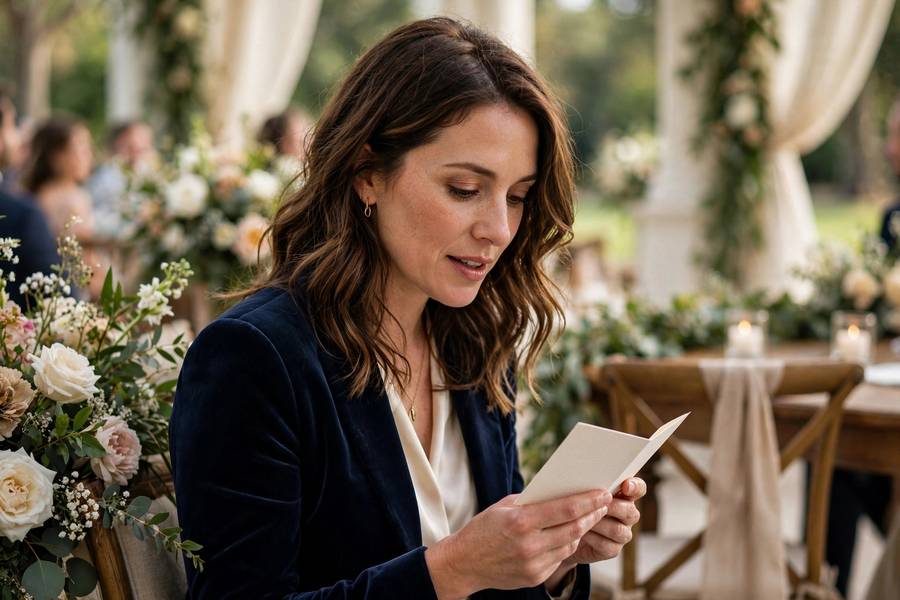
A reading should be a breath in your ceremony — a pause that means something — not a hostage situation. The best readings I’ve witnessed were under two minutes and left the whole place quiet. Here’s how to choose one, plus 30 short options across every style.
Why Short Wins
Attention spans at weddings are short — guests are emotional, warm, and ready for the vows. A 90-second reading lands. A 5-minute reading loses the room. Every officiant I know begs couples to keep readings tight. Your ceremony will thank you.
How to Choose
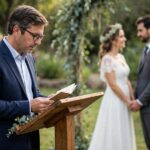
Pick something that sounds like you, not something that sounds like a wedding. Read it aloud — if you stumble, guests will too. Choose a reader with a strong, clear voice (not necessarily your most emotional friend — tears and microphones are a risky combo). Give them the text printed large, double-spaced, two weeks ahead.
Romantic Poetry
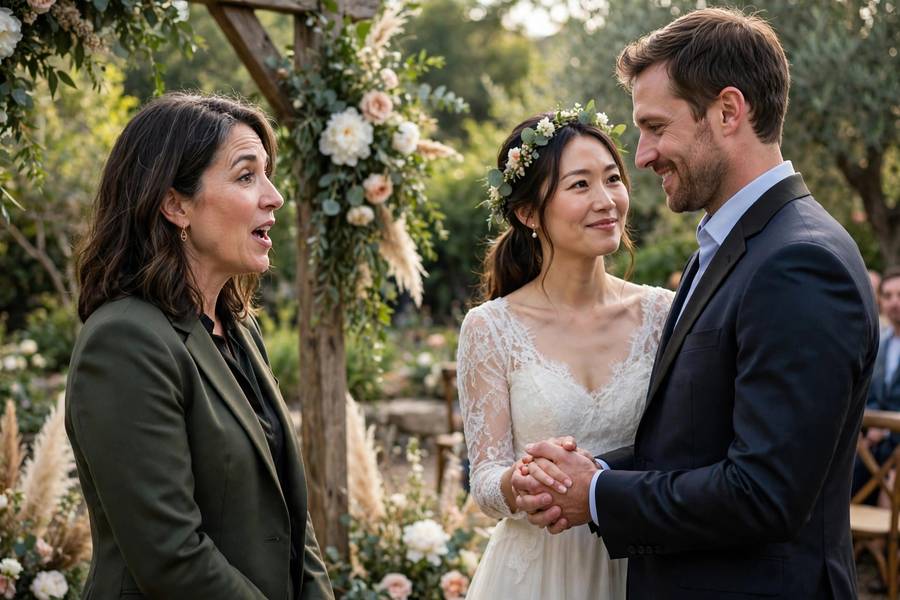
Sonnet 116 (Shakespeare) — the “let me not to the marriage of true minds” excerpt. E.E. Cummings “i carry your heart.” Rumi on love. Pablo Neruda’s Sonnet XVII (“I do not love you as if you were salt-rose”). Christina Rossetti’s “I loved you first.” Keep to short excerpts — 8–12 lines is plenty.
Prose and Literature
The Velveteen Rabbit on becoming real. “Union” by Robert Fulghum. An excerpt from Captain Corelli’s Mandolin on love as a temporary madness… settling into something deeper. Winnie the Pooh (“If you live to be a hundred, I want to live to be a hundred minus one day”). The Little Prince on taming and ties.
Non-Religious and Modern
For secular ceremonies: “All I Ever Really Needed to Know I Learned in Kindergarten” (Fulghum), an excerpt from The Amber Spyglass on love as the meaning, or a favorite song lyric read as poetry. Modern essays on partnership work beautifully — pick something written in the last 20 years so it sounds like today.
Browse more in my guide to wedding ceremony readings for every style and length.
Funny and Light
A brief funny reading resets the room’s emotions perfectly before vows. Dr. Seuss (“We are all a little weird…”), a humorous excerpt from a favorite book, or a short funny poem. One laugh, then straight into the heartfelt — the contrast makes both hit harder.
Delivery Tips
Practice standing up, at volume. Reading silently is nothing like reading to 100 people. Slow down. Nerves speed everyone up; consciously take it 20% slower than feels natural. Print it big. 16-point font, double-spaced, on cardstock that won’t shake visibly. Have water nearby. Dry mouth is real. It’s okay to cry — just pause, breathe, and continue. Nobody minds; everybody relates.
Pair your reading with meaningful wedding vow examples to complete your ceremony words.
How to Shorten a Long Reading
Love a reading that’s too long? Edit it — with respect. Rules: keep the opening and closing intact (they frame the piece), cut middle examples or repetitions, never change the author’s words within a kept passage (cut whole sentences, don’t rewrite), and read your edit aloud to check flow. Most 3-minute readings have a perfect 60-second version hiding inside. If you’re unsure, ask your officiant to help — they’ve done this dozens of times.
Matching Readings to Ceremony Tone
Formal/traditional: classic poetry, scripture-adjacent prose, timeless excerpts. Modern/relaxed: contemporary essays, song lyrics, children’s book wisdom. Funny/lighthearted: humorous poems, witty excerpts (one funny reading max — more feels like a comedy show). Emotional/intimate: personal letters, meaningful song lyrics, short poems about home and belonging. The reading should feel like it belongs in YOUR ceremony, not someone else’s.
Bilingual and Multicultural Considerations
Blending cultures? Short readings are ideal for bilingual ceremonies — read the same short piece in two languages, or choose one reading per culture. Keep each under a minute so the ceremony doesn’t double in length. Provide translations in the program so all guests can follow. And consider: a reading in a grandmother’s native language, even if most guests don’t understand it, can be the most emotional moment of the ceremony — meaning transcends translation.
Short Readings for Elopements
Elopements are where short readings shine brightest. With no audience (or just a few witnesses), the ceremony is intimate, and a short reading feels profound rather than brief:
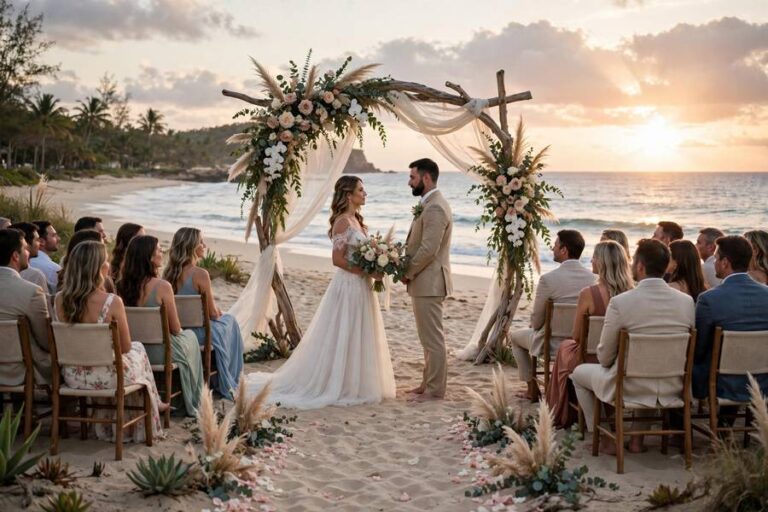
“Whatever our souls are made of, yours and mine are the same.” — Emily Brontë. One line. In a mountaintop elopement with just the two of you, that single sentence carries more weight than a five-minute reading at a 200-person wedding. Intimacy amplifies brevity.
Elopement reading tips: choose something that reflects the LOCATION (nature poetry for outdoor elopements, adventure quotes for travel elopements). Read it yourselves — there’s no one else to delegate to, and reading to each other is more romantic anyway. And consider reading it during your portraits, not just the ceremony — the photos of you reading to each other are extraordinary.
For planning an intimate ceremony, see how to elope — and pair your reading with personal vows from our wedding vow examples.
Readings for Different Ceremony Lengths
Match the reading to your ceremony’s overall length:
Elopement / micro-wedding (10–15 min ceremony): One very short reading (30 seconds) or none at all. The intimacy carries the ceremony; a reading should add, not pad. A single perfect line (“Whatever our souls are made of, yours and mine are the same”) is enough.
Standard ceremony (20–30 min): One reading of 1–2 minutes, placed before the vows. This is the sweet spot — the reading sets the emotional tone, then your vows deliver the personal peak. Longer ceremony (30–45 min, with rituals/religious elements): Two short readings work — one early (after the welcome), one before the vows. They act as emotional bookmarks, giving the ceremony rhythm.
The golden rule: total reading time shouldn’t exceed 10% of the ceremony. A 20-minute ceremony gets 2 minutes of readings max. More than that, and guests start wondering when the “real” ceremony starts. Readings support the ceremony; they don’t replace it.
Placement matters more than length. A 60-second reading placed right before the vows hits harder than a 3-minute reading buried in the middle. Work with your officiant on placement — they know the ceremony’s emotional arc. The reading is the inhale; your vows are the exhale.
Where to Find Readings: Beyond Google
Everyone Googles “wedding readings” and gets the same 20 results. Here’s where to find something original:
Your own bookshelf. The books you actually love contain passages that moved you — those are YOUR readings. Flip through favorites with a wedding lens; you’ll be surprised what you find. Poetry collections. Not “wedding poetry” — just poetry. Mary Oliver, Pablo Neruda, Rumi, E.E. Cummings, Wendell Berry. Read collections, not lists; the best readings aren’t on wedding blogs.
Your relationship’s artifacts. Old letters, early texts, the email where you said “I love you” first. With light editing, these become the most personal readings possible. Ask your reader. The person reading often has ideas — they’ve been to weddings, they know you. “Do you have a reading you’d love to do?” sometimes surfaces gold.
Your officiant. They’ve heard hundreds of readings. Ask: “What’s the most beautiful reading you’ve heard that ISN’T overused?” They’ll know. The library. Seriously — the poetry section, the essay collections, the “love” shelf. Browsing beats searching; you’ll find things no algorithm would show you.
The test: read it aloud, twice. If it gives you chills (or tears) both times, it’s the one. If it felt beautiful the first time and flat the second, keep looking. The right reading holds up to repetition — because you’ll hear it in your head for years.
Key Takeaways
Keep it under 2 minutes. Short readings (30–90 seconds) hold attention and leave room for your vows. Read aloud when choosing. Rhythm matters more on the day than on the page — if it doesn’t sound good spoken, it’s the wrong reading. Match the tone. Funny ceremony? One light reading. Emotional? Something sincere. Formal? Classic poetry. Brief your reader. Give them the text 2 weeks ahead, printed large on cardstock. A confident reader makes a short reading shine. Place it before the vows. The reading sets the emotional tone; your vows deliver the personal peak. That sequence is the ceremony’s heartbeat.
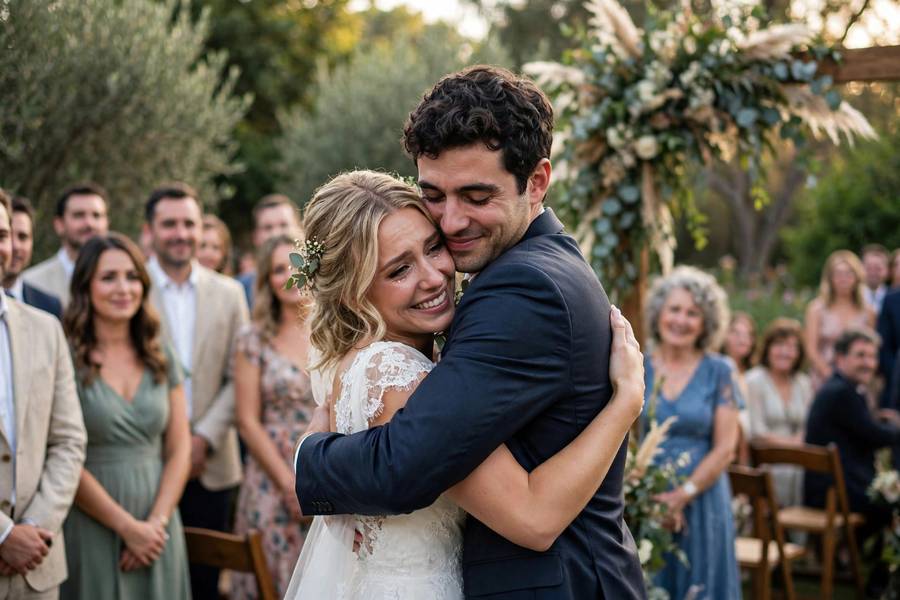
Under 2 minutes — roughly 150–250 words. Short readings hold attention and leave emotional room for your vows.
Someone with a clear, steady voice who won’t be overwhelmed by emotion. Give them the text two weeks ahead and have them practice aloud.
Yes — read as poetry, they work beautifully. Just be mindful of copyright if you’re printing programs (personal use at the ceremony is fine).
One or two. More than that and the ceremony starts feeling like a literature class. Quality over quantity.
Only if that reflects you. Plenty of beautiful non-religious options exist — poetry, literature excerpts, and modern prose all work wonderfully.