10 Best Places to Visit in Japan in Spring (Cherry Blossoms & Beyond)

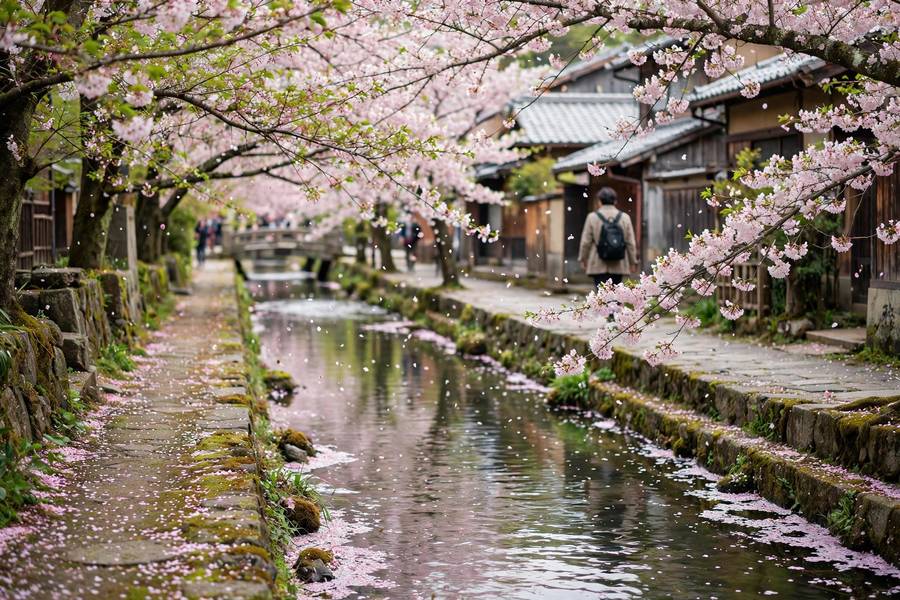
I’ve chased cherry blossoms across Japan three times, and here’s what nobody tells you: the blossoms are the excuse, not the reason. Spring in Japan is perfect for a dozen reasons — mild weather, festivals, new-season food, gardens waking up — and the sakura is just the most photogenic one. Even if you miss peak bloom by a week, spring Japan is still the best version of Japan.
The trick is understanding that ‘cherry blossom season’ isn’t a date, it’s a wave — it sweeps from south to north over six weeks, and you can chase it. This guide covers the ten best spring destinations plus the timing strategy that lets you catch peak bloom somewhere, guaranteed.
For the full country overview, see our best places to visit in Japan — this is the spring-specific deep dive.
Table of Contents
- Kyoto: The Classic (Done Right)
- Tokyo Beyond the Guidebooks
- The Chase: Following the Sakura Front North
- Spring Festivals Worth Planning Around
- Practical Spring Japan: Timing, Booking, Money
- Kyoto’s Hidden Spring: Beyond the Famous Spots
- Spring Food: What to Eat
Kyoto: The Classic (Done Right)
Kyoto in cherry blossom season is the most beautiful city I’ve seen anywhere — and the most crowded. The Philosopher’s Path, a canal lined with hundreds of cherry trees, is transcendent at 7 a.m. and a shuffling queue by 10. The lesson: in Kyoto during sakura, mornings are everything.
My Kyoto spring strategy: stay near the Keage Incline or the Kamo River (quieter than downtown), hit one major spot at opening (Arashiyama Bamboo Grove by 7:30 a.m. — the blossoms plus bamboo are unreal), then spend midday in temples (they’re shaded and calm). Evenings: the illuminated night sakura at Kiyomizu-dera or the Hirano Shrine light-up — the blossoms under lights are a different, dreamlike experience.
Beyond blossoms: spring is also the season for the Miyako Odori (geiko dances, all of April) and the Aoi Matsuri (May 15, one of Kyoto’s three great festivals). Book hotels 4–6 months ahead for late March–early April; prices triple and availability vanishes. when is the best time to book flights
Tokyo Beyond the Guidebooks
Tokyo’s blossoms are spectacular — Ueno Park, Shinjuku Gyoen, the Meguro River’s lantern-lit canal — but spring Tokyo’s real magic is the energy. The city exhales after winter: rooftop bars open, parks fill with hanami picnics, and the food shifts to spring (takenoko bamboo shoots, sakura-flavored everything).
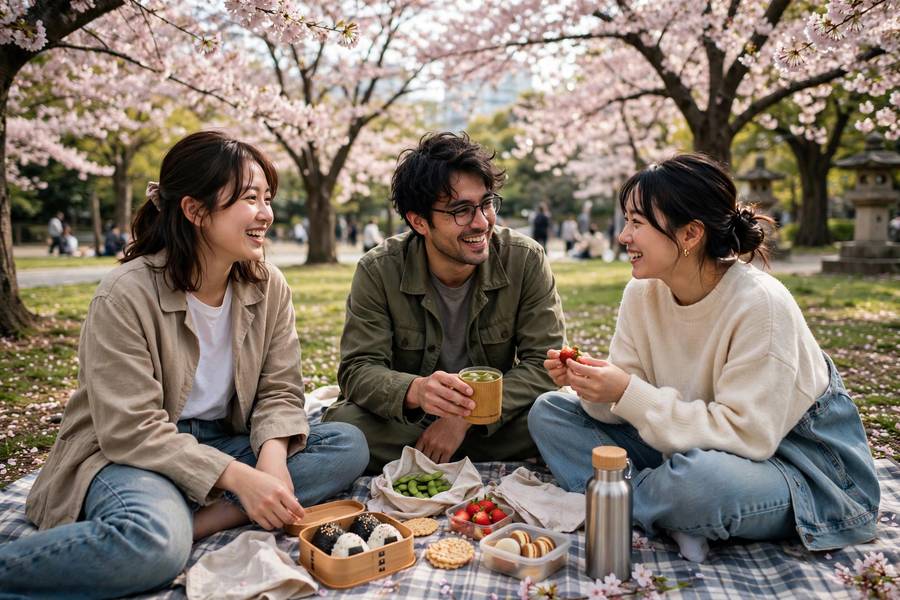
Do hanami like a local: buy picnic supplies from a depachika (department store food hall — an experience in itself), claim a spot in Yoyogi Park or Inokashira Park by late morning, and spend the afternoon eating, drinking, and watching petals fall. It’s the most Japanese spring experience there is, and it’s free.
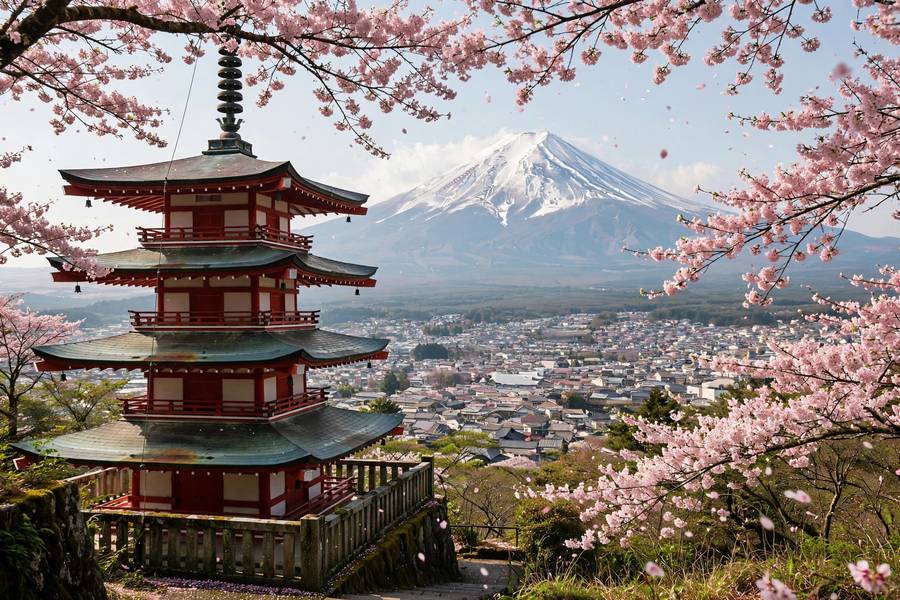
Day trip: Kawaguchiko for Mt. Fuji with cherry blossoms in the foreground — the classic postcard shot. Go on a clear morning (check the Fuji visibility forecast), and the Chureito Pagoda viewpoint delivers the money shot: pagoda, blossoms, Fuji, all in one frame.
The Chase: Following the Sakura Front North
Here’s the pro move: the sakura front (sakura zensen) moves north at about 20 km/day. It hits Okinawa in January, Kyushu in late March, Tokyo/Kyoto in late March–early April, and Hokkaido in early May. If you time a two-week trip for mid-April, you can catch late bloom in Kyoto and peak bloom in Tohoku (northern Honshu).
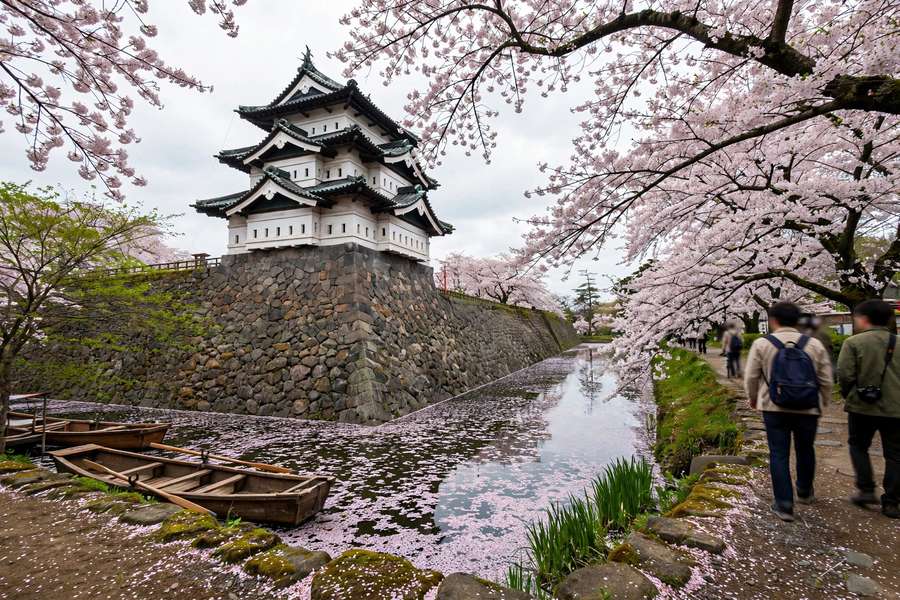
Tohoku in spring is Japan’s best-kept secret: Hirosaki Castle has 2,600 cherry trees and a festival with none of Kyoto’s crowds. Kakunodate’s samurai district has weeping cherry trees over 300 years old lining streets that look frozen in time. Kitakami’s 10,000-tree riverside promenade is staggering. This is where Japanese tourists go — follow them.
Hokkaido (early–mid May): the last bloom in Japan. Matsumae Castle’s 10,000 trees, the Goryokaku star fort in Hakodate (a moat ringed with blossoms, best seen from the tower), and spring skiing still running at Niseko. It’s a completely different Japan — wide open, frontier-feeling, empty.
Spring Festivals Worth Planning Around
Takayama Spring Festival (April 14–15): one of Japan’s three most beautiful festivals — ornate floats (yatai) paraded through a preserved Edo-period old town, some dating to the 1600s. The town itself, in the Japanese Alps, is worth the trip alone. Book a year ahead; it’s tiny and everyone wants in.
Inuyama Festival (early April): 13 three-story floats with mechanical dolls, in a castle town near Nagoya. Less famous than Takayama, equally spectacular, far fewer tourists. The castle — one of Japan’s five original keeps — has cherry trees and panoramic views. how to pack light
Fuji Shibazakura Festival (mid-April–May): not cherry blossoms but moss phlox — a carpet of pink flowers with Mt. Fuji looming behind. It’s the spring sight that isn’t sakura, and it’s breathtaking. Combine with the Kawaguchiko day trip.
Practical Spring Japan: Timing, Booking, Money
Timing: for Tokyo/Kyoto, aim for the last week of March through the first week of April — but check the forecast; warm winters push it early, cold snaps delay it. The Japan Meteorological Corporation’s sakura forecast (updated from January) is your bible. Build flexibility: if blossoms are early, head north; if late, linger south.
Booking: spring is Japan’s peak domestic travel season (Golden Week is late April–early May — avoid it if possible; prices spike and everywhere is packed). Hotels in Kyoto/Tokyo for sakura season: 4–6 months ahead minimum. The Japan Rail Pass must be bought before you arrive — and price out whether it pays off; with regional passes now available, the full JR Pass isn’t always the best deal.
Money: Japan is cheaper than its reputation — $100–150/day is comfortable (business hotels $80–120, great meals $10–20, transit $10–15). Convenience store food (onigiri, sandwiches) is genuinely good and costs $5. The blossoms are free; the memories are priceless; the shinkansen is where your budget goes.
Kyoto’s Hidden Spring: Beyond the Famous Spots
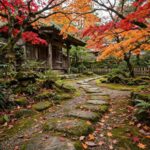
Everyone goes to the Philosopher’s Path. Almost no one goes to the Keage Incline — a disused railway line lined with cherry trees, five minutes’ walk from the Path, with a tenth of the crowds. Or Honen-in Temple — a thatched gate, moss garden, and weeping cherries, hidden in the hills above the Path. These are the spots Kyoto locals keep for themselves.
The Kamo River banks: join the locals for yozakura (night blossoms) with convenience-store snacks and a much better vibe than the tourist spots. The stretch between Demachiyanagi and Sanjo is the local favorite. Bring a picnic sheet (sold everywhere for ¥500) and do as the Kyotoites do.
Ohara and Kurama (30–40 minutes north): mountain villages with temples, onsen (hot springs), and blossoms a week later than the city — a built-in backup if you’re late for Kyoto’s peak. The outdoor onsen at Kurama with cherry petals drifting in the water is peak Japan.
Spring Food: What to Eat
Takenoko (bamboo shoots): spring’s headline ingredient — simmered, grilled, in rice. The flavor is delicate and entirely seasonal; it doesn’t exist the rest of the year. Try takenoko gohan (bamboo shoot rice) at any traditional restaurant.
Sakura everything: sakura mochi (pink rice cake with a salted cherry leaf), sakura-flavored Kit Kats, sakura beer, sakura Starbucks drinks. Some of it’s gimmicky; the mochi is genuinely delicious and 300 years old.
Strawberries (ichigo): Japanese spring strawberries are a luxury product — the famous white ones cost $10 each, but normal ones from a supermarket are still the best strawberries you’ve ever had. The depachika fruit sections are temples to produce; go look even if you don’t buy.
Shincha (first-flush green tea): the year’s first tea harvest, available from late April. It’s brighter and sweeter than regular sencha. Buy a small tin from a tea shop in Uji (near Kyoto) — it’s the perfect edible souvenir.
Late March to early April for Tokyo and Kyoto (peak bloom usually the last week of March). The sakura front moves north over six weeks — southern Japan blooms in late March, northern Tohoku in mid-April, Hokkaido in early May. Check the JMC sakura forecast from January for the year’s prediction.
4–6 months for hotels in Kyoto and Tokyo — sakura season sells out and prices triple. Flights: 3–4 months. If you’re flexible, Tohoku and Hokkaido (later bloom) have much better availability.
Kyoto and Tokyo’s famous spots are very crowded — go at opening time (7–8 a.m.) for the best experience. But most of Japan isn’t crowded: Tohoku, Shikoku, and Kyushu have spectacular blossoms with a fraction of the visitors.
Layers — March–April ranges from 10–18°C (50–65°F). A light jacket, comfortable walking shoes (you’ll do 20,000 steps), and a small umbrella (spring showers). No special gear needed; Japan’s infrastructure handles tourists beautifully.
Absolutely — spring is Japan’s best season regardless. Mild weather, festivals (Takayama, Aoi Matsuri), spring food, azaleas and wisteria (Ashikaga Flower Park in May is unreal), and comfortable hiking. The blossoms are a bonus, not the whole trip.