What Is Shiplap? Styles, Costs and Where to Use It

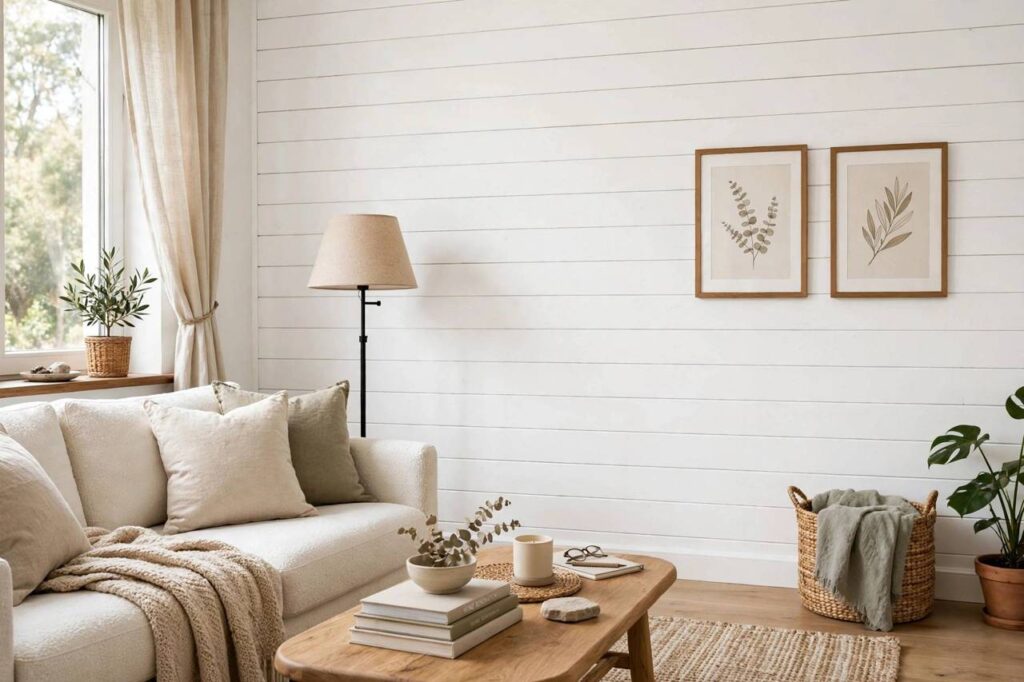
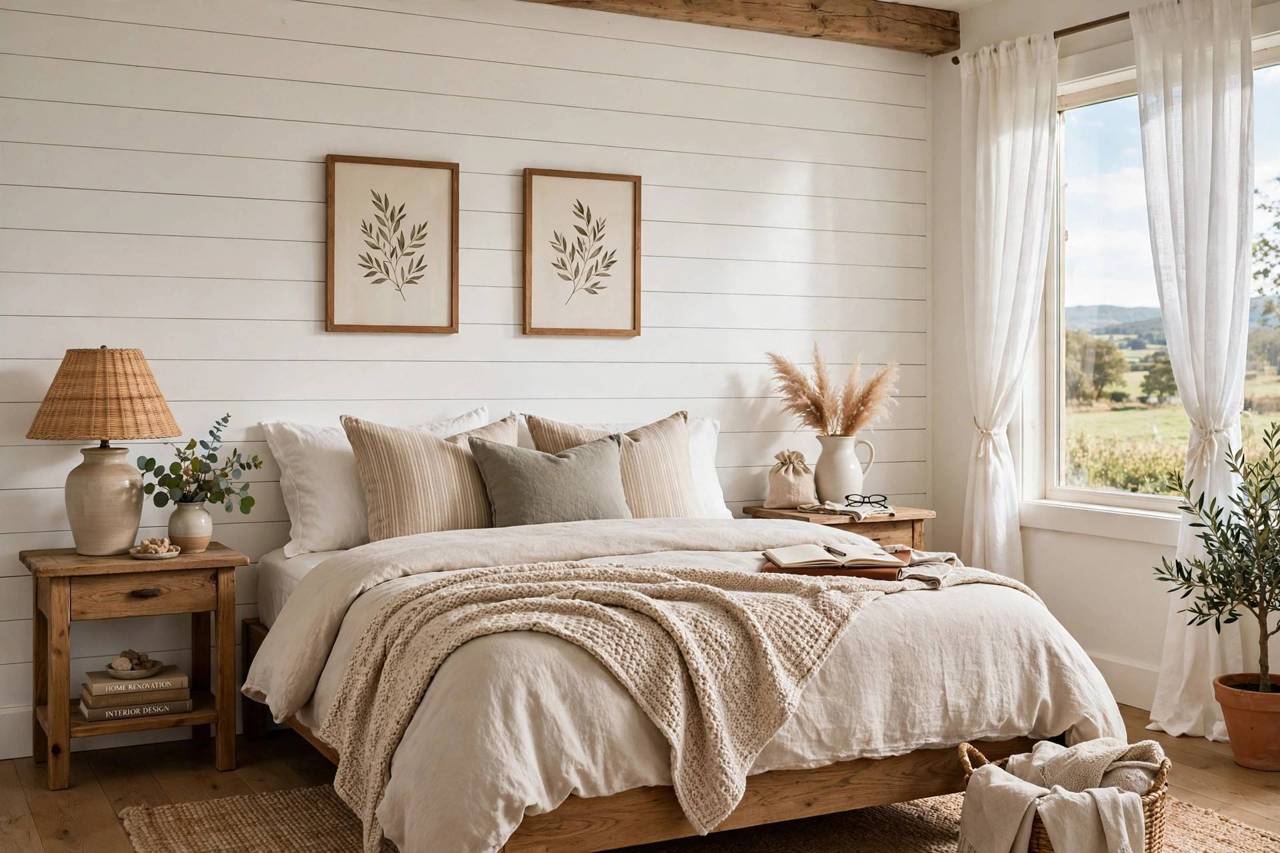
Walk into enough renovated homes and you will spot it: horizontal boards with those crisp, thin shadow lines running between them, usually painted white, giving walls a clean coastal-farmhouse look. If you have been wondering what is shiplap, here is the straight answer from someone who has installed miles of the stuff. Shiplap is a style of wooden wall paneling where boards overlap — or more commonly today, butt together with a small gap — using a rabbet joint cut into the edges. It started as practical exterior siding on barns and sheds, and it became an interior design staple because it adds texture and character to flat drywall without a major renovation. This guide covers what it is, the styles and materials, what it costs, and where it actually works in a home.
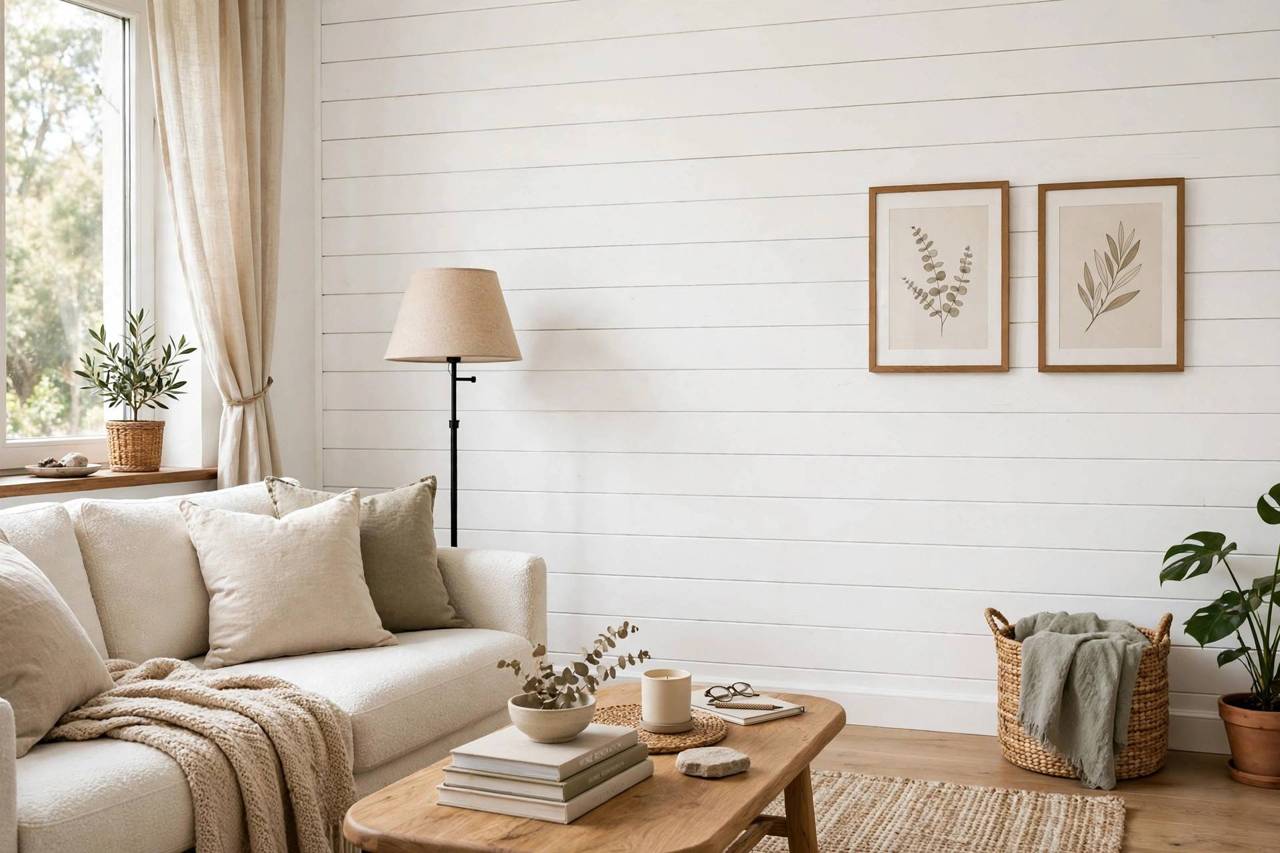
What Shiplap Actually Is
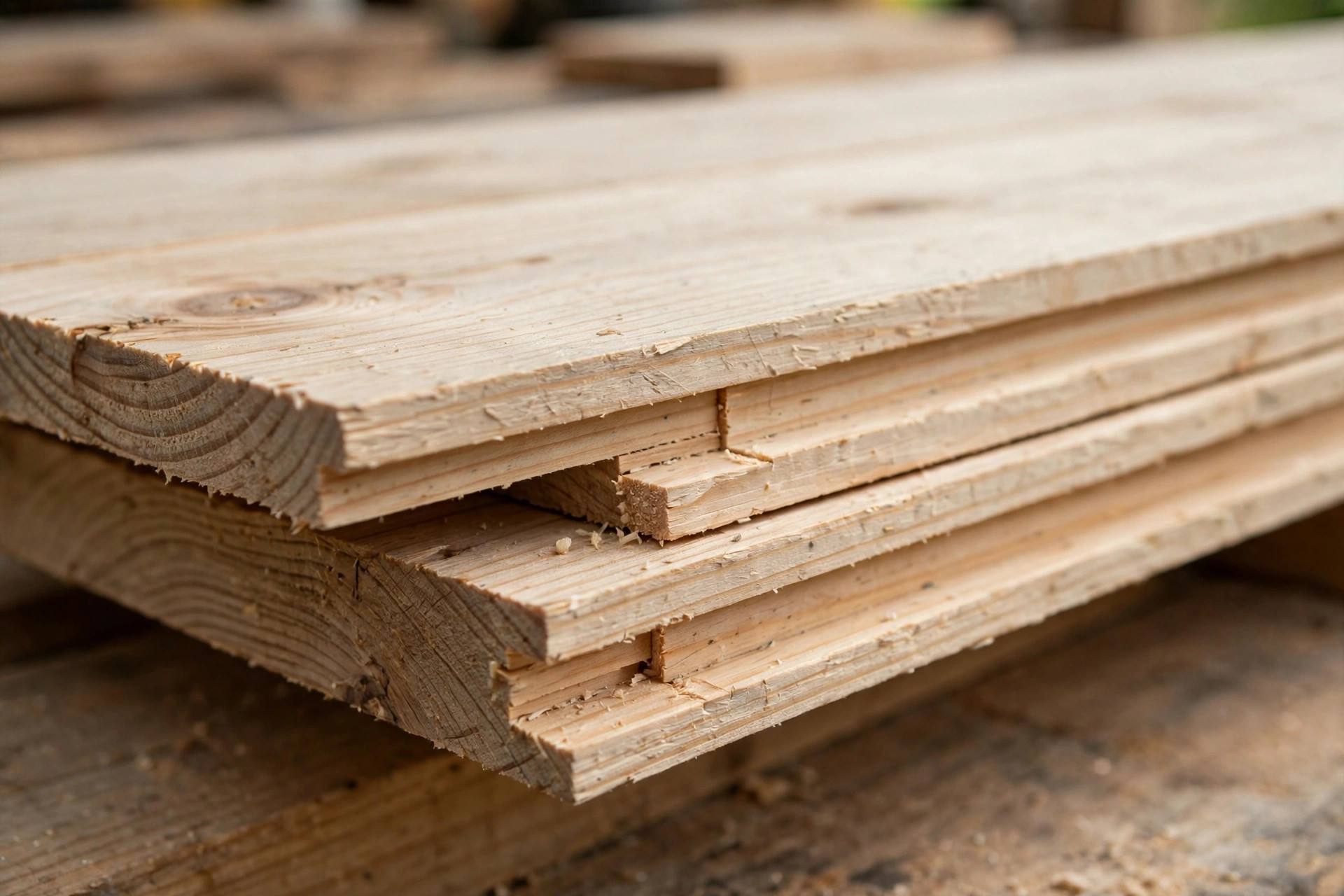
True shiplap gets its name from shipbuilding, where overlapping boards kept hulls watertight. Each board has an L-shaped notch — a rabbet — cut into the top and bottom edges, so the top of one board laps over the bottom of the next. That overlap sheds water, which is why it worked brilliantly as exterior siding. Modern interior shiplap usually skips the functional overlap and uses “nickel-gap” boards: flat boards installed with a consistent small gap (about the thickness of a nickel) between them. It looks like classic shiplap from across the room, installs faster, and costs less. When someone says shiplap today, they almost always mean this interior, decorative version.
Shiplap vs. Beadboard vs. Board-and-Batten
These get confused constantly, so let us settle it. Shiplap: horizontal (usually) boards with a small gap or overlap between them, flat faces, thin shadow lines. Beadboard: narrow vertical planks with a distinctive beaded groove running down each board — more traditional, more cottage. Board-and-batten: wide flat boards with narrow strips (battens) covering the seams, often vertical, with a bolder, more rustic rhythm. Tongue-and-groove: boards that lock together with no visible gap, giving a smooth continuous surface. Shiplap’s appeal is its middle ground — more texture than plain drywall, cleaner than beadboard, less rustic than board-and-batten. Knowing the difference matters when you are ordering materials or describing what you want to a contractor.
Materials: Real Wood, MDF, or Plywood?
You have three main material choices, and the right one depends on budget and location. Solid wood shiplap — usually pine or cedar — is the premium option: it takes stain beautifully, feels substantial, and lasts decades, but it costs the most and can expand and contract with humidity. MDF (medium-density fiberboard) shiplap is the budget favorite for painted installations: perfectly smooth, dimensionally stable, and cheap, but it must never get wet and it dents more easily. Plywood shiplap, often sold as underlayment panels ripped into planks, is a clever middle path — real wood veneer at a friendly price, though the edges need sealing. For bathrooms or anywhere near moisture, use only moisture-rated materials or solid wood sealed properly; standard MDF will swell and ruin the job.
What Does Shiplap Cost?
Material costs run roughly from the low end for MDF planks to several times more for clear-grade solid wood, with plywood in between — prices vary by region and lumber market, so get local quotes. A single accent wall in a bedroom is a weekend project costing little more than the boards, paint, and fasteners. Whole-room installations multiply both material and labor: professional installation typically doubles or triples the material cost, since every board must be leveled, cut around outlets and trim, and finished. DIY saves the labor but demands patience — the fussy parts are keeping courses level across long walls and making clean cuts around obstacles. Budget an extra ten percent material for waste and mistakes; you will use it.
Where Shiplap Works Best
Shiplap shines as an accent: behind a bed, around a fireplace, on a kitchen island, in an entryway, or on a bathroom vanity wall. It adds architecture to rooms that lack it — new-build boxes with flat drywall everywhere are the classic candidate. Ceilings are an underrated application; shiplap overhead adds warmth without closing in the space. Horizontal boards make narrow rooms feel wider; vertical installation makes low ceilings feel taller, so orient boards to fix the room’s proportions. Where to skip it: rooms where you want a sleek modern look (shiplap reads inherently rustic-traditional), and wet zones like shower surrounds unless you use fully waterproof materials and detailing.
Installation Basics for DIYers
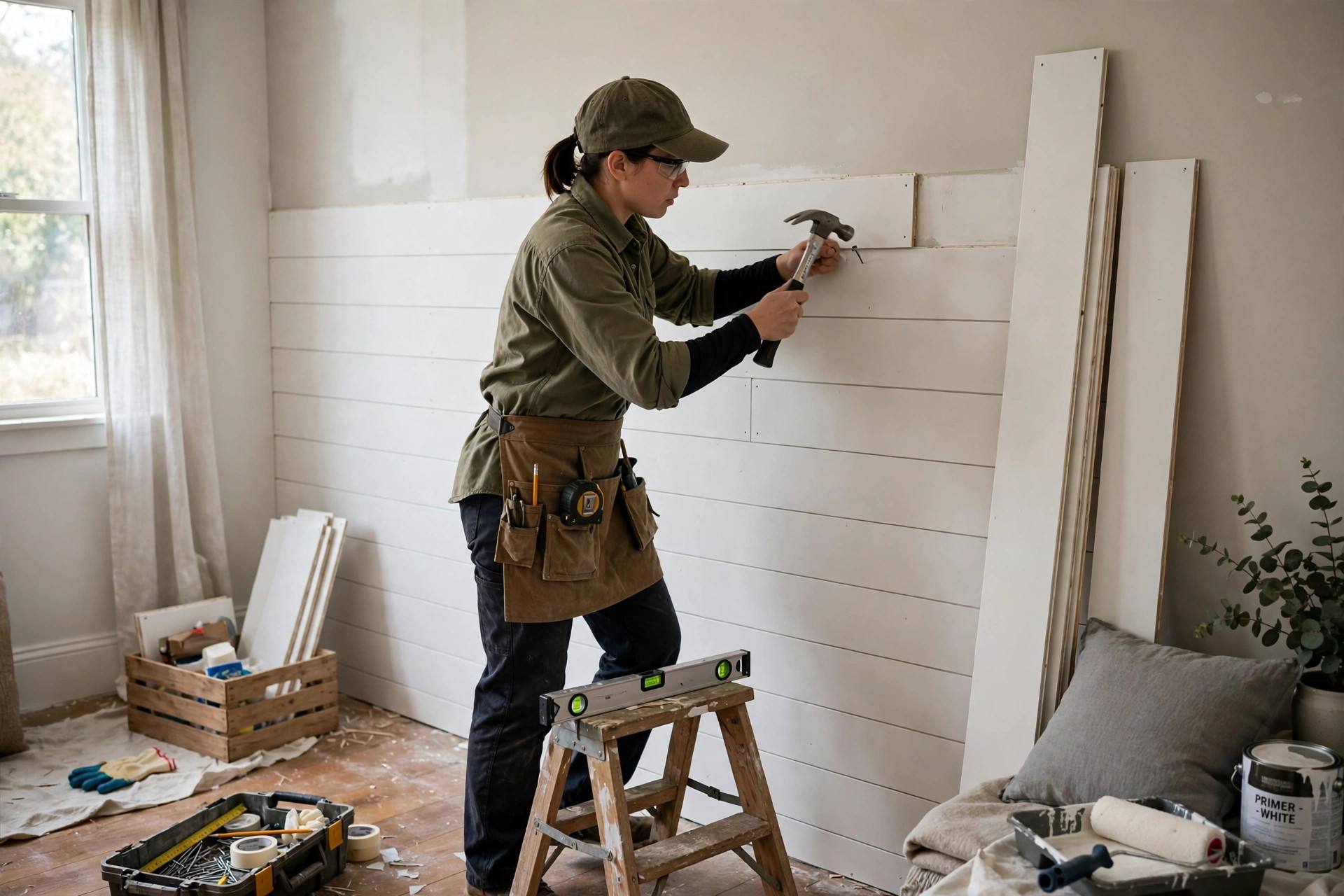
The job is straightforward but unforgiving of sloppiness. Start by finding and marking every stud — boards must fasten into structure, not just drywall. Establish a level starting line; walls and floors are never perfectly straight, so do not trust them. Work from the bottom up (or from the most visible edge), keeping a consistent gap with spacers, and check level every few courses before small errors compound. Cut around outlets and switches with a jigsaw, leaving the cover plates to hide the edges. Nail into studs with a brad nailer, fill holes, caulk the perimeter where boards meet trim, and paint after installation for the cleanest look. The difference between amateur and professional results is almost entirely in the prep: level lines, sharp cuts, and patient caulking.
Painting and Finishing
White is the classic — it bounces light and keeps the texture subtle — but shiplap takes color beautifully. Deep navy, sage green, and charcoal turn it into a moody feature wall; natural wood stain suits rustic and Scandinavian spaces. Use a quality primer first, especially on pine, which bleeds tannins through paint without it. A satin or eggshell sheen is the sweet spot: flat shows marks, gloss highlights every imperfection in the boards. Spraying gives the smoothest finish but brushing works fine if you work the paint into the gaps. Two coats minimum. And paint the wall behind the boards dark (for light boards) or matching before installation — the gaps will show the wall behind them, and bare drywall in the shadow lines looks unfinished.
Keeping It Looking Good
Finished shiplap is low-maintenance: dust with a microfiber cloth or vacuum with a brush attachment, and wipe marks with a damp cloth. The gaps collect dust over time — a soft brush or a vacuum crevice tool handles it. Touch up paint chips promptly, especially in high-traffic spots like entryways, because moisture finding bare wood or MDF is how damage starts. In kitchens, a wipeable paint sheen near cooking zones saves grief. Done right, shiplap ages gracefully; the shadow lines hide minor wear that would show on flat drywall. That is the practical case for what is shiplap beyond the looks: it is a forgiving, characterful surface that makes plain rooms feel finished.
What Is Shiplap? Honest Pros and Cons
Every material has trade-offs, and shiplap is no exception. On the plus side: it adds texture and architectural interest to flat rooms cheaply and quickly; it is forgiving of imperfect walls, hiding sins that paint would show; it is a genuinely DIY-friendly project with basic tools; and the shadow lines hide minor wear better than flat drywall. On the minus side: the gaps collect dust and need periodic cleaning; it can read as trendy or dated depending on execution and color; in small rooms, too much of it can feel busy; and poor installation — uneven gaps, visible seams — looks worse than plain drywall. The verdict from installers: shiplap is excellent as a deliberate accent in the right color, and a mistake as a whole-house default chosen from a trend cycle. Use it where it solves a design problem, not where it follows a fashion.
Shiplap Alternatives Worth Considering
If you like the idea but not the commitment, several alternatives deliver texture with less work. Beadboard gives a more traditional cottage feel and suits older homes. Board-and-batten reads bolder and more modern-farmhouse. Picture-frame molding (applied boxes on the wall) adds architecture with paint alone — no boards needed. Textured wallpaper, especially grasscloth, adds warmth without any carpentry. Limewash paint creates subtle movement on flat walls for a fraction of the cost. And sometimes the bravest choice is a rich paint color on plain drywall, which can carry a room entirely on its own. Shiplap is one tool in the kit, not the whole kit.
Shiplap in Small Spaces: Making It Work
Small rooms and shiplap can be great partners with the right choices. Keep it to one accent wall — four walls of texture overwhelm a compact space. Paint it the same color as the other walls (or just a shade deeper) so the texture reads as subtle architecture rather than a feature screaming for attention. Run boards vertically to stretch low ceilings, or horizontally to widen a narrow room — use the orientation as a corrective lens for the room’s worst proportion. In tiny bathrooms or entryways, consider shiplap only to chair-rail height with paint above; you get the character without closing in the space. And in rentals, removable peel-and-stick shiplap-look panels offer the aesthetic with zero damage, perfect for trying the look before committing.
Cost-Saving Tips for Shiplap Projects
A few smart choices stretch the budget considerably. Buy MDF shiplap for painted projects — it costs a fraction of solid wood and looks identical once painted. Check the cull bin at lumber yards for discounted boards with minor defects you can cut around. Do the demolition-free prep yourself: removing outlet covers, patching, and painting the wall behind the boards before installation. Borrow rather than buy a brad nailer for a one-wall project. Paint with a roller for the faces and a brush only for the gaps — it is faster than spraying for small areas. And time your project for post-holiday sales when home improvement stores discount paneling. A single accent wall done smartly can come in remarkably cheap.
Frequently Asked Questions
What is shiplap made of?
Most commonly pine boards, MDF, or plywood. Solid wood is premium and takes stain well; MDF is the budget choice for painted installations but must stay dry; plywood offers a middle ground.
Is shiplap outdated?
The all-white farmhouse look peaked, but shiplap itself endures because it is fundamentally just textured wall paneling. Used as an accent in current colors — deep greens, warm neutrals — it looks fresh rather than dated.
Can you install shiplap over drywall?
Yes. Boards fasten through the drywall into the studs behind it. Mark every stud first, since fasteners into drywall alone will not hold the boards securely.
Does shiplap go horizontal or vertical?
Horizontal is traditional and makes rooms feel wider; vertical makes ceilings feel taller. Choose based on the room’s proportions and the effect you want.
Can shiplap be used in bathrooms?
Yes, with moisture-appropriate materials — sealed solid wood or moisture-rated panels, never standard MDF — and proper ventilation. Keep it away from direct shower spray unless fully waterproofed.