What Is Boho Style? The Bohemian Fashion Guide


What is boho style? At its core, it is fashion’s free spirit — a look built on flowing fabrics, earthy tones, layered textures, and the romantic idea of a life unconstrained by convention. Bohemian style borrows from hippie culture, folk traditions, vintage romance, and artisanal craft, and it has been cycling in and out of fashion for over half a century. But here is what I find interesting after watching trends come and go: boho never really leaves. It just waits for you to be ready for it.
I think the reason boho endures is that it is less a trend and more a temperament. Some people are drawn to structure and polish; others feel most themselves in something soft, layered, and a little undone. If you are the second kind of person, this guide is your permission slip — and your practical manual.
What Is Boho Style? Origins of the Bohemian Look
The word “bohemian” originally described the unconventional artists and writers of 19th-century Paris, and the style carries that DNA: artistic, nonconformist, romantic. The modern version took shape in the 1960s and 70s with the hippie movement — flowing skirts, embroidery, natural fabrics — and was revived in the 2000s by festival culture and a generation of style icons who made layered, carefree dressing aspirational.
Today’s boho is softer and more wearable than its 70s ancestor. The modern version keeps the flowing silhouettes and rich textures but edits out the costume elements. It is bohemian for real life, not just for music festivals.
The Boho Palette and Prints
Boho style lives in an earthy, sun-warmed palette: terracotta, rust, mustard, olive, cream, chocolate brown, and dusty rose. Jewel tones — deep teal, burgundy, emerald — appear as accents. Black appears too, but softened by texture rather than worn stark.
Prints are essential: paisley, floral, ethnic-inspired geometrics, tie-dye (used sparingly in the modern version), and embroidery. The boho rule of print is abundance with harmony — mixed prints work when they share a color family. A paisley skirt with a small floral top in the same rust-and-cream palette looks intentional; clashing palettes look chaotic.
The Essential Pieces
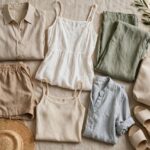
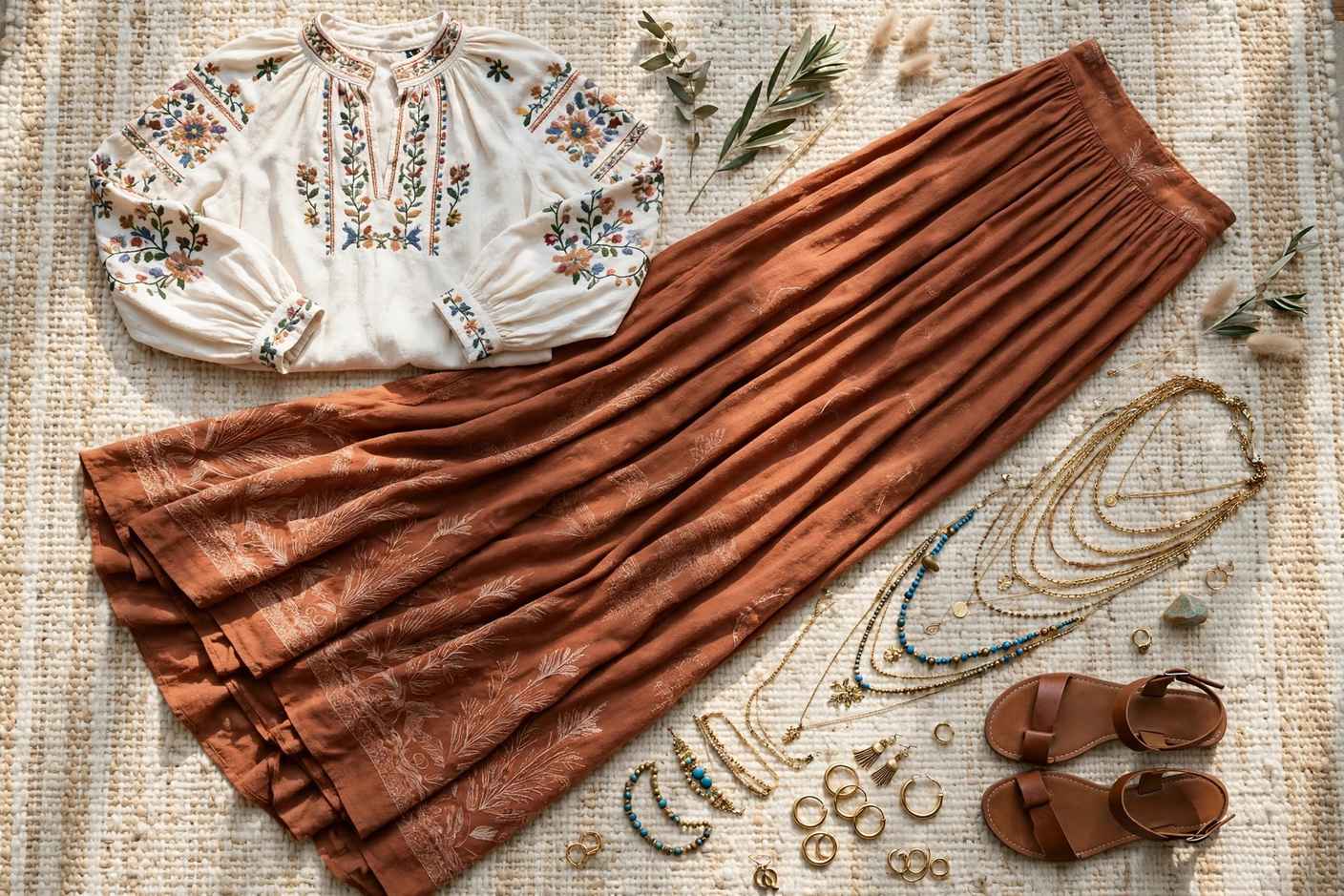
The boho wardrobe is built on a foundation of flowing, comfortable pieces. Maxi dresses and maxi skirts are the centerpiece — long, fluid, in prints or solid earthy tones. Peasant blouses with embroidery or billowy sleeves. Wide-leg trousers and palazzo pants. Crochet or lace-trimmed tops and kimono-style cover-ups. Fringed vests and jackets for layering. Flowy tunics worn over leggings or slim trousers.
Fabrics matter enormously: cotton, linen, rayon, crochet, lace, suede, and natural fibers generally. Boho should feel soft against the skin and move when you move. Stiff, structured fabrics fight the aesthetic — save the tailoring for another mood.
Boho Outfit Formulas That Always Work
If the abundance of boho feels overwhelming, these formulas make it foolproof. Formula one: a printed maxi dress + flat sandals + layered necklaces + a wide-brim hat. Formula two: wide-leg trousers + a tucked-in peasant blouse + a long pendant + ankle boots. Formula three: a midi skirt + a simple fitted top + a fringed or embroidered kimono + sandals. Formula four for cooler weather: skinny or straight jeans + a flowy tunic + an oversized cardigan + suede ankle boots.
Notice the pattern: one flowing statement piece, grounded by something simple, finished with texture-rich accessories. Boho is about the mix, and these formulas give you the mix without the morning guesswork.
Accessories: Where Boho Lives
Honestly? Accessories are at least half of boho style. Layered necklaces in mixed lengths, stacked bracelets, rings on multiple fingers, long pendant necklaces, and natural materials — wood, stone, leather, shell. Hats: wide-brim felt in fall, straw in summer. Bags: slouchy leather hobos, woven totes, fringed crossbodies, embroidered clutches.
Scarves are a boho secret weapon — worn as headbands, tied on bags, draped as shawls, or belted as tops over a base layer in summer. Belts, too: tooled leather, braided, or fabric sashes that define the waist over flowing dresses. The boho eye for accessories is generous; this is the one aesthetic where “one more bracelet” is usually the right call.
Footwear
Boho footwear is flat, comfortable, and earthy: leather sandals, gladiator sandals, suede ankle boots, moccasins, and espadrilles. The shoes should look like they could walk a market in Marrakech — practical, worn-in, with character. Heels are rare in true boho; a low block heel or wedge is the dressiest it gets, and even then, comfort leads.
Boho for Different Seasons
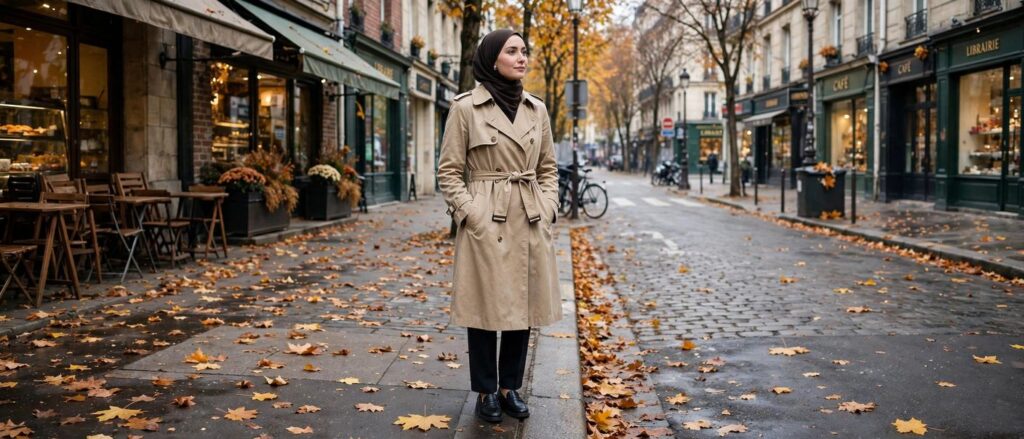
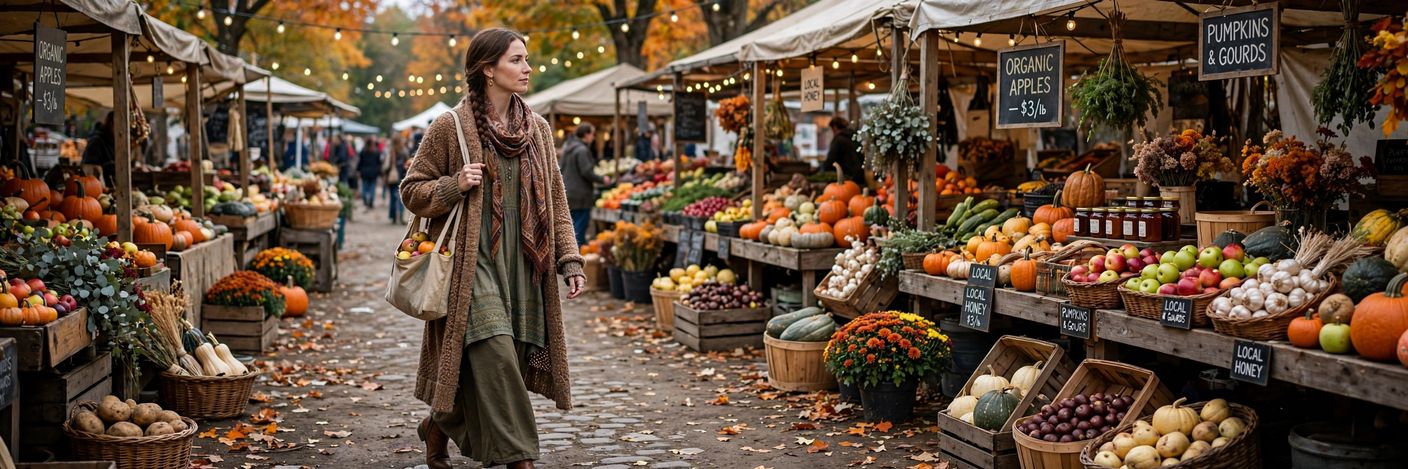
Summer is boho’s home turf: maxi dresses, sandals, straw hats, and bare arms (kept tasteful). Fall brings the layers the aesthetic loves — kimonos over dresses, cardigans, suede boots, felt hats, rich rust and brown tones. Winter boho means long wool skirts, chunky knit sweaters, tall boots, and oversized scarves; the silhouette stays flowing, just warmer. Spring is the transition: lighter layers, floral prints waking up, ankle boots giving way to sandals.
The year-round trick is the third piece — a kimono, a vest, a long cardigan — which adds the boho layer even when the base outfit is simple. A plain dress becomes boho the moment a fringed kimono goes over it.
Boho vs. Hippie: What Is the Difference?
People use “boho” and “hippie” interchangeably, but there is a distinction worth knowing. Hippie style is the 1960s original — political, countercultural, deliberately anti-fashion, with tie-dye, fringe, and flower crowns as statements. Boho is the aesthetic descendant: it keeps the flowing shapes and artisanal textures but drops the ideology and the costume. Modern boho is romantic and artistic; hippie was rebellious. You can love the look without signing up for the movement.
Avoiding the Costume Trap
The risk with boho is going full festival — flower crown, face gems, fringe everything — in everyday life. The modern rule: pick two or three boho elements per outfit, not seven. A maxi dress with sandals and simple jewelry reads as stylish; add the floppy hat, the fringed vest, the layered everything, and the ankle boots, and you have crossed into costume.
Fit matters too. Boho is relaxed, not shapeless. Define the waist with a belt or a tucked-in top, show a little ankle or wrist so the eye has somewhere to rest, and balance volume — a flowing top wants a slimmer bottom, and vice versa. The difference between “effortless” and “sloppy” is usually one intentional detail.
Building a Boho Wardrobe That Lasts
Because boho pieces are often print-heavy, a little planning prevents a closet of beautiful things that do not work together. Choose a base palette — say, rust, cream, olive, and brown — and let most of your pieces live inside it. Then every new print or texture will coordinate. This is essentially a capsule wardrobe in bohemian tones, and it is how you get a closet that mixes endlessly instead of a collection of one-off outfits.
Invest in the pieces you will wear constantly: good leather sandals, a great maxi dress, a versatile kimono. Save on the trend-driven extras. And buy the best fabrics you can afford — boho lives or dies on how things feel and drape, and cheap synthetics betray the whole effect.
Where to Shop for Boho Style
The good news is that boho is one of the easiest aesthetics to shop for, because its best sources are also its most affordable. Thrift and vintage stores are the natural habitat of boho — flowing skirts, embroidered blouses, leather bags, and woven accessories all turn up regularly, often in beautiful natural fabrics that new fast-fashion versions only imitate. Estate sales and flea markets are goldmines for the jewelry.
For new pieces, look to brands built around the aesthetic rather than trend-driven fast fashion doing a seasonal boho capsule. Artisan marketplaces are worth browsing for handmade jewelry, embroidered textiles, and leather goods — the handcrafted quality is the whole point of boho, and a handmade piece carries a character that mass production cannot fake. When you do buy fast fashion, choose natural fabrics and simple cuts; the trendy extras (excessive fringe, plastic “turquoise”) are what make cheap boho look cheap.
And a final shopping principle: buy the silhouette before the print. A well-cut maxi dress in a solid earthy tone will outlast five trendy printed versions, and you can boho it up endlessly with accessories. The prints are the fun part, but the shapes are the foundation.
Boho Beauty: Hair and Makeup
Boho beauty follows the same philosophy as the clothes: natural, soft, a little undone. Hair is loose waves, messy braids, low buns with face-framing pieces, or long and natural. Braids are practically a boho signature — a single loose side braid, crown braids, or tiny accent braids woven into loose hair. Makeup is sun-kissed and minimal: dewy skin, warm blush, bronzer, a nude or berry lip, and softly defined eyes. The goal is to look like you spent the day outdoors in the best possible way, even if you spent it at a desk.
Nails tend toward natural or earthy tones. And fragrance, if you wear it, leans warm and natural — sandalwood, amber, vanilla, patchouli (used with restraint). The overall effect should feel organic rather than constructed.
Frequently Asked Questions
What is boho style in simple terms?
Boho (bohemian) style is a relaxed, artistic fashion aesthetic built on flowing silhouettes, earthy colors, natural fabrics, layered textures, and abundant accessories. It draws on hippie, folk, and vintage influences with a romantic, free-spirited mood.
Can I wear boho style to work?
Yes, in an edited form. A midi skirt with a simple blouse, a tailored blazer over a flowing dress, or wide-leg trousers with a structured top all read as professional with bohemian warmth. Save the full layered look for weekends.
Is boho style still fashionable?
Boho cycles in and out of peak trendiness, but its core — flowing dresses, natural fabrics, layered jewelry — never fully disappears. Worn in its modern, edited form, it reads as timeless rather than dated.
What colors are boho?
Earthy, sun-warmed tones: terracotta, rust, mustard, olive, cream, chocolate brown, dusty rose, with jewel-tone accents like deep teal and burgundy. The palette should feel natural and warm.
How do I start dressing boho on a budget?
Start with accessories — layered necklaces, a woven bag, a scarf — which transform basics you already own. Then add one flowing piece, like a maxi skirt or peasant blouse. Thrift stores are excellent for boho, since the aesthetic favors vintage-feeling pieces.