What Is Sustainable Fashion? A Practical Guide

Fashion is one of the most polluting industries on earth, and also one of the most personal. So what is sustainable fashion? It is an approach to clothing that considers the full life of a garment: how its materials are grown, who makes it and under what conditions, how long it lasts, and what happens to it when you are done with it.
I have covered fashion for over a decade, and I have watched sustainability move from a niche concern to the industry’s defining question. The shift is real, but so is the confusion. This guide cuts through the marketing language to what actually matters when you get dressed in the morning.
What Is Sustainable Fashion, Really?
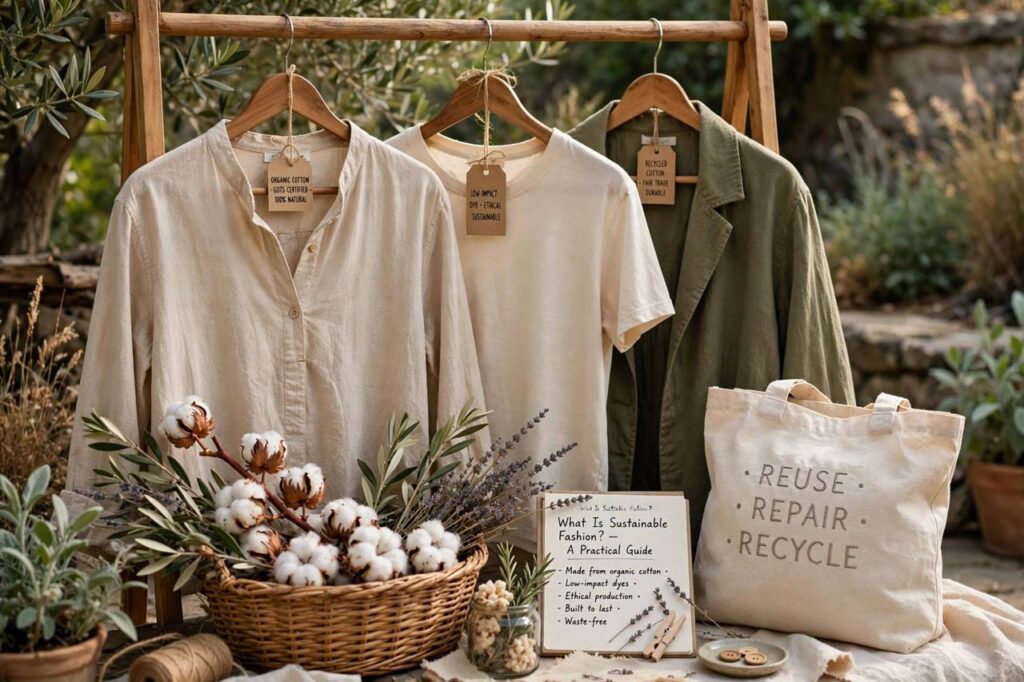
At its core, sustainable fashion means producing and consuming clothes in ways that can continue indefinitely without wrecking the planet or exploiting people. That covers materials (organic cotton, linen, recycled fibers instead of conventional cotton and virgin polyester), manufacturing (less water, fewer chemicals, fair wages), and consumption (buying less, choosing well, wearing longer).
The uncomfortable fact driving the movement: the rise of fast fashion trained shoppers to treat clothing as disposable. When a shirt costs less than a sandwich, nobody mends it. Sustainable fashion pushes back by restoring the idea that clothes have value, that a well-made coat you wear for ten years beats five cheap ones you discard.
It is worth distinguishing sustainability from its cousins. “Ethical fashion” focuses more on labor conditions. “Slow fashion” is about the pace of consumption. “Circular fashion” is about designing garments to be reused or recycled. Sustainable fashion is the umbrella term covering all of it.
The Problems It Is Trying to Solve
Textile production consumes enormous amounts of water; growing conventional cotton and dyeing fabric are among the thirstiest industrial processes in the world. Synthetic fabrics shed microplastics with every wash, which end up in waterways and oceans. And the sheer volume is staggering: millions of tons of clothing are discarded every year, much of it barely worn.
On the human side, the race for cheaper clothes has pushed manufacturing into regions with weak labor protections, where garment workers, overwhelmingly women, earn very little for long hours in poor conditions. Any honest definition of sustainability has to include the people who make the clothes, not just the fibers they are made from.
None of this means you should feel guilty every time you shop. It means the system has costs that the price tag hides, and sustainable fashion is the attempt to make those costs visible and then reduce them.
What Sustainable Materials Actually Mean
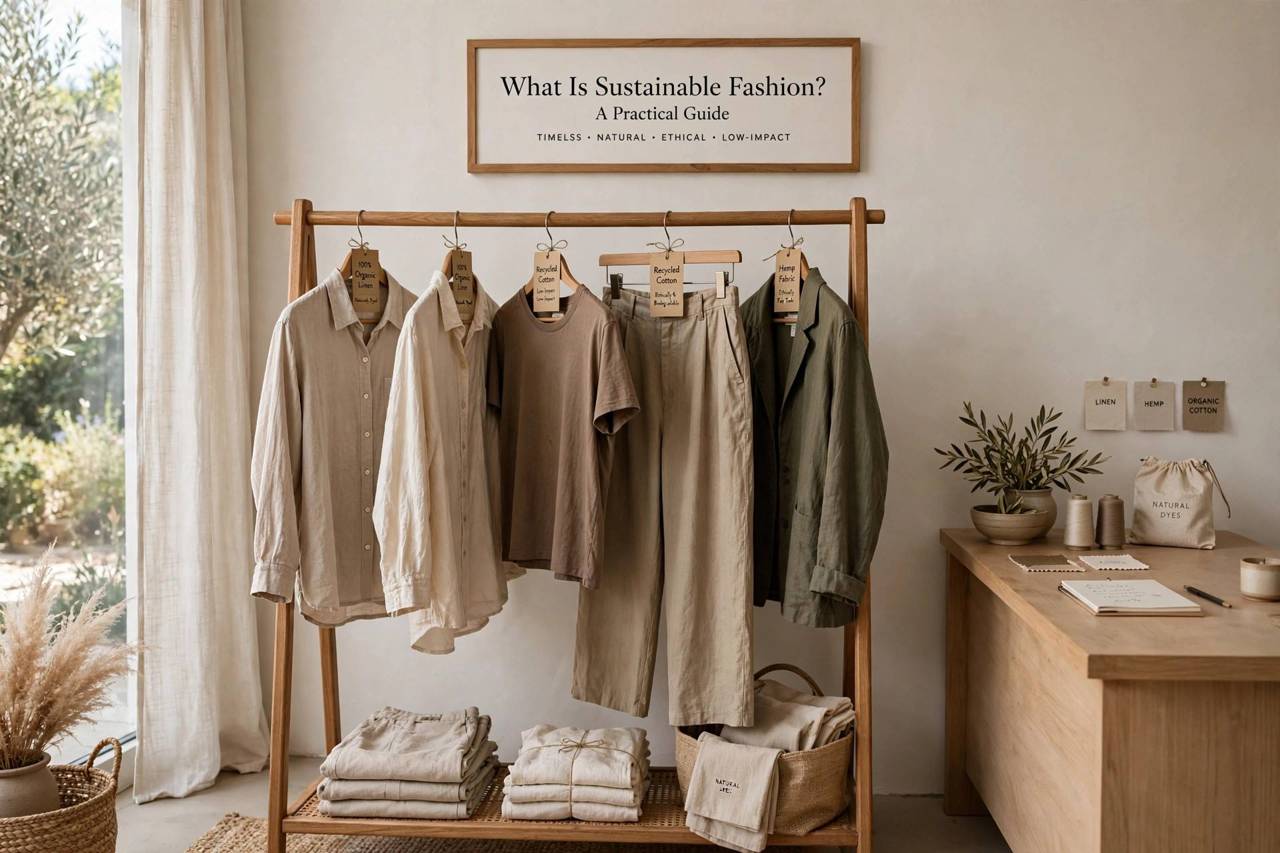
Organic cotton is grown without synthetic pesticides, which is better for soil and farmworkers, though it still uses significant water. Linen, made from flax, is one of the most sustainable traditional fabrics: the plant needs little water and nearly all of it gets used. Hemp is similarly hardy and durable.
Recycled fibers, like recycled polyester made from plastic bottles or recycled wool, keep materials in circulation instead of landfills. They are not perfect, recycled synthetics still shed microfibers, but they beat virgin production. Newer innovations like fabrics made from agricultural waste or lab-grown materials are promising but still small-scale.
The material hierarchy matters less than most marketing suggests, though. A conventional cotton shirt you wear two hundred times is more sustainable than an organic one you wear twice. Longevity beats labels almost every time.
How to Build a More Sustainable Wardrobe
Start with the least glamorous step: buy less. Before purchasing, ask whether you will wear it at least thirty times. This single question eliminates most impulse buys, and impulse buys are the engine of fast fashion.
Second, buy secondhand first. Vintage and thrift stores, resale platforms, and clothing swaps give garments a second life with zero new production. Some of my favorite pieces are decades old and better made than anything new at the same price.
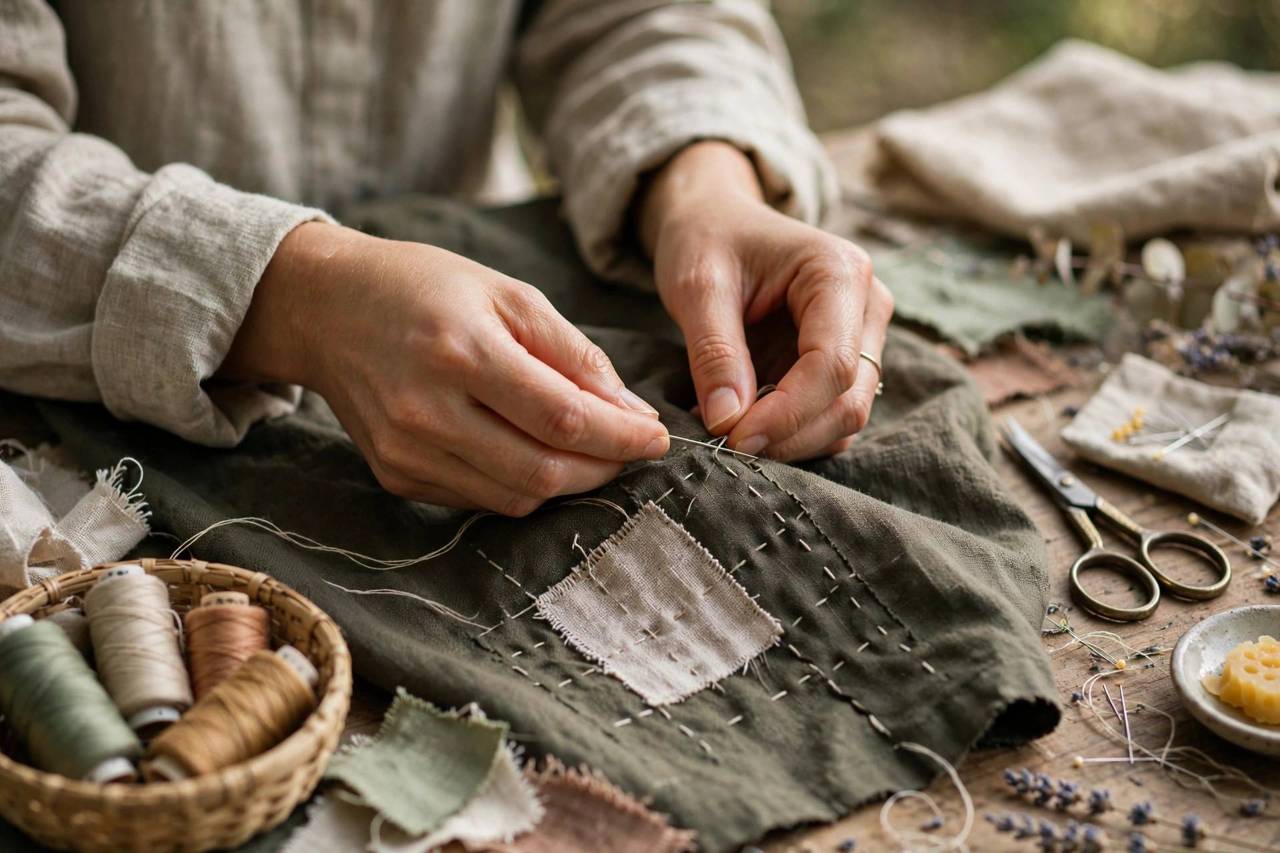
Third, learn basic care and repair. Wash cold, air dry when you can, and learn to sew on a button or mend a seam. Extending a garment’s life by even a few months meaningfully reduces its footprint. A good tailor is a sustainability tool.
Fourth, when you do buy new, choose brands that publish their supply chains, use certified materials, and make clothes built to last. how to dress like a celebrity on a budget is a fun read on personal style, and the same principle applies: great style comes from knowing what suits you, not from chasing every trend.
Greenwashing: How to Spot It
As sustainability became fashionable, so did pretending. Greenwashing is when brands market themselves as eco-friendly without meaningful change. Watch for vague claims like “eco” or “conscious” with no specifics, tiny “sustainable” capsule collections from brands whose main business is fast fashion, and a focus on one green attribute while ignoring everything else.
Credible signals include third-party certifications, published supplier lists, specific numbers (not adjectives), and take-back or repair programs. If a brand cannot tell you where its clothes are made, its sustainability claims are decoration.
The most honest question you can ask of any “sustainable” product is whether the company wants you to buy less overall. A brand that truly prioritizes the planet will sometimes tell you not to buy its new thing. That is rare, and worth rewarding.
The True Cost of a Five-Dollar Shirt
Follow a cheap shirt backward and the math gets uncomfortable. The cotton was grown with heavy water and pesticide use, spun and sewn by workers earning a fraction of a living wage, dyed with chemicals that polluted a river, shipped across an ocean, and sold at a price that cannot possibly cover those costs honestly. The five dollars you paid is not the real price; it is the price after everyone and everything else absorbed the difference.
This is the core argument of sustainable fashion, stripped of jargon: prices lie. When clothing is absurdly cheap, the discount was taken out of water tables, workers’ wages, and landfill space. Sustainable fashion asks the price to tell the truth, even if the truth costs more.
Understanding this reframes every purchase. A thirty-dollar shirt from a transparent brand is not expensive; it is honest. The five-dollar alternative was never actually five dollars. Somebody paid the rest, just not you.
Where to Start: Thrift, Tailor, Repeat
If the whole topic feels overwhelming, shrink it to three habits. First, thrift before buying new. Secondhand stores, resale apps, and vintage shops offer better quality per dollar than fast fashion, with zero new production. Make thrifting your default and new purchases the exception.
Second, befriend a tailor. A twenty-dollar alteration can make a thrifted blazer fit like it was made for you, and repairing a quality garment beats replacing it every time. Tailoring was once ordinary maintenance; reclaiming it is quietly radical.
Third, build around what you already own. Most wardrobes contain the skeleton of a sustainable closet: it just needs editing, not replacing. Identify the pieces you actually wear, fill genuine gaps with secondhand or ethical new pieces, and let the rest go to someone who will wear it.
The Industry’s Slow Turnaround
Change is happening, unevenly. Major brands now publish supplier lists, experiment with resale programs, and invest in textile recycling, partly from conviction and partly because regulation is coming. The European Union has moved toward rules on textile waste and supply-chain transparency that will reshape how global brands operate.
Textile-to-textile recycling, turning old garments into new fabric at scale, remains the holy grail: technically difficult but advancing. Rental and resale models keep growing, normalizing the idea that you do not need to own every trend. None of this fixes the volume problem alone, but the direction is encouraging.
Stay skeptical but not cynical. Reward brands that publish specifics, ignore brands that publish adjectives, and remember that your own buying habits are a vote cast daily. The industry follows the money; make sure yours points somewhere worth going.
Capsule Wardrobes: The Sustainable Shortcut
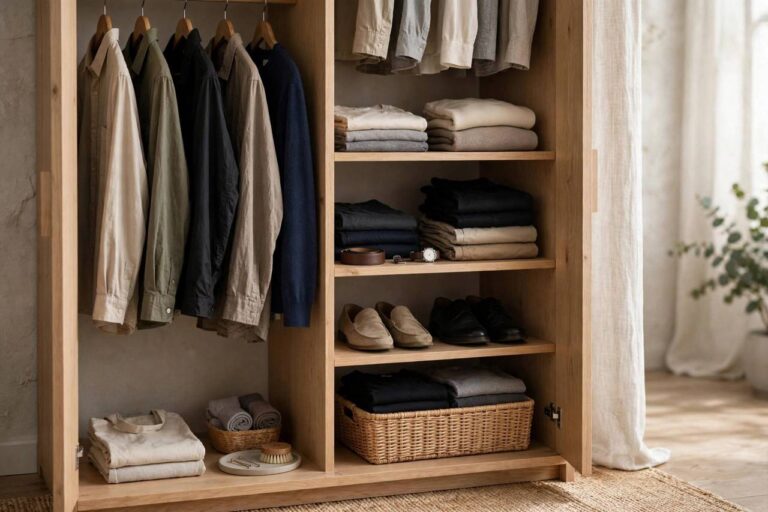
The capsule wardrobe, a small collection of versatile pieces that all work together, is sustainable fashion’s most practical trick. Thirty or so items, chosen in a coherent palette, can produce months of outfits without a single impulse buy. It replaces the anxiety of a full closet with the calm of a curated one.
Building one starts with an audit. Pull everything out, note what you actually wear, and identify the gaps: the missing layer, the shoes that go with everything, the bag that works daily. Fill gaps secondhand first, new and ethical second, and slowly.
The psychological shift is the real prize. When every piece fits, flatters, and coordinates, getting dressed stops being a daily negotiation. People with capsule wardrobes consistently report spending less, wasting less, and feeling better dressed. It is minimalism with a purpose beyond aesthetics.
Frequently Asked Questions
What is sustainable fashion in simple terms?
It is making, buying, and wearing clothes in ways that protect the environment and treat workers fairly: better materials, less waste, longer-lasting garments, and more thoughtful consumption.
Is sustainable fashion more expensive?
Per item, often yes, because fair labor and better materials cost more. Per wear, usually no: a well-made piece worn for years costs less than replacing cheap ones repeatedly.
What is the difference between sustainable and ethical fashion?
Sustainable fashion emphasizes environmental impact, while ethical fashion emphasizes labor conditions and workers’ rights. In practice the terms overlap heavily, and the best brands address both.
Can fast fashion ever be sustainable?
The business model itself, built on huge volumes and rapid turnover, works against sustainability. Some fast-fashion brands make genuine improvements, but buying less from them matters more than their green collections.
What is the easiest first step toward sustainable fashion?
Wear what you already own longer, and buy secondhand before buying new. Those two habits reduce your fashion footprint more than any single “eco” purchase.
What are the most sustainable fabrics?
Linen and hemp are among the strongest choices: both grow with minimal water and pesticides. Organic cotton is better than conventional cotton, though still thirsty. Recycled wool and recycled polyester keep materials in circulation. But the most sustainable fabric is the one already in your closet; wearing existing clothes longer beats any new purchase.