What Does a Notary Do? Everything You Need to Know

You need a document notarized. Maybe it’s for a house purchase, a power of attorney, or an affidavit — and suddenly you’re Googling “notary near me” without really knowing what a notary actually does, why you need one, or what to expect when you get there. It’s one of those things everyone encounters eventually and nobody explains beforehand. So let me explain it properly: what does a notary do, why the role matters, and how to get something notarized without any surprises.
What Does a Notary Do? The Core Role
A notary public is a person authorized by the state (or relevant jurisdiction) to serve as an impartial witness to the signing of important documents. Their job boils down to three functions:
1. Verify identity. The notary confirms that the person signing is genuinely who they claim to be — typically by checking a government-issued photo ID. This is the front line of defense against impersonation and forgery.
2. Witness the signing. The notary watches you sign (or watches you acknowledge a signature you already made) to confirm it was done willingly, without coercion, and by the right person.
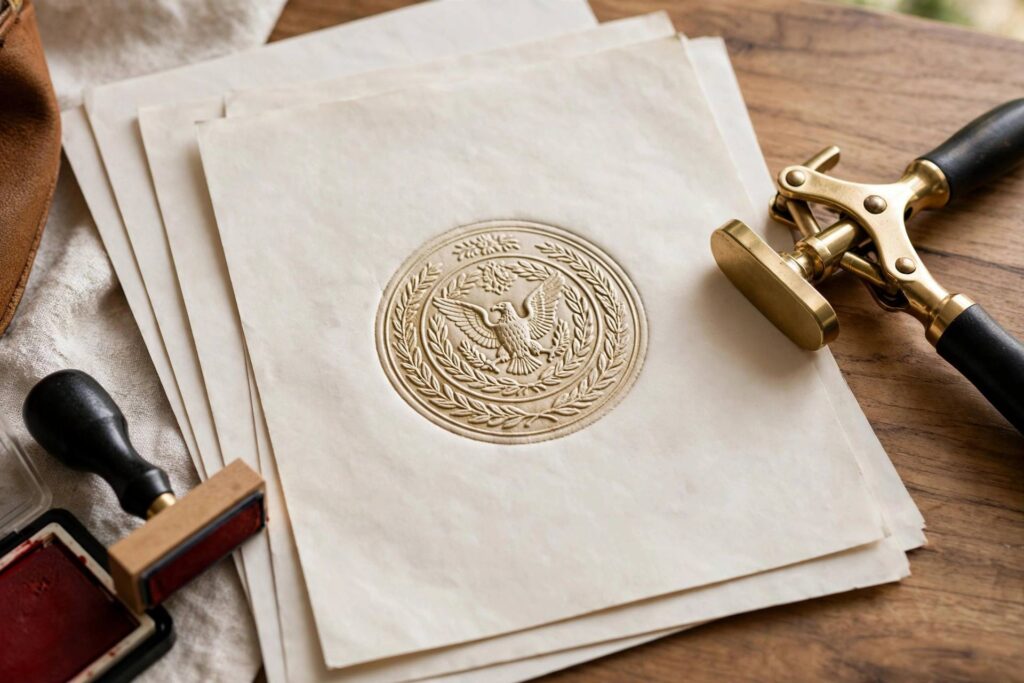
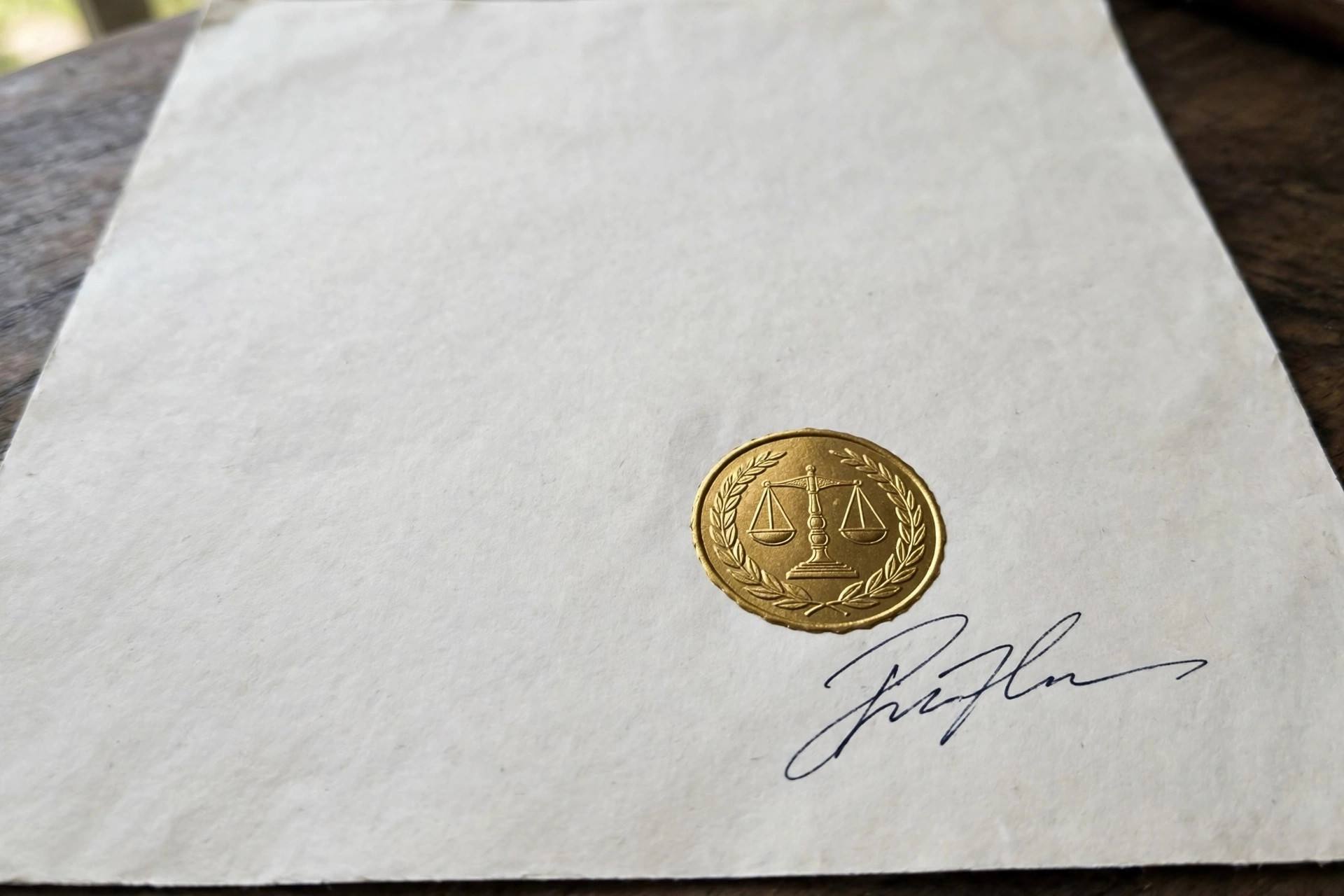
3. Certify the act. The notary completes a notarial certificate and affixes their official seal or stamp, creating a formal record that the notarization took place. They also record the act in their notary journal — a logbook that can be referenced years later if the document’s authenticity is ever questioned.
That’s the essence of it. A notary doesn’t vouch for whether your document’s contents are true, fair, or legally sound — they vouch for the integrity of the signing process itself. Think of them as a referee for signatures: they don’t judge the game, they certify that it was played properly. That’s the simplest answer to what does a notary do.
Why Notarization Exists (And Why It Matters)
Notarization exists to prevent fraud — and it works remarkably well for such a simple process. Consider what it stops:
- Impersonation: Someone can’t easily forge your signature on a property deed if a notary must check ID and watch the signing.
- Coercion: The notary’s presence (and their duty to assess willingness) makes it much harder to force someone to sign under duress.
- Disputes about authenticity: Years later, if someone claims “I never signed that,” the notary’s journal entry and seal provide powerful evidence to the contrary.
- Backdating and tampering: The notarial certificate dates the act, anchoring the document in time.
This is why lenders, courts, and government agencies require notarization for high-stakes documents. The small inconvenience of visiting a notary buys an enormous amount of trust in the document — trust that holds up in court if it ever needs to.

Common Documents That Need Notarization
- Real estate documents: deeds, mortgage paperwork, refinancing documents
- Powers of attorney (financial and medical)
- Wills and trusts (requirements vary by jurisdiction — some need notarization, others need witnesses)
- Affidavits and sworn statements
- Vehicle title transfers (in some states)
- Business contracts and agreements (when parties want extra evidentiary weight)
- Passport applications for minors and parental consent forms
- Healthcare directives and living wills
- Copies certified as true copies of original documents
Not every important document needs notarization — many contracts are perfectly valid with just signatures. Notarization is typically required either by law (for specific document types) or by the receiving party (a bank, court, or agency that wants the extra assurance). When in doubt, ask whoever is requesting the document.
The Main Types of Notarial Acts
“Notarizing” isn’t one single thing — there are several distinct acts a notary can perform:
Acknowledgments: The most common. You sign the document (or confirm you signed it), the notary verifies your identity, and certifies that you acknowledged signing willingly. Used for deeds, powers of attorney, and most general documents.
Jurats (oaths/affirmations): You swear or affirm that the contents of the document are true, then sign in the notary’s presence. Used for affidavits and sworn statements. The notary must actually see you sign for a jurat — no pre-signing allowed.
Copy certifications: The notary certifies that a photocopy is a true and complete copy of the original. (Not available for all document types in all jurisdictions — vital records like birth certificates usually must come from the issuing agency.)
Oaths and affirmations: Administering a verbal oath, sometimes standalone from any document.
You don’t need to memorize these — just bring your document unsigned and let the notary guide you. But knowing the terms helps you understand what’s happening and why.
How to Get Something Notarized: Step by Step
- Don’t sign the document yet. This is the number one mistake. Most notarial acts require the notary to witness your signature — sign early and you’ll have to start over (or at minimum, re-acknowledge). Bring it unsigned.
- Bring valid photo ID. A driver’s license, state ID, or passport is standard. The ID must be current (not expired) and generally government-issued. Check your jurisdiction’s accepted ID list if you only have something unusual.
- Bring the complete document. Notaries generally won’t notarize incomplete documents with blank spaces — blanks invite fraud. Fill in everything except the signature lines.
- Find a notary. Banks, UPS stores, law offices, and AAA offices commonly offer notary services. Many banks notarize for free for account holders. Mobile notaries will come to you for a travel fee. Online notarization (RON — remote online notarization) is now legal in many jurisdictions and works via video call.
- Sign in front of the notary (or acknowledge your signature), answer their questions, and they’ll complete the certificate and seal.
- Pay the fee. Notary fees are set by law in most jurisdictions and are modest — typically a few dollars per signature, though mobile and online services cost more.

What a Notary Cannot Do
Clearing up common misconceptions:
- They can’t give legal advice (unless they’re also a licensed attorney). They won’t tell you whether your document is a good idea or explain what it means — that’s a lawyer’s job.
- They can’t notarize their own documents or documents in which they have a personal interest. Impartiality is the whole point.
- They can’t certify the truth of your document’s contents. A notarized lie is still a lie — the notary only certifies the signing.
- They can’t notarize without you present. No exceptions, no “my spouse will bring my ID.” The signer must appear personally (in person or via authorized remote notarization).
- They can’t backdate or pre-date. The certificate reflects when the act actually occurred.
Online and Mobile Notarization
The notary world has modernized. Remote Online Notarization (RON) lets you complete notarizations via live video call with identity verification technology — available in a growing number of jurisdictions and especially useful for real estate closings and time-sensitive documents. Mobile notaries travel to your home, office, or hospital — invaluable when the signer can’t easily travel (a common need for healthcare documents and powers of attorney for elderly family members).
Both options cost more than a walk-in visit, but the convenience is often worth it. Just verify that the type of notarization you need is permitted remotely in your jurisdiction — some document types still require in-person notarization.
How to Become a Notary (Briefly)
Curious about the other side of the desk? Becoming a notary public typically involves: meeting your jurisdiction’s eligibility requirements (age, residency, clean record), completing any required training or exam, submitting an application with a fee, obtaining a notary bond and seal, and taking an oath of office. It’s a commission, not a job — most notaries do it as an add-on to another role (banking, law offices, real estate). The process varies significantly by jurisdiction, so check your secretary of state’s website for specifics.
Notary vs. Witness vs. Lawyer: Who Does What?
These roles get confused constantly, so let’s untangle them. A witness is simply someone who watches you sign and then signs themselves to confirm it happened — no special authority required, though witnesses usually must be disinterested adults. A notary is a state-commissioned official who verifies identity, witnesses the signing, and creates a formal certified record with a seal — a significantly stronger form of authentication. A lawyer advises you on what the document means and whether you should sign it at all.
In practice, these roles stack: your lawyer drafts and explains the document, you sign it in front of a notary (and sometimes additional witnesses, depending on the document type and jurisdiction), and the notary’s seal gives everyone — courts, banks, agencies — confidence in the result. If someone tells you to “get it notarized,” they want the middle layer: formal, identity-verified, fraud-resistant authentication of your signature.
A practical tip: before you visit a notary, call ahead and ask exactly which form of ID they accept and whether you need to bring witnesses. Requirements vary by state and by document type, and a five-minute phone call can save you a second trip. Most notaries are happy to walk you through the checklist in advance.
FAQ
Do I need an appointment to see a notary?
Usually not — banks, UPS stores, and similar walk-in locations typically accept walk-ins during business hours. For mobile notaries or complex multi-document signings (like real estate closings), scheduling ahead is wise. Call first if you’re making a special trip.
What ID do I need for notarization?
A current, government-issued photo ID — driver’s license, state ID card, or passport are the standards. It must not be expired. If you don’t have standard ID, ask the notary in advance about alternatives; some jurisdictions allow credible witnesses to vouch for identity.
Can a notary notarize a document in another language?
Generally yes, as long as the notarial certificate itself is in a language the notary understands and the notary can communicate with the signer. However, the notary won’t translate or explain the document’s contents — if you don’t understand what you’re signing, get it translated and reviewed first.
How much does notarization cost?
Walk-in notary fees are set by law in most jurisdictions and are quite low — often just a few dollars per signature or per notarial act. Mobile notaries charge additional travel fees, and online notarization services charge a premium for the technology and convenience.
Can a family member notarize my document?
Only if they’re a commissioned notary and have no personal interest in the document. A notary cannot notarize documents where they are a party, stand to benefit, or have a conflict of interest — and many jurisdictions specifically restrict notarizing for close family members. When in doubt, use an independent notary.