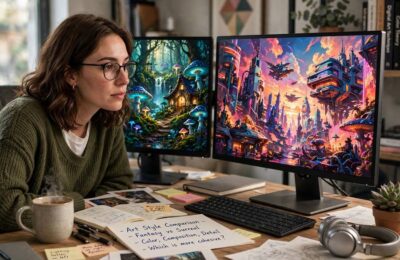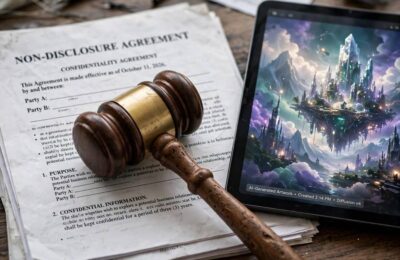
A designer friend sold a client a logo built on a Midjourney base image. The client loved it, paid for it, put it on packaging — and then someone asked who owned the image, and the room went quiet. Nobody had checked. That quiet moment is why this guide exists.
The Midjourney commercial use policy determines what you can legally do with the images you generate: sell them, use them for clients, put them on merchandise. The rules are more generous than most people expect — and more nuanced than most people check. I’m not a lawyer and this isn’t legal advice; it’s a plain-English map of the policy so you know which questions to ask one. The tool itself is covered in how Midjourney works and how to use Midjourney.
Table of Contents
- The Short Answer: Paid Plans Can, Free Cannot
- Who Owns a Midjourney Image?
- What “Commercial Use” Actually Covers
- The Company-Size Catch
- Client Work: What Freelancers Must Know
- What the Policy Doesn’t Protect You From
- Trademarks, Faces, and Styles: The Real Risks
- Practical Checklist Before You Sell
- Can You Trademark an AI Image?
- What Happens When the Rules Change
- Frequently Asked Questions
The Short Answer: Paid Plans Can, Free Cannot
The core rule is simple: paid subscribers get commercial usage rights; free-tier users don’t. If you’re paying for any Midjourney plan, the terms grant you rights to use generated images commercially — in ads, products, client work, merchandise. If you’re on a free tier (where available), your images are for personal, non-commercial use only.
This is the single most important line in the policy, and the one people violate most often by accident — generating on a lapsed subscription or a free account, then using the image in a business context. Commercial use requires an active paid subscription at the time of generation. Keep your subscription current for any project with commercial intent; the cost is trivial compared to the alternative.
Who Owns a Midjourney Image?
Here’s where it gets philosophically interesting. Midjourney’s terms grant you ownership of the images you create as a paid subscriber — you own the assets. But “ownership” in AI-generated imagery sits inside a larger legal fog: in some jurisdictions, purely AI-generated works may not qualify for copyright protection at all, meaning your “ownership” might not stop others from using similar images.
The practical takeaway: you own the image per the terms of service, which covers your right to use and sell it. Whether you can prevent others from copying it is a separate, jurisdiction-dependent question currently being litigated worldwide. For most commercial uses — marketing, products, client deliverables — the terms-of-service ownership is what matters. For building a defensible IP moat around AI imagery, talk to an actual IP lawyer. The creativity debate underneath is explored in can AI make art.
What “Commercial Use” Actually Covers
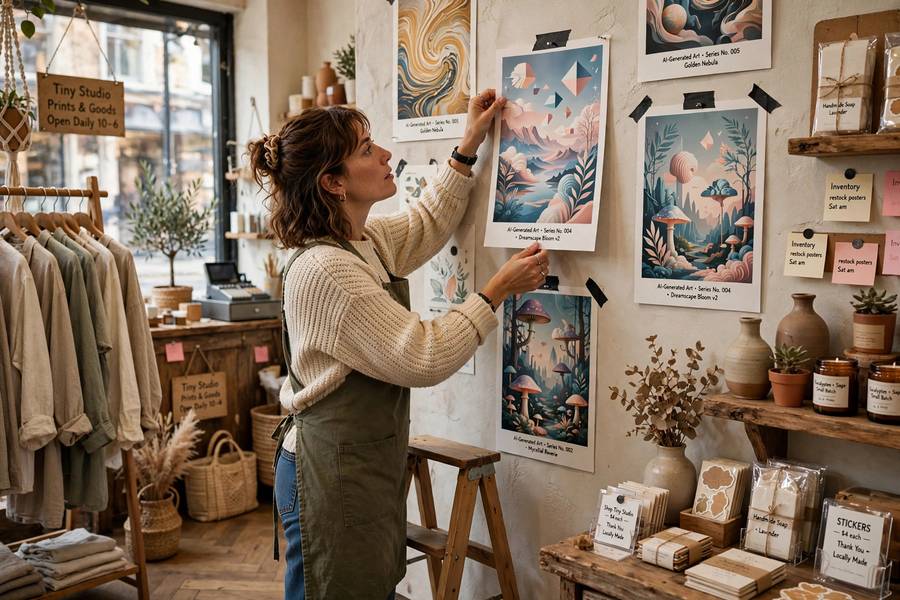
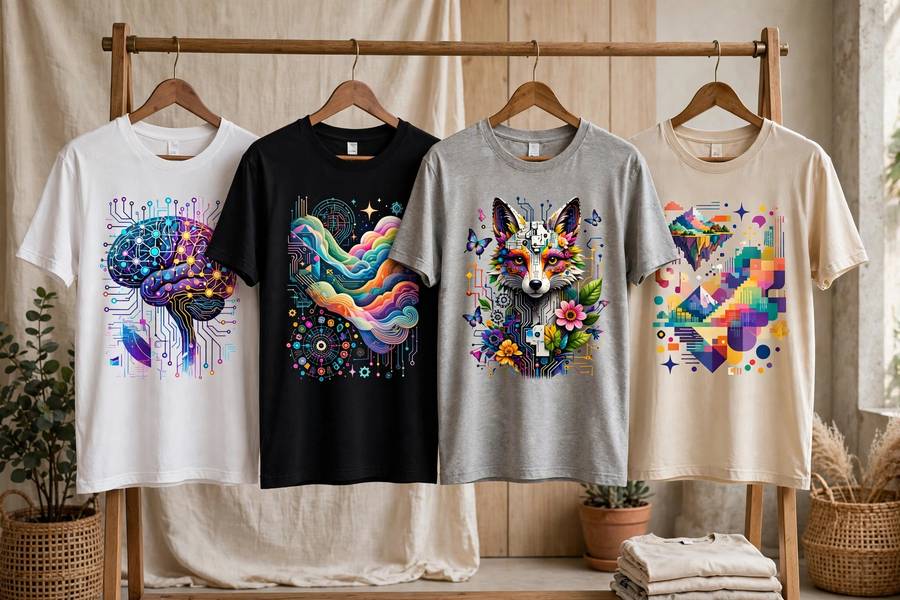
Commercial use under the policy is broad: advertising, marketing materials, website graphics, social content for business accounts, book covers, merchandise (t-shirts, posters, mugs), product packaging, video thumbnails, and client deliverables. If money touches it — directly or indirectly — and you’re a paid subscriber, you’re covered by the license grant.
What’s not covered: anything violating the content policy (no circumventing moderation for commercial gain), and uses that infringe others’ rights (more on that below). The license gives you Midjourney’s permission; it doesn’t give you everyone else’s. That distinction is the entire second half of this guide.
The Company-Size Catch
Read the fine print and you’ll find a revenue threshold: companies above a certain annual revenue need the higher-tier plans (Pro or Mega) for commercial use, not the basic tiers. The threshold has been set at levels targeting genuinely large companies, and it changes — check the current terms.
For freelancers, small businesses, and startups, this rarely bites. But if you’re generating images on behalf of a large employer or enterprise client, verify which tier covers you. “My personal Basic subscription” generating assets for a billion-dollar company’s campaign is exactly the scenario the clause exists for. When in doubt, the Pro tier is the safe harbor.
Client Work: What Freelancers Must Know
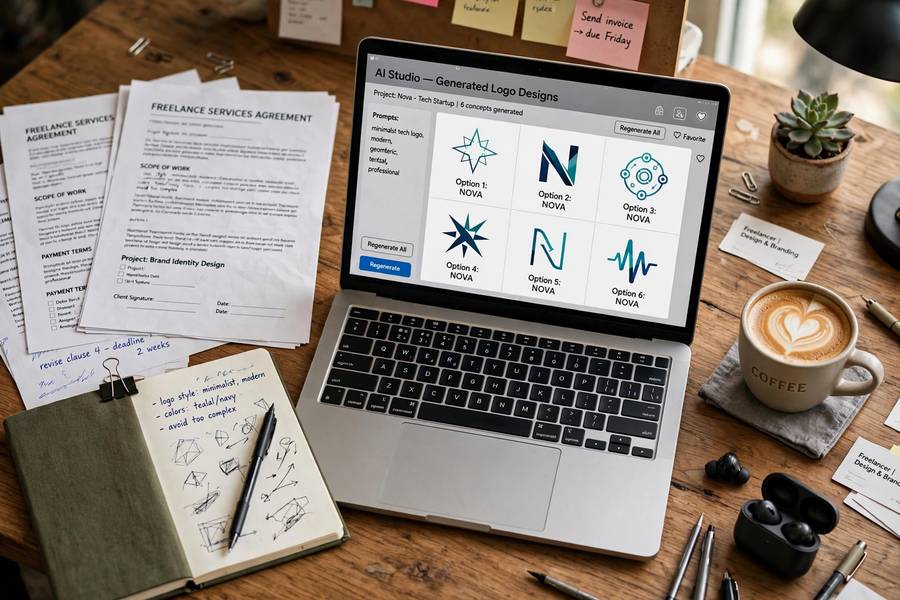
Freelancers live in the trickiest corner of this policy. Key points: you may create images for clients commercially as a paid subscriber. But clarify ownership transfer in your contract — does the client own the final image, or license it? Midjourney’s terms grant rights to the subscriber (you); transferring those rights to a client is a contractual matter between you two.
Smart practice: include an AI-imagery clause in your contracts stating what was AI-generated, what rights transfer, and that the client accepts the IP limitations of AI-generated work. Clients are increasingly asking “was this AI-made?” — disclose upfront rather than during the awkward quiet moment my friend experienced. Transparency here is professional armor.

What the Policy Doesn’t Protect You From
Critical understanding: Midjourney’s commercial license protects you from Midjourney — they won’t come after you for using images per the terms. It does not protect you from third-party claims. If your generated image resembles a copyrighted character, a real person’s likeness, a trademarked logo, or a living artist’s distinctive style used commercially, the rights-holder can still object. The license is between you and Midjourney; the rest of the world’s IP rights still apply.
This is also why indemnification matters: unlike some enterprise AI tools that offer legal indemnity for generated content, Midjourney’s terms place the risk assessment on you. Enterprise users with legal departments care about this distinction enormously.
Trademarks, Faces, and Styles: The Real Risks
The practical risk ranking, from my observation: trademarks and logos — highest risk; a generated image with a recognizable brand mark used commercially is asking for a cease-and-desist. Real people’s faces — generating recognizable real individuals for commercial use invites right-of-publicity claims; don’t. Copyrighted characters — the mouse-eared elephant in the room; fan-art-style generations used commercially are infringement with extra steps. Artist styles — murkiest area; mimicking a living artist’s style for commercial work is ethically dubious and legally untested, and “untested” is not the same as “safe.”
Mitigation is straightforward: keep generations original, avoid prompts referencing real brands/people/characters for commercial projects, and add human creative input (editing, compositing) which strengthens your position everywhere.
Practical Checklist Before You Sell
Run through this before any commercial use: ☐ Generated on an active paid subscription? ☐ Your plan tier covers your (or your client’s) company size? ☐ Image contains no recognizable trademarks, real faces, or copyrighted characters? ☐ Not mimicking a living artist’s signature style? ☐ Client contract addresses AI-generated assets and rights transfer? ☐ Content complies with Midjourney’s moderation policy? If all boxes check, you’re on solid ground per the current terms. If any don’t, fix it before money changes hands — afterward is always more expensive.
Can You Trademark an AI Image?
A question I get constantly: can an AI-generated logo be trademarked? The honest answer is “it’s complicated and evolving.” Trademark law cares about distinctiveness and use in commerce, not about how the mark was created — which is more favorable than copyright’s human-authorship requirements. A distinctive AI-generated logo used consistently in business can function as a trademark in many jurisdictions.
But complications abound. If the image resembles existing marks, registration fails. If it’s too generic — and AI tends toward the generic — it may lack distinctiveness. And some trademark offices are now asking about AI involvement in applications. My practical advice: AI is excellent for logo exploration and concepting, but for a mark you’ll build a business on, have a human designer refine and finalize it. The human touch strengthens both the design and the legal position. For anything beyond a casual project, this is lawyer territory, not blog-post territory.
What Happens When the Rules Change
AI policy is a moving target — terms of service update, laws evolve, court cases set precedents. What protects you is process, not any single reading of today’s rules. Keep records: which images you generated, on what subscription tier, on what dates, for what projects. If terms change retroactively or a dispute arises, contemporaneous records are your evidence.
Stay current efficiently: skim Midjourney’s terms annually (they email about material changes — actually read those emails), and follow one reliable source on AI IP law rather than social media panic. And build your workflows defensively: prefer original concepts over style mimicry, keep human creative input in the loop, maintain licenses for anything commercial. The creators who’ll navigate the next five years smoothly aren’t the ones who memorized today’s policy — they’re the ones whose practices are robust under any reasonable version of tomorrow’s.
Frequently Asked Questions
Yes, if you’re a paid subscriber — paid plans grant commercial usage rights including ads, merchandise, and client work. Free-tier images are for non-commercial use only. Large companies may need Pro or Mega tiers.
Per Midjourney’s terms, paid subscribers own the images they create. However, AI-generated works may not qualify for copyright protection in some jurisdictions, so “ownership” under the terms and enforceable copyright are different things.
Yes, paid subscribers can create images for clients. Clarify rights transfer in your contract, disclose AI generation upfront, and note the IP limitations of AI-generated work to avoid disputes later.
No. The license covers your relationship with Midjourney only. If your image infringes a third party’s trademark, likeness rights, or copyright (characters, logos, real faces), those rights-holders can still take action.
Yes, as a paid subscriber, merchandise is covered under commercial use. Ensure the designs are original — no recognizable brands, characters, or real people — and that your plan tier covers your business size.
Keep reading: