How to Stop a Door From Squeaking (Ranked: Which Household Fix Lasts Longest)

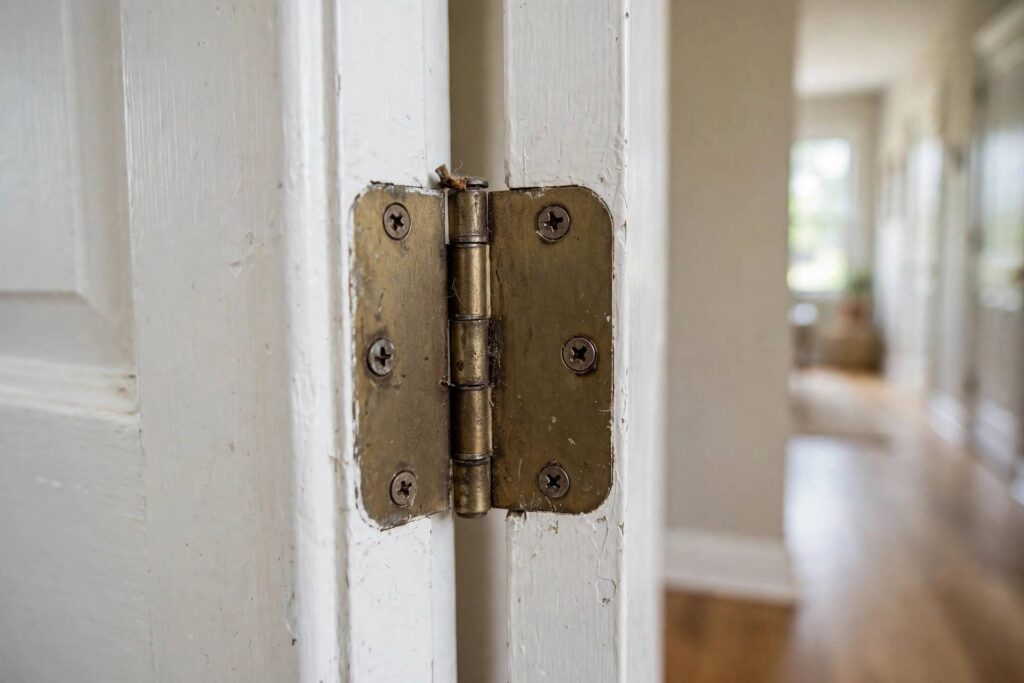
Figuring out how to stop a door from squeaking is one of those tiny household victories that feels disproportionately good. That awful hinge shriek at 2 a.m. — every parent, every light sleeper, every person with a napping baby knows it. I have tried every folk remedy people swear by, and I am going to be honest with you about which ones actually work, how long each lasts, and the one method that fixes the problem for good.
Here is the thing most articles skip: a squeak means metal rubbing on metal inside the hinge, usually because the factory lubricant dried up or dust worked its way in. You are not really “fixing a door” — you are re-lubricating a hinge. And not all lubricants are equal. Some last a week. One lasts years. Let me rank them from my own doors.
The Quick Fixes, Ranked by How Long They Last
I tested these on the same chronically squeaky bathroom door over the course of a year. Your mileage may vary slightly, but the ranking holds.
5. Olive oil (lasts 1–2 weeks)
Olive oil is the fix everyone tries first because it is already in the kitchen. A few drops on the hinge pin, swing the door a few times, and the squeak vanishes. It feels like magic. Then it comes back. Cooking oils go rancid and gummy over time, attracting dust that makes the problem worse. Use it at midnight when the baby is asleep and you need silence now — but know you will be doing it again in two weeks.
4. Bar soap or petroleum jelly (lasts 2–4 weeks)
Rubbing a dry bar of soap on the hinge pin, or dabbing on petroleum jelly, buys you a few quiet weeks. Soap is clean and easy but washes away with humidity. Petroleum jelly is better — it stays put longer — but it is thick and attracts dust, which eventually grinds back into a squeak. Fine for a guest room door you rarely open.
3. Candle wax or paraffin (lasts 1–3 months)
This one surprised me. Rubbing a plain candle along the hinge pin deposits a waxy coating that is dry to the touch, so it does not attract dust the way oils do. It lasts a respectable month or three on a moderately used door. The downside: getting wax into the actual pin barrel is fiddly, and on a heavily used front door it wears off faster.
2. Graphite powder (lasts 3–6 months)
Graphite is the dry lubricant locksmiths love, and it is excellent on hinges. A puff of graphite powder into the hinge knuckle gives you months of silence with zero mess and zero dust attraction. The catch is the mess during application — graphite is black, it stains, and if you puff too hard you will have gray fingerprints on the doorframe for a week. Apply carefully with the nozzle, wipe immediately, and it is superb.
1. Silicone spray or white lithium grease (lasts 6–12+ months)
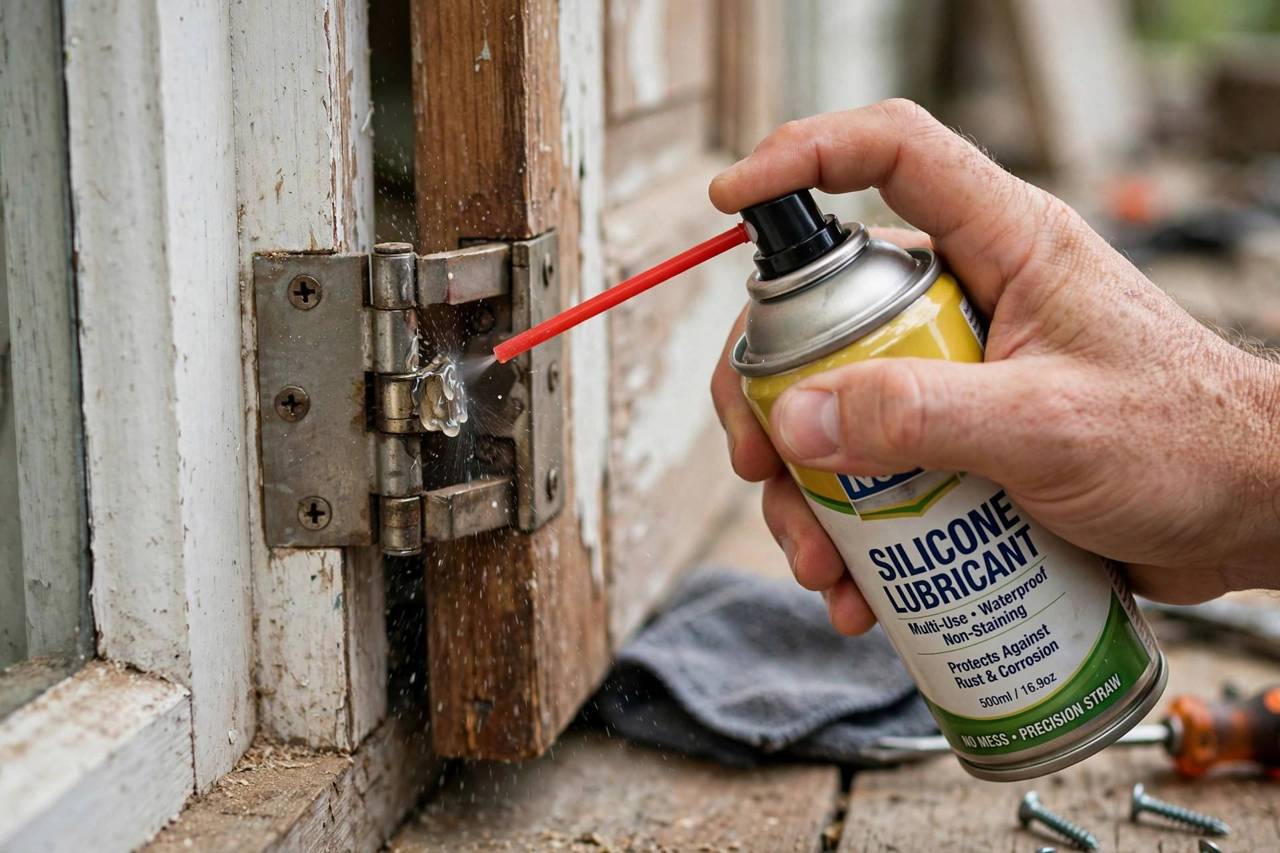
The winner, and it is not close. A proper silicone-based lubricant or white lithium grease is what the hinge wanted all along. One application on my front door lasted over a year. Silicone spray with the little straw nozzle gets right into the hinge barrel. White lithium grease is thicker and even longer-lasting but messier to apply. Either one beats every kitchen remedy by an order of magnitude.
My honest recommendation: keep a can of silicone spray under the sink. It costs a few dollars, takes ten seconds to use, and ends the squeak for the better part of a year. The household hacks are fun, but the right tool wins.
The Hinge-Pin Deep Clean (The Permanent Fix)
If you have lubricated and the squeak keeps coming back within days, the hinge does not need more oil — it needs cleaning. Years of old lubricant, dust, and metal shavings pack into the hinge barrel like plaque. New oil just sits on top of the gunk. Here is the deep clean that fixed my worst door permanently:
- Pop the pin. Close the door, place a nail or thin screwdriver under the hinge pin head, and tap upward gently with a hammer. Work on the middle hinge first. The pin should slide up and out.
- Clean the pin. Wipe it down with a rag dampened with mineral spirits or even just hot soapy water. If there is rust, a bit of fine steel wool takes it off. You want bare, clean metal.
- Clean the barrel. Roll a small piece of rag or a cotton swab inside the hinge knuckle to pull out the old gunk. A pipe cleaner works beautifully here.
- Lubricate properly. Coat the clean pin with white lithium grease or silicone spray — a real lubricant this time, on clean metal.
- Reinsert and test. Tap the pin back down, swing the door ten times to work the lubricant in, and wipe off the excess.
Do this for all three hinges and I will be amazed if that door ever squeaks again. Total time: fifteen minutes. Total cost: whatever lubricant you already own.
When It Is Not the Hinge
About one time in ten, the squeak is not the hinge at all. Check these before you go further:
- Loose hinge screws. If the hinge plate wiggles against the doorframe, the screws have worked loose. Tighten them. If a screw spins without gripping, the hole is stripped — drive in a longer screw or pack the hole with wooden toothpicks and wood glue, then re-drive.
- A rubbing door. If the door squeaks or groans along its edge rather than at the hinge, the door is rubbing the frame — usually from humidity swelling the wood. Find the rub mark (chalk on the edge helps), and sand or plane that spot lightly.
- Bent hinge. Rare, but a hinge bent from the door being forced will squeak no matter what you do. Replacement hinges are cheap and take ten minutes with a screwdriver.
How to Stop a Door From Squeaking Without Removing the Pin
The hinge-pin deep clean is the permanent fix, but let us be honest — sometimes you want the squeak gone in sixty seconds without tools. Here is the no-removal method that gets you 90% of the result with 10% of the effort, plus how to keep doors quiet long-term.
The sixty-second method: open the door halfway so the hinge knuckles are exposed. Take your silicone spray with the straw nozzle (this is why I told you to keep one under the sink) and shoot a short burst directly into the top of each hinge barrel — right where the pin meets the knuckle. You will see the lubricant wick down into the joint. Now swing the door back and forth slowly, ten or twelve times, working the lubricant through the full range of motion. Wipe off any drips with a rag. Done. On most doors, the squeak is gone immediately and stays gone for months.
Why does this work without removing the pin? Because most squeaks come from the top of the hinge barrel, where dust settles and the original lubricant dries first. The straw nozzle delivers lubricant precisely there, and the swinging motion distributes it. It is not as thorough as the full disassembly — you are not cleaning out old gunk — but for maintenance and mild squeaks, it is completely sufficient.
What if you do not have silicone spray? In descending order of effectiveness: white lithium grease (messier, lasts longer), graphite powder (excellent, but black and stain-prone — mask the area with painter’s tape first), petroleum jelly dabbed on with a cotton swab, candle wax rubbed along the pin. Olive oil and cooking spray remain the emergency-only options — they work tonight and fail next month, and the gummy residue makes the eventual proper fix slightly harder.
Preventing the next squeak: hit your hinges with silicone spray once a year — I do mine every spring, takes five minutes for the whole house. Keep bathroom and exterior door hinges on a twice-yearly schedule since humidity accelerates lubricant breakdown. And when you paint a door, mask the hinges or remove them; paint in the hinge barrel is a top-three cause of mysterious new squeaks, and it is entirely preventable.
One last thing: if the no-removal method quiets the door for a week and then the squeak returns, that is the hinge telling you it needs the deep clean — the barrel has buildup that surface lubrication cannot fix. Take the fifteen minutes, pop the pins, and do it properly. Your future self, trying to sneak in late without waking anyone, will thank you.
Frequently Asked Questions
Can I use WD-40 to stop a door from squeaking?
You can, and it works instantly — but WD-40 is a solvent and water displacer, not a long-term lubricant. It evaporates within days and can actually strip out the remaining grease, leaving the hinge drier than before. It is fine as an emergency fix, but follow up with silicone spray or lithium grease for a lasting result.
Why does my door only squeak in summer?
Humidity. Moisture in the air swells wooden doors and frames slightly, changing the pressure inside the hinge, and it can wash out or dilute old lubricant. Doors that are silent all winter and noisy all summer are extremely common. The hinge-pin deep clean with a moisture-resistant lubricant like silicone usually solves it.
Is it safe to remove a hinge pin while the door is hung?
Yes, as long as you do one hinge at a time. The other two hinges hold the door fine. Never remove all three pins at once unless you want to catch a falling door. Support the door’s weight with your knee or a wedge if it feels heavy.
Will cooking spray work on a squeaky door?
Briefly — same as olive oil, expect a week or two of quiet. Cooking sprays also contain propellants and additives that leave a sticky residue, which attracts dust. It is a midnight emergency option, not a solution.
My hinge pin will not budge. What now?
Old pins can seize with rust or paint. A few drops of penetrating oil, ten minutes of waiting, and gentle tapping usually frees them. If the hinge is painted over, score the paint around the pin head with a utility knife first. As a last resort, you can lubricate without removing the pin — spray into the knuckle gaps and work the door — it is just less thorough.
My Two-Minute Recommendation
If you take one thing from this: buy a can of silicone spray with a straw nozzle and keep it with your cleaning supplies. The next time a door starts talking, ten seconds of spray buys you a year of silence. And if you are feeling ambitious on a Saturday, do the hinge-pin deep clean once and cross squeaky doors off your annoyance list for good. Learning how to stop a door from squeaking is a small skill, but a quiet house at midnight is worth it.