How to Start a Blog in 2026: The Complete Beginner’s Roadmap


Thinking about starting a blog? Wonderful — and honestly, 2026 is a fantastic time to begin. Yes, people have declared “blogging is dead” every year for a decade, and every year bloggers keep building audiences, businesses, and creative lives. If you want to learn how to start a blog in 2026 the right way — without the overwhelm — you are in exactly the right place.
I am Emily, and I am going to walk you through this like a friend would: the real decisions in the right order, the mistakes to skip, and a launch plan that gets you from “someday” to published. No tech degree required. Let us build your blog together.
How to Start a Blog in 2026, Step 1: Choose Your Niche
Your niche is simply the topic area your blog focuses on. The classic advice — “riches in niches” — holds up, but do not paralyze yourself seeking the perfect one. A good niche sits at the intersection of three things:
- What you know or love: you will write about this for years; genuine interest is non-negotiable.
- What others need: real questions, problems, or curiosities you can address.
- What can sustain content: a topic broad enough for hundreds of posts, narrow enough to stand out.
Examples of well-scoped niches: budget travel for families, sourdough baking for beginners, personal finance for freelancers, indoor gardening in apartments. Notice each is specific but not tiny. And here is permission you might need: you can start broad and narrow later. Many successful bloggers began as lifestyle generalists and niched down once they saw what resonated. Done beats perfect.

Step 2: Pick a Blog Name and Domain
Your blog name should be memorable, easy to spell, and reflective of your niche. Practical tips:
- Keep it short and pronounceable. If you have to spell it every time, reconsider.
- Prefer .com — it remains the most trusted and memorable extension.
- Avoid hyphens and numbers — they are hard to communicate verbally.
- Check availability as a domain and on key social platforms for brand consistency.
- Do not agonize for weeks. A good-enough name launched beats a perfect name that never ships. You can rebrand later.
Brainstorm 10–15 options, sleep on the shortlist, then commit. Momentum matters more than perfection here.
Step 3: Choose Your Blogging Platform
This decision shapes everything, so let us get it right:
WordPress.org (self-hosted) — my recommendation
The world’s most popular blogging platform for good reason: you own your content completely, thousands of themes and plugins extend it infinitely, and it scales from hobby to business. It requires buying hosting (affordable — a few dollars monthly) and slightly more setup, but the control is worth it.
WordPress.com, Wix, Squarespace, Ghost, Substack
Hosted platforms trade control for simplicity. They are genuinely easier to start — great for testing the waters or for newsletter-style publishing (Substack) and minimalist writing (Ghost). The trade-off: less ownership, fewer customization options, and potential platform risk. If you are serious about building a long-term asset, self-hosted WordPress remains the professional standard.
My honest advice: if you think you might ever monetize or grow seriously, start with self-hosted WordPress. Migrating later is possible but painful — future-you will thank present-you.
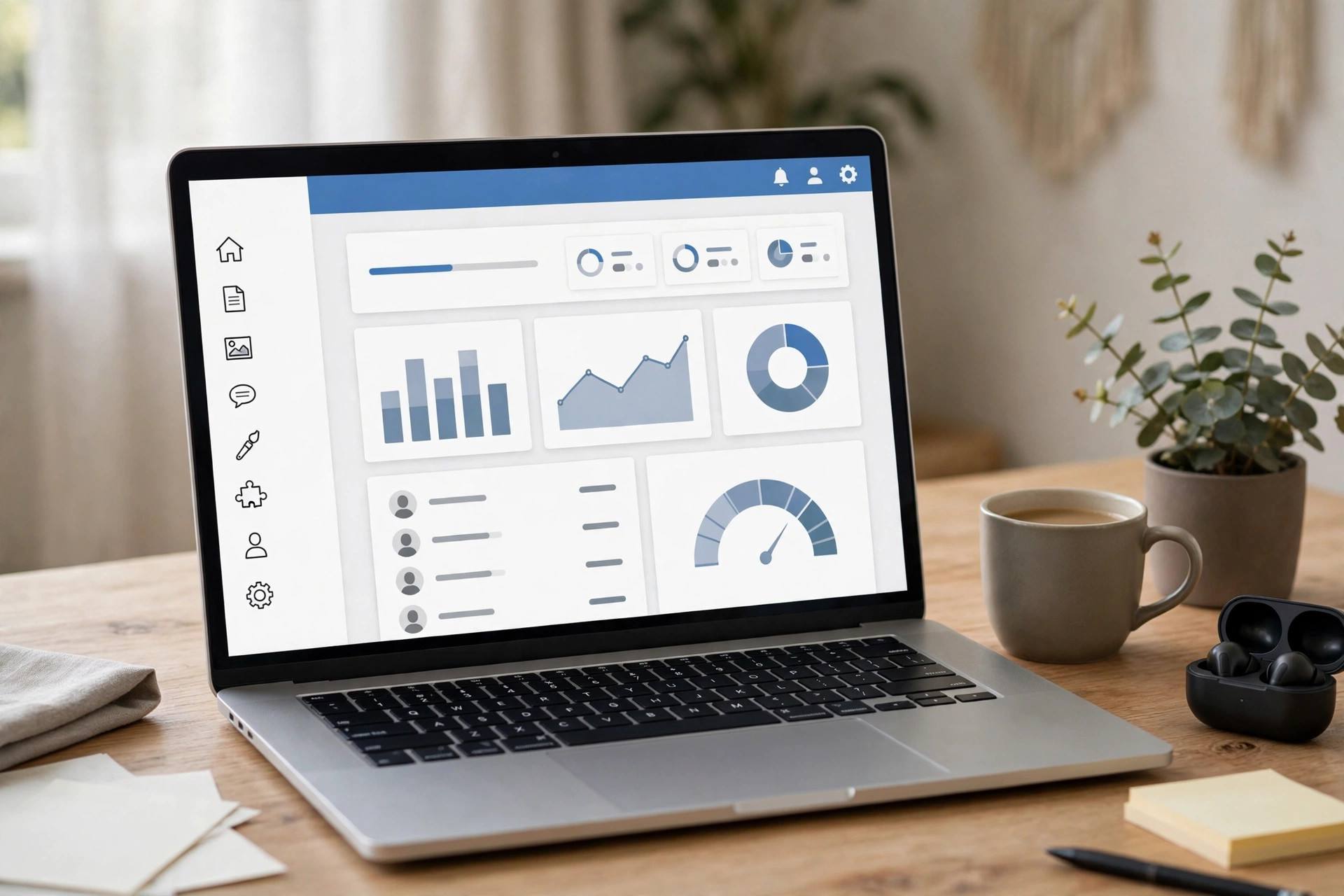
Step 4: Set Up Hosting and Install WordPress
The technical setup sounds scary; it takes about 30 minutes:
- Choose a reputable host. Look for one-click WordPress installs, free SSL certificates, good support, and solid uptime. Shared hosting is fine to start.
- Register your domain (often free for the first year with hosting plans).
- Install WordPress via the host’s one-click installer.
- Install an SSL certificate (usually one click — this gives you the https:// padlock; non-negotiable for trust and SEO).
- Pick a clean, fast theme. Prioritize speed and readability over flashy features. You can customize later.
- Install essential plugins only: SEO, caching, backups, security, and contact forms. Plugin bloat slows sites — restraint now saves headaches later.
- Create key pages: About (your story, genuinely told), Contact, and a Privacy Policy (legally wise from day one).
That is genuinely it for launch. Everything else — fancy design, advanced features — can wait until you have readers.
Step 5: Plan Your First 10 Posts
Do not launch with one lonely post. Plan your first ten before publishing anything:
- 2–3 foundational guides: comprehensive posts on your niche’s core topics — these become your SEO pillars.
- 3–4 specific how-tos: targeted posts answering exact questions your audience asks.
- 2–3 personal/opinion pieces: your story, your perspective — this is what makes readers connect with you.
- 1–2 list or resource posts: highly shareable, great for early traction.
Write 3–5 before launch day so you are not scrambling, then publish on a consistent schedule. Each post should target one clear topic, answer it thoroughly, and include a compelling headline that promises (and delivers) value.

Step 6: Launch and Tell the World
Launch day is not a finish line — it is a starting gun. Announce everywhere appropriate:
- Share on your personal social accounts (friends are your first readers — embrace it).
- Post in relevant online communities where you are a genuine member.
- Email everyone who might care — personally, not via mass blast.
- Submit to blog directories and niche aggregators.
- Consider one guest post on an established blog to seed your first outside traffic.
Then settle into your publishing rhythm. The launch spike fades; consistency builds the real audience.
Step 7: The First 90 Days — What Actually Matters
New bloggers drown in advice. In your first three months, focus only on this:
- Publish consistently. One quality post per week beats everything else. This is 80% of early success.
- Learn basic SEO. One target topic per post, clear headlines, genuine depth. That is enough to start.
- Start your email list immediately. Even with ten subscribers. This is your future most-valuable asset.
- Engage genuinely. Comment on other blogs, reply to every comment you get, be a good community member.
- Ignore advanced tactics. No funnels, no courses, no complex monetization yet. Build the foundation first.
Measure progress in months, not days. The bloggers who win are the ones still publishing in month six when others quit in month two.
How Blogs Make Money (Realistic Expectations)
Monetization comes later, but it helps to know the landscape:
- Display ads: simplest, but requires significant traffic to matter.
- Affiliate marketing: recommending products you genuinely use; commissions on sales. Works at smaller traffic levels in the right niches.
- Digital products: ebooks, courses, templates — highest margins, best for established audiences.
- Services and consulting: your blog as a portfolio attracting clients.
- Sponsored content: brands pay for posts once your audience is valuable to them.
Realistic timeline: most blogs earn little in year one. Treat monetization as a year-two project; year one is for building the audience and the craft. Anyone promising instant blog income is selling something.
Common Beginner Mistakes to Skip
- Perfectionism paralysis: waiting for the perfect design, name, or niche. Launch imperfectly; iterate publicly.
- Writing for nobody: every post should serve a real reader with a real question. “Dear diary” blogging rarely builds audiences.
- Inconsistency: three posts in week one, then silence for two months. Rhythm beats intensity.
- Ignoring email: social followers are rented; email subscribers are owned. Start the list on day one.
- Comparing to year-five bloggers: you are seeing their highlight reel. Everyone’s month one looked like yours.
- Quitting at month three: the exact moment most bloggers quit is right before compounding kicks in. Do not be most bloggers.
Blogging in the Age of AI: The 2026 Reality
Let us address the elephant in the room: AI can now generate articles in seconds, so why start a human blog in 2026? Because the value of blogging has shifted – and arguably increased. Readers are drowning in generic AI content and hungry for the one thing AI cannot fake: genuine human experience, opinion, and trust.
The winning 2026 strategy: lead with what is uniquely yours – personal stories, original testing, real photos, strong opinions, community interaction. Use AI as a tool (brainstorming, outlining, editing assistance) but never as the author. Google’s systems increasingly reward first-hand experience and original insight; readers reward authenticity even more. The bloggers thriving in 2026 are not competing with AI on volume – they are winning on voice, trust, and genuine expertise. Your humanity is the moat. Build on it.
One final encouragement: every blogger you admire once published a first post to an audience of nobody. The difference between them and everyone who only dreamed about it is simply that they started – and kept going. Your turn. Start today – future-you is already grateful. The best time to start was years ago; the second-best time is right now.
FAQ
How much does it cost to start a blog in 2026?
Very little: domain registration plus shared hosting typically runs a few dollars per month (often with the first year discounted). A self-hosted WordPress blog can launch for under $100 for the entire first year. Avoid expensive themes, courses, and tools until you have traction — the basics are cheap.
What is the best platform to start a blog on?
Self-hosted WordPress (WordPress.org) is the professional standard — full ownership, unlimited extensibility, and it scales from hobby to business. Hosted options like Wix or Squarespace are simpler to start but offer less control. Choose based on your long-term ambitions.
How often should I post on a new blog?
One high-quality post per week is the sweet spot for most beginners — sustainable and enough to build momentum. Consistency over months matters far more than frequency in any given week. Pick a rhythm you can maintain for a year.
Can you still make money blogging in 2026?
Yes, but with realistic expectations: meaningful income typically takes 12–24 months of consistent publishing. Successful bloggers monetize through ads, affiliates, digital products, services, or sponsorships. The bloggers earning well in 2026 are those who built genuine audiences around real expertise — shortcuts do not work.
Do I need to be an expert to start a blog?
No — you need to be a few steps ahead of your target reader, or learning enthusiastically alongside them. Documenting your learning journey honestly is a legitimate and popular blog style. Curiosity, consistency, and genuine helpfulness matter more than credentials.