How to Get More Blog Traffic: 12 Realistic Strategies That Actually Work


Friend, I know exactly how it feels to pour your heart into a blog post, hit publish, and then… crickets. You refresh your stats. Three visitors. One of them is you. If you are wondering how to get more blog traffic, take heart: every successful blogger started exactly where you are now, staring at an empty analytics dashboard and wondering if anyone would ever read their words.
Here is the truth nobody tells beginners: blog traffic is not about one viral moment or a secret trick. It is about doing a handful of unglamorous things consistently, for months. I have watched bloggers go from zero to thousands of monthly readers by following the strategies below — no magic, just steady, smart work. Let us walk through them together.
How to Get More Blog Traffic: Start With a Solid Foundation
Before chasing traffic, make sure your blog can handle visitors when they arrive. This takes an afternoon and pays off forever:
- Fast loading speed: If your pages take more than a few seconds to load, visitors bounce before reading a word. Compress images and keep plugins lean.
- Mobile-friendly design: Most readers arrive on phones. Check your blog on your own phone — if it is hard to read, fix it first.
- Clear navigation: A new visitor should understand what your blog is about within five seconds and find related posts easily.
- About page with personality: People connect with people. Tell your story genuinely.
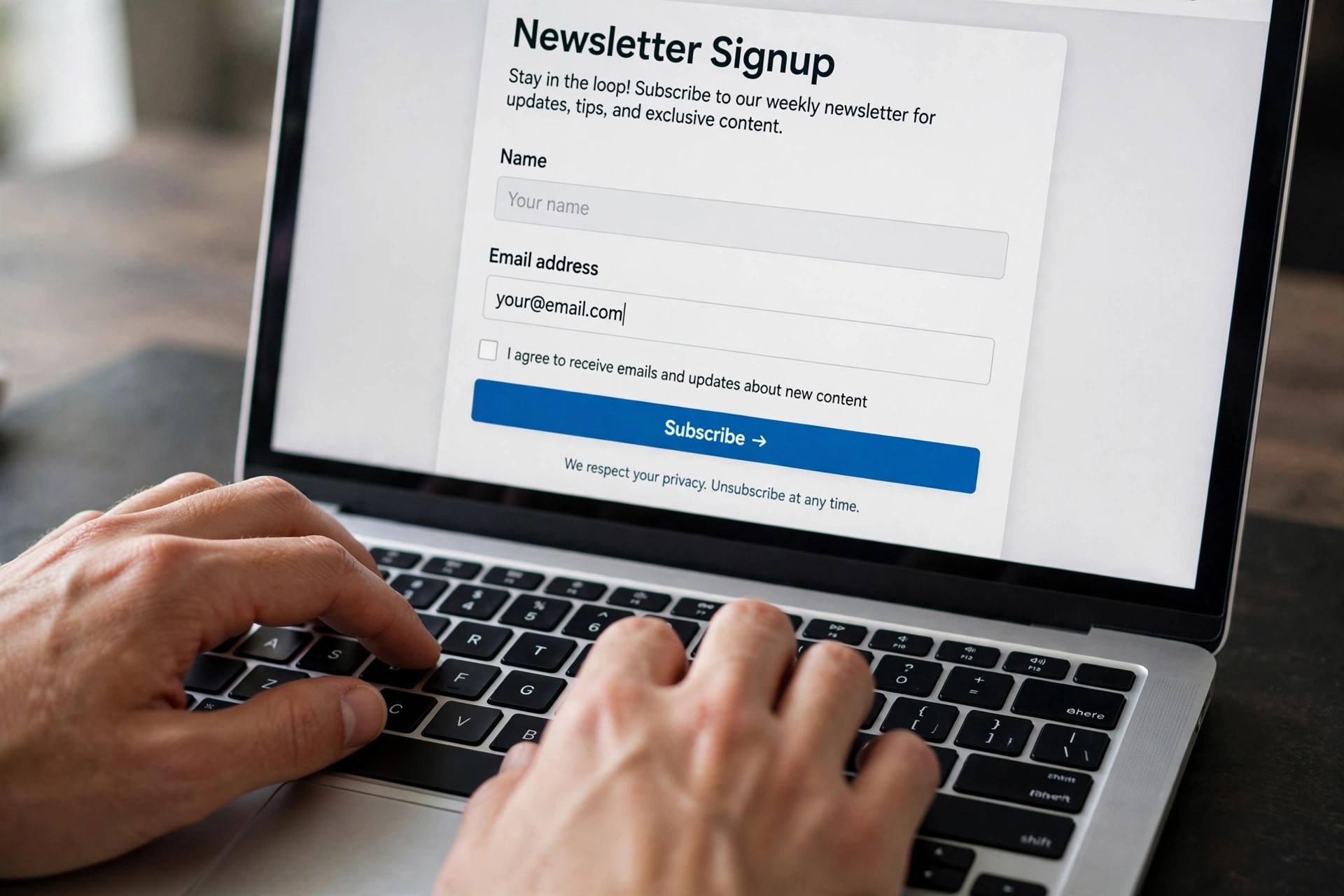
- Email signup form: Traffic you do not capture is traffic you lose. Even a simple signup box in your sidebar matters from day one.
Think of this as tidying your home before inviting guests. It does not need to be perfect — just welcoming.
Strategy 1: Write About What People Actually Search For
The biggest traffic lever for most blogs is search engine optimization — SEO. But forget the intimidating jargon. At its core, SEO means one thing: write genuinely helpful content about topics people are already searching for.
Start by brainstorming questions your ideal reader asks. Then check whether real search demand exists using free tools like Google’s autocomplete (type your topic and see suggestions) or the “People also ask” boxes in search results. Target specific, longer phrases (“how to start a sourdough starter” beats “bread”) where competition is lower and intent is clearer.
When you write, put your topic in the title, the first paragraph, and at least one subheading — naturally, not stuffed. Answer the question thoroughly and directly. Google rewards content that genuinely satisfies the searcher, and readers reward it by staying, sharing, and coming back.

Strategy 2: Publish Consistently (Quality + Rhythm)
You do not need to publish daily — but you do need a rhythm you can sustain. One excellent post per week beats five rushed ones followed by a month of silence. Search engines and readers both reward consistency because it signals reliability.
Pick a schedule that fits your real life. If that is one post every two weeks, own it proudly. Batch your work: brainstorm monthly, draft weekly, publish on schedule. The bloggers who win are rarely the most talented — they are the most consistent.
Strategy 3: Promote Every Post Like It Matters
Here is a hard truth: “publish and pray” does not work. For every hour you spend writing, spend at least 30 minutes promoting. Share each post:
- On your social channels — but tailor the message to each platform, and share more than once (most followers miss any single post).
- In relevant online communities — forums, Facebook groups, Reddit communities — where you are a genuine participant, not just a link-dropper.
- To your email list — even a tiny list. Email subscribers are your most loyal readers.
- With anyone you mentioned or quoted — a quick, friendly note often earns a share.
Promotion feels awkward at first. Reframe it: you made something helpful, and sharing it is a service to people who need it.
Strategy 4: Master One Social Platform Deeply
Do not spread yourself across six platforms. Pick one where your ideal readers hang out, and learn it properly. A food blogger might choose Pinterest or Instagram; a business blogger might choose LinkedIn. Post natively (not just links), engage genuinely with others, and let that platform become a reliable traffic stream before adding a second.
Pinterest deserves special mention for bloggers: it functions as a visual search engine, and pins can drive traffic for months or years. Create 2–3 attractive pins per post with clear, readable text overlays.
Strategy 5: Build Your Email List From Day One
Social algorithms change; search rankings fluctuate. Your email list is the only audience you truly own. Offer something small but valuable in exchange for signup — a checklist, a mini-guide, a resource list related to your niche. Then email your list every time you publish, plus occasional personal updates. Bloggers with engaged lists never start from zero on launch day.
Strategy 6: Write Guest Posts Strategically
Guest posting on established blogs in your niche puts you in front of warm audiences. Pitch blogs slightly bigger than yours with specific, tailored ideas — not generic “I would love to write for you” emails. One guest post on the right blog can send hundreds of targeted readers and earn you a valuable backlink. Quality of fit matters far more than size of blog.
Strategy 7: Update and Republish Old Content
Your archives are a goldmine. Every few months, review older posts: update outdated information, improve headlines, add new sections, fix broken links, and republish with a current date. Search engines love fresh, comprehensive content, and readers love accuracy. Some bloggers double their traffic just by systematically refreshing their best existing posts.
Strategy 8: Create Content That Earns Links Naturally
Backlinks — other sites linking to you — remain a major ranking factor. You earn them by creating link-worthy content:
- Original data or surveys in your niche (even small ones get cited)
- Comprehensive guides that become the definitive resource on a topic
- Free tools, templates, or checklists people bookmark and share
- Thoughtful opinion pieces that add something new to a conversation
Then let relevant site owners know the resource exists — a short, personalized email, not a mass blast.
Strategy 9: Collaborate With Fellow Bloggers
Blogging does not have to be lonely. Partner with bloggers at a similar stage: co-write a post, interview each other, run a joint giveaway, or create a roundup featuring several voices. You each get exposed to the other’s audience, and collaborations often spark lasting friendships and ongoing cross-promotion.

Strategy 10: Answer Questions Where Your Readers Ask Them
Find where your target readers ask questions — Quora, Reddit, niche forums, Facebook groups — and answer genuinely and thoroughly. Include a link to your relevant post only when it truly adds value. Done right, this builds reputation and sends steady, highly targeted traffic. Done spammy, it burns bridges. Always lead with helpfulness.
Strategy 11: Use Internal Linking to Keep Readers Exploring
Every new post should link to 2–4 of your older relevant posts, and you should periodically add links from old posts to new ones. This keeps readers on your site longer (which search engines notice), helps new posts get discovered, and distributes ranking power across your content. Make it a habit, not an afterthought.
Strategy 12: Be Patient and Track What Works
Real talk: meaningful blog traffic typically takes 6 to 12 months of consistent effort. That is normal, not failure. What separates bloggers who break through is that they measure and adjust. Check monthly: which posts get the most search traffic? Which social platform sends the most engaged visitors? Which topics earn email signups? Then do more of what works and less of what does not.
Set process goals (“publish weekly, promote each post”) rather than obsessing over daily stats. The traffic follows the work — it just follows on its own schedule.
If you are still in the planning phase, our guide on how to start a blog covers the technical setup so you can build on a solid foundation from the beginning.
Bonus: Repurpose Every Post Into Multiple Formats
Here is a multiplier most bloggers ignore: one blog post can become five pieces of content. Turn key points into a Twitter/X thread, design quote graphics for Instagram, record a short video summarizing the post, convert the outline into a Pinterest infographic, and discuss it in a relevant community. Each format reaches people the original post never would, and every piece links back to your blog. Repurposing takes a fraction of the time of creating from scratch, and it is one of the highest-ROI habits in blogging.
FAQ
How long does it take to get blog traffic?
For most new blogs, meaningful organic search traffic takes 6 to 12 months of consistent publishing. Social and referral traffic can come faster — weeks — if you promote actively. The key is consistency during the quiet early months; most bloggers quit right before momentum builds.
How often should I publish to grow traffic?
Consistency matters more than frequency. One high-quality post per week is an excellent target for most bloggers. It is better to publish one great post weekly for a year than to burn out publishing daily for a month. Choose a rhythm you can sustain.
Is SEO or social media better for blog traffic?
They serve different roles. SEO builds slow, compounding, long-term traffic — posts can rank for years. Social media delivers faster but shorter-lived spikes. The strongest blogs use both: SEO as the foundation, social for promotion and community. If you must choose one to start, pick based on where your audience spends time.
Do I need to pay for ads to get blog traffic?
No. Paid ads can accelerate growth, but the vast majority of successful blogs grew organically through SEO, social promotion, email, and collaborations. Master the free strategies first — they build durable traffic that does not disappear when ad spending stops.
Why is my blog getting no traffic despite publishing regularly?
The most common causes: writing about topics nobody searches for (no demand), weak promotion (publishing without sharing), poor on-page SEO basics (no clear target topic per post), or simply not enough time yet (under 6 months). Audit each area honestly — the fix is usually clearer than it feels.