How to Keep Vegetables Fresh Longer (Stop Wasting Produce)

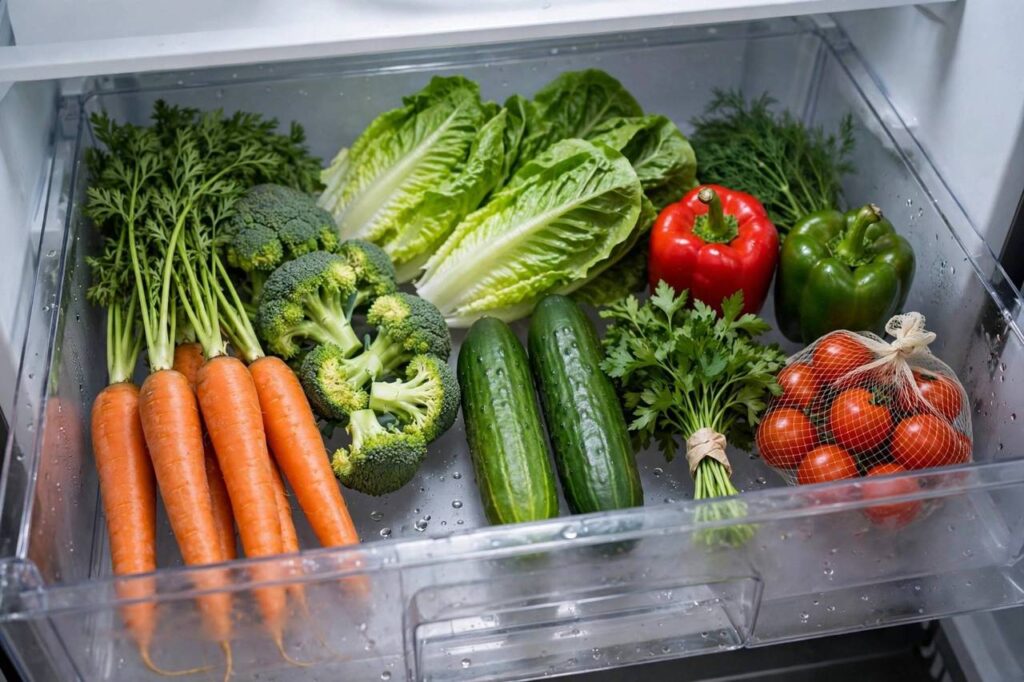
Be honest, friend — how many times have you opened the crisper drawer to find good intentions turned to mush? Slimy lettuce, bendy carrots, mysterious liquid at the bottom of the bag. Americans waste an astonishing amount of fresh produce, and most of it isn’t from lack of caring — it’s from lack of knowing how to keep vegetables fresh longer.
The truth is, every vegetable has its own preferences. Treat them all the same and half of them suffer. But once you know the simple rules — who likes the fridge, who hates it, who needs air, who needs humidity — your produce lasts dramatically longer. Let’s turn that crisper drawer from a vegetable graveyard into a freshness sanctuary.
How to Keep Vegetables Fresh Longer: The Two Big Principles
Everything below comes down to two things vegetables care about:
- Moisture balance. Most vegetables need humidity to stay crisp — but standing water rots them. The goal is humid air, not wet vegetables. This is why the crisper drawer exists and why paper towels are magic.
- Ethylene gas. Some fruits and vegetables naturally release ethylene, a ripening hormone that speeds decay in sensitive neighbors. Keep high-ethylene producers away from ethylene-sensitive vegetables. I’ll flag the culprits below.
Master these two, and you’re ahead of 90% of home cooks.
Vegetable-by-Vegetable Storage Guide
Leafy greens (lettuce, spinach, arugula, kale)
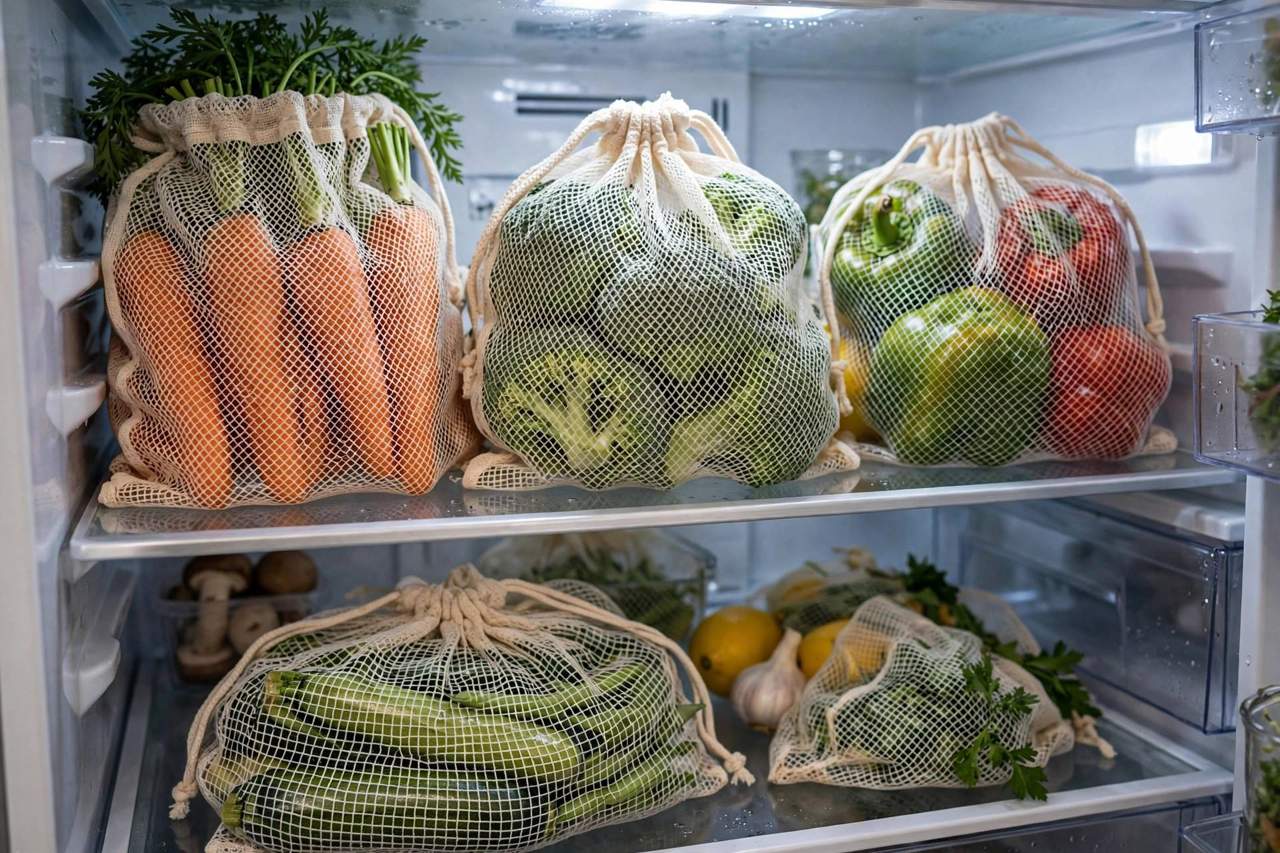
The most perishable category. Wash and THOROUGHLY dry (a salad spinner is worth its weight in gold here), then wrap loosely in a dry paper towel and place in a breathable bag or container in the fridge. The towel absorbs excess moisture — the #1 killer of greens. Stored this way, lettuce lasts 7-10 days instead of 3. Hearty kale and collards last even longer — up to 2 weeks.
Carrots, celery, and root vegetables
Cut off leafy tops immediately (they draw moisture from the roots). Store carrots and celery in the fridge — submerged in water in a sealed container, they stay crunchily crisp for weeks. Yes, weeks. Change the water every few days. Beets, turnips, and radishes: trim tops, refrigerate in a bag, good for 2-3 weeks.
Broccoli and cauliflower
Refrigerate unwashed in a breathable bag — perforated or loosely closed. Wash just before using. They’ll keep 5-7 days. If broccoli starts yellowing, use it immediately — it’s still fine, just aging.
Peppers
Refrigerate unwashed in the crisper drawer — they’ll keep 1-2 weeks. Once cut, store in an airtight container and use within 3-4 days. Bell peppers are ethylene-sensitive, so keep them away from high-ethylene fruits.
Cucumbers and zucchini
These are cold-sensitive! Refrigerate, but not in the coldest part of the fridge — the door or upper shelf is better than the back. Wrap cucumbers loosely in a paper towel inside a bag to prevent the sliminess they’re famous for. Use within a week.
Tomatoes
Counter, always (unless fully ripe and you need to buy a day or two — then refrigerate and bring to room temp before eating). Refrigeration destroys tomato texture and dulls flavor permanently. Store stem-side down on the counter, out of direct sun. Never store tomatoes near… well, anything — they’re major ethylene producers.
Onions, garlic, and shallots
Cool, dark, dry, ventilated — a pantry, not the fridge. The refrigerator’s humidity makes them sprout and go soft. Keep them in a breathable basket or mesh bag. And keep onions AWAY from potatoes — onions’ gases make potatoes sprout faster. This is the most commonly violated rule in home kitchens.
Potatoes and sweet potatoes
Same as onions: cool, dark, dry, ventilated. Light turns potatoes green (solanine — bitter and mildly toxic, cut it away generously). Never refrigerate raw potatoes — cold converts starches to sugars, affecting both taste and browning. Properly stored, potatoes last weeks to months.
Asparagus and green onions
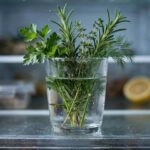
Treat like fresh flowers: trim the ends, stand upright in a jar with an inch of water, cover loosely with a bag, refrigerate. They’ll stay crisp for a week or more — dramatically longer than lying flat in the drawer.
Mushrooms
The paper bag method: store in a paper bag (not plastic!) in the fridge. Plastic traps moisture and turns mushrooms slimy within days; paper breathes. Use within a week. Never wash until just before cooking — or better, brush clean instead of washing.
Corn
Refrigerate in the husk and use quickly — corn’s sugars convert to starch rapidly after picking, so freshness matters more than storage technique. Two to three days max for peak sweetness.
The Ethylene Cheat Sheet
High ethylene producers (keep separated): Tomatoes, onions, bananas, avocados, stone fruits.
Ethylene-sensitive (keep away from producers): Leafy greens, peppers, cucumbers, broccoli, carrots, green beans.
The classic disaster: bananas in the fruit bowl next to… well, bananas ruin everything nearby. And tomatoes stored with greens will have those greens wilted in days. A little separation goes a long way.
Freezing Vegetables: The Long Game
When you can’t use vegetables in time, freezing beats wasting — but do it right:
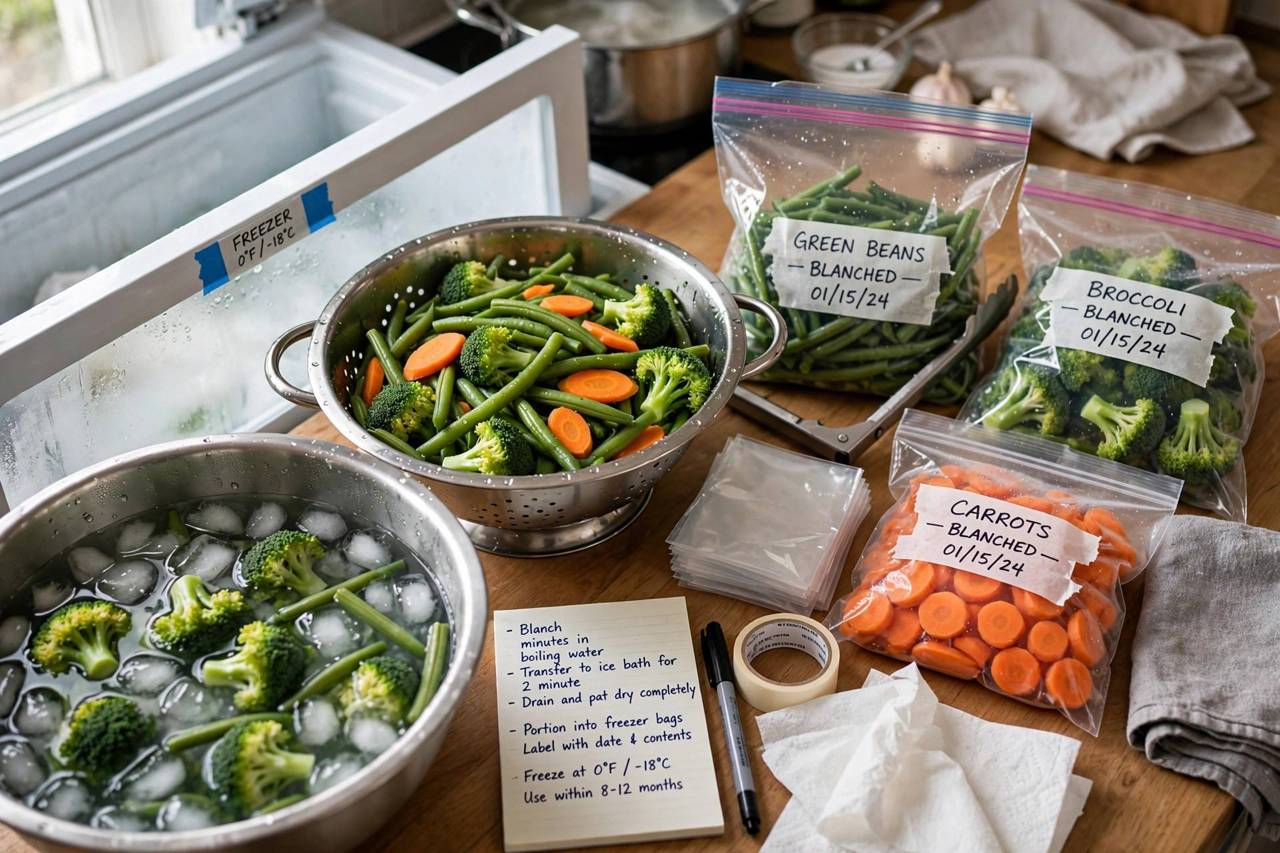
- Blanch first (most vegetables): Brief boil (1-3 minutes depending on vegetable), then immediate ice bath. Blanching stops enzyme activity that causes off-flavors and mushiness in the freezer. This step is what separates good frozen vegetables from sad ones.
- Dry thoroughly after blanching — ice crystals are the enemy of texture.
- Flash-freeze on a tray before bagging: spread pieces in a single layer on a baking sheet, freeze solid, then transfer to freezer bags. This prevents the dreaded vegetable iceberg — you can grab exactly what you need.
- Remove air, label, date. Squeeze air from bags (or use a straw to suck it out), label with contents and date. Most blanched vegetables keep 8-12 months.
Vegetables that freeze well: broccoli, green beans, peas, corn, carrots, peppers (no blanching needed — freeze raw in pieces), spinach (blanch and squeeze dry).
Don’t bother freezing: lettuce, cucumbers, raw potatoes (texture disaster), whole tomatoes (freeze them cooked into sauce instead).
Rescue Moves: Using Vegetables Before They Go
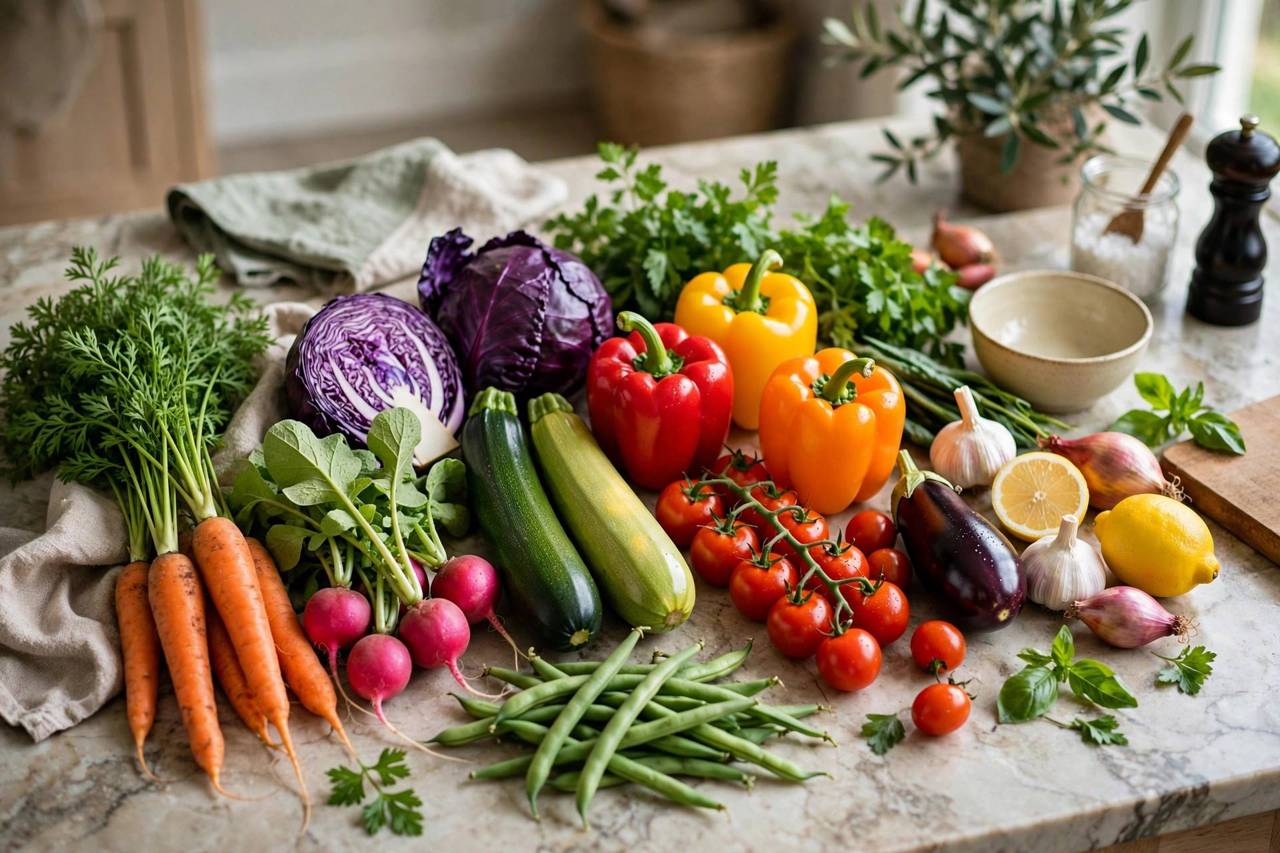
Vegetables on the edge don’t need the trash — they need a plan:
- Slightly wilted greens: Ice water bath for 15 minutes revives them. Or cook them — wilted spinach is just pre-wilted for the pan.
- Bendy carrots/celery: The water-submersion trick restores crunch. Or chop for soups and stews where texture doesn’t matter.
- Soft tomatoes: Sauce. Always sauce. Soft tomatoes make the BEST sauce — concentrated flavor, easy skins.
- Odds and ends: Stir-fry, frittata, soup, fried rice — the “clean out the drawer” meals are often the most delicious. Everything goes in, nothing gets wasted.
- Vegetable stock: Keep a freezer bag of scraps — onion ends, carrot peels, celery leaves, herb stems. When it’s full, simmer into stock. Free flavor from would-be waste.
Grow Your Own: The Freshest Possible Vegetables
Here’s the ultimate freshness hack, friend: the vegetables that last longest are the ones you pick minutes before eating. You don’t need a farm — a few containers on a sunny patio or balcony grow lettuce, herbs, peppers, and tomatoes beautifully. If the idea appeals to you, here’s what container gardening is — it’s easier than you think, and nothing beats the taste of something you grew yourself.
The Crisper Drawer: High vs. Low Humidity Settings
Those little sliders on your crisper drawers aren’t decoration — they control airflow, which controls humidity. Here’s how to use them:
- High humidity (vent closed): For vegetables that wilt — leafy greens, carrots, broccoli, peppers, cucumbers. The closed vent traps moisture, keeping the air humid and vegetables crisp.
- Low humidity (vent open): For fruits and vegetables that rot in moisture — and crucially, for ethylene producers. The open vent lets ethylene gas escape instead of concentrating around sensitive produce.
The practical system: greens and wilting-prone vegetables in the high-humidity drawer; fruits and ethylene producers in the low-humidity drawer (or out on the counter, for tomatoes and onions). Two drawers, two climates, dramatically less waste. If your fridge has only one drawer, default to high humidity for vegetables and keep fruits elsewhere.
Shop Smarter: Freshness Starts at the Store
Storage can only preserve the freshness you buy — it can’t create it. Shop with these habits:
- Buy with a plan. The vegetables most likely to rot are the ones bought without a meal in mind. Shop from a rough meal plan, not from aspiration.
- Check before you buy. Greens should be perky, not slimy. Carrots firm, not bendy. Peppers glossy, not wrinkled. Mushrooms dry, not damp. Starting fresh buys you days.
- Don’t overbuy perishables. Leafy greens and herbs are 3-5 day items without careful storage, a week with it. Buy what you’ll use; shop twice a week if needed. Smaller, more frequent shops waste less than one giant haul.
- Frozen is not the enemy. For cooking (not salads), frozen vegetables are picked at peak ripeness and flash-frozen — often more nutritious than “fresh” produce that’s spent a week in transit and on shelves. Keep frozen peas, corn, and spinach as backup; they eliminate the waste-guilt entirely.
- Know your seasons. In-season produce is fresher (less travel time), cheaper, and tastes better. Out-of-season produce has already lived half its life before you buy it.
Combine smart shopping with proper storage, and you’ll throw away a fraction of what you used to. Your wallet notices. The planet notices. And dinner gets better, friend — fresh vegetables simply taste like more.
FAQ
How to keep vegetables fresh longer in the fridge?
Match storage to the vegetable: leafy greens wrapped in dry paper towels in breathable bags; carrots and celery submerged in water; mushrooms in paper (not plastic) bags; tomatoes and onions OUT of the fridge entirely. Keep ethylene producers separated from sensitive vegetables.
Should you wash vegetables before storing them?
Generally no — wash just before using. Surface moisture accelerates decay for most vegetables. Exceptions: leafy greens do best washed AND thoroughly dried before storing (the drying is critical), and the water-submersion method for carrots/celery.
Why do my vegetables go bad so quickly?
The usual culprits: excess moisture (sealed in plastic with no airflow), ethylene exposure (stored next to tomatoes, onions, or bananas), wrong temperature (cold-sensitive items like cucumbers and tomatoes in the coldest fridge spots), and buying more than you can use in time. Fix the storage first — it solves most of it.
How long do fresh vegetables last?
With proper storage: leafy greens 7-10 days, carrots/celery 2-4 weeks (in water), root vegetables 2-4 weeks, broccoli 5-7 days, peppers 1-2 weeks, potatoes/onions weeks to months (pantry). Without proper storage, cut those times roughly in half.
Can you freeze fresh vegetables without blanching?
Some, yes — peppers, onions, and corn can be frozen raw with acceptable results. But most vegetables benefit greatly from blanching first; it preserves color, texture, and flavor during frozen storage. Skipping blanching works in a pinch but gives noticeably inferior results for broccoli, green beans, and leafy greens.