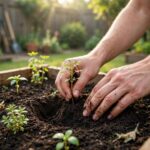

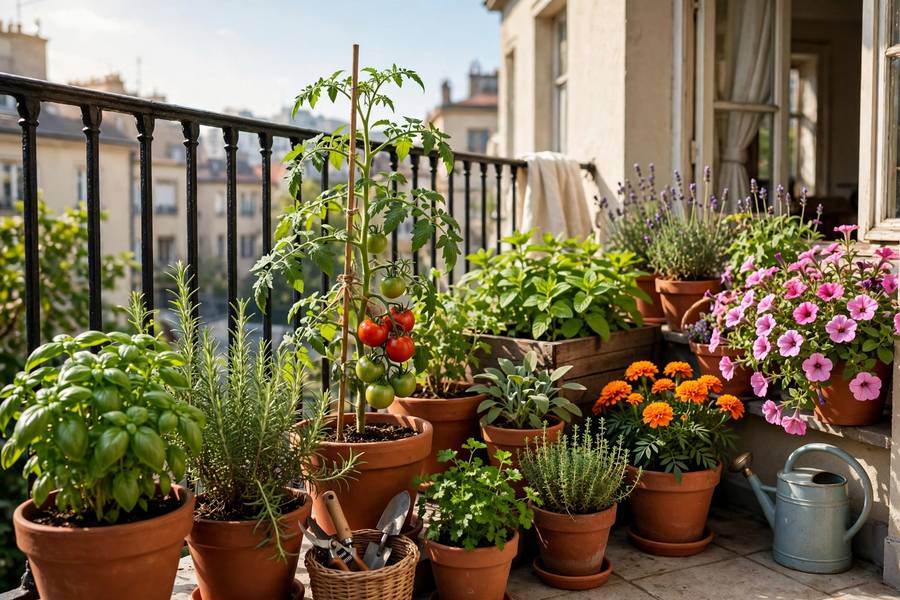
I used to think gardening required a yard. A house. A fence, probably, and a wheelbarrow. Then I moved into an apartment with a fire escape and a windowsill, and I grew tomatoes that tasted better than anything I’d ever bought at a store — all in pots. That’s container gardening: growing plants in pots, planters, buckets, or any vessel instead of in the ground.
It’s not a lesser version of “real” gardening. It’s just gardening with a container instead of a backyard, and for millions of people — renters, apartment dwellers, anyone with more ambition than square footage — it’s the only kind that fits their life.
Table of Contents
- What Container Gardening Actually Means
- Why Containers Work So Well
- Choosing the Right Containers
- Soil: The Part Everyone Gets Wrong
- What to Grow in Containers
- Watering and Feeding
- The Mistakes I Made (So You Don’t Have To)
- Frequently Asked Questions
What Container Gardening Actually Means
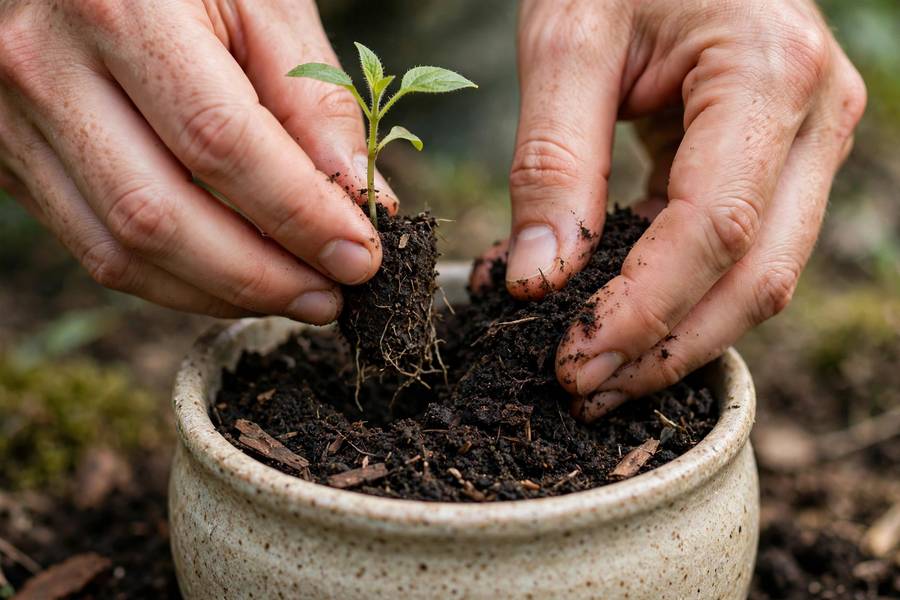
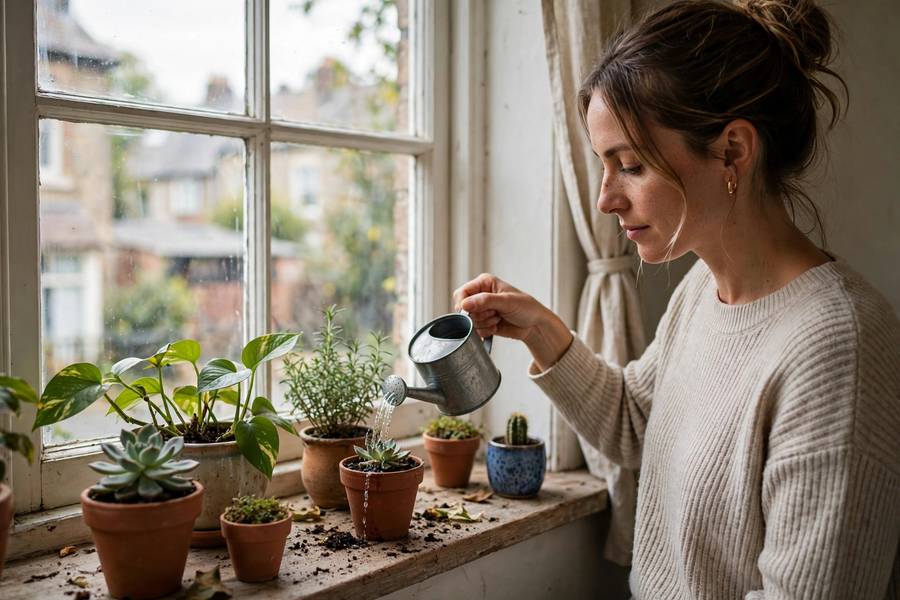
Container gardening is exactly what it sounds like: plants grown in containers rather than planted in the earth. The container can be a terracotta pot, a wooden planter box, a fabric grow bag, a five-gallon bucket, or — if you’re creative — an old dresser drawer, a bathtub, or a pair of rain boots.
The plants don’t know the difference. Roots care about soil, water, light, and nutrients, not about whether they’re in the ground or in a pot on your balcony. Give them what they need and they’ll grow just as happily in a container as they would in a garden bed — sometimes more happily, because you control the conditions.
This isn’t new, either. People have grown plants in pots for centuries — the ancient Romans did it, Victorian gardeners were obsessed with it, and your grandmother’s windowsill geraniums were container gardening before the term was trendy.
Why Containers Work So Well
Here’s what containers do better than ground beds:
You control the soil. Bad native soil? Doesn’t matter. You fill containers with exactly the mix your plants want, and you never have to fight clay, rocks, or your yard’s previous owner who apparently buried concrete.
You control the location. Too shady? Move the pot. Scorching afternoon sun frying your lettuce? Slide it into the shade. Try relocating a garden bed mid-summer — I’ll wait.
Fewer weeds and pests. Most weed seeds live in the ground, not in your bag of potting mix. And while containers aren’t pest-proof, they’re much easier to monitor and defend than a sprawling bed.
It fits anywhere. A balcony, a windowsill, a front stoop, a fire escape (check your building rules), a driveway edge. Container gardening is how city dwellers grow food, and it’s also one of the most eco-friendly home hobbies you can pick up — growing your own herbs means fewer plastic clamshells from the grocery store.
It’s forgiving. Small scale means small mistakes. Kill a plant in a pot and you’re out one pot. Kill a garden bed and you’re rethinking your life choices.
Choosing the Right Containers
The golden rule: bigger is better. Small pots dry out fast and cramp roots. When in doubt, go up a size.
Size guide by plant type: – Herbs (basil, mint, thyme): 6–8 inch pots are fine – Lettuce and greens: 8–10 inches, or a wide shallow planter – Peppers and bush beans: 12 inches – Tomatoes and cucumbers: 5 gallons (12–14 inches) minimum — this is non-negotiable for tomatoes – Root vegetables (carrots, radishes): deep pots, at least 10–12 inches of depth
Drainage is mandatory. Every container needs drainage holes. No holes, no plant — waterlogged roots rot. If you fall in love with a decorative pot that has no holes, use it as a cachepot: keep the plant in a plastic nursery pot with holes inside it.
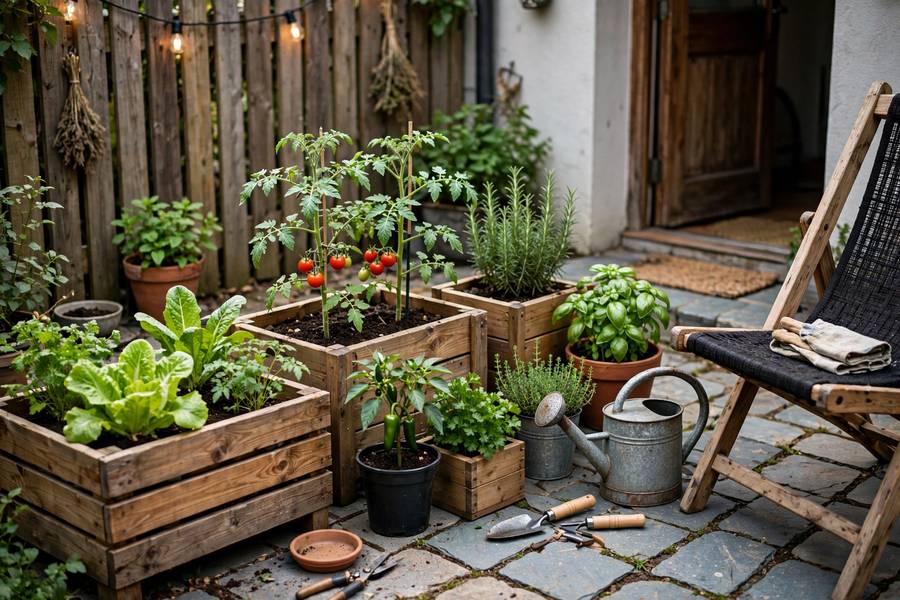
Material matters: – Terracotta is classic and breathable — great for Mediterranean herbs that like dry roots — but it dries out fast in heat. – Plastic is cheap, light, and holds moisture well. Not glamorous, very effective. – Fabric grow bags are my favorite for vegetables. They air-prune roots (prevents root circling), drain beautifully, and store flat in winter. – Wood (cedar planters, raised boxes) looks wonderful and insulates roots, but will eventually rot. – Metal heats up fast in sun — fine in mild climates, risky in hot ones.
Soil: The Part Everyone Gets Wrong
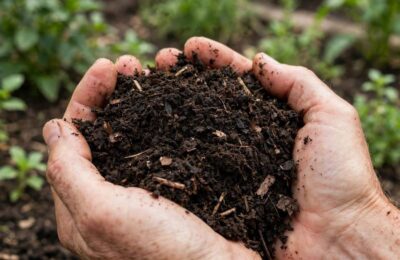
Do not use garden soil in containers. I know it’s tempting — there’s dirt right there, and it’s free — but garden soil compacts in pots, drains poorly, and brings weeds and diseases along for the ride.
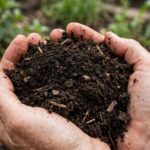
Use potting mix (also sold as container mix). It’s lighter, fluffier, drains well, and usually comes pre-loaded with some fertilizer. Look for mixes with perlite or vermiculite — those little white pebbles are what keep the mix airy.
For vegetables, you can mix in some compost (about a quarter of the volume) for extra nutrition. For succulents and cacti, use a cactus/succulent mix that drains extra fast.
One more thing: potting mix breaks down over a season. Refresh it yearly — dump it out, mix in fresh compost, or replace it entirely. Tired soil grows tired plants.
What to Grow in Containers
The short answer: more than you think. The longer answer, by category:
Herbs (easiest win): Basil, mint (always alone in its own pot — mint is a bully that takes over shared containers), parsley, cilantro, chives, rosemary, thyme. Fresh herbs are the single best return on investment in container gardening.
Salad greens: Lettuce, arugula, spinach, and mesclun mix grow fast, tolerate partial shade, and let you cut-and-come-again for weeks.
Tomatoes: Cherry tomatoes are more forgiving than big slicers in containers. One plant per 5-gallon pot, a sturdy stake or cage, full sun. The flavor difference from store tomatoes is absurd.
Peppers: Bell peppers and hot peppers both do well in 12-inch pots. They love heat.
Root vegetables: Radishes (30 days seed to harvest!), carrots in deep pots, green onions.
Flowers: Marigolds, petunias, nasturtiums (edible flowers — bonus), zinnias. Flowers aren’t just decoration — they attract pollinators to your vegetable containers.
What to skip as a beginner: Corn (needs a field’s worth), large squash (takes over everything), and watermelons (enormous vines, enormous appetite for space).
Watering and Feeding
Containers dry out faster than the ground — that’s the main tradeoff. In summer heat, you may water daily, sometimes twice.
How to know when to water: Stick your finger an inch into the soil. Dry? Water. Damp? Wait. This test beats any schedule.
Water deeply: Water until it runs out the drainage holes. Shallow sips encourage shallow roots.
Mulch the surface: A layer of straw or bark chips on top of the soil slows evaporation dramatically.
Feeding: Potting mix nutrients wash out with watering. Feed container plants regularly — a balanced liquid fertilizer every 2–4 weeks during the growing season is the simple version. Herbs need less; heavy feeders like tomatoes need more. There’s something deeply satisfying about this whole rhythm — tending a small green corner of your home is a quiet daily ritual, and it connects to the same slow-living satisfaction as the hygge lifestyle: comfort, care, and small pleasures done well.
The Mistakes I Made (So You Don’t Have To)
Crowding. My first tomato pot had three seedlings because I couldn’t bear to thin them. They produced nothing — all three fought over the same nutrients. One plant per pot. Be ruthless.
Too-small pots. A 6-inch pot for a tomato is a tragedy in slow motion. Size up.
Forgetting drainage. Lost a gorgeous ceramic pot of basil to root rot because I forgot holes. Never again.
Watering on a schedule instead of by feel. Plants in shade need less water than plants in sun, even in identical pots. The finger test never lies.
Starting too big. Five pots your first season beats thirty pots that all need watering during a heat wave while you’re on vacation. Scale up as you learn.
Frequently Asked Questions
Container gardening is growing plants in pots, planters, grow bags, or other vessels instead of in the ground. It works for vegetables, herbs, and flowers, and is ideal for apartments, balconies, and small spaces.
Herbs like basil, mint, and chives are the easiest container plants. Radishes and lettuce are the easiest vegetables — radishes can be harvested just 30 days after sowing.
Herbs do fine in 6–8 inch pots, peppers need about 12 inches, and tomatoes need at least a 5-gallon (12–14 inch) container. When in doubt, go bigger — large pots dry out slower and give roots more room.
No — garden soil compacts in pots, drains poorly, and can carry weeds and diseases. Always use potting mix or container mix, which is lighter and formulated for pots.
Water when the top inch of soil feels dry — in summer this may be daily or even twice daily. Water deeply until it drains from the bottom rather than giving frequent shallow sips.
Yes — nutrients wash out of pots with watering. A balanced liquid fertilizer every 2–4 weeks during the growing season keeps container plants productive, especially heavy feeders like tomatoes.