
There’s a particular kind of happiness in eating a tomato you grew yourself. It’s not about saving money — you won’t, at first. It’s about the small daily ritual of checking on living things, the surprise of the first sprout, the way a garden slows you down in the best possible way.
I started my first garden with more enthusiasm than knowledge, and I killed plenty of plants learning. That’s normal. Gardening is one of those skills where doing it badly at first is part of the curriculum. Plants are forgiving teachers.
This guide is for absolute beginners — no experience, no fancy equipment, just the desire to grow something. We’ll start small, because small gardens succeed and big ones overwhelm.
Table of Contents
- Start Small (Really Small)
- Choosing Your Spot: Sun Is Everything
- Containers vs. Raised Beds vs. Ground
- Soil: The Foundation Nobody Sees
- The Easiest Plants for Beginners
- Planting: Timing and Technique
- Watering Without Drowning Things
- The Weekly Rhythm of Garden Care
- Dealing With Pests Gently
- Harvesting and Enjoying
- Frequently Asked Questions
Start Small (Really Small)
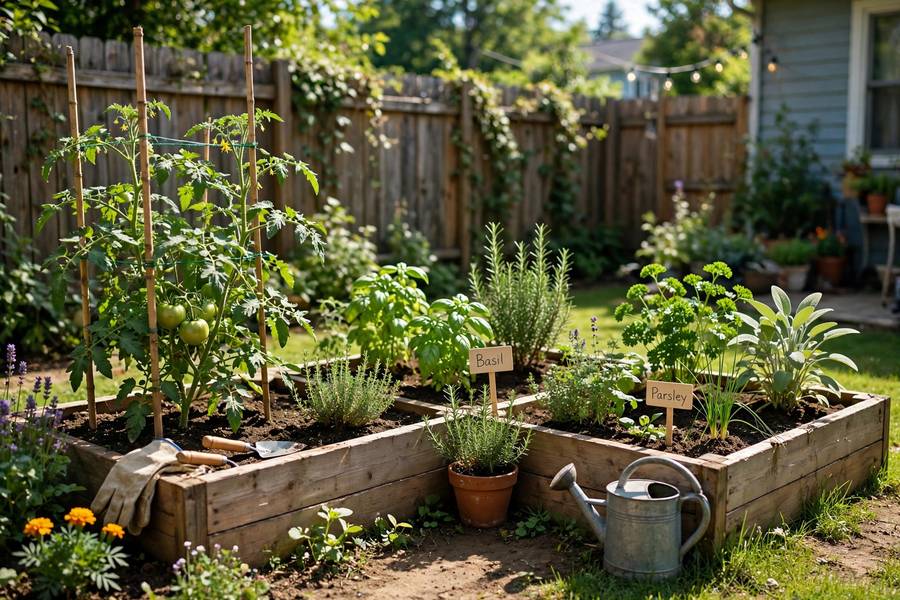
The biggest beginner mistake is starting too big. A huge garden becomes a chore by July, and chores don’t get tended. Start with what you can care for in 15 minutes a day:
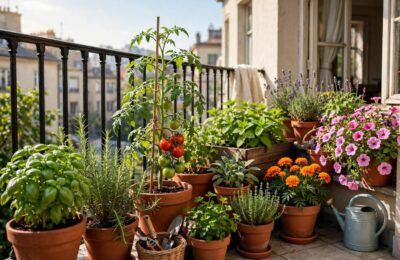
- A few containers on a patio or balcony, or
- One 4×4 foot raised bed, or
- A sunny windowsill of herbs
That’s it. You can always expand next season, when you know what you actually enjoy growing. A small thriving garden teaches more than a large struggling one. There’s a hygge lifestyle principle here — coziness and contentment come from the right scale, not the biggest one.
Choosing Your Spot: Sun Is Everything
Most vegetables and herbs need 6–8 hours of direct sunlight daily. This is the single most important decision you’ll make — more important than soil, fertilizer, or plant choice.
Watch your space for a day. Where does the sun actually fall? Morning sun with afternoon shade works in hot climates; full sun all day suits most vegetables in temperate zones. South-facing (in the Northern Hemisphere) is ideal.
If you don’t have 6 hours of sun, grow shade-tolerant things: lettuce, spinach, herbs like mint and parsley. Work with your conditions instead of fighting them.
Containers vs. Raised Beds vs. Ground
Containers are perfect for renters and small spaces. Use pots at least 12 inches deep for vegetables (bigger is better — small pots dry out fast). Ensure drainage holes; no drainage = dead plants.
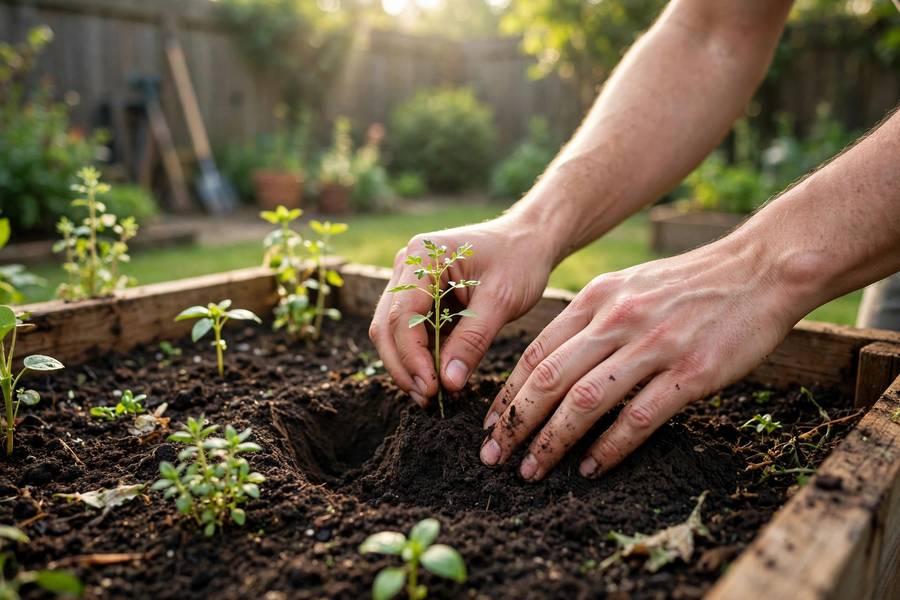
Raised beds are the sweet spot for most beginners with a yard. A 4×4 foot bed, 10–12 inches deep, filled with good soil mix. Manageable, productive, and kind to your back.
In-ground is cheapest but hardest — you’re working with whatever soil you have, plus weeds and grass competition. Fine if your soil is decent; otherwise, start raised.
Soil: The Foundation Nobody Sees
Beginners obsess over plants; experienced gardeners obsess over soil. Plants are only as healthy as what they’re growing in.
For containers and raised beds, buy bagged raised-bed or potting mix — not garden soil (too dense) and not topsoil alone (too variable). A good mix is light, holds moisture, and drains well. It’s the easiest win in gardening: great soil forgives many beginner mistakes.
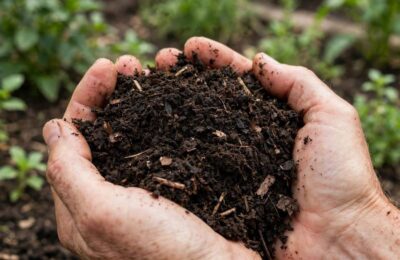
For in-ground beds, mix compost into the top 6–8 inches. Compost is gardening’s quiet miracle — it improves drainage in clay, water retention in sand, and feeds plants slowly. Your local municipality often gives it away or sells it cheaply.
The Easiest Plants for Beginners
Start with plants that practically grow themselves:
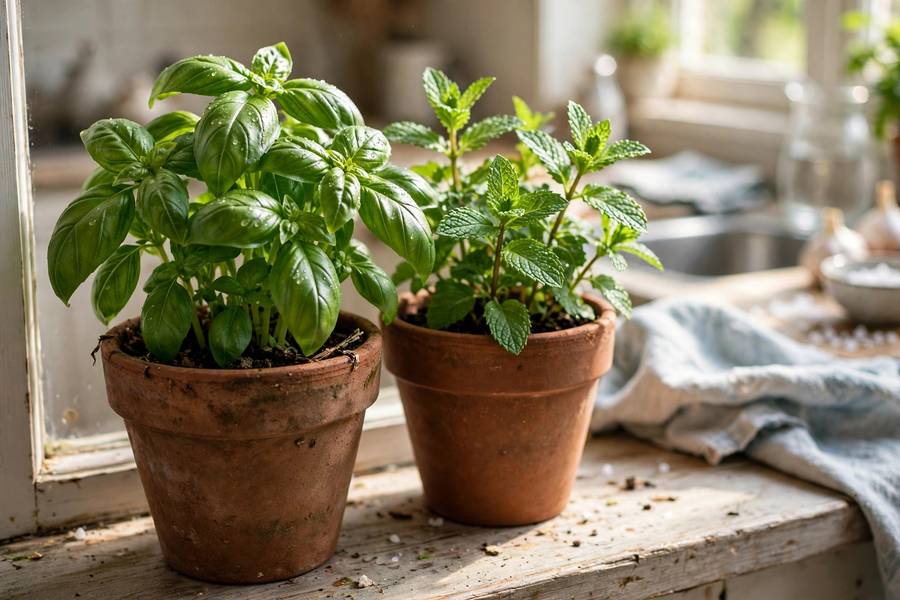
- Herbs: basil, mint (in its own pot — it takes over), chives, parsley. Fast, forgiving, and you’ll actually use them.
- Lettuce and salad greens: sprout in days, harvest in weeks. Cut-and-come-again varieties keep producing.
- Radishes: seed to harvest in 25–30 days. The instant gratification of gardening.
- Tomatoes: the classic for a reason. Cherry tomatoes are more forgiving than big slicers. One or two plants is plenty.
- Zucchini: famously prolific — one plant feeds a neighborhood. Plant only if you like zucchini.
- Beans: peas and green beans climb happily and fix nitrogen in the soil.
Avoid fussy plants at first: cauliflower, celery, artichokes. You’ll get there.
Planting: Timing and Technique
Timing: plant after your last frost date (look it up for your area — it varies enormously). Warm-season crops (tomatoes, peppers, basil) need warm soil; cool-season crops (lettuce, peas, radishes) prefer spring and fall.
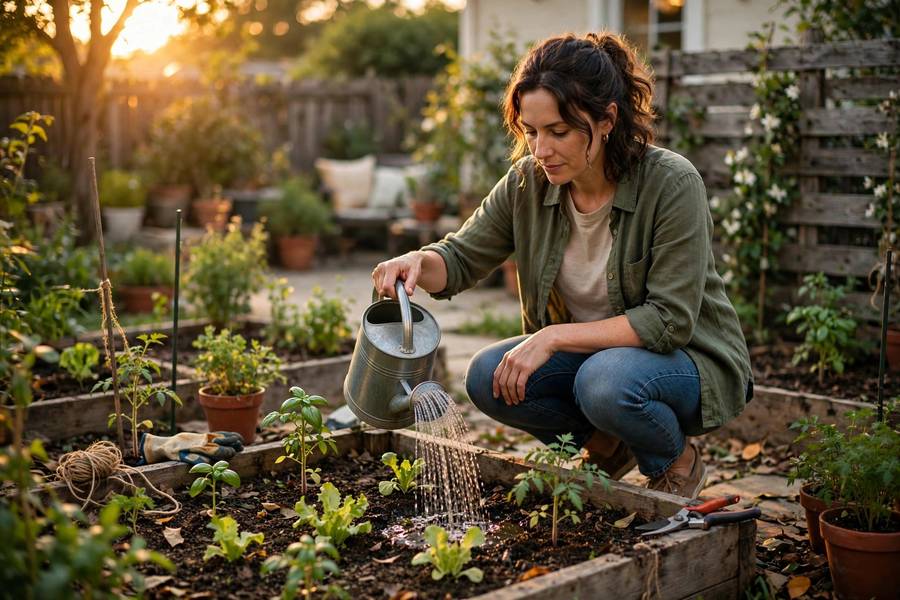
Technique: the seed packet is your instruction manual — planting depth and spacing are printed right there. The universal rule: plant seeds about twice as deep as the seed is wide. Water gently after planting; a hard blast displaces tiny seeds.
Transplants vs. seeds: buying small starter plants (transplants) for tomatoes and peppers saves weeks and reduces failure. Direct-sow easy things like beans, radishes, and lettuce. There’s no prize for doing everything from seed.
Watering Without Drowning Things
More beginners kill plants with water than with neglect. The rule: water deeply, less often — not a daily sprinkle.
- Stick your finger 2 inches into the soil. Dry? Water. Moist? Wait.
- Water the soil, not the leaves — wet foliage invites disease.
- Morning watering is best; evening is fine; midday wastes water to evaporation.
- Containers dry faster than beds — check them daily in summer heat.
- Mulch (straw, wood chips, shredded leaves) around plants retains moisture and suppresses weeds. It’s the closest thing to a gardening cheat code.
The Weekly Rhythm of Garden Care
Gardens thrive on small, regular attention rather than heroic weekend efforts:
- Daily (2 minutes): glance at things while watering. Notice what’s happening.
- Weekly (15 minutes): weed young weeds (they’re easy when small, miserable when big), check for pests, harvest what’s ready.
- Monthly: feed with compost or gentle organic fertilizer, tidy spent plants.
This rhythm becomes a pleasure, not a chore — five quiet minutes with your plants and a cup of tea is one of life’s small perfect moments. Like decluttering your closet, small regular attention beats occasional overhauls.
Dealing With Pests Gently
You will get pests. Every gardener does. Start gentle:
- Hand-pick larger pests (caterpillars, beetles) — oddly satisfying.
- Blast aphids off with a strong jet of water.
- Encourage predators: ladybugs, birds, and beneficial insects do free pest control. Diverse plantings attract them.
- Row covers (light fabric over plants) physically block many pests.
Avoid reaching for harsh chemicals first — they kill the beneficial insects too, creating worse problems later. A few holes in leaves is normal and fine. You’re growing food, not manufacturing it.
Harvesting and Enjoying
Harvest often — it encourages more production. Pick tomatoes when fully colored, herbs before they flower, lettuce as outer leaves, zucchini small (they get seedy and huge overnight).
The real harvest isn’t the vegetables. It’s the slower mornings, the dirt under your nails, the pride of serving something you grew. That’s what keeps gardeners gardening for decades.
Your First Year, Month by Month
If a full season feels abstract, here’s how a beginner’s first year typically unfolds:
Late winter: Dream and plan. Browse seed catalogs, sketch your bed layout on paper, order seeds. This is the fun part — enjoy it.
Early spring: Prepare. Build or buy your bed, fill with soil mix, set up containers. Start cool-season crops (lettuce, peas, radishes) as soon as soil is workable.
Late spring: Plant warm-season crops after the last frost. Tomatoes, peppers, basil, beans go in. Mulch everything. Water consistently while roots establish.
Summer: Maintain and harvest. Weed weekly, water deeply, pick produce often. This is the rewarding phase — salads from your own garden taste like victory.
Fall: Plant a second round of cool-season crops. Pull spent summer plants. Add compost to beds.
Winter: Rest and learn. Read a gardening book, plan next year’s improvements, order seeds early for the best selection. The garden sleeps; you dream.
Each year you’ll know more. By year three, you’ll be the one giving advice to nervous beginners — and telling them to start small.
Frequently Asked Questions
Start planning in late winter and plant after your area’s last frost date. Cool-season crops (lettuce, peas) go in early spring; warm-season crops (tomatoes, peppers) wait until soil warms. Look up your local frost dates — timing varies hugely by region.
Radishes (harvest in under a month), lettuce, and herbs like basil and mint. Cherry tomatoes are the most rewarding easy fruit. Start with these before attempting fussy crops.
Yes — herbs on a sunny windowsill, salad greens and dwarf tomatoes in containers on a balcony. You need 4–6 hours of light minimum; a small grow light extends what’s possible indoors.
About 15 minutes a day for a small garden, plus a slightly longer weekly session. Small regular attention beats occasional marathon efforts — gardens reward rhythm, not heroics.
The usual suspects: too much water (most common), not enough light (leggy, pale seedlings), or planted too early in cold soil. Ensure drainage, give strong light, and respect your frost dates.
Good soil with compost covers most needs for beginners. If plants look pale or stunted mid-season, a gentle balanced organic fertilizer helps. More is not better — over-fertilizing burns plants.