

My first dinner party was a small disaster, and I mean that fondly. I attempted a four-course menu I’d never cooked before, in a kitchen the size of a closet, for six people — while trying to keep the apartment spotless and myself composed. By the time guests arrived, the sauce had broken, I was sweating through my shirt, and I’d spent the whole evening in the kitchen apologizing. Everyone was lovely about it. Nobody had fun, including me.
It took me years to learn what good hosts have always known: a dinner party is not a performance. It’s an invitation. People don’t come for the food, not really — they come to be welcomed, to sit down, to talk without checking the time. Once I understood that, hosting became one of my favorite things. Here’s everything I wish someone had told me before that first attempt.
Table of Contents
- The Mindset: Guests, Not Judges
- Planning: The Guest List and the Date
- The Menu: Cook What You Know
- Setting the Table (Without Overthinking It)
- The Day-Of Timeline
- While Guests Are There: The Art of Being Present
- After They Leave
- Frequently Asked Questions
The Mindset: Guests, Not Judges
Everything good about hosting flows from one reframe: your guests are not inspectors. They are not checking your baseboards or scoring your sauce. They’re people who said yes to spending an evening with you, which means they already like you. Your job is not to impress them — it’s to make them comfortable enough to relax.
This changes every decision. The elaborate menu becomes a simple one you can actually enjoy cooking. The frantic pre-party deep clean becomes a tidy-up of the rooms guests will see. The anxiety about everything being perfect becomes attention to the two things that actually matter: that people feel welcomed when they arrive, and that nobody is hungry or thirsty at any point.
A useful test for every hosting decision: will this make my guests more comfortable, or will it make me look better? If it’s the second, skip it. The best compliment isn’t “this is amazing” — it’s guests staying an hour longer than planned because nobody wants to leave.
Planning: The Guest List and the Date
Who to invite
Four to eight people is the sweet spot. Fewer than four and the conversation has nowhere to hide; more than eight and you’re running a restaurant, not hosting a dinner. Think about mix: people who’ll enjoy each other matter more than people who already know each other. One thoughtful introduction — “you both love old films” — can spark a whole evening.
Invite two to three weeks out, and make the invitation personal. A text that says “I’m cooking dinner on Saturday the 14th and I’d love you to come — can you make it?” beats a group message every time. Ask about dietary restrictions in the same breath, casually: “Anything I should know about food-wise?” People appreciate being asked before, not accommodated awkwardly during.
When
Saturday evenings are classic for a reason, but Friday or even a weeknight can work for a smaller group — a Tuesday dinner has a lovely intimacy to it, and expectations are naturally lower, which is a gift to the host. Start time: 7 or 7:30 gives you the evening without a rushed afternoon.
The Menu: Cook What You Know
This is the rule that would have saved my first dinner party: never cook something for guests that you haven’t cooked before. The dinner party is not the time to experiment. Cook the thing your friends already ask you to make. Cook the dish that’s so reliable it’s boring to you — to your guests, it’s a revelation.
The ideal dinner party menu structure
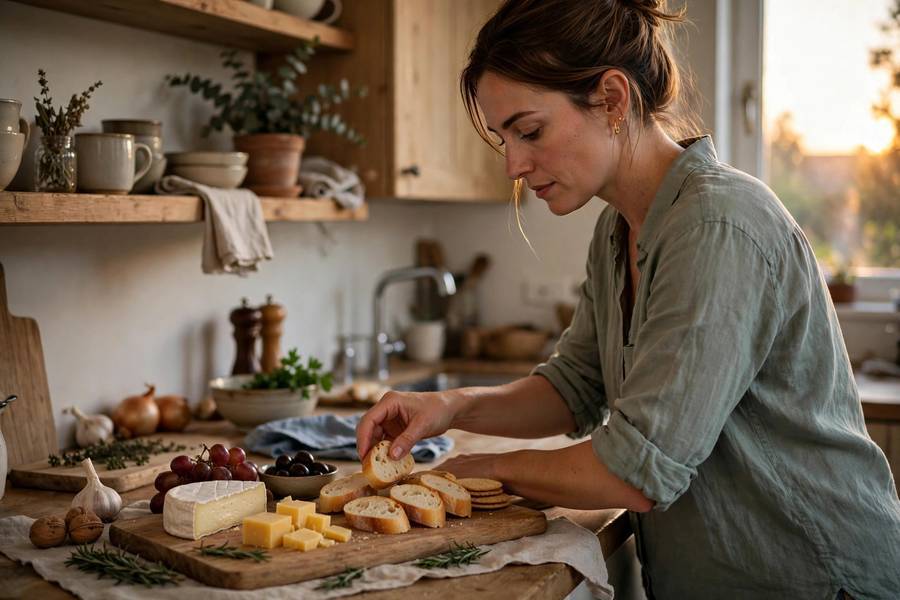
- Something to nibble on arrival. Cheese, bread, olives, nuts — zero cooking, and it buys you thirty minutes of grace if you’re running behind. The most important course, and the easiest.
- One main dish, served family-style. A big pot of something — braised chicken, a hearty stew, lasagna, a roast with vegetables — in the middle of the table. Warmer than plating, hides imperfections, and keeps you out of the kitchen.
- A simple salad or vegetable side. Dress it at the last minute.
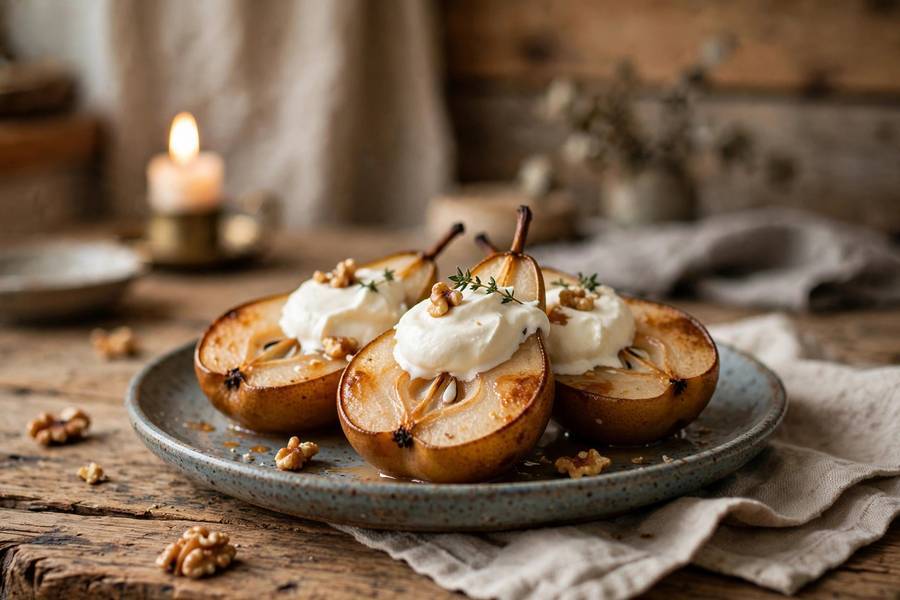
- One dessert. Store-bought is completely fine — good ice cream with warm berries, a bakery cake, cheese and fruit. Nobody remembers whether dessert was homemade; they remember whether the host was at the table.
- Drinks. More than you think: water (sparkling and still), wine or beer, and one genuinely nice non-alcoholic option. A pitcher of something — lemonade, iced tea, a simple punch — feels generous and costs little.
The make-ahead principle
Choose a menu where at least half can be done before guests arrive. The nibbles are bought. The dessert is ready. The salad is washed and waiting. The main is in the oven or resting. When the doorbell rings, you should have nothing left to do but pour drinks. A calm host sets the entire tone of the evening — this is worth more than any recipe.

Setting the Table (Without Overthinking It)
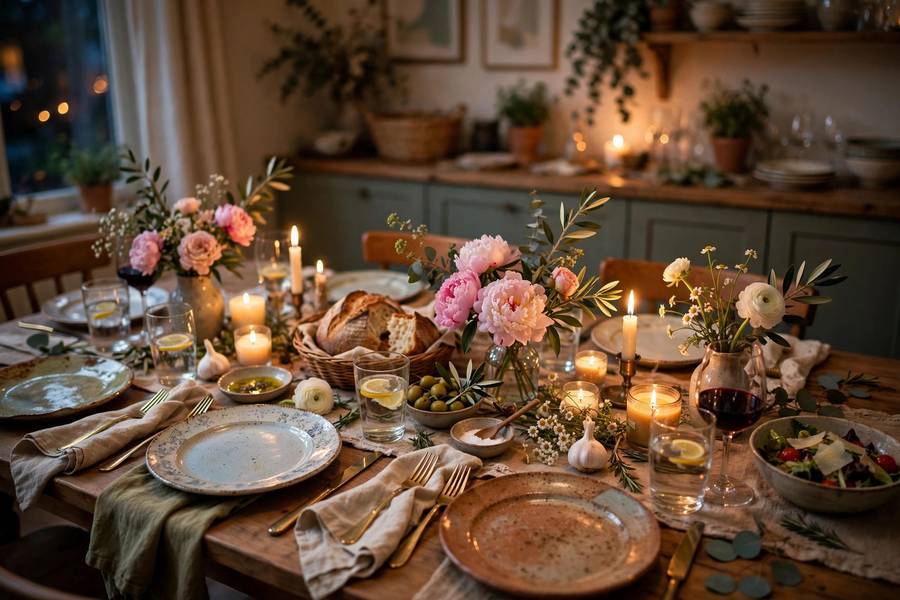
You don’t need matching anything. Some of the most beautiful tables I’ve sat at were gloriously mismatched — and the mismatch itself was the charm, because it said real home, real person.
The essentials:
- A clean surface. A tablecloth hides a multitude of sins if your table is worn; bare wood with a runner is lovely too. Either is fine.
- One candle or a small low arrangement. Keep it low — guests need to see each other’s faces. Tea lights in glasses are foolproof and flattering to everyone.
- Enough space. Crowded tables feel stressful. If eight people don’t fit comfortably, it’s a six-person party.
- Water glasses already filled. Small thing, big signal: you’re taken care of here.
- Napkins that aren’t paper towels. Cloth is nicer, but decent paper napkins are fine. This is about intention, not expense.
Skip: place cards, elaborate centerpieces, anything that blocks sightlines. The hygge lifestyle nails the aesthetic — warmth, simplicity, candlelight — without any fuss.
Music: have a playlist going quietly before guests arrive. Something warm and unobtrusive — jazz, acoustic, bossa nova. It fills the silence of arrival, which is always the most awkward five minutes. And if you ever scale up to a garden party, the atmosphere tricks in my music festival tips translate surprisingly well to a backyard full of friends.
The Day-Of Timeline
Hosting feels chaotic when it’s all in your head. On paper, it’s just a list. Here’s a sample timeline for a 7:30 dinner:
Morning: Shop for anything fresh. Set the table. Put drinks in the fridge. Tidy the rooms guests will see — living room, dining area, bathroom, entryway. Close the doors on the rest.
Afternoon (3-4 hours before): Prep everything you can: chop vegetables, make the salad dressing, assemble dessert, set out the nibbles ingredients. Start anything slow-cooking.
Two hours before: Shower and get dressed. Yes, before the final cooking push — you’ll feel human when the doorbell rings, and that’s worth more than a perfectly timed garnish.
One hour before: Light candles. Start the music. Put out the nibbles. Pour yourself something. Take ten minutes to sit down. This pause is the difference between a host who greets guests with genuine warmth and one who greets them mid-panic.
Guests arrive: Coats, drinks, nibbles, introductions. Don’t apologize for anything — not the mess you think they see, not the food they haven’t tasted. Apologies put guests in the position of reassuring you, which is the opposite of hospitality.
Keep a small host’s emergency kit in mind — the same thinking behind a wedding day emergency kit checklist applies: a stain remover stick, extra candles and matches, a phone charger guests can borrow, pain relievers in the bathroom.
While Guests Are There: The Art of Being Present
Here’s the secret the cookbooks don’t tell you: the food is maybe 30% of a dinner party. The other 70% is atmosphere, and atmosphere is just the host being relaxed and present.
A few things that help:
- Introduce people with a thread. “This is Maya — she just got back from Portugal, you two should compare notes.” One sentence gives strangers something to start with.
- Don’t disappear. If you must do something in the kitchen, keep it under five minutes. Better yet, invite someone to keep you company — some of the best dinner party conversations happen leaning against kitchen counters.
- Let the evening breathe. Don’t rush courses. Let people linger. The pause between dinner and dessert, with everyone talking and nobody checking phones, is the whole point.
- Have a gentle end. Coffee or tea signals the evening is winding down without anyone feeling pushed out. Most guests take the hint gracefully — and the ones who stay for the last cup are usually your favorite people anyway.
And if something goes wrong — the dish burns, the wine runs out — say so lightly and move on. “Well, the roast has opinions tonight — more salad, anyone?” Guests take their cue from you. If you’re unbothered, they’re unbothered.
After They Leave
Resist the urge to clean everything that night. Soak the pans, stack the dishwasher, blow out the candles, and go to bed. The full reset can wait for morning — there’s something satisfying about a slow Sunday tidy after a good night.
One more thing worth doing: send a short message the next day. “So good to see you last night” takes ten seconds and turns a nice evening into a maintained friendship.
Start small if you’re nervous: two friends, one pot of something you make well, candles on the table. That’s a dinner party. And once you’ve done it once, you’ll wonder why you waited — because your home is already enough, your cooking is already enough, and your people just want to be invited.
Frequently Asked Questions
Four to eight guests is the sweet spot. Fewer than four limits conversation; more than eight turns hosting into restaurant service. Consider how guests will mix — people who’ll enjoy each other matter more than people who already know each other.
Cook something you’ve made before and know well — never experiment on guests. One main dish served family-style (a braise, stew, lasagna, or roast), a simple salad, nibbles on arrival, and an easy dessert. Choose a menu where at least half can be prepared before guests arrive.
Two to three weeks is ideal. Invite personally rather than by group message, and ask about dietary restrictions casually in the same conversation so you can plan the menu with everyone’s needs in mind.
No. Mismatched plates and glasses are charming and signal a real home. What matters is a clean table, low candlelight, water glasses filled, and enough elbow room. Guests remember warmth and conversation, not tableware.
Acknowledge it lightly and move on — guests take their emotional cue from the host. Keep a small emergency kit handy (stain remover, extra candles, phone charger, pain relievers in the bathroom) so minor issues get handled without drama. Imperfect evenings are often the most memorable.
Offer coffee or tea — it’s a natural, gentle signal that the evening is winding down. Most guests will take the hint gracefully. Don’t rush clearing plates while people are still talking; your place is at the table until the conversation naturally closes.