How to Cook Rice Perfectly Every Time (My No-Fail Kitchen Method)

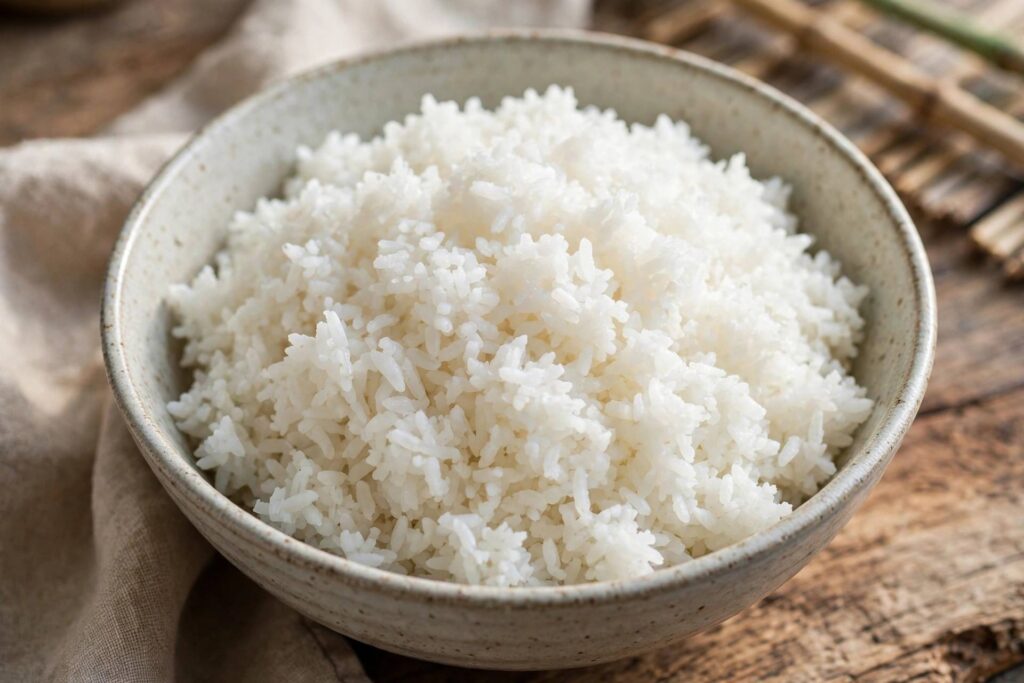
Here’s a little secret from my kitchen to yours: rice seems like the simplest thing in the world to cook, and yet it’s the dish I get asked about most. Mushy rice, crunchy rice, rice stuck to the bottom of the pot like cement — I’ve seen (and made) every mistake in the book. But once you understand a few simple principles, you’ll get fluffy, perfect rice every single time. No rice cooker required, no fancy equipment, just you, a pot, and a little know-how I’m about to share. Here’s how to cook rice perfectly every time — the rinsing, ratios, and resting steps that make all the difference.
Why Rice Goes Wrong (It’s Not Your Fault)
Most rice disasters come down to three things: the wrong water ratio, the wrong heat, or peeking. That last one is the silent killer — every time you lift the lid, steam escapes, the temperature drops, and your cooking time becomes a guessing game. Rice cooks by absorbing water and steam in a sealed environment. Break the seal, break the rice.
The other big culprit is treating all rice the same. Long-grain white rice, jasmine, basmati, brown rice, short-grain sushi rice — they all want slightly different treatment. Once you know your rice type’s personality, everything gets easier. Think of it less like a rigid recipe and more like getting to know a friend.
Choosing Your Rice: A Quick Guide
- Long-grain white rice: The everyday workhorse. Fluffy, separate grains. Great with everything.
- Jasmine rice: Slightly sticky, wonderfully fragrant. Beautiful with Asian-inspired dishes.
- Basmati: Long, elegant grains with a nutty aroma. The classic pairing for curries.
- Short-grain (sushi) rice: Plump and sticky when cooked. Made for sushi, rice bowls, and anything you eat with chopsticks.
- Brown rice: Chewier, nuttier, more fiber — and thirstier. It needs more water and more time.
For this guide, I’ll focus on white rice varieties (long-grain, jasmine, basmati), with brown rice notes at the end. Master white rice first — it’s the foundation everything else builds on.
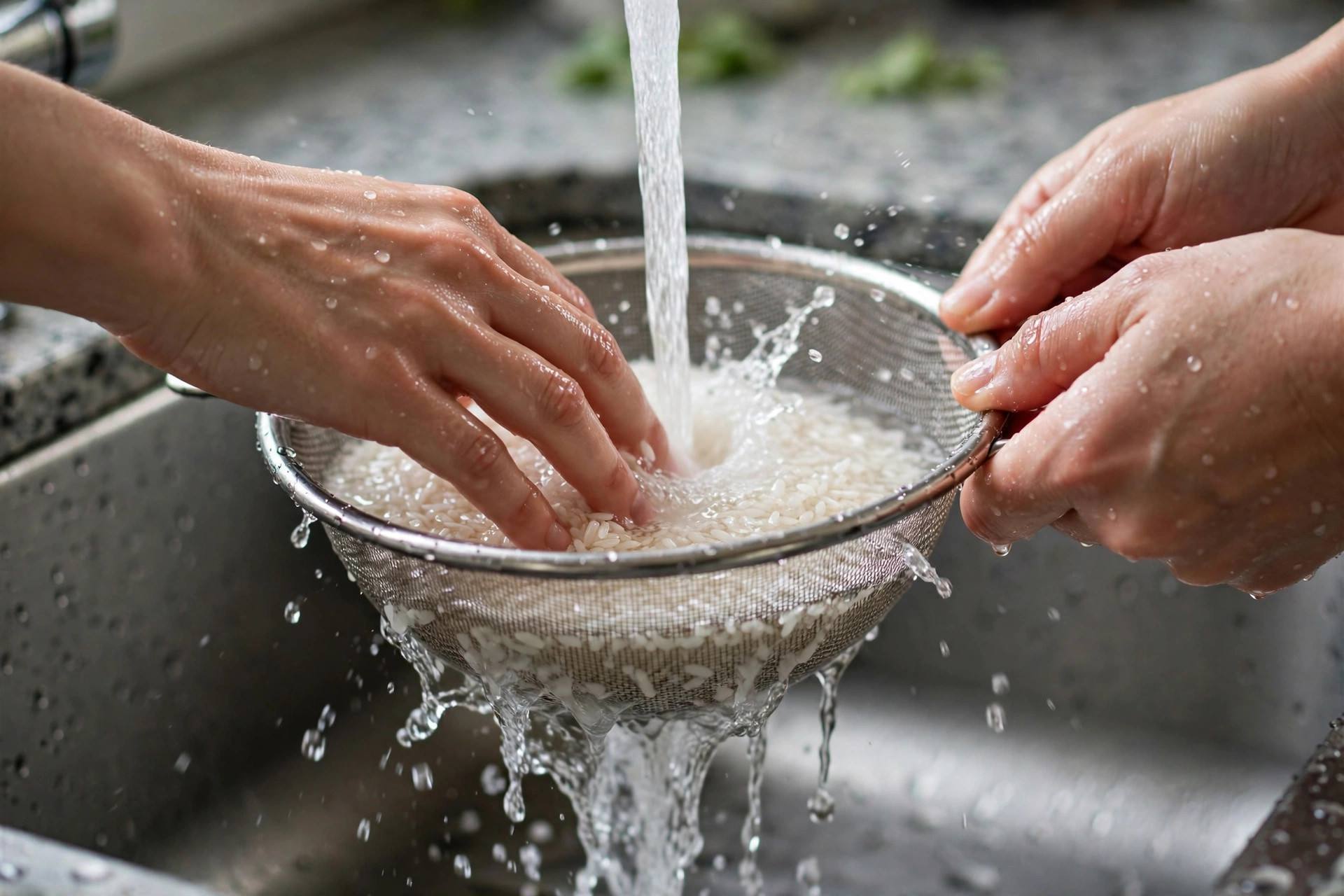
Step 1: Rinse Your Rice (Yes, Really)
I know, I know — it’s tempting to skip this. But rinsing removes the excess surface starch that makes rice gummy and sticky (unless stickiness is what you’re after, like with sushi rice). Place your rice in a fine-mesh strainer and rinse under cool running water, swishing gently with your hand, until the water runs mostly clear. This takes about 30 seconds and makes a noticeable difference.
For basmati, traditional cooks soak the rinsed rice for 20-30 minutes before cooking. This isn’t mandatory, but it gives you longer, more separate grains — the kind that make you feel like a restaurant chef. If you have the time, do it. If not, your rice will still be delicious.
Step 2: The Water Ratio That Actually Works
Forget the old “two cups of water per cup of rice” rule you might have learned — it tends to produce wet, overcooked rice on modern stovetops. Here’s what works better for the absorption method:
- Long-grain white rice: 1 cup rice to 1¼ cups water
- Jasmine rice: 1 cup rice to 1¼ cups water
- Basmati rice: 1 cup rice to 1½ cups water (1¼ if soaked)
- Brown rice: 1 cup rice to 1¾–2 cups water
The finger-knuckle trick your grandmother used — water reaching the first knuckle above the rice — works surprisingly well too, and it’s wonderfully forgiving across pot sizes. Use whichever method feels more comfortable. And here’s a tip I swear by: once you find the ratio that works with your pot and your stove, write it down. Stoves vary, and your perfect ratio is worth remembering.
Step 3: How to Cook Rice Perfectly Every Time on the Stovetop
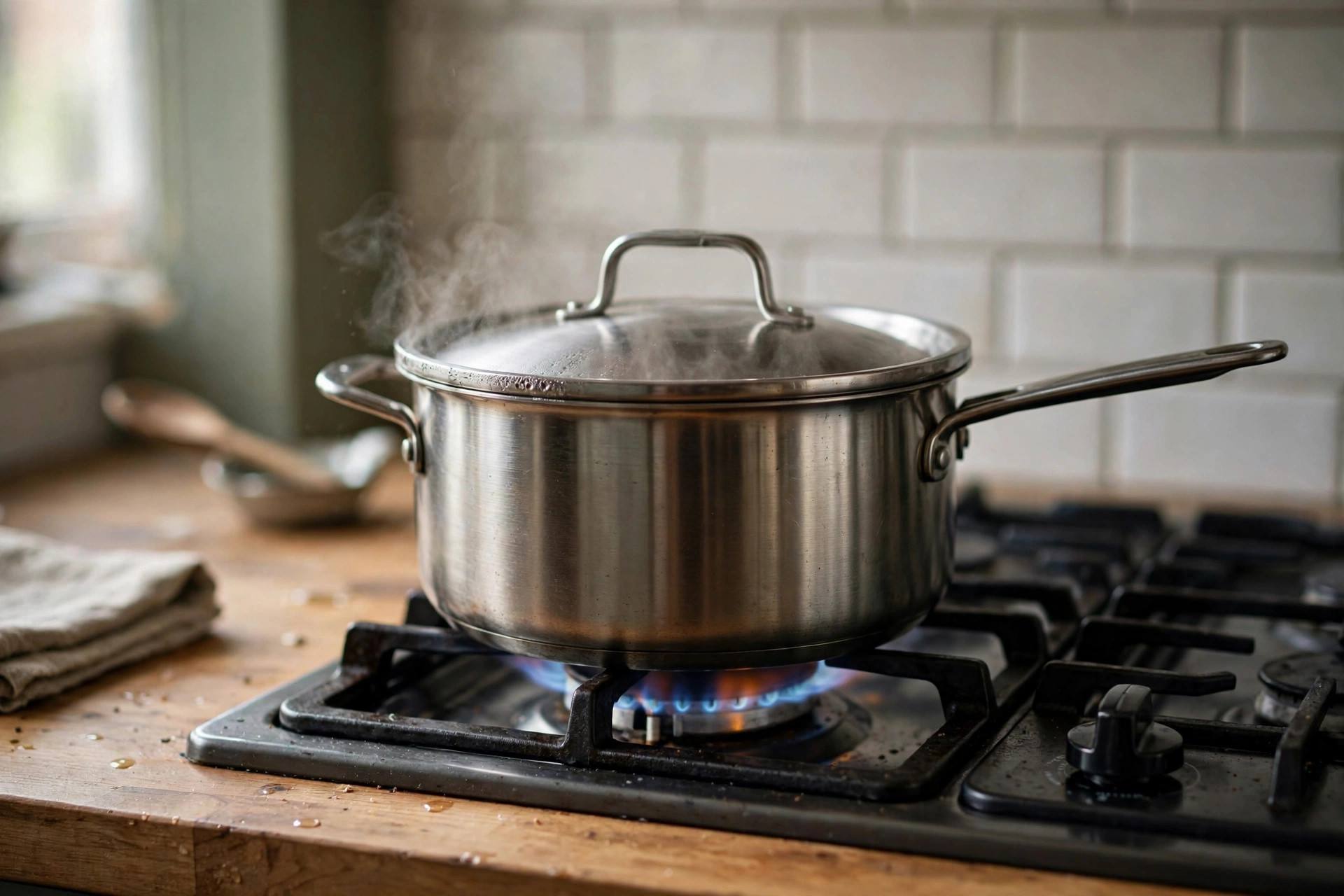
- Combine rice, water, and salt in a heavy-bottomed pot with a tight-fitting lid. A pinch of salt per cup of rice, plus a tiny drizzle of oil or a small knob of butter if you like — this adds flavor and helps keep grains separate.
- Bring to a boil over medium-high heat. You’ll see vigorous bubbling — that’s your cue for the next step.
- Immediately reduce to the lowest possible heat and put the lid on. This is the most important moment in the whole process. Low and slow from here.
- Simmer undisturbed for 15 minutes (white rice) or 40-45 minutes (brown rice). Do not lift the lid. Do not stir. Walk away. Trust the process.
- Remove from heat and rest for 10 minutes — still with the lid on. This resting step lets the moisture redistribute evenly. Skipping it is why the bottom is perfect and the top is crunchy.
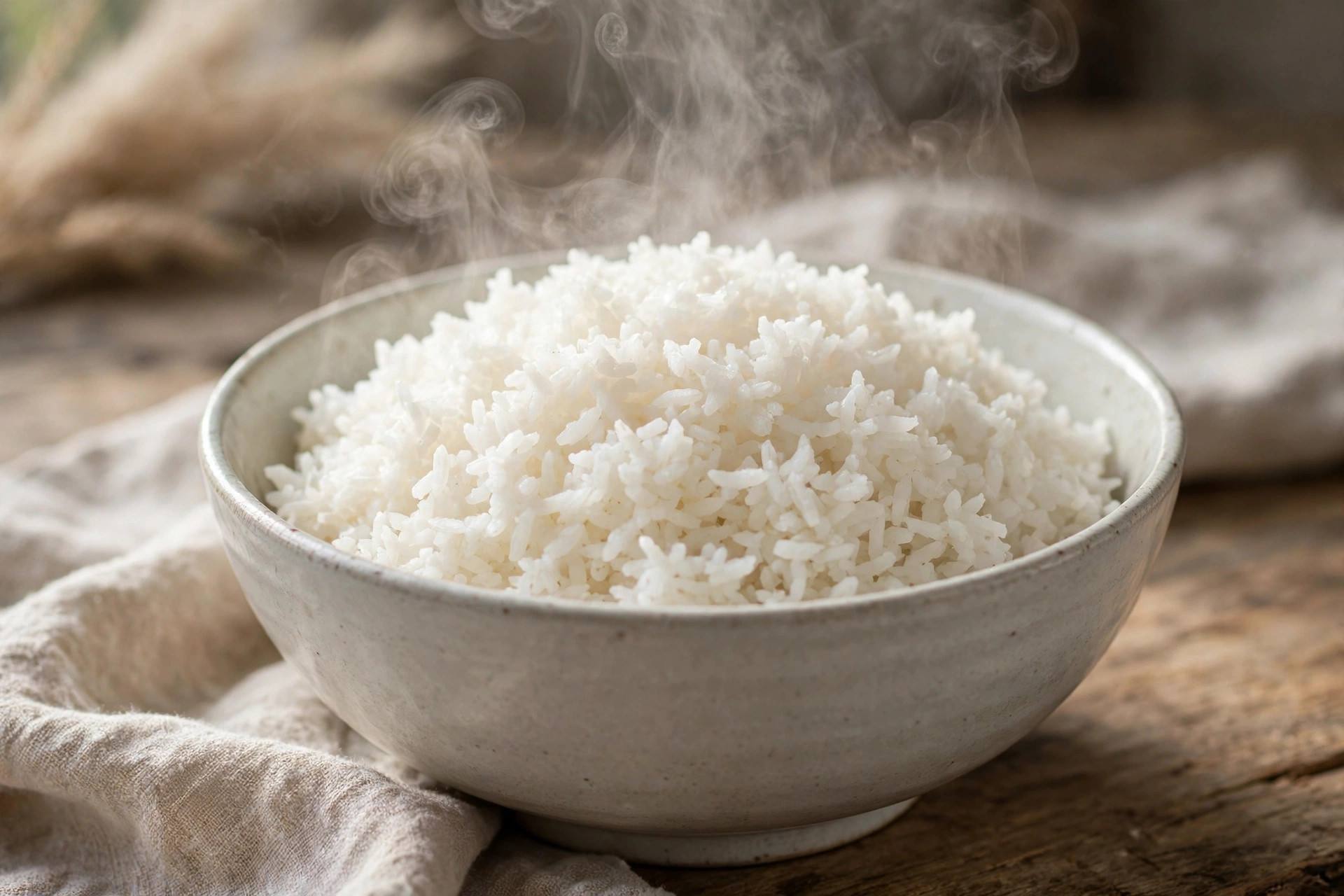
- Fluff with a fork — not a spoon, which mashes the grains. Gently separate the grains and let the steam escape. Admire your work.
Troubleshooting: Fixing Common Rice Problems
Mushy, wet rice: Too much water, or the heat was too low to maintain a proper simmer. Next time, reduce water slightly. For the current batch, spread it on a baking sheet and let it steam off, uncovered, for a few minutes — or turn it into fried rice, which actually prefers day-old rice anyway.
Crunchy, undercooked rice: Not enough water, heat too high (water evaporated before the rice cooked), or the lid didn’t seal. Sprinkle a few tablespoons of water over the rice, re-cover, and return to low heat for 5-10 minutes.
Burnt bottom layer: Heat was too high. The top is usually still fine — don’t stir the burnt part in. Scoop the good rice off the top into a fresh bowl. Next time, lower the heat and consider a heavier pot that distributes heat more evenly.
Sticky when you wanted fluffy: You probably skipped the rinse, or stirred during cooking. Remember: rinse for fluffy, don’t stir, and fluff only at the end with a fork.
Making Rice Ahead: Storage and Reheating
Cooked rice is one of the best meal-prep staples in existence — it pairs with everything and reheats beautifully if you do it right. Cool it quickly (spread it on a tray if you’re in a hurry), then refrigerate within an hour in an airtight container. It keeps well for 4-5 days.
To reheat, sprinkle a tablespoon of water over the rice per cup, cover, and microwave until steaming — the added water rehydrates the grains. Or stir-fry it straight from the fridge for fried rice, which is honestly one of the best uses of leftover rice in the world. If you love cooking in batches, my guide to what batch cooking is will help you build a whole weekly routine around staples like this.
One food-safety note from one home cook to another: rice can harbor bacteria if left at room temperature too long, so that “cool within an hour, refrigerate promptly” rule is worth following every time.
Little Touches That Elevate Your Rice
Once you know how to cook rice perfectly every time, these small additions make it something special:
- Cook in broth instead of water for instant savory depth.
- Add aromatics — a bay leaf, a smashed garlic clove, a strip of lemon zest, or a piece of ginger in the pot.
- Toast the rice in a little butter or oil for a minute before adding water — it adds a wonderful nutty flavor (this is the secret behind great pilaf).
- Coconut rice: replace half the water with coconut milk and add a pinch of sugar — heavenly with grilled anything.
- Herb rice: fold fresh chopped herbs through the hot fluffed rice — cilantro, parsley, dill, or scallions.
Brown Rice: Worth the Wait
Brown rice intimidates people because it takes longer and the texture is different — chewier, nuttier, heartier. But the method is the same; just adjust: more water (about 1¾ to 2 cups per cup of rice), a longer simmer (40-45 minutes), and the same sacred rest period. The bran layer that makes it nutritious also makes it thirsty, so don’t be shy with the water.
A reader favorite trick: bring brown rice to a boil, then turn off the heat completely, cover, and let it sit for an hour. The residual heat does the work gently. It sounds strange, but it produces wonderfully even results.
How Much Rice to Cook Per Person
One of the most common questions I hear: how much dry rice do I actually need? As a comfortable rule of thumb, plan on about half a cup of dry rice per person for a side dish, or three-quarters to one full cup per person if rice is the main event (like a rice bowl or fried rice dinner). Dry rice roughly triples in volume when cooked, so one cup dry becomes about three cups cooked — enough for two to three people as a side.
When in doubt, cook a little extra. Leftover rice is a gift to your future self — tomorrow’s fried rice, a quick rice pudding, or a speedy soup thickener. Rice is one of those rare foods that’s arguably better the second day, as long as you stored it properly.
FAQ
Do I really need to rinse rice before cooking?
For fluffy, separate grains — yes, it’s worth the 30 seconds. Rinsing removes excess surface starch that causes gumminess. The one exception is when you want stickiness, like sushi rice or risotto, where that starch is your friend.
Why is my rice always mushy?
The most common cause is too much water. Try reducing to 1¼ cups of water per cup of long-grain white rice, keep the heat truly low during simmering, and never skip the 10-minute rest — it lets excess moisture redistribute instead of pooling.
Can I cook rice without a lid?
Not with the absorption method — the lid traps the steam that finishes cooking the top layer of rice. Without it, you’ll get crunchy tops and mushy bottoms. If your lid doesn’t fit tightly, lay a clean kitchen towel between the pot and lid to seal it (keeping the towel away from the flame).
How long does cooked rice last in the fridge?
Properly cooled and stored in an airtight container, cooked rice keeps for 4-5 days. Cool it within an hour of cooking and refrigerate promptly — rice left at room temperature too long can develop harmful bacteria.
What’s the difference between jasmine and basmati rice?
Both are aromatic long-grain rices, but jasmine is slightly stickier and softer with a floral fragrance, while basmati cooks up drier with longer, more separate grains and a nutty aroma. Jasmine shines with Southeast Asian dishes; basmati is the classic partner for Indian and Middle Eastern food.