How Celebrities Prepare Skin for the Red Carpet (The 72-Hour Plan)

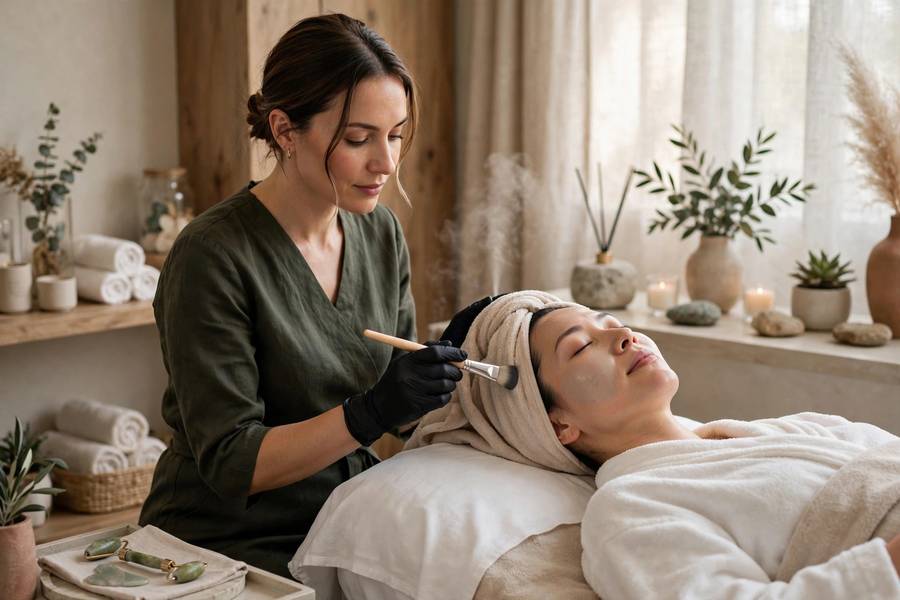
Three days before a major award show, the best facialists in Los Angeles are booked solid, and the waiting lists read like a seating chart. I have spent award weeks calling around for appointments and hearing the same thing: the stars booked a month ago. How celebrities prepare skin for the red carpet is not a day-of scramble. It is a seventy-two-hour operation with a schedule, a team, and rules about what is forbidden when.
Here is the plan, hour by hour, the way the pros run it.
72 Hours Out: The Last Real Treatment
Three days before the carpet is the last window for any real treatment. This is when the signature facial happens: deep cleansing, gentle exfoliation, extractions if needed, and a marathon of hydration. Oxygen treatments and lymphatic drainage are popular here because they boost circulation without downtime. I have watched facialists spend two full hours on a single pre-carpet client, and the skin afterward looks like it belongs to someone who has never heard of stress.
The key rule at seventy-two hours is nothing aggressive. No deep peels, no ablative lasers, no first-time treatments. Everything done now must be something the skin has tolerated before. The pros call this the trust window: only proven treatments, only familiar hands. A reaction now would be a catastrophe with no time to fix it, so nobody gambles.
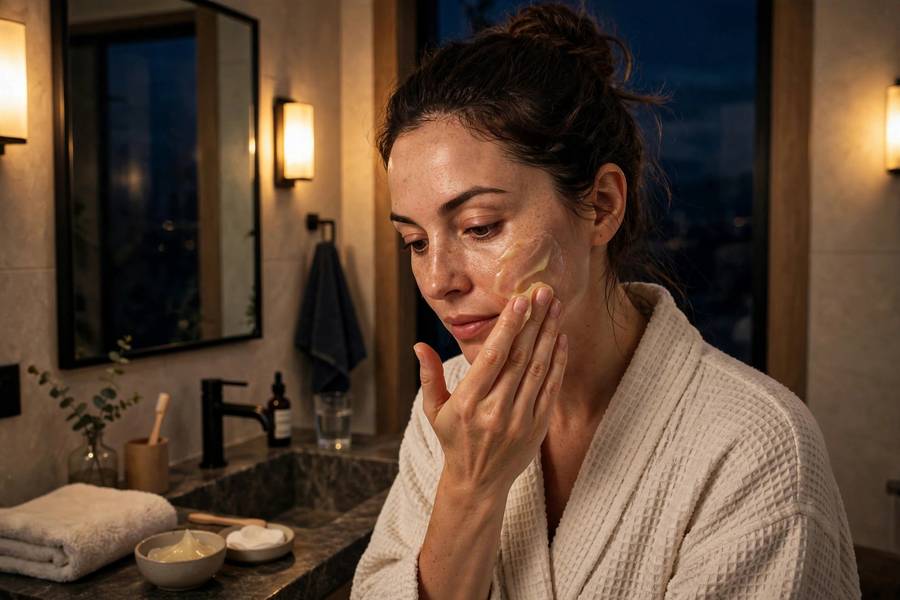
After the facial, the routine goes simple. Gentle cleanse, hydrating layers, rich moisturizer, sunscreen. The skin has been worked on; now it rests and drinks. Think of it as carb-loading for the face.
48 Hours Out: Hydration and Calm
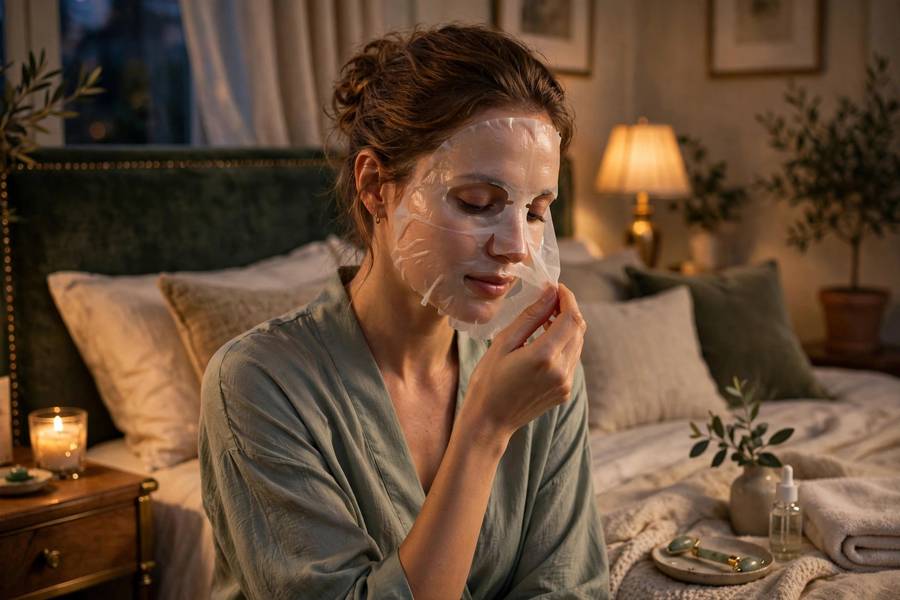
Two days out is about hydration and calm. Sheet masks, sleeping masks, hydrating serums layered like lasagna. I have seen stars do two sheet masks in a day at this stage, morning and night, and the facialists approve. The goal is to super-saturate the skin with water so that on show day, it is plump from within rather than dependent on makeup to fake it.
Sleep becomes a tactical concern. Early bedtime, cool room, no alcohol, minimal salt. Alcohol and salt both cause fluid retention and dullness, and at this level of preparation, everyone can see the difference. The discipline is real: I know stars who treat the two nights before a carpet like athletes treat the nights before a final. Nothing is left to chance.
This is also when diet gets boring on purpose. Hydrating foods, steady water intake, nothing that causes inflammation. It is seventy-two hours, not a lifestyle. Anyone can be disciplined for three days.
24 Hours Out: The Lockdown
The day before is the lockdown. No new products. No treatments. No touching the face. The routine is the trusted basics, executed perfectly. A gentle exfoliant is allowed only if it is a long-trusted one, and even then the pros usually skip it. The skin is in its final approach, and the only job is to not mess it up.
Evening brings the sleeping mask: a rich occlusive layer that seals in everything and lets the skin marinate overnight. Silk pillowcase, early bed, room cool and dark. I have heard of stars doing a final lymphatic self-massage before bed, ten gentle minutes, to ensure they wake up drained rather than puffy. It is a small thing that shows up on camera.
The mental game matters too. Stress shows on skin within hours through cortisol and inflammation. The veterans protect their calm the day before a carpet the way they protect their skin: no drama, no doomscrolling, early night. Glow is partly a nervous system state.
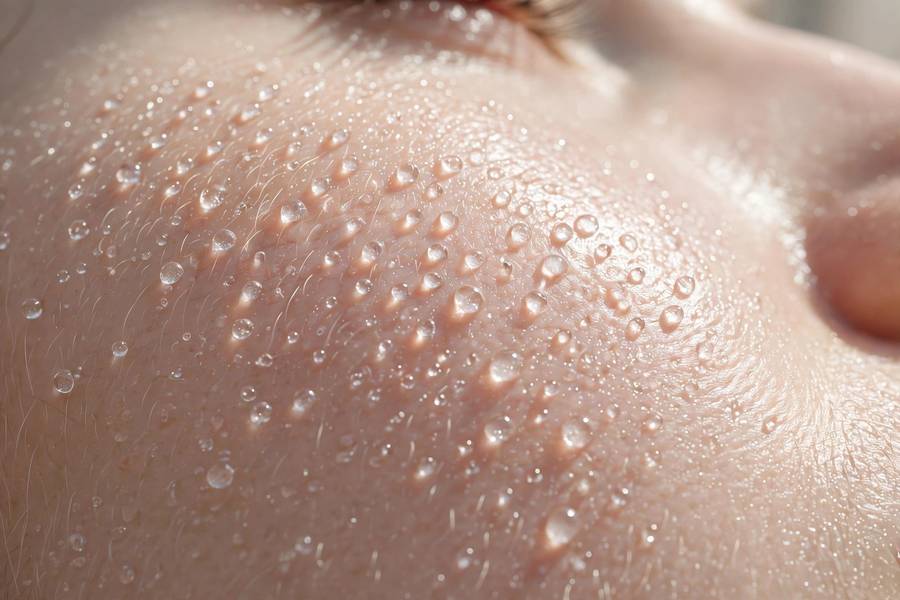
Show Day: The Morning Protocol
Show day morning runs like a flight checklist. Wake early enough that there is no rushing. Gentle cleanse or water rinse. Hydrating toner, serum, light moisturizer, sunscreen with time to set. Under-eye patches on while hair starts. Then the makeup artist takes over with the full prep: massage, more hydration, primer as the final skin step before foundation.
Timing is everything. Prep starts hours before the carpet, not minutes. I have seen call times at 11 a.m. for a 4 p.m. carpet, and most of that is skin and hair. Rushing is the enemy of glow. Every layer needs its minute, the sunscreen needs its set time, and the artist needs room to assess and adjust. The calm of the morning shows up in the photos as surely as the highlighter does.
Water intake stays steady, not excessive. A light, non-bloating meal midday. And then the carpet, where three days of discipline turn into thirty seconds of flashbulbs.
The Forbidden List
Every pro has a forbidden list for carpet week, and the items are consistent. No new products in the final week. No aggressive treatments in the final two weeks. No extractions in the final week except by the trusted facialist at the seventy-two-hour mark. No alcohol the final two nights. No picking, ever, but especially now. No trying the trending mask the night before because the internet said so.
The forbidden list exists because the biggest carpet disasters I have covered were all self-inflicted in the final forty-eight hours. A new peel, a new serum, a late night that was not worth it. The plan works because it is conservative. For the daily version of all this discipline, see the celebrity skincare routine guide, and the best red carpet looks show what seventy-two hours of prep looks like under the lights.
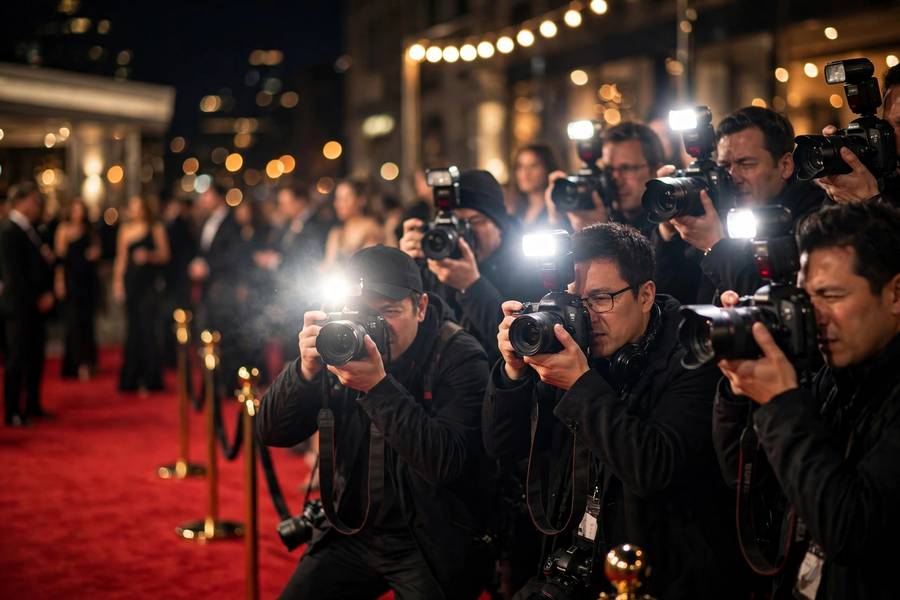
Seventy-two hours, one trusted team, zero experiments. That is how red carpet skin is made. The glow is not luck. It is logistics.
The Dress Deserves the Skin
Here is something the fashion coverage misses: the skin prep and the dress fitting are coordinated. I have seen stylists and facialists compare notes, because the neckline determines the skincare. A strapless gown means the chest and shoulders get the full treatment: exfoliation, hydration, sometimes a professional glow treatment for the body. An open back means the back facial, which is exactly what it sounds like and exactly as luxurious.
The body prep is the hidden half of red carpet beauty. Arms, shoulders, chest, legs: all moisturized, sometimes with a subtle illuminating product that catches the flashbulbs. I have watched body makeup artists spend an hour on legs alone, evening tone and adding glow, and the result photographs like a different person. The face gets the credit. The body did half the work.
It all comes together in the final look, and the archive proves it. The best Oscars red carpet dresses only work because the skin underneath was prepared with the same seriousness as the couture. Dress and skin are one project, planned together, executed by two teams that actually talk to each other. For the styling logic behind the pairings, the guide to dressing like a celebrity breaks down how the pros think in wholes, not parts.
The serious prep runs about 72 hours: the last real facial three days out, hydration focus two days out, a product lockdown the day before, and a slow, layered morning routine on show day. Aggressive treatments are scheduled weeks earlier.
Typically a long hydrating facial with gentle exfoliation, extractions only if needed, oxygen therapy, and lymphatic drainage — all familiar treatments with no downtime, done about three days before the event.
No. The day before is for trusted basics only. Anything new risks a reaction with no time to recover. The last professional treatment should be about three days out.
New products in the final week, aggressive treatments in the final two weeks, alcohol and excess salt in the final two nights, picking at skin, and any trending treatment you have never tried before.
Early bedtime, cool sleeping room, limited salt and alcohol the nights before, morning lymphatic massage, cold tools, and under-eye patches worn during hair styling.
Yes — it is the hidden half. Neckline determines the plan: chest, shoulders, back, arms, and legs get exfoliation, hydration, and sometimes illuminating body makeup. The dress and the skin are planned as one project.
Yes, scaled down. One week out: keep the routine simple and trusted. Three days out: a hydrating facial or a long sheet-mask session. The day before: no new products. Day of: layered hydration, under-eye patches, and no rushing. The discipline matters more than the professional.
The full professional version — signature facial, body treatments, touch-ups — runs into the thousands per event. But the structure is free: timing, simplicity, hydration, sleep. Most of the visible result comes from the plan, not the price tag.