The Longest Celebrity Press Tour Ever (By the Numbers)

Every few years, a tour comes along that breaks the scale: not weeks but months, not a dozen cities but dozens, a campaign so relentless it becomes the story. I have covered the edges of these marathons, and they are a different species from the standard tour. The longest celebrity press tours ever attempted are case studies in what happens when the machinery runs at full power for longer than any human should endure.
What counts as the longest depends on how you measure, so let us measure honestly.
How to Measure a Marathon
Length can mean three things: calendar days, cities visited, or interviews given. A tour might run twelve weeks but with rest gaps, which is different from twelve consecutive weeks of grind. It might hit twenty cities but with light schedules, or ten cities at full intensity. The honest measurement combines all three: sustained, high-intensity promotion over the longest period. By that standard, the true marathons are rarer than the legends suggest.
The franchise films dominate the conversation because their campaigns are built for endurance. When a property opens territory by territory across months, the talent does waves: a leg, a rest, another leg. Is that one tour or three? The studios count it as one campaign. The talent experiences it as recurring weather. For the record books, I count the campaign: first junket to last territory.
Award season complicates it further. A film that tours in summer and campaigns through winter has been promoted for half a year, but the award phase is a different animal. I keep them separate: the press tour is the release machine, the award campaign is the prestige machine.
The Contenders
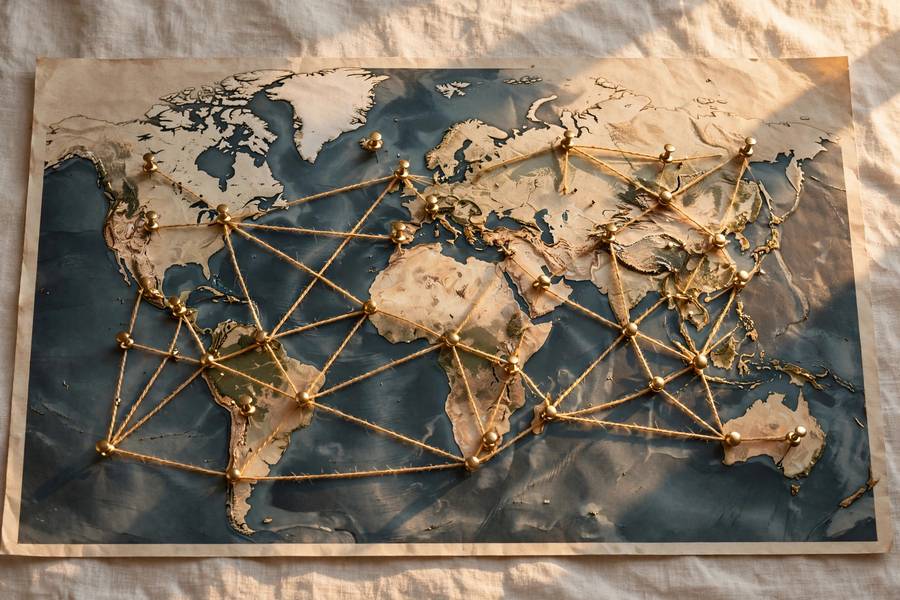
The marathon contenders share a profile: global franchises with staggered releases, where each territory’s opening demands its own push. I have seen campaigns with four distinct international legs spread over three months, each leg a full tour in miniature: junket-style days, premieres, fan events. The talent flies home between legs, rests for days, and goes again. By the final leg, the interviews have a surreal quality, like a band on the last dates of a world tour.
The music world offers the real comparison. Major concert tours run for a year or more, and the biggest film campaigns have started to resemble them in scale if not duration. The difference is intensity: a concert is two hours of performance, while a tour day is fifteen hours of being on. The film marathon compresses more exposure into less time, which is why it breaks people faster.
Then there are the victory laps: films that overperform and get extended campaigns the studio never planned. These are the longest in spirit, because nobody scheduled an end. The tour continues as long as the numbers justify it, and the numbers keep justifying it. Success is the cruelest scheduler.
Why Some Tours Never End
Three forces extend tours beyond reason. The first is staggered global release: when territories open weeks apart, each opening wants its moment, and the talent is the moment. The second is franchise expectation: the biggest properties have trained audiences to expect a world tour, and skipping markets reads as disrespect. The third is success itself: a hit film earns an extended victory lap, and nobody stops a winning campaign.
Behind these forces is the simple math of attention. In a fragmented media landscape, sustained presence is the scarcest resource. A tour that runs for months keeps the film in the conversation for months, and the conversation is the product. The studios have learned that the campaign is not overhead. The campaign is the release.
The talent’s leverage matters too. The biggest stars can cap their commitments, which is why the longest tours often feature ensemble casts: the burden spreads, the machine keeps moving, and no single person breaks. The ensemble marathon is the modern solution to the endurance problem.
The Human Cost of the Marathon
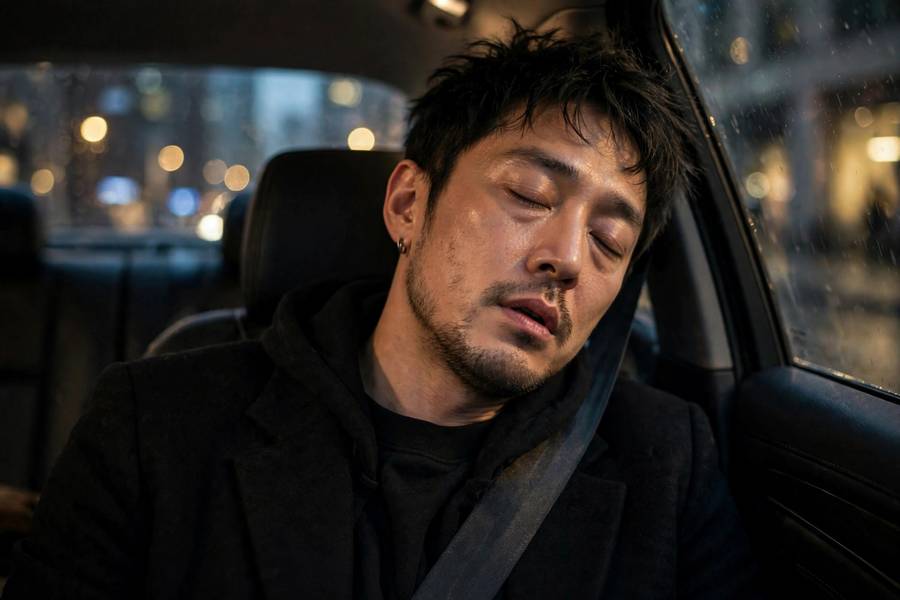
I want to be honest about what the marathon does to people. I have watched stars at the end of months-long campaigns, and the exhaustion is total: physical, vocal, emotional. The performance of enthusiasm, sustained for that long, hollows people out. Relationships suffer. Health wobbles. The glam team runs on fumes. Everyone involved describes the end of a marathon tour the way soldiers describe discharge: relief, disorientation, and a long sleep.
The industry knows this and plans around it. Rest legs are built in. Schedules include recovery days that are guarded like premieres. The best-run marathons treat endurance as a logistics problem: sleep hygiene, nutrition, exercise, routine. The stars who survive them best are the ones with the most boring discipline, which is a pattern I have seen across every corner of this business.
There is also a quiet reform movement: shorter commitments, more ensemble sharing, more long-form formats that replace volume with depth. The marathon will not disappear, but it is being humanized at the edges.
The Verdict
So what is the longest celebrity press tour ever? By the honest measure, sustained high-intensity campaigns for the biggest global franchises, running in waves across three to four months and dozens of cities, are the record holders. No single tour has a certified number, because the studios do not publish the data and the waves blur together. But the shape of the record is clear: the franchise era built the marathon, and the marathon keeps getting longer.
The more interesting question is whether the record should keep standing. For the anatomy of the machine, see what a press tour is and the funniest press tour moments that made the marathons bearable.
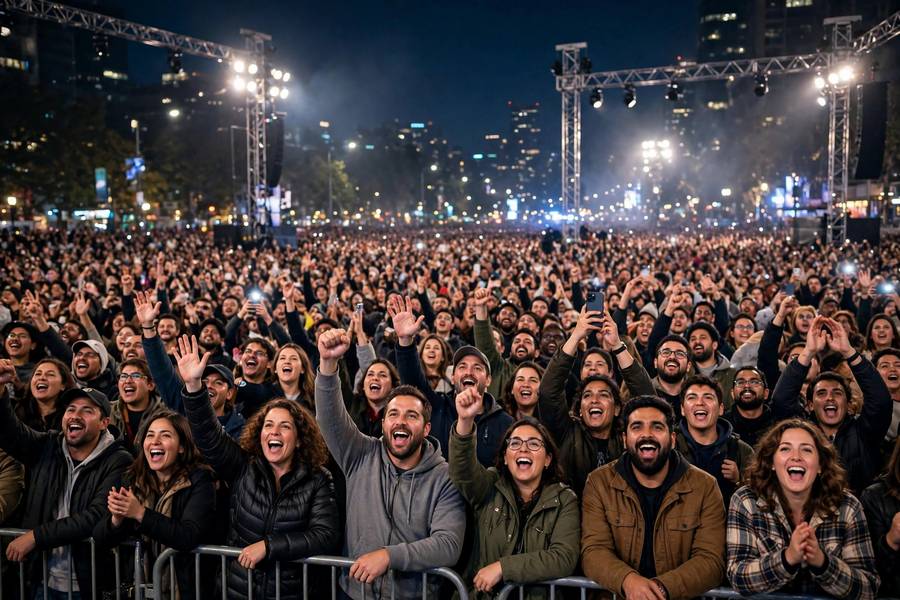
Months on the road, dozens of cities, thousands of interviews. The longest tours are monuments to the industry’s belief that presence is everything. They are also reminders that everything has a human cost, even the things that look like glamour.
The Interviews That Survived the Marathon
The strange gift of the marathon tour is what it does to interviews. In week one, the answers are polished. By week six, the polish is gone, and what is left is either exhaustion or honesty. I have heard the most revealing things stars ever said in the final leg of long campaigns, when the filter simply gave out. The marathon breaks the talking points, and sometimes what emerges is better.
Journalists learn to exploit this gently. The final-leg interview is a different assignment: less about the film, more about the experience. How was the tour? What did you learn? The answers, given by someone who has answered everything else a hundred times, have a candor the early interviews never reach. Some of the best celebrity interviews on record came from the exhausted end of marathons, when the performance finally dropped.
There is a lesson in this for the whole format. The tour’s greatest weakness, its grinding repetition, is also its greatest strength: it wears down the artifice. The marathon does not just promote the film. It reveals the people, one tired, honest answer at a time.
There is no certified record, but the longest campaigns are the multi-wave global franchise tours running three to four months across dozens of cities. Studios do not publish official numbers, so the record is a shape rather than a statistic.
By calendar span, cities visited, and interview volume combined. Multi-leg campaigns with rest gaps count as one campaign from first junket to last territory, which is how the marathons reach their scale.
Staggered global releases (each territory wants its moment), franchise expectations of world tours, and success itself — overperforming films earn extended victory laps that nobody scheduled.
Ruthless routine: consistent sleep, nutrition, exercise, and guarded recovery days. Ensemble casts spread the burden. The best-run marathons treat endurance as a logistics problem.
Both. Tentpoles run longer marathons, while the broader trend favors shorter, higher-impact campaigns and long-form formats. The industry is simultaneously extending the extremes and humanizing the middle.
Often yes. By the final leg the polish is gone and the talking points are exhausted, producing unusual candor. Some of the best celebrity interviews on record came from marathon finales, when the performance finally dropped.
They help when the film has momentum — the sustained presence keeps it in the conversation for months. But diminishing returns set in: beyond a point, each additional city costs more in human exhaustion than it earns in tickets. Studios extend winners and cut losers.
Concert tours run far longer — a year or more — but a concert is two hours of performance. A film tour day is fifteen hours of being on. The film marathon compresses more exposure into less time, which is why it breaks people faster.