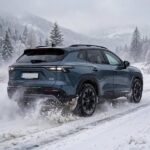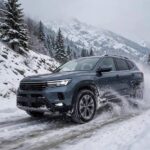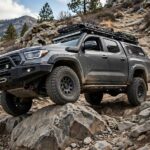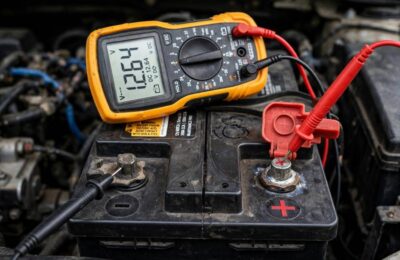
Car shoppers get paralyzed by drivetrain letters, and salespeople don’t help — every drivetrain is “the best” depending on which one they’re selling. Thirty years under cars gives you a simpler view: FWD, RWD, and AWD are three answers to one question — which wheels get the engine’s power — and each answer suits different drivers, different climates, and different budgets. No mystique, just tradeoffs. Here’s the honest breakdown. For the related AWD-vs-4WD confusion, see AWD vs 4WD.
Table of Contents
- What the Letters Mean
- FWD: Front-Wheel Drive
- RWD: Rear-Wheel Drive
- AWD: All-Wheel Drive
- Head-to-Head: The Tradeoffs
- Snow, Rain, and Real-World Traction
- Maintenance and Repair Costs
- Which One Should You Buy?
- Frequently Asked Questions
What the Letters Mean
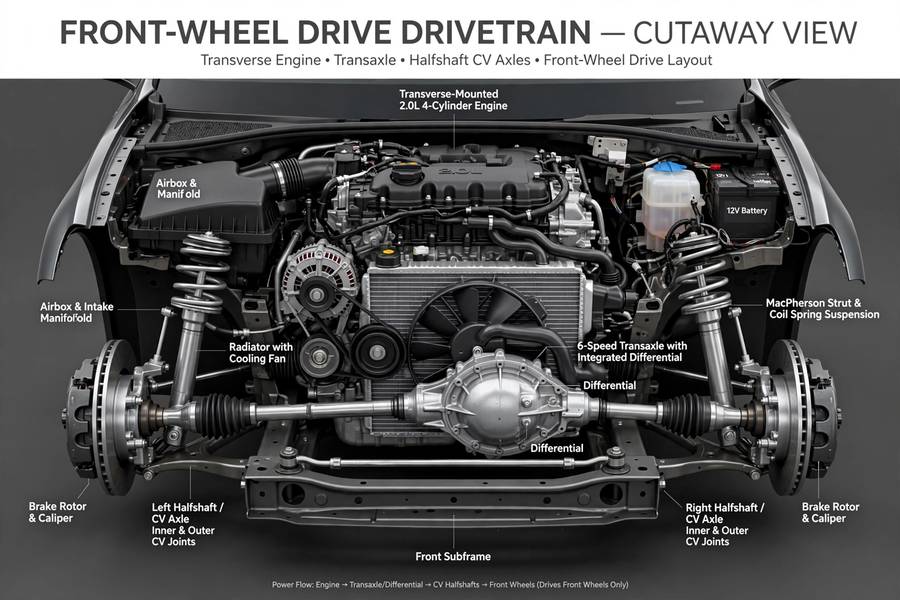
- FWD (front-wheel drive): the engine drives the front wheels. The front wheels both steer and propel the car. The most common layout in the world — most sedans, hatchbacks, crossovers, and minivans.
- RWD (rear-wheel drive): the engine drives the rear wheels, through a driveshaft running the car’s length. The front steers, the rear pushes. Traditional sports cars, muscle cars, many luxury sedans, and most pickup trucks.
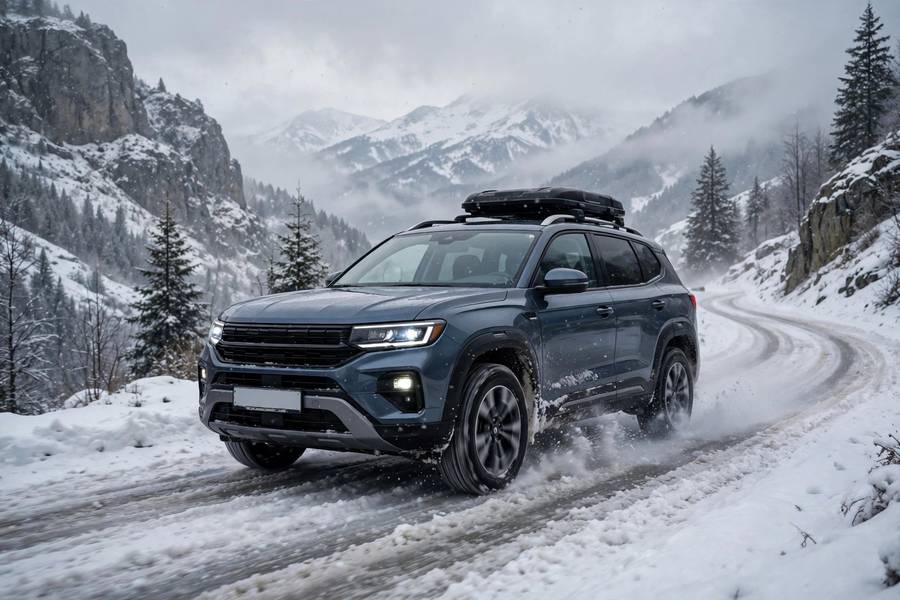
- AWD (all-wheel drive): all four wheels can receive power, with the system distributing it automatically between front and rear as conditions demand. Crossovers, SUVs, performance sedans, and anything marketed for “all-weather confidence.”
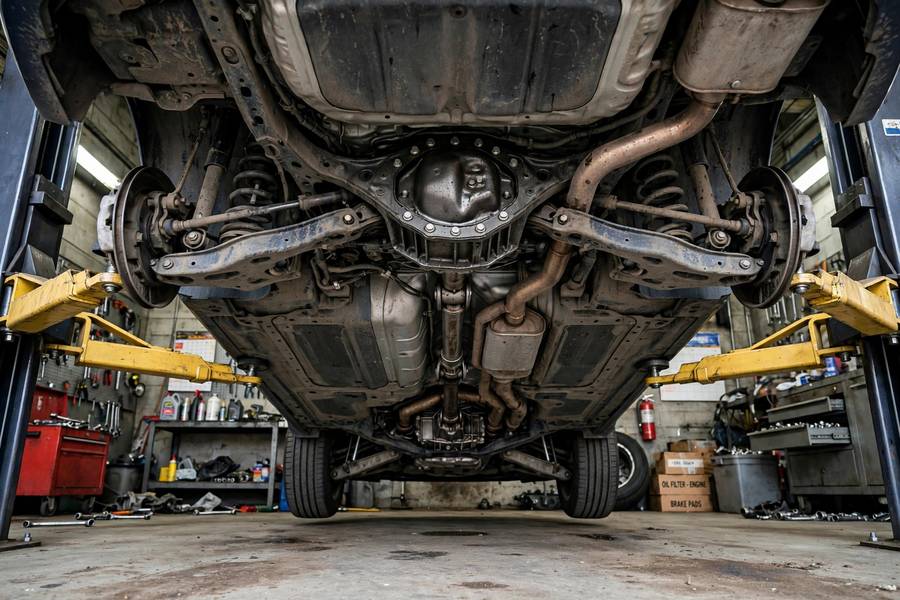
The mechanical headline: FWD is simplest (engine, transaxle, and driven wheels all up front — compact, cheap). RWD adds a driveshaft and rear differential (balanced, but more parts). AWD adds a center differential or clutch pack plus all the RWD hardware (most complex, most capable in low traction).
FWD: Front-Wheel Drive
How it works: engine and transmission sit transversely (sideways) up front, driving the front axles directly through a transaxle. Short power path, minimal hardware.
Strengths: – Cheap to build, cheap to buy. Fewer parts, simpler assembly — the economy car’s natural layout. – Good in bad weather (for 2WD). The engine’s weight sits over the driven wheels, aiding traction on snow and rain. A FWD car with good tires embarrasses a RWD car with bad tires in winter. – Space efficient. No driveshaft tunnel means more cabin room — why minivans and small crossovers are FWD. – Fuel efficient. Less drivetrain mass and friction than AWD or RWD.
Weaknesses: – Torque steer. Powerful FWD cars tug the steering wheel under hard acceleration — the driven wheels are also the steered wheels, and physics complains. Mostly a non-issue under 250 hp; noticeable above it. – Nose-heavy handling. All the mass up front means understeer (the car wants to go straight in corners) and less balanced feel. Fine for commuting; uninspiring for enthusiasts. – Traction limits. Ask the front tires to steer, accelerate, and handle most braking — there’s only so much grip to divide. High-power FWD hits a traction ceiling RWD doesn’t.
Verdict from the lift: FWD is the rational default for most drivers. It’s the drivetrain of the sensible car — and there’s no shame in sensible. Most of the reliable, cheap-to-run cars I’ve serviced for decades are FWD.
RWD: Rear-Wheel Drive
How it works: engine up front (usually longitudinal), driveshaft down the middle, rear differential splitting power to the rear wheels. The classic layout.
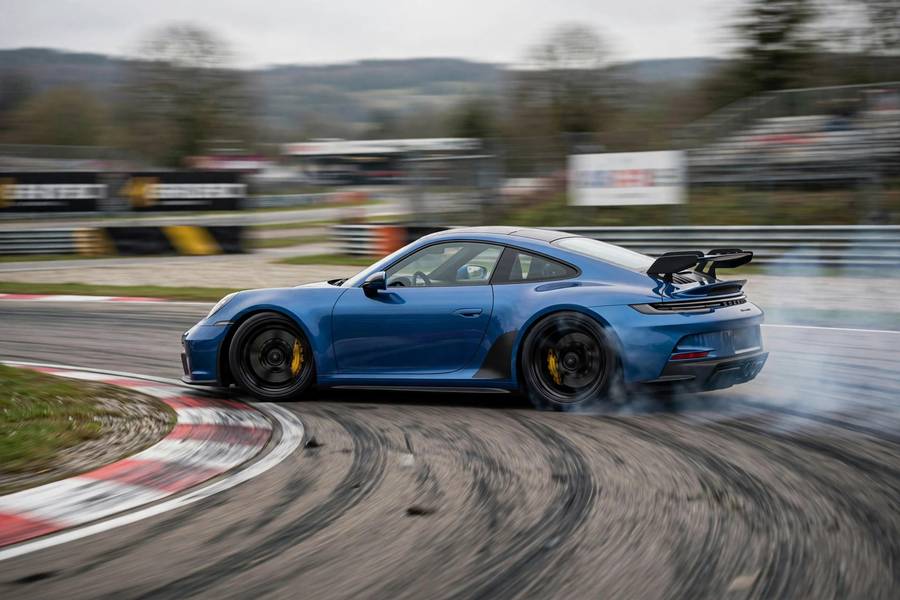
Strengths: – Balanced handling. Weight distributed more evenly; steering and driving duties separated between axles. The enthusiast’s choice for a reason — the car feels neutral and communicative. – Better traction under acceleration. Weight transfers rearward when you accelerate, pressing the driven wheels down — physics working for you. This is why drag racers and sports cars are RWD. – Durability under load. RWD hardware handles power and towing better — which is why trucks stay RWD-based. Simple, robust, proven. – Tighter turning. Without drive axles constraining the front wheels, RWD cars often turn tighter.
Weaknesses: – Poor in snow/ice (without help). Light rear end + driven rear wheels = the classic fishtail. Modern traction control tames it enormously, but the physics disadvantage is real. Good winter tires close much of the gap — tires matter more than drivetrain, a point I’ll keep making. – Driveshaft tunnel. Eats cabin space — the hump in the middle of the back seat. – Slightly worse fuel economy than equivalent FWD (more drivetrain loss).
Verdict from the lift: RWD is the driver’s drivetrain and the worker’s drivetrain — sports cars and trucks, passion and payload. For snowy climates as a daily driver, it’s the hardest sell of the three unless you’ve got winter tires and realistic expectations.
AWD: All-Wheel Drive
How it works: power goes to all four wheels through a center differential or electronically controlled clutch pack that varies the front/rear split — some systems are FWD-biased until slip is detected, others run a constant split, performance systems actively shuffle torque side to side.
Strengths: – Best all-weather traction. Four driven wheels find grip where two can’t. Rain, snow, gravel — AWD’s advantage is real and immediately felt. – Launch traction. AWD cars rocket off the line — all four tires sharing the load. Performance AWD is brutally effective. – Confidence. The subjective feeling of stability in bad weather sells cars, and it’s not imaginary — the system genuinely corrects slides before you feel them. – No driver input needed. Unlike 4WD (see AWD vs 4WD), AWD is automatic — no levers, no modes to forget.
Weaknesses: – Cost. More hardware = higher purchase price, typically $1,500-3,000 over the FWD version. – Fuel economy. Extra weight and drivetrain drag cost 1-3 MPG versus the 2WD version. Over the car’s life, that’s real money. – Maintenance and repairs. More differentials, more fluids, more things to wear. A center differential or transfer case replacement is a four-figure repair. And the tire rule: AWD vehicles generally need all four tires matched in tread depth — one new tire among three worn ones can damage the center diff. That turns a single flat into a four-tire purchase more often than owners expect. – False confidence. AWD helps you go; it doesn’t help you stop or turn any better than 2WD. Every winter I see AWD vehicles in ditches, driven by people who confused traction with invincibility. Braking is tires and physics — drivetrain irrelevant.
Verdict from the lift: AWD is excellent protection in bad weather and the right call for many buyers — just buy it with eyes open about the costs, and never let it substitute for good tires.
Head-to-Head: The Tradeoffs
| FWD | RWD | AWD | |
|---|---|---|---|
| Purchase cost | Lowest | Mid | Highest |
| Fuel economy | Best | Mid | Worst |
| Bad-weather go | Good | Worst | Best |
| Handling feel | Understeer-y | Balanced | Stable, less playful |
| Maintenance cost | Lowest | Mid | Highest |
| Towing/hauling | Worst | Best | Good |
| Tire replacement flexibility | High | High | Low (match all four) |
The pattern: capability costs money — upfront, at the pump, and in the shop. FWD is the value play, RWD the enthusiast/work play, AWD the foul-weather play. None is “best” in the abstract; each is best for someone.
Snow, Rain, and Real-World Traction
The question I get most: “I get snow — do I need AWD?” My honest answer, after decades in a four-season climate:
Tires matter more than drivetrain. A FWD car on proper winter tires out-brakes, out-turns, and mostly out-accelerates an AWD car on all-seasons. The tire is the only thing touching the road — everything else is negotiating through it. If your budget forces a choice between AWD and winter tires, take the tires every time.
AWD’s real advantage is getting moving — unplowed streets, steep driveways, deep slush. If your winter involves regularly driving through snow rather than on plowed roads, AWD earns its keep.
RWD in winter is manageable with winter tires and traction control — millions do it — but it’s the most demanding combination. If you’re choosing a daily driver for a snowy climate and winter driving isn’t your hobby, don’t start here.
Rain: the differences shrink. All three are fine in rain with decent tires; AWD’s edge is mainly in standing water and hydroplaning resistance during acceleration.
My hierarchy for winter safety: winter tires first, sensible driving second, drivetrain third. Get the order right and any of the three works.
Maintenance and Repair Costs
The shop bill tells the drivetrain story in dollars:
- FWD: cheapest to maintain. Transaxle service, CV axles every 100k+ miles ($300-600 per side when they go), otherwise unremarkable. The economy layout earns its name in the shop too.
- RWD: driveshaft U-joints, rear differential fluid changes, generally robust hardware. Slightly more to service than FWD, but the components are simple and long-lived.
- AWD: the expensive one. Transfer case / center differential fluid services (often neglected — don’t neglect them), more CV joints, and the big-ticket risk: center differential or transfer case failure ($1,500-4,000). Plus the matched-tires rule adding hundreds to every tire purchase.
When I inspect a used AWD vehicle (how to buy a used car covers the full checklist), the transfer case service history is one of the first things I ask about. Neglected AWD fluids are a time bomb with a 100,000-mile fuse.
Which One Should You Buy?
Decision time — match the drivetrain to your reality:
- Buy FWD if: you want the lowest cost of ownership, you drive mostly in mild climates or cities, fuel economy matters, or you’re buying the sensible family car. The default right answer for most people.
- Buy RWD if: you’re an enthusiast who values handling feel, you tow or haul regularly (truck-based RWD), or you just love the traditional sports-car formula. Accept the winter compromise with proper tires.
- Buy AWD if: you face real winter weather regularly, you drive rural/gravel/mountain roads, you want maximum all-weather confidence, or the performance model you want only comes as AWD. Budget for the purchase premium, the MPG hit, and the maintenance.
And the universal advice regardless of letters: spend the drivetrain savings on tires if you have to choose. The best drivetrain on bald all-seasons loses to the worst drivetrain on good rubber. I’ve said it three times in this article because it’s the most valuable sentence in it.
One more consideration for the performance-minded: the best affordable sports cars list leans RWD for a reason — but a few AWD entries prove the point that the “right” drivetrain depends on what you’re optimizing for.
Frequently Asked Questions
FWD drives the front wheels (most common, cheapest, efficient); RWD drives the rear wheels via a driveshaft (balanced handling, better for towing); AWD drives all four wheels automatically (best all-weather traction, highest cost and maintenance).
AWD has the best traction for getting moving in snow, FWD is decent (engine weight over driven wheels), and RWD is the most challenging. But winter tires matter more than drivetrain — a FWD car on winter tires beats an AWD car on all-seasons in braking and turning.
If you regularly drive in snow, rural, or mountain conditions, yes — the traction is genuinely valuable. Otherwise the $1,500-3,000 premium, 1-3 MPG penalty, higher maintenance, and matched-tire requirements make FWD the better value for most drivers.
No. AWD helps you accelerate and maintain traction, but braking and cornering grip depend on tires, not drivetrain. AWD vehicles in ditches every winter prove that all-wheel drive doesn’t mean all-wheel stop.
AWD systems constantly balance power between axles; tires with different tread depths (different rolling diameters) make the center differential work overtime, causing premature wear or failure. One new tire among three worn ones can damage the system — often forcing four-tire replacement.