Types of Minimalism: Find the Style That Fits Your Life

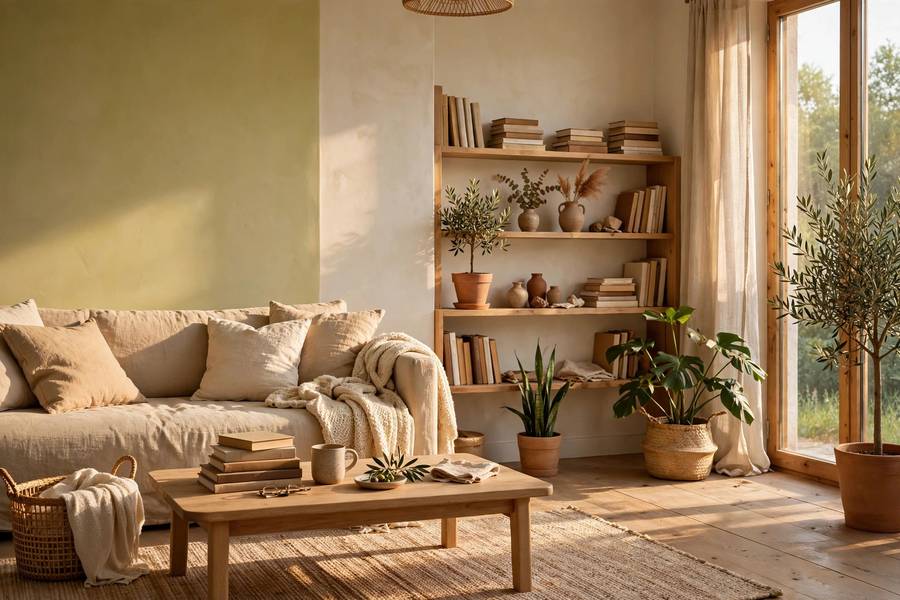
When I started exploring minimalism, I assumed it was one thing — and that I was doing it wrong, because my version didn’t look like the pictures. My home had color. I owned hobby gear. I wasn’t counting possessions. It took me a while to learn that minimalism isn’t a single lifestyle; it is a family of approaches, each emphasizing different values. (Start with what minimalism actually means if you are new.) Finding your type is what makes it sustainable — forcing yourself into the wrong type is why most people quit.
Here are the main types of minimalism, honestly described: what each values, who it suits, where it goes too far, and how to tell which one (or which mix) is yours.
In this guide:
- Aesthetic Minimalism
- Essentialism (the ‘Less but Better’ School)
- Frugal Minimalism
- Eco / Sustainable Minimalism
- Digital Minimalism
- Experiential Minimalism
- Slow / Mindful Minimalism
- Finding Your Type (or Mix)
Aesthetic Minimalism
What it is: Minimalism as visual philosophy — clean lines, neutral palettes, open space, every object beautiful or invisible. This is the Instagram version, and while it’s often mocked as superficial, the aesthetic has a real psychological basis: visual calm genuinely reduces stress for many people.
Who it suits: Design lovers, visual thinkers, people whose stress is specifically visual (if clutter you can see bothers you more than clutter in closets). It pairs naturally with small-space living, where visual simplicity makes rooms feel larger.
Where it goes too far: When the look requires buying new things — replacing functional colorful items with beige versions is consumerism in a costume. The test: would this space still be minimalist if nobody photographed it? If the answer involves a shopping list, it’s decoration, not philosophy.
The healthy version: Let the aesthetic emerge from the editing, not precede it. Declutter deeply, keep what you love (even if it’s red), and arrange the survivors beautifully. My home leans this way in the living areas — not because I chased the look, but because removing excess revealed that I like calm visuals.
Essentialism (the ‘Less but Better’ School)
What it is: Popularized by Greg McKeown’s “Essentialism,” this type applies minimalism to time, energy, and commitments rather than just stuff. The mantra: “less but better.” It’s about discerning the vital few from the trivial many — in projects, obligations, goals, and possessions (your closet included — see the capsule wardrobe guide).
Who it suits: Overcommitted professionals, parents drowning in obligations, anyone whose problem is too many yeses rather than too many things. If your closets are fine but your calendar is chaos, you’re probably an essentialist, not a declutterer.
Where it goes too far: Analysis paralysis — spending so long discerning the essential that nothing gets done. Or using “essentialism” to justify avoiding hard-but-meaningful commitments. Saying no to everything isn’t discernment; it’s avoidance wearing a philosophy costume.
The healthy version: Regular “what is essential?” reviews — quarterly for life direction, weekly for the calendar — essentially how to do a life audit on repeat. Protect the vital few fiercely; release the rest gracefully. It’s the most transferable type: the essentialist lens improves careers, relationships, and health, not just closets.
Frugal Minimalism
What it is: Minimalism motivated by money — spending as little as possible, maximizing savings rate, often aimed at financial independence or early retirement. Every purchase is interrogated: is this worth the life-energy it costs? (That framing comes from “Your Money or Your Life,” the frugal minimalist’s bible.)
Who it suits: The debt-crushers, the FIRE aspirants, anyone whose financial anxiety would ease with a bigger buffer. It’s powerfully motivating because the scoreboard is concrete: savings rate, net worth, months of freedom.
Where it goes too far: Deprivation miserliness — skipping the $4 coffee with a friend to save for a future that never quite arrives. Frugality should fund freedom, not punish the present. If your savings rate is making you miserable, the math is wrong, because the point was a better life.
The healthy version: Ruthless on the big three (housing, transport, food — where the real money lives), generous on what genuinely matters to you. My frugal-minimalist friend saves 40% of her income and still travels — because travel is her “enough” splurge, chosen deliberately among cut everything-else.
Eco / Sustainable Minimalism
What it is: Minimalism motivated by planetary impact — owning less, buying used, repairing, choosing durable goods, reducing waste. The Venn overlap with zero-waste living is large. The question shifts from “does this serve me?” to “does this serve me without harming what I love about the world?”
Who it suits: The environmentally conscious, gardeners, makers, anyone whose minimalism started with horror at landfill footage. It gives minimalism a mission beyond personal calm, which sustains motivation through the boring middle months.
Where it goes too far: Purity spirals — the guilt over every plastic wrapper, the performative package-free shopping that takes four hours. Individual action matters, but eco-minimalism works best aimed at the big levers (consumption volume, diet, transport, energy) rather than wrapper-level perfection.
The healthy version: Buy less (the greenest product is the one not made), buy used first, repair what breaks, choose durable over disposable. The eco-minimalist home tends toward the simple-living end: jars, mending kits, garden tools — possessions, yes, but ones that reduce ongoing consumption.
Digital Minimalism
What it is: Cal Newport’s philosophy applied as a lifestyle type: curating your digital life as ruthlessly as your closet. Fewer apps, fewer feeds, fewer notifications — technology as tools, not slot machines. The attention economy is the clutter; intentionality is the decluttering.
Who it suits: Knowledge workers, the chronically distracted, anyone who looked at their screen time and felt ill. In 2026, this might be the most impactful type — the average person’s digital clutter exceeds their physical clutter by orders of magnitude.
Where it goes too far: Tech-phobia cosplay — smashing smartphones for social credit while secretly needing one for work. Or digital purity that isolates you (quitting the group chat where your actual friends coordinate). Tools that serve real relationships stay; the test is always value, not virtue.
The healthy version: The 30-day digital declutter, then selective reintroduction on your terms. Notifications for humans only. Feeds on schedule, not impulse. A phone that’s a tool, not a boss. Most practitioners recover 2+ hours daily — the highest-ROI minimalism there is.
Experiential Minimalism
What it is: Minimizing possessions specifically to maximize experiences — travel, learning, relationships, adventure. Stuff is dead weight; memories are the portfolio. This type often overlaps with location independence: the fewer things you own, the freer you are to go.
Who it suits: Travelers, the young and unrooted, retirees spending the kids’ inheritance on cruises (said with love), anyone who lights up at “remember when” more than “look what I bought.”
Where it goes too far: Experience-collecting as its own consumerism — the checklist travel, the performative adventures, the “pics or it didn’t happen” pressure. Experiences can become possessions with better lighting. The question “did I enjoy it or did I document it?” keeps this type honest.
The healthy version: Spend on what you’ll remember, skip what you won’t. My experiential-minimalist friend’s rule: “Will I tell this story in five years?” Yes = worth it. It’s a great filter — it kills both junk purchases and junk experiences.
Slow / Mindful Minimalism
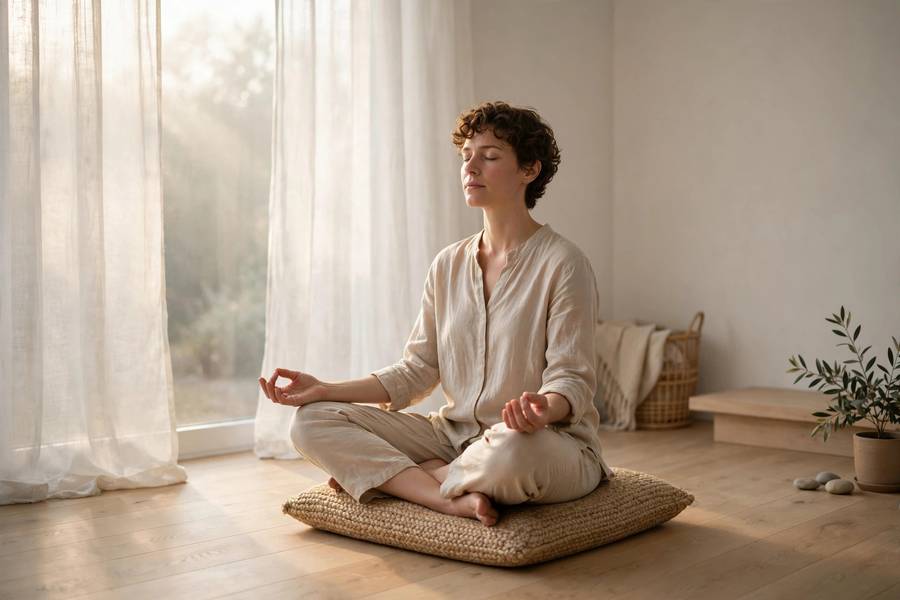
What it is: Minimalism as a mindfulness practice — fewer inputs (possessions, media, commitments, speed) to create space for presence. Overlaps heavily with slow living: single-tasking, rituals, analog pleasures, deliberate pace. The clutter being cleared is largely internal: hurry, distraction, mental noise.
Who it suits: The burned-out, the anxious, recovering hustle-culture adherents, anyone whose nervous system needs less. If your fantasy is a quiet morning with tea rather than an empty closet, this is your type.
Where it goes too far: Weaponized slowness — judging others’ pace, or using “mindfulness” to avoid necessary action. Slow is a means (presence, health), not a moral status. And privilege check: slowness is easier with security; don’t preach it to people in survival mode.
The healthy version: Morning and evening rituals, phone-free hours, single-tasking practice, saying no to hurry without guilt — often anchored by a best morning routine for success. It’s the least visible type — no before-and-after photos — and often the most transformative, because it changes the experiencer, not just the environment.

Finding Your Type (or Mix)
Here’s the liberating truth: you don’t have to pick one. Most sustainable minimalists are hybrids — I’m primarily essentialist (time and commitments) with strong digital-minimalist practices, eco-minimalist purchasing habits, and a touch of the aesthetic in my living room. The types are lenses, not identities.
To find your mix, ask: What’s actually burdening me? Too much stuff → start aesthetic/essentialist decluttering. Too many commitments → essentialism. Money anxiety → frugal. Screen-time shame → digital. Planet grief → eco. Boredom with things → experiential. Burnout → slow/mindful. Start with the pain point; the philosophy follows the problem.
And revisit yearly. Types evolve — I started as aesthetic-adjacent (I liked the calm look), discovered my real issue was time (essentialism), then realized my phone was the biggest clutter (digital). Your type at year one won’t be your type at year five, and that’s not inconsistency — it’s growth. The only wrong type is the one that doesn’t fit your actual life. Try them on like clothes: keep what fits, release the rest. Very minimalist of you.
The main types are: aesthetic (visual calm), essentialist (fewer but better commitments), frugal (money-focused), eco/sustainable (planet-focused), digital (attention-focused), experiential (experiences over things), and slow/mindful (presence over pace). Most practitioners are hybrids, blending 2-3 types that fit their life.
Start with whatever addresses your biggest pain point: drowning in stuff → decluttering-focused aesthetic/essentialist minimalism; chaotic calendar → essentialism; money stress → frugal; screen-time shame → digital. The best type is the one that solves your actual problem, not the one that photographs best.
Yes — most long-term minimalists are hybrids. A common mix is essentialist time management + digital minimalism + eco-conscious purchasing. The types are lenses, not identities; use whichever combination fits your life and revisit yearly as your needs evolve.
Aesthetic minimalism prioritizes visual simplicity (neutral palettes, clean lines, photogenic spaces); practical minimalism prioritizes function (everything earns its place regardless of looks). The healthiest approach lets aesthetics emerge from deep editing rather than chasing the look through new purchases.
Yes — it’s the application of minimalist principles to your digital life: fewer apps, feeds, and notifications, with technology as intentional tools rather than attention slot machines. For many people in 2026, digital clutter exceeds physical clutter, making it the highest-impact type to practice.