How to Increase Pull-Ups: 8 Proven Ways to Add Reps


Stuck at 5 pull-ups? 8? 12? Welcome to the plateau — every lifter meets it, and it’s not a sign that you’ve hit your genetic ceiling. It’s a sign that whatever got you here won’t get you further. The random “do a few sets when I feel like it” approach that built your first reps has run its course. To add reps from here, you need deliberate programming: the right method for your level, applied consistently for 8 to 12 weeks.
I’ve broken more pull-up plateaus than I can count, and they almost always break the same way — not with a secret exercise, but with a method matched to the actual limiter. Here are eight proven methods, who each one is for, and exactly how to run them.
Why Pull-Ups Stall (Diagnose First)
Before picking a method, figure out why you’re stuck. The three usual culprits:
The strength limiter: You fail 3 to 4 inches below the bar — you can’t finish reps. Your max is under 8. The fix is getting stronger per rep: weighted work, low-rep strength programming.
The endurance limiter: Your first 6 reps feel fine, then you fall off a cliff. Your max is 10 to 15 but you can’t do multiple sets. The fix is work capacity: density work, higher volume, shorter rests.
The recovery limiter: Your numbers are flat or declining despite training hard. You’re probably doing too much — training to failure too often, not sleeping, or hammering pull-ups daily. The fix is less training, not more. Take a deload week and watch what happens.
Be honest about which one you are. Most people stuck at 5 to 8 are strength-limited. Most people stuck at 12 to 15 are endurance-limited. And a surprising number of “plateaus” are just under-recovery wearing a disguise. For reference on what good reps look like at any volume, my pull-up technique guide is the standard I coach to.
1. The Ladder Method
Best for: max under 10, strength-limited. How it works: ladders let you accumulate a ton of volume without ever approaching failure. Do 1 rep, rest 30 seconds, 2 reps, rest, 3 reps, rest — that’s one ladder. Rest 2 to 3 minutes, then run it again. Three ladders of 1-2-3 gives you 18 total reps, none of them grinding.
As it gets easier, extend the ladder: 1-2-3-4, then 1-2-3-4-5. Two ladder sessions per week, 8 weeks. The magic is the submaximal volume — your nervous system practices perfect reps dozens of times without the fatigue cost of max sets. Russian lifters have used ladders for decades for exactly this reason. Simple, brutal, effective.
2. Weighted Pull-Ups
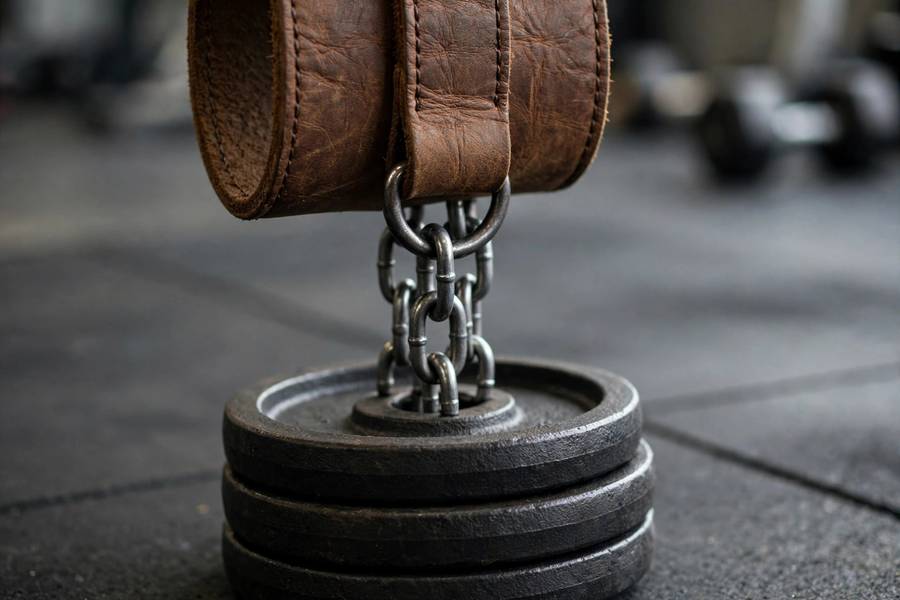
Best for: max of 10+, wanting more strength per rep. How it works: once you can do 10 to 12 clean bodyweight reps, bodyweight alone stops building maximal strength — it’s endurance work now. Add weight with a dip belt or a dumbbell between your feet, and program pull-ups like a heavy lift: 5 sets of 3 to 5 reps, 3 minutes rest, adding 2.5 pounds when all sets hit 5.
The transfer is remarkable: build your 5-rep max with 45 pounds attached, and your bodyweight max will jump 4 to 6 reps without directly training it. I’ve seen this work dozens of times. Start conservatively — 10 pounds for 5×3 — and build slowly. Weighted pull-ups demand perfect form; a kip with 45 pounds hanging off you is an injury looking for a place to happen. One weighted session and one bodyweight volume session per week is the sweet spot.

3. Grease the Groove
Best for: max of 5 to 15, plateaued for a month or more. How it works: many submaximal sets spread through the day, never near failure. Test your max (say 8), then do sets of 3 to 4 reps every hour or so, 6 to 8 sets daily, 5 days a week. The bar needs to be convenient — a doorway bar at home is ideal.
Run it 3 to 4 weeks, then take an easy week and retest. Typical result: 2 to 4 added reps. It works through neurological efficiency — your nervous system gets extremely good at firing the right muscles in the right sequence. Rules: never grind, stop if elbows ache, and don’t add other hard pulling during the block. GTG is the program, not a supplement to it.
4. Density Blocks (EMOM)
Best for: max of 8 to 15, endurance-limited. How it works: EMOM means “every minute on the minute.” Set a timer: at the top of each minute, do 40 to 50 percent of your max reps (so 4 to 5 reps if your max is 10). Rest the remainder of the minute. Repeat for 10 to 15 minutes.
This builds the specific capacity to do reps under fatigue — exactly what fails when your max-rep set falls apart at rep 8. Start with 10 minutes and add one minute per week. One EMOM session weekly, alongside one heavier strength session. The first few minutes feel easy; minutes 10 to 15 are where the adaptation lives. Your ability to recover between efforts inside a session is a trainable quality, and this trains it directly.
5. The 50-Rep Method
Best for: max of 6+, needs more volume but hates programming. How it works: do 50 total pull-ups in as few sets as possible, resting as needed between sets. That’s the whole session. Time it. Next week, beat the time or reduce the sets.
A typical session: 8, 7, 6, 6, 5, 5, 4, 4, 3, 2 — 50 reps in 10 sets. Six weeks later it’s 10, 8, 8, 7, 6, 6, 5 — 50 reps in 7 sets, done faster. The progression is self-regulating: as you get stronger, sets get bigger automatically. Do this once a week as your volume day. It’s simple enough to follow forever and effective enough that you might not need anything fancier. Pair it with a solid muscle-gain split and your back will grow alongside your numbers.
6. Eccentric Overload
Best for: sticking point in the top half, max under 8. How it works: you’re stronger eccentrically than concentrically — use it. Jump to the top, then lower over 6 to 8 seconds. Five sets of 3, full rest between sets, twice a week. The slow lowering overloads the muscles through the exact range where your concentric reps fail.
This is especially effective for the top two inches — the lockout zone where most plateaus live. After 4 weeks of eccentric overload, retest: the sticking point usually moves or disappears. Don’t do these daily; the muscle damage is significant. Twice a week with 48 to 72 hours between sessions.
7. Variation Rotation
Best for: stale training, max flat for 2+ months. How it works: sometimes the plateau is just boredom — neural and psychological. Rotate your main variation every 3 to 4 weeks: standard pull-ups, then neutral grip, then chin-ups, then wide grip. Each variation shifts the emphasis slightly — chin-ups load the biceps more, neutral grip is elbow-friendly, wide grip hits the lats harder.
The variation isn’t magic; the novelty is. A new variation lets you progress again (adding reps to a movement you haven’t maxed), which rebuilds momentum and often carries over to your main lift when you rotate back. I program 4-week blocks per variation with my plateaued clients, and the main-grip max almost always jumps after a block away. Your back training should include this kind of rotation anyway for balanced development.
8. The Back-Off Week (Strategic Rest)
Best for: numbers declining, elbows achy, dreading the bar. How it works: cut pull-up volume by 60 to 70 percent for one full week. Keep the movement pattern with easy sets — 3 sets of 40 percent of max, twice in the week — but remove all intensity. Sleep, eat, recover.
I list this as a method because it’s the one people resist most and need most often. Accumulated fatigue masks fitness: you can’t display strength you haven’t recovered enough to express. I’ve had clients add 2 reps to their max after a back-off week with zero additional training — the strength was already there, buried under fatigue. If you’ve been hammering pull-ups for 8-plus weeks without a break, try this before anything else. It’s free and it works.

Choosing Your Method
Match the method to your limiter: strength-limited (max under 8, failing low) → ladders or weighted work. Endurance-limited (max 10+, fading in sets) → EMOM density or the 50-rep method. Plateaued for months despite solid training → grease the groove or variation rotation. Feeling beaten up → back-off week first, then reassess.
Run your chosen method for 8 weeks minimum before judging it. Program-hopping every two weeks is the real plateau cause for half the people I coach — no method works if you don’t stay with it long enough to adapt. Pick one, commit, retest at week 8. And keep your bodyweight in check during the block: even 5 pounds lost is free reps. Building muscle at home pairs fine with any of these methods if the bar is your main tool.
Frequently Asked Questions
Typically 8 to 16 weeks with deliberate programming like ladders or grease the groove, training 2 to 4 times per week. The jump from 5 to 10 is mostly about work capacity and neurological efficiency rather than raw strength, so submaximal volume methods work best. Random training can leave you stuck at 5 for a year; structured training breaks it in months.
Yes, reliably. Building your weighted 5-rep max typically adds 4 to 6 reps to your bodyweight max without direct high-rep training. Start weighted work once you can do 10 to 12 clean bodyweight reps, program 5 sets of 3 to 5 with long rests, and progress the load slowly. The strength transfers directly.
The three usual causes: you’re strength-limited and need heavier/lower-rep work, you’re endurance-limited and need density training, or you’re under-recovered and need a deload. Most plateaus also involve program-hopping — switching methods every two weeks prevents adaptation. Diagnose honestly, pick one method, and run it for 8 full weeks.
For strength, 15 to 25 total reps across 3 to 5 sets. For max-rep building, 30 to 50 total reps across more sets with shorter rests. Total weekly volume matters more than per-session volume — 60 to 100 quality reps per week, spread over 2 to 4 sessions, is the productive range for most intermediates. Beyond that, recovery becomes the limiter.
More than almost any training method. Pull-ups are strength relative to bodyweight, so a 10-pound fat loss with maintained strength typically adds 2 to 4 reps — the equivalent of months of training. If you’re carrying extra weight and plateaued, address body composition alongside programming; it’s the highest-leverage change available.
Diagnose your limiter, pick one method, run it for eight weeks without program-hopping. Plateaus aren’t permanent — they’re just feedback. Listen to it.