Container Gardening for Beginners: No Yard, No Problem

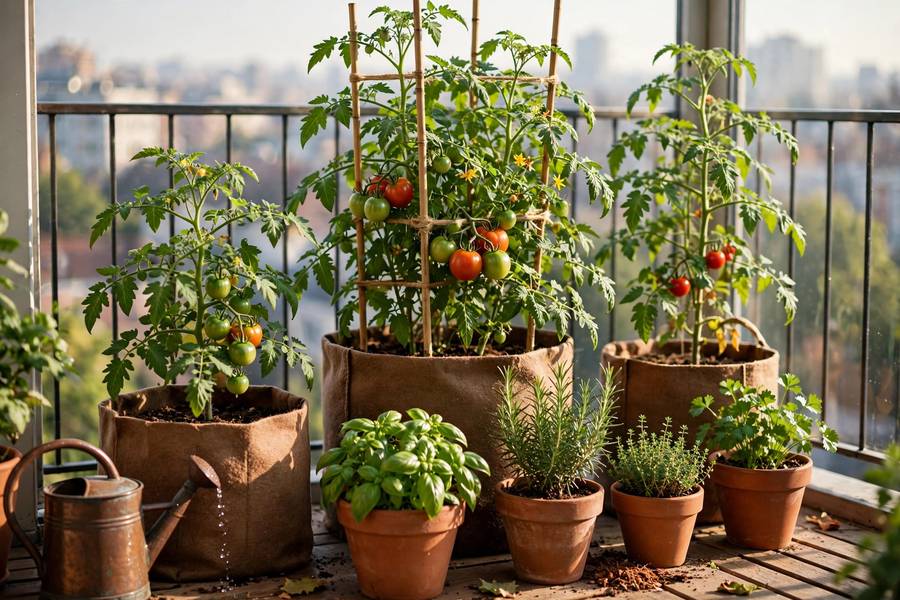
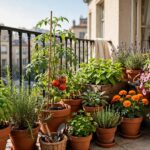
I started gardening on a second-floor balcony with three pots, a bag of potting mix, and absolutely no idea what I was doing. That tiny setup grew enough cherry tomatoes to make me feel like a farmer and enough basil to ruin store-bought pesto for me forever. Container gardening for beginners is the most forgiving way to start growing food, because you control the soil completely, weeds are barely a thing, and your garden is exactly as big as your ambition. No yard, no tilling, no backbreaking digging. In this guide, I will show you how to choose the right containers, why potting mix matters more than anything else, which plants actually thrive in pots, and the watering routine that keeps everything alive through summer. If you do have ground to work with, my guide on how to start a garden covers in-ground beds; but honestly, containers might be all you ever need.
Why Containers Are the Best Beginner Garden
Let me make the case plainly. A container garden skips every hard part of traditional gardening at once. Bad native soil? Irrelevant, because you fill the pot yourself. Weeds? A few might blow in, but nothing like a ground bed. Pests that live in soil? Mostly left behind. And the scale is humane: five pots on a sunny patio can be tended in fifteen minutes a day, which is a commitment a busy beginner can actually keep.
Containers also teach you faster. Because the soil volume is small, you see the results of your watering and feeding decisions within days instead of weeks. Overwater? The plant tells you. Underfeed? The yellowing leaves show up quickly. This tight feedback loop is the best gardening teacher there is. My balcony years taught me more about plant care than my first in-ground bed ever did, simply because I could see cause and effect so clearly.
Choosing the Right Containers (Size Matters Most)
Here is the rule that matters more than material, color, or style: bigger is almost always better. A five-gallon pot is the minimum for a tomato or pepper plant, and I mean a real five gallons, not a cute little decorative pot that claims to be ‘large.’ Small pots dry out in hours on a hot day, and a thirsty plant in a tiny pot is a stressed plant that produces poorly. For lettuce, herbs, and radishes, a pot 8 to 10 inches deep works fine. For root vegetables like carrots, go 12 inches deep minimum.
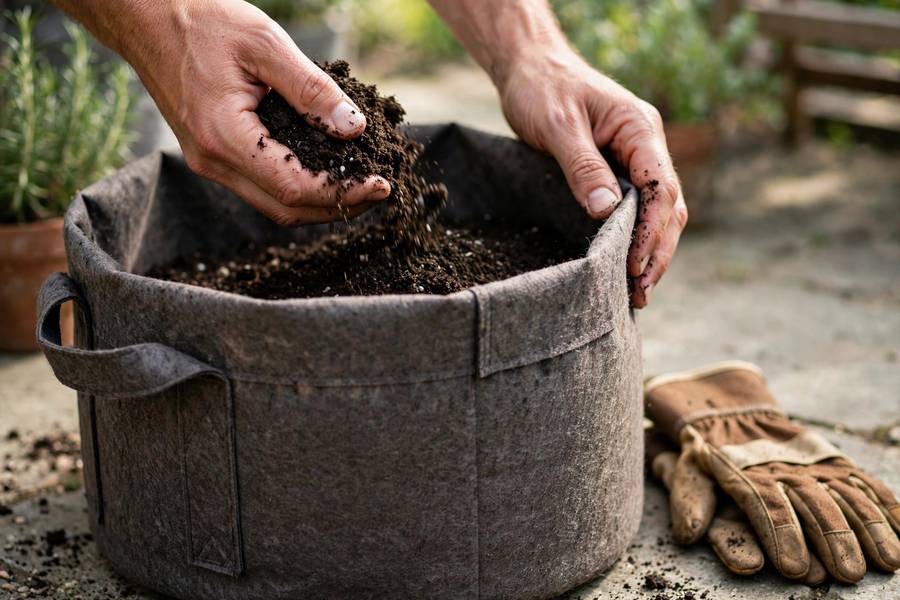
Material-wise, here is my honest ranking from experience. Fabric grow bags are my favorite for beginners: they are cheap, they air-prune roots so plants never get root-bound, and excess water drains freely, which forgives overwatering. Terracotta looks beautiful and breathes well but dries out fast and gets heavy. Plastic is light and holds moisture longest, which is genuinely useful in hot climates. Whatever you choose, drainage holes are non-negotiable. No holes, no plant. I drill extras in everything, because one clogged hole on a rainy week can drown a plant overnight.
One more practical note: dark-colored pots in full sun can cook roots on 95-degree days. If you garden somewhere hot, choose light-colored containers or tuck dark ones where they get afternoon shade.
Potting Mix: The One Thing You Cannot Cheap Out On
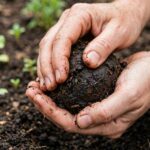
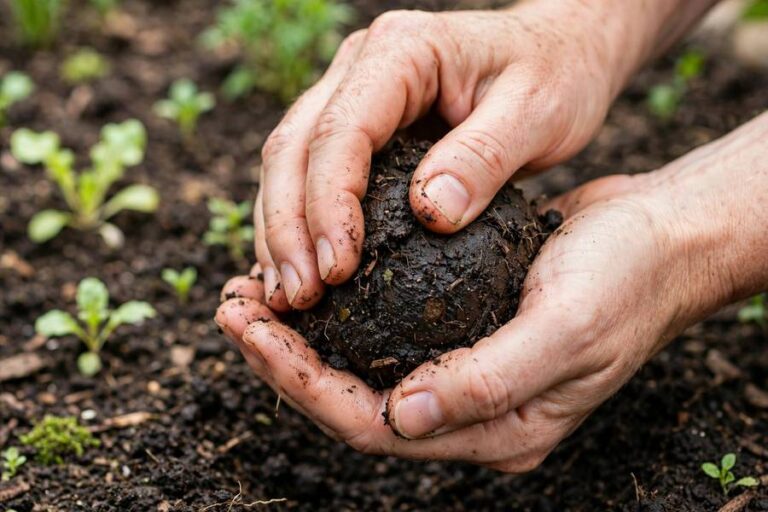
If you take one thing from this guide, let it be this: use real potting mix, never garden soil from the ground, in your containers. Garden soil compacts into a brick in a pot, suffocating roots and holding water in all the wrong ways. Potting mix is engineered to stay fluffy, drain well, and hold just enough moisture. It is the single biggest difference between container gardens that thrive and ones that mysteriously fail.
You do not need the most expensive bag on the shelf. A mid-range peat or coir-based potting mix works beautifully. I mix in a handful of compost per pot for slow-release nutrition and a bit of perlite if the mix feels heavy. Do not reuse last year’s mix as-is for heavy feeders like tomatoes; refresh it with at least a third new mix and fresh compost. And here is a trick I learned from composting at home: top-dressing containers with an inch of finished compost mid-season gives plants a gentle nutrient boost exactly when summer production demands it.
The Best Plants for Container Beginners
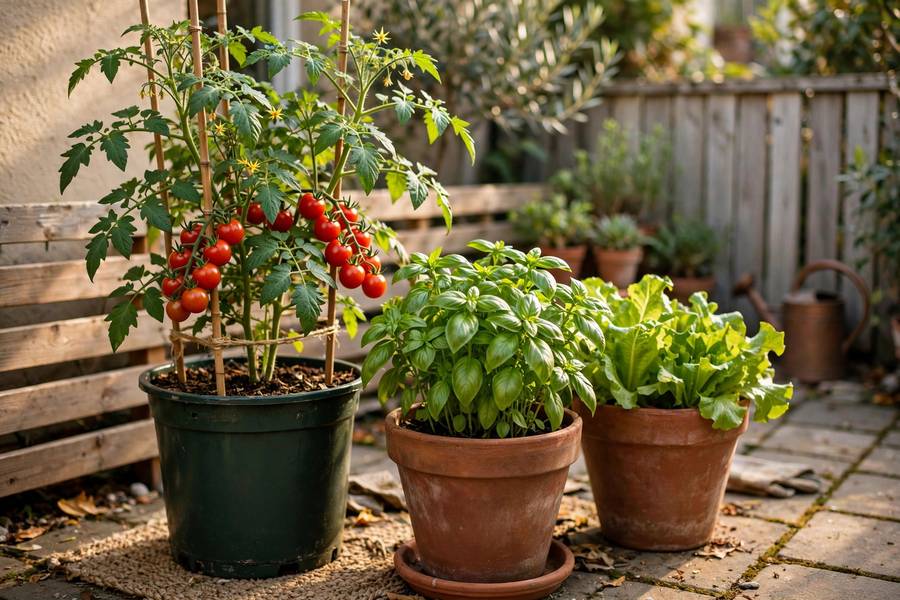
Some plants were practically designed for pots. Cherry tomatoes are the container superstar: one plant in a five-gallon pot or grow bag, with a cage or stake, will produce all summer. Choose a determinate or patio variety if your space is tight; they stay compact instead of sprawling. Peppers are equally happy in pots and actually prefer the warm root zone a container provides.
Lettuce and salad greens are perfect for shallow, wide containers and window boxes. Sow thickly, harvest the outer leaves, and you will have salads for months. Herbs are container naturals: basil, parsley, chives, and mint, with mint quarantined in its own pot because it is a garden thug that respects no boundaries. Bush beans, radishes, and green onions round out the easy list.
What to skip in year one: corn (needs a block for pollination), large vining squash (needs enormous pots and constant water), and carrots unless you have a deep pot and loose mix. Start with the winners, build your confidence, and experiment with the tricky ones next season. For the fundamentals of getting any garden started, my how to start a garden guide pairs well with this container-specific advice.
Watering: The Make-or-Break Container Skill
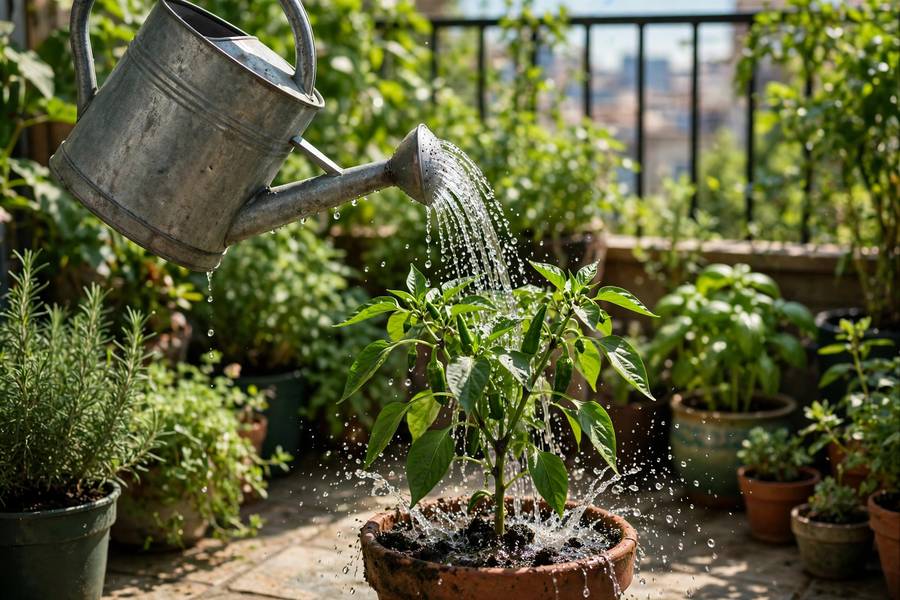
Containers dry out faster than ground soil, sometimes dramatically faster. In midsummer heat, a tomato in a five-gallon pot may need water every single day, occasionally twice. The finger test is your best tool: push your finger two inches into the mix. Dry? Water deeply until it runs from the drainage holes. Still moist? Leave it alone. Beginners almost always overwater at first, then swing to underwatering. The finger test keeps you honest.
Water in the morning when you can. Morning watering means leaves dry quickly, which prevents fungal diseases, and the plant heads into the heat of the day fully hydrated. Mulch the top of each pot with an inch of straw, shredded leaves, or even wood chips. Mulch looks tidy, but its real job is slowing evaporation, and in containers that can mean the difference between watering once a day and twice. Self-watering planters are worth considering if you travel; I use them for my herbs and they have saved more vacations than I can count.
Feeding Container Plants Through the Season
Potting mix starts with some nutrition, but containers are a closed system: every watering washes a little fertility out the drainage holes, and there is no deep soil reserve to draw from. By midsummer, unfertilized container plants look tired and pale, and beginners blame themselves when the real culprit is simply hunger.
My routine is simple. At planting time, I mix a slow-release granular organic fertilizer into the potting mix. Then, once plants start flowering and fruiting, I feed every two weeks with a half-strength liquid fertilizer, fish emulsion or seaweed extract are my go-tos. Half-strength, every two weeks, beats full-strength monthly: it is gentler and more consistent. Yellowing lower leaves on an otherwise healthy plant usually mean nitrogen hunger, not disease, so feed before you panic. Container gardening rewards this kind of steady, observant care, and honestly, it is the reason so many beginners who start in pots never go back to digging.
Use 5-gallon (or larger) containers for tomatoes, peppers, and eggplant. Lettuce, herbs, radishes, and green onions do well in 8-10 inch deep pots. Carrots need at least 12 inches of depth. When in doubt, go bigger: small pots dry out too fast in summer.
No. Garden soil compacts in pots, suffocating roots and causing drainage problems. Always use bagged potting mix, which is designed to stay loose and drain well in containers. You can refresh used mix with fresh compost and new potting mix each season.
Check daily in summer using the finger test: if the top 2 inches of mix are dry, water deeply until it drains from the bottom. Most vegetables in 5-gallon pots need daily watering in hot weather. Morning watering is best, and mulch on top slows evaporation.
Yes, more than in-ground plants. Nutrients wash out of pots with every watering. Mix slow-release fertilizer into the potting mix at planting, then feed with half-strength liquid fertilizer every two weeks once plants start flowering and fruiting.
Cherry tomatoes, peppers, lettuce, herbs (basil, parsley, chives, mint in its own pot), bush beans, radishes, and green onions are the most reliable container crops. Skip corn, large squash, and watermelon until you have bigger containers and more experience.